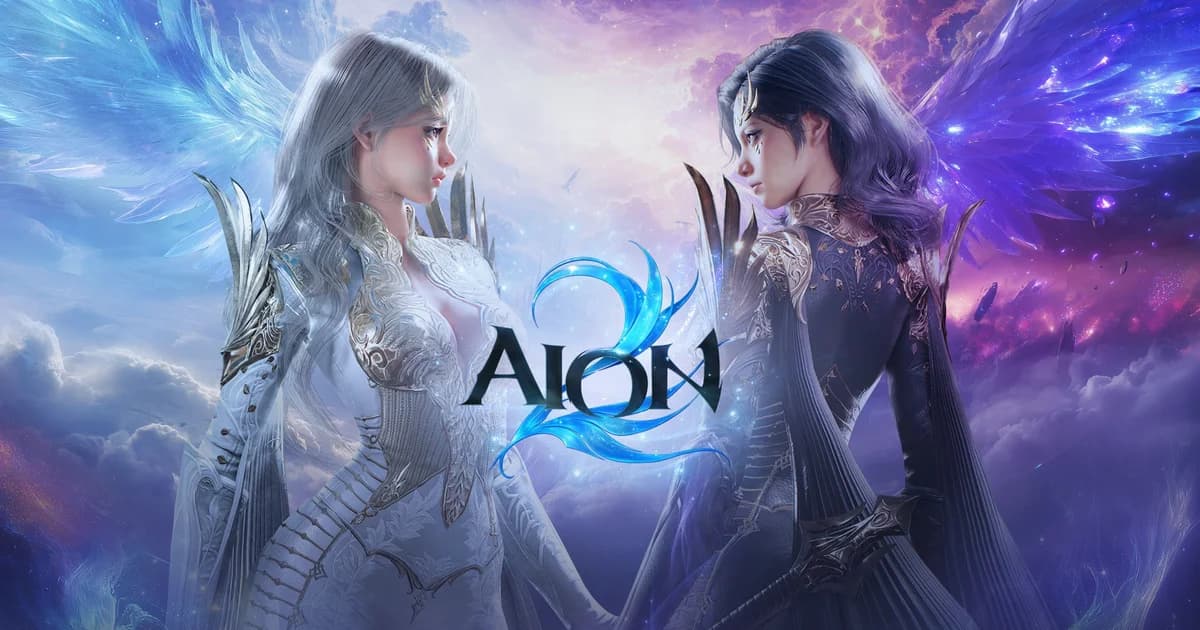

NCSoft built Aion 2 for a market that has largely forgotten what a demanding MMO economy feels like. Modern titles often smooth out the rough edges. Currency flows freely, gear arrives through activity trackers, and meaningful losses are rare.
Aion 2 takes a different approach. The result is an MMO where managing Kinah matters almost as much as developing a character's build.
Kinah Is a Bottleneck by Design
In many modern MMOs, gold is little more than a formality. Players accumulate it passively and spend it on cosmetics or occasional upgrades. Kinah does not work that way in Aion 2.
The currency is required for enchantment attempts, manastone socketing, flight transportation, remodeling, and broker fees on every trade. This creates a noticeable divide between players, even when they have identical gear and similar playtime.
One player who manages currency carefully might have a +12 weapon, while another could be left with a stack of failed enchantment attempts and a repair bill.
NCSoft has followed this philosophy since the original Aion launched in 2008. The studio understands the relationship between scarcity and attachment. When a weapon represents three weeks of careful saving, losing it carries real consequences.

Where Your Kinah Actually Goes
New players often underestimate how quickly expenses accumulate in Aion 2. The list of currency drains is longer than it initially appears:
- Enchantment stones: Enhancement attempts can fail, making it essential to budget for unsuccessful upgrades.
- Manastone socketing: An unsuccessful attempt can mean paying for another try.
- Broker commission: Market transactions come with fees that gradually reduce profits.
- Flight and teleportation: Individual journeys might seem inexpensive, but transportation costs add up over a week.
- Skill books and stigma slots: These progression expenses often arrive when players are already struggling to maintain their savings.
Veteran players plan around these expenses. Newer players are more likely to treat each cost as an unexpected setback. Without a budget, it is easy to reach a point where the gear a character has just unlocked becomes too expensive to maintain or upgrade.
The Farming Routes Players Actually Use
The Aion 2 community has settled on several reliable ways to earn Kinah. Faction quest chains remain a consistent source of income for mid-level characters, particularly because they provide currency directly rather than relying on materials that must be sold.
Gathering professions offer a slower but relatively low-risk alternative. The materials market has remained active, giving players another way to build their reserves without relying entirely on combat.
Instance running is where more substantial earnings can be found, although this approach depends on having a reliable group. Efficient runs can make a significant difference, especially when players coordinate their activities around available rewards.
Daily and weekly caps also limit how much players can earn through certain activities. Spending additional hours in the game does not necessarily translate into proportionally higher income. Players who organize their sessions around these restrictions can make better use of their available opportunities, while inefficient farming can leave them behind.
These limitations help explain why some players look beyond the game itself. Listings for Aion 2 Kinah have been available on third-party marketplaces since the early access period. The underlying issue is straightforward: earning opportunities are restricted by daily and weekly caps, but the number of things players can spend their currency on remains substantial.
The Trade-Off Nobody Can Avoid
Buying currency in an MMO is a longstanding debate, and the arguments on both sides have changed little over the years.
For some players, time is their most limited resource. Paying to skip a lengthy grind can seem like a practical alternative, particularly for adults balancing gaming with work and other responsibilities.
However, purchasing currency from third-party sellers carries risks. NCSoft's terms govern how players can obtain and trade in-game currency, and violations can result in enforcement action against buyers. External currency trading can also undermine the in-game economy, potentially contributing to inflation and making progression more expensive for other players.
Platforms such as Eldorado have made third-party transactions more accessible, reducing the practical barriers to buying currency. That convenience does not remove the risks or change the game's rules.
For Aion 2 players, the decision involves more than comparing the time spent farming against the cost of a purchase. Account security, potential penalties, and the wider effects on the game's economy are also worth considering.
What the Broker Tells You About the Server
The broker is more than a place to buy and sell items. It can also provide useful information about the state of an Aion 2 server.
Market prices reflect player activity, demand for upgrades, and the availability of materials. Monitoring these changes can help players decide when to sell items, purchase supplies, or invest in equipment.
For example, a rise in enchantment stone prices could indicate that more players are upgrading their gear ahead of new content. Increasing prices for low-level materials might suggest growing demand from newer characters. Conversely, a market where prices remain relatively flat for two weeks could indicate reduced trading activity, although other factors can also influence prices.
Players who regularly monitor the broker can use these patterns to make more informed decisions about when to buy and sell. Rather than automatically selling every valuable drop, they can compare prices over time and identify opportunities to improve their returns.
This approach does not guarantee a profit, but it can make a noticeable difference over the course of a long progression cycle.
Playing the Economy Rather Than Fighting It
The players who appear most comfortable with Aion 2's economy tend to treat Kinah as a core game system rather than an obstacle to overcome. Instead of spending everything as soon as they earn it, they make decisions based on market conditions and future expenses.
They monitor broker prices throughout the week rather than immediately selling every valuable item. They plan enchantment attempts around the cost of supplementary stones and maintain a minimum currency reserve to ensure that an unlucky streak does not leave them unable to progress.
This approach requires patience, but it aligns with the game's design. Every purchase carries an opportunity cost, and every failed upgrade can affect a player's plans for the next several sessions.
Aion 2 is not designed to be a game that players simply finish. Its economy is built around decisions that can remain relevant hundreds of hours into the experience.
By making Kinah central to progression, NCSoft has brought back an aspect of older MMO design that modern games often soften: the need to balance ambition against available resources. Whether players enjoy that pressure or find it frustrating, managing currency is an essential part of succeeding in Aion 2.