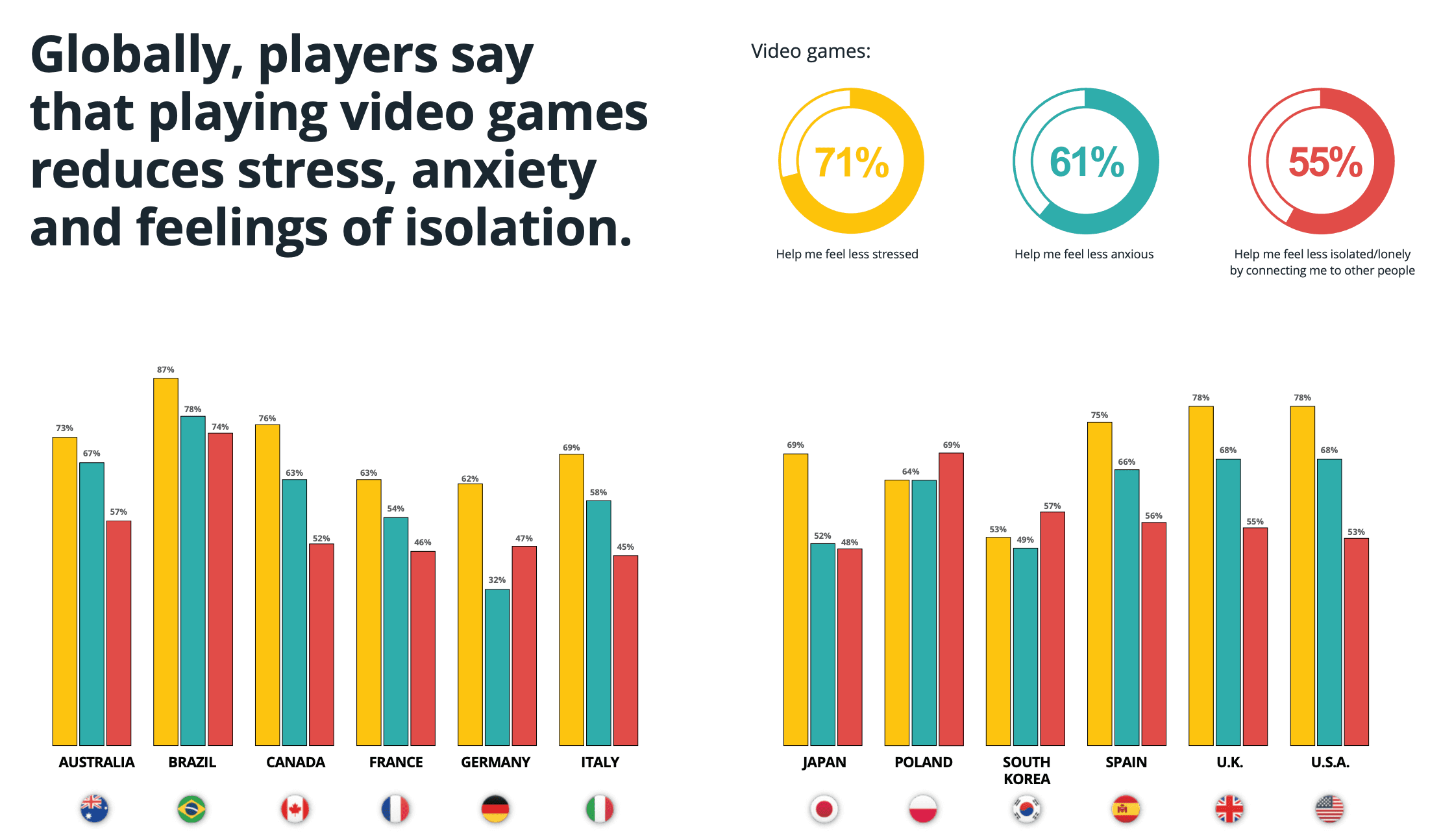
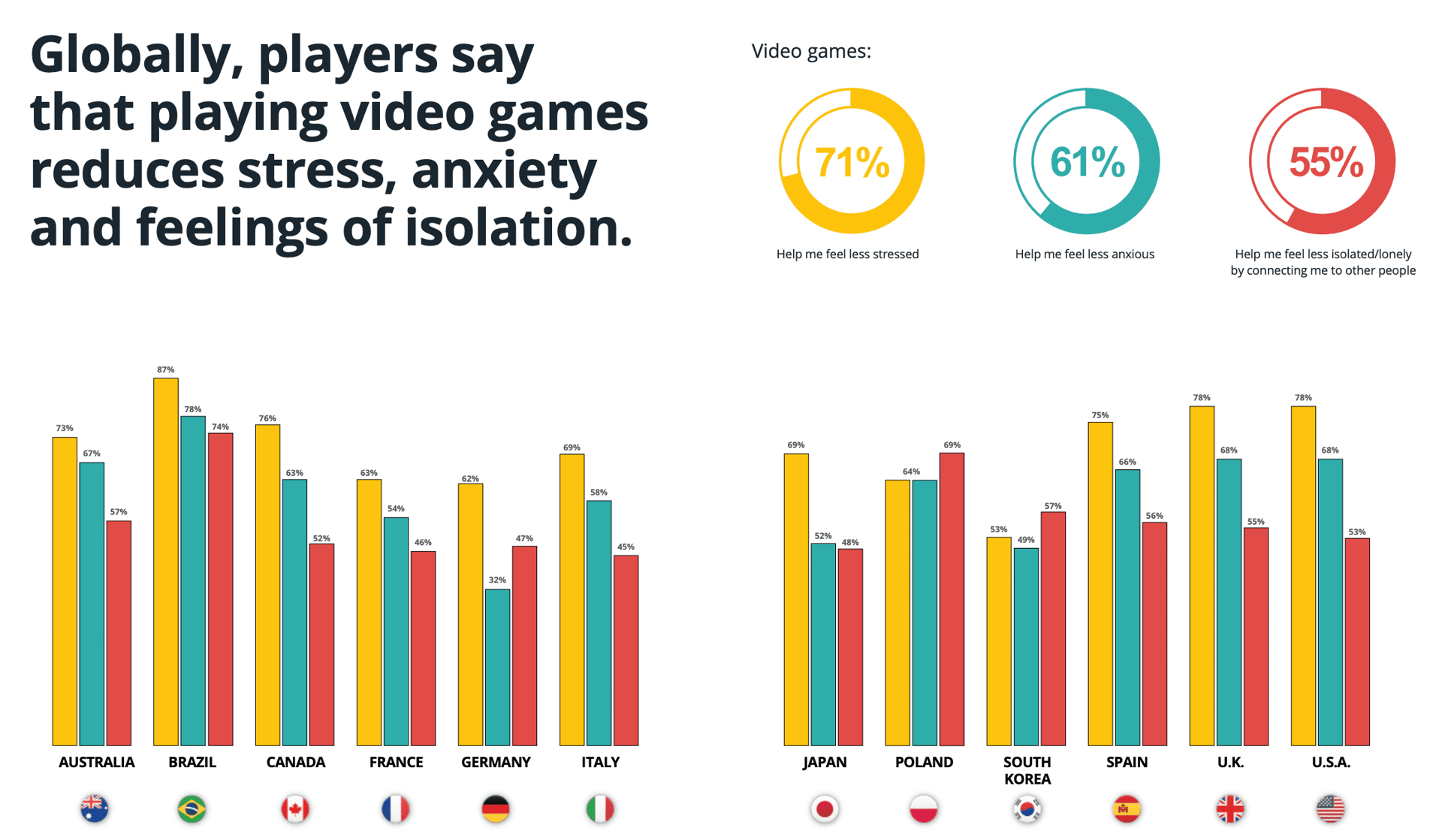
Video games are often seen as a form of entertainment, but new research suggests they could offer much more. Robert Redman, Assistant Professor at the University of Bradford and a former video game developer, believes video games have significant untapped potential. His work explores how games could help with learning, support mental health, and even be used for professional training.
Can Video Games Support Mental Health
Exploring the Digital-Physical Crossover
Redman's PhD research - "Experience Transference: Crossing the digital and physical experience boundary" - included a pilot study with members of the University of Bradford's archery society. The findings showed that participants who played archery video games before attempting real archery performed better than those who went in cold. Real-world archers who then played the video game version also saw slight performance gains.
Even experienced archers improved their video game scores after real-world practice sessions. Redman describes this phenomenon as the "digital-physical crossover" and argues it demonstrates that skills learned in games can transfer to real-world activities.
Can Video Games Support Mental Health
Games and Brain Adaptability
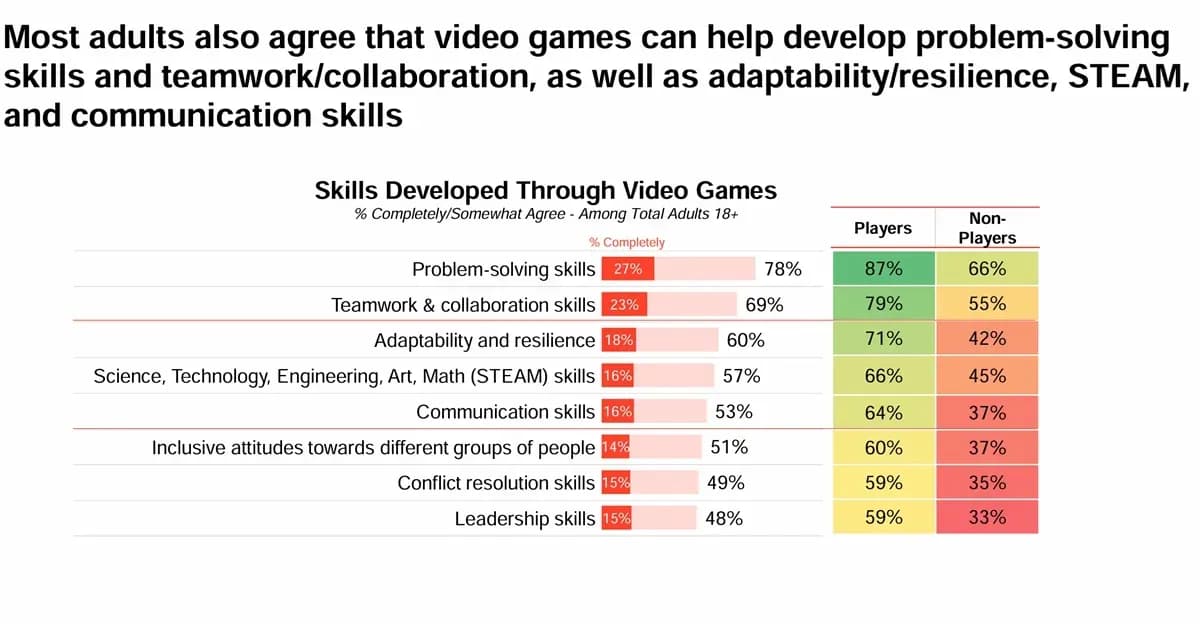
Redman advocates for gamification - applying game mechanics to non-game contexts - particularly in education and professional training. He thinks video games can strengthen brain plasticity, the brain's capacity to adapt and absorb new information.
"All games involve learning," Redman says. "Whether it's a card game, a board game, or a video game, you have to figure out how it works. That process engages your brain and helps you develop the ability to learn."
This learning mechanism applies across contexts: classrooms, workplaces, and even strategies for managing cognitive decline in older adults. Redman also sees potential for training future executives, who need strategic thinking, quick adaptation, and the ability to juggle complex systems.
Can Video Games Support Mental Health
Motivation, Focus, and Escapism
Redman argues that video games hold attention because they balance challenge and payoff. This structure keeps players engaged and delivers a sense of accomplishment when they clear objectives. He compares it to the satisfaction a student feels earning recognition from a teacher.
"There's a lot of value in the way games keep us engaged," he says. "We see it in other areas too - when someone reads a book or watches a movie, they're immersing themselves in something and stepping out of reality for a while. Video games offer the same kind of experience, with the added benefit of interaction."
This immersion builds focus and concentration, skills that carry over into academic work, professional tasks, and everyday responsibilities.
Can Video Games Support Mental Health
Thinking Beyond the Game
While Redman's work centers on practical applications, he occasionally considers broader philosophical questions about reality and digital experience. He entertains the idea that reality itself might be a simulation, a thought experiment that underscores how deeply digital technology has embedded itself in human understanding.
"We might never know the full truth about our existence," he says. "But digital environments like video games are already shaping how we think, learn, and interact with the world."
Final Thoughts
Redman's research at the University of Bradford contributes to growing evidence that video games offer benefits beyond entertainment. From supporting mental health and cognitive function to enabling new forms of education and professional training, games may have a meaningful role in healthcare, schools, and workplaces. As research continues, their influence could extend well beyond the screen.