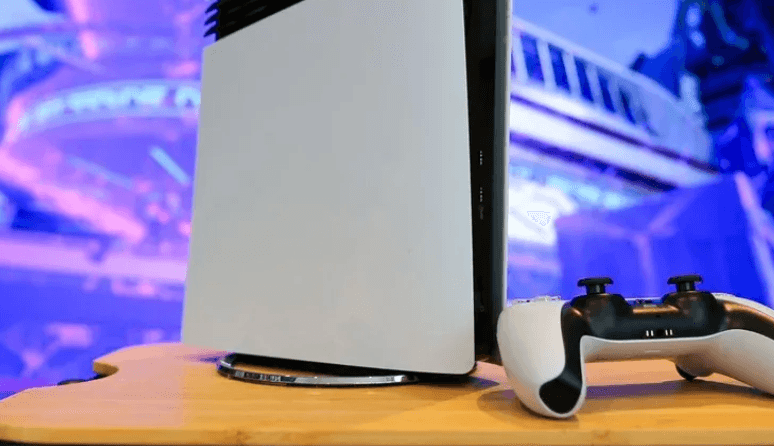

Picture a GameStop shelf in mid-July. A handful of PS5 cases, some controllers, a lot of empty space. That image is basically what the latest retail tracking data is telling us in numbers.
Circana director Mat Piscatella posted a stark pair of statistics this week: in the seven-day window ending July 11, just 2 PS5 games sold more than 10,000 physical units in the United States. Year-to-date, only 7 PS5 titles have crossed the 100,000 physical copy threshold. That is the entire US market, across every retailer, for roughly six and a half months of 2026.
What the numbers actually say
The key here is context. Piscatella did not name the seven games, but the likely candidates are the biggest releases of the year so far: Resident Evil Requiem, Crimson Desert, and 007 First Light would be reasonable guesses. What the data does not tell us is how far above 100,000 those titles actually sold. The seventh-best-selling game cleared the threshold; the first might have done ten times that. The raw framing makes things sound worse than the full picture might show.
Still, the broader trend is impossible to dismiss. Sony has already announced plans to halt PlayStation disc production from January 2028, citing consumer preference shifting heavily toward digital. The company said it was making the move to "adapt to consumer trends as the general preference for digital media significantly outpaces physical discs." These numbers give that statement some hard backing.
The UK context adds another layer. Industry analyst Christopher Dring noted that last week, selling just 1,000 physical copies of a game would have placed it ninth in the UK charts. The new Star Fox remake on Switch 2 sat at tenth with roughly that figure. For a brand-new first-party Nintendo exclusive on a hot new platform to move that few boxed copies, it signals the physical market is in freefall across both major English-speaking territories, not just the US.
The backlash versus the data
Sony's announcement triggered weeks of intense social media pushback. Every post on its official channels has been flooded with criticism, and indie developers have reportedly been caught in the crossfire of a community directing its frustration at anyone connected to PlayStation.
Here is the thing: the people making the most noise are clearly not the people who were buying the discs. The math is brutal. With 93 million PS5 units sold globally, even the best-performing physical title this year moved 100,000 copies in the US. That is a fraction of a fraction of the install base. The vocal minority fighting for physical media is, by definition, a minority.
That does not make their frustration invalid. Collectors, people who share games with family, bargain hunters who rely on the second-hand market, players in regions with unreliable internet, all of these people have legitimate reasons to want physical to survive. But the sales data makes it very clear why Sony is not reversing course.
Supply, availability, and a chicken-and-egg problem
What most players miss in this conversation is the supply side. Multiple major releases this year, including Pragmata, had physical copies that sold out at launch and proved genuinely difficult to find. If retailers are not ordering large quantities because they do not expect to sell them, and publishers are not pressing large quantities for the same reason, the numbers become a self-fulfilling outcome rather than a pure reflection of demand.
If you want to check out what storage and download requirements look like for some of the bigger PS5 releases this year regardless of format, the Pragmata game size and preload guide and the Saros file size and pre-load date guide cover both titles in detail.
What this means for players going forward
Sony is not changing its mind. The data, even with all its caveats, supports the direction the company has already committed to. Physical disc production ends in January 2028, and the PS6 generation will almost certainly launch without a disc drive as standard.
The more productive fight at this point is digital ownership rights. If you buy a game digitally and the publisher pulls it or your account gets compromised, your options are limited. That is a consumer protection issue with real consequences, and it is one that regulators in the EU and elsewhere are beginning to pay closer attention to.
For anyone still buying physical while it lasts, games like Hollowbody on PS5 represent exactly the kind of experience worth owning on disc before that option disappears. The Hollowbody before you buy guide breaks down what to expect from the survival horror title if you are considering adding it to your physical collection while you still can.