Web3 gaming entered the spotlight with bold promises of redefining digital ownership, empowering players, and creating fairer in-game economies. For many the appeal was rooted not in speculation but in the belief that blockchain technology could offer meaningful change to how games are built, played, and valued. What began as a compelling vision of player agency and economic participation soon revealed the limitations of the underlying infrastructure, as well as the challenges of aligning expectations with reality. This article explores Payton's perspective on the evolution of web3 gaming—where it succeeded, where it fell short, and why he remains committed to building within the space.
Challenges and Realities of Web3 Gaming
Early Promises That Brought Players to Web3
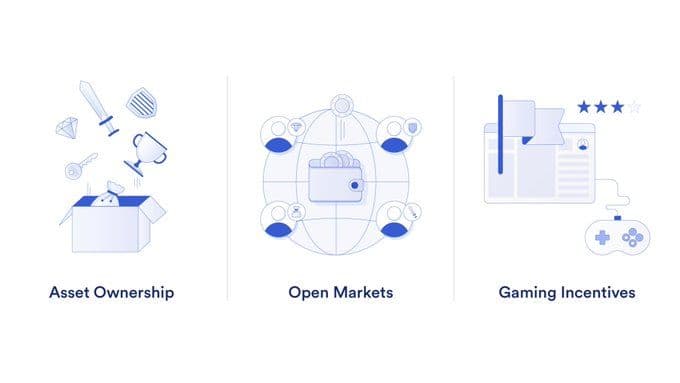
When web3 gaming first emerged, it positioned itself as a fundamental shift in how digital games function. Payton, co-founder of WolvesDAO, says the initial draw wasn't speculation or hype cycles, but the promise of structural changes to ownership, trading, and value creation in games. The pitch was straightforward: players would own their in-game items outright, trade them freely across markets, and potentially earn while playing.
For players who'd spent years participating in gray-market digital economies—buying gold in MMOs, trading skins through third-party sites—this felt like a natural evolution. The idea that games could finally recognize player time and effort as having real, persistent value resonated with communities tired of walled gardens controlled entirely by publishers. Items wouldn't vanish when servers shut down. Progress could be recorded transparently on-chain. Player-driven economies, where value flowed to participants rather than just corporations, seemed within reach.
Challenges and Realities of Web3 Gaming

A Conceptual Foundation With Gaps in Execution
In web3 gaming's early days, many players believed they weren't just playing games—they were becoming stakeholders in evolving digital ecosystems. Ownership, interoperability, and equitable economies formed the movement's core principles. But these ideas, while compelling, lacked the infrastructure and clear definitions needed to deliver on their promise.
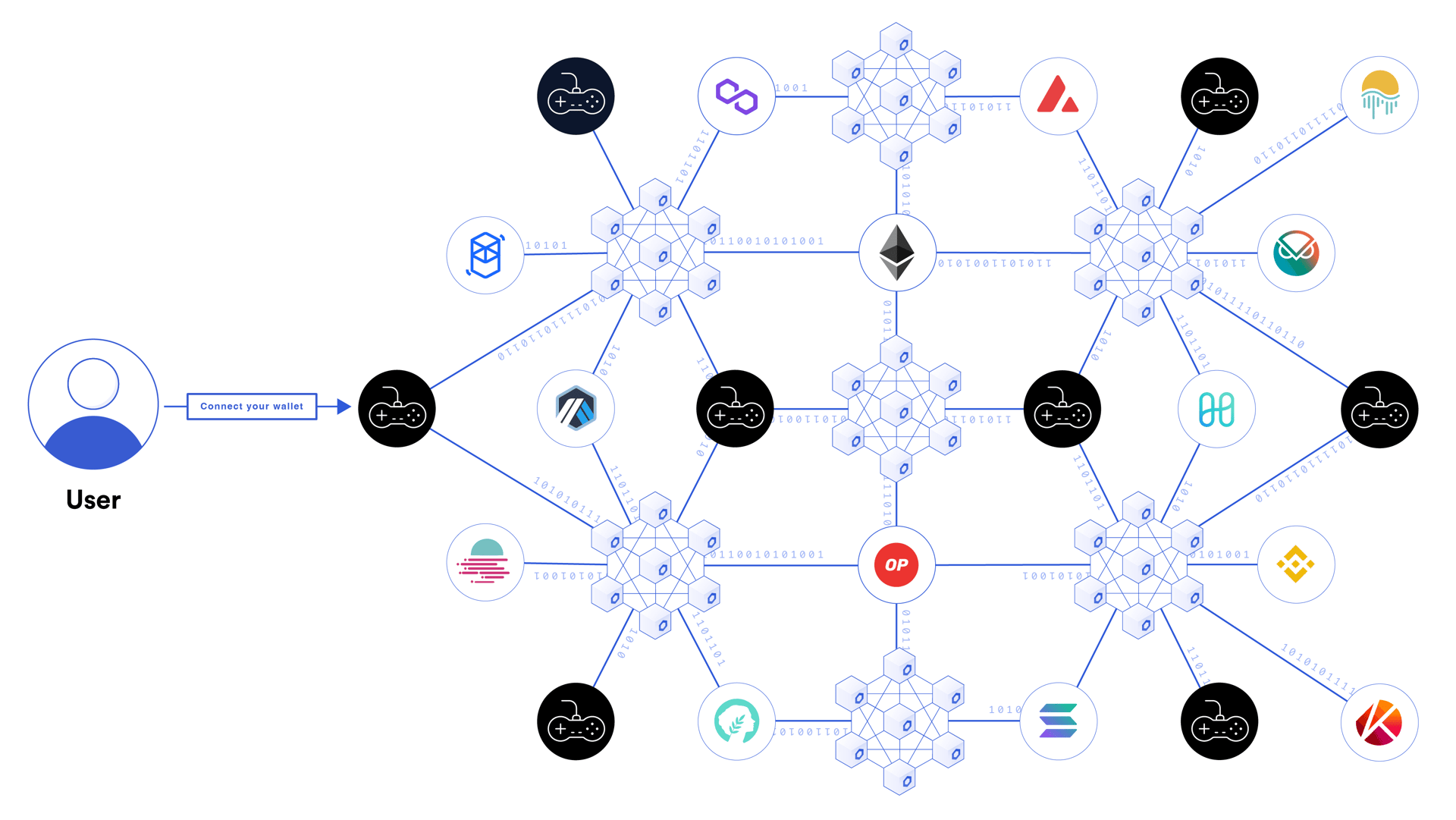
Take "ownership" in a blockchain game. In practice, it often meant holding a token that pointed to a file hosted on AWS or another centralized server. That file could be rendered in Unity or any standard engine. Players held a claim to content, not the content itself. The gap between theoretical ownership and practical control became impossible to ignore.
Challenges and Realities of Web3 Gaming
The Misconception of Scarcity as Value
Digital scarcity became one of web3 gaming's most heavily marketed features. Projects emphasized limited supply as the primary value driver. Players were told that rare items, land parcels, or character traits would hold value simply because they were capped. Platforms like Decentraland and Zed Run built entire offerings around artificial scarcity, assuming limitation alone would generate sustained demand.
It didn't. Scarcity in a digital space means nothing without actual utility or engagement. Many projects sold "rare" assets long before they had functioning games or active player bases. Markets flooded with items that had no in-game purpose. The disconnect was clear: creating digital scarcity without meaningful use doesn't create lasting value. It creates a speculative bubble that pops the moment players realize there's nothing to do with their rare items.
Challenges and Realities of Web3 Gaming
Interoperability Remained a Complex Vision
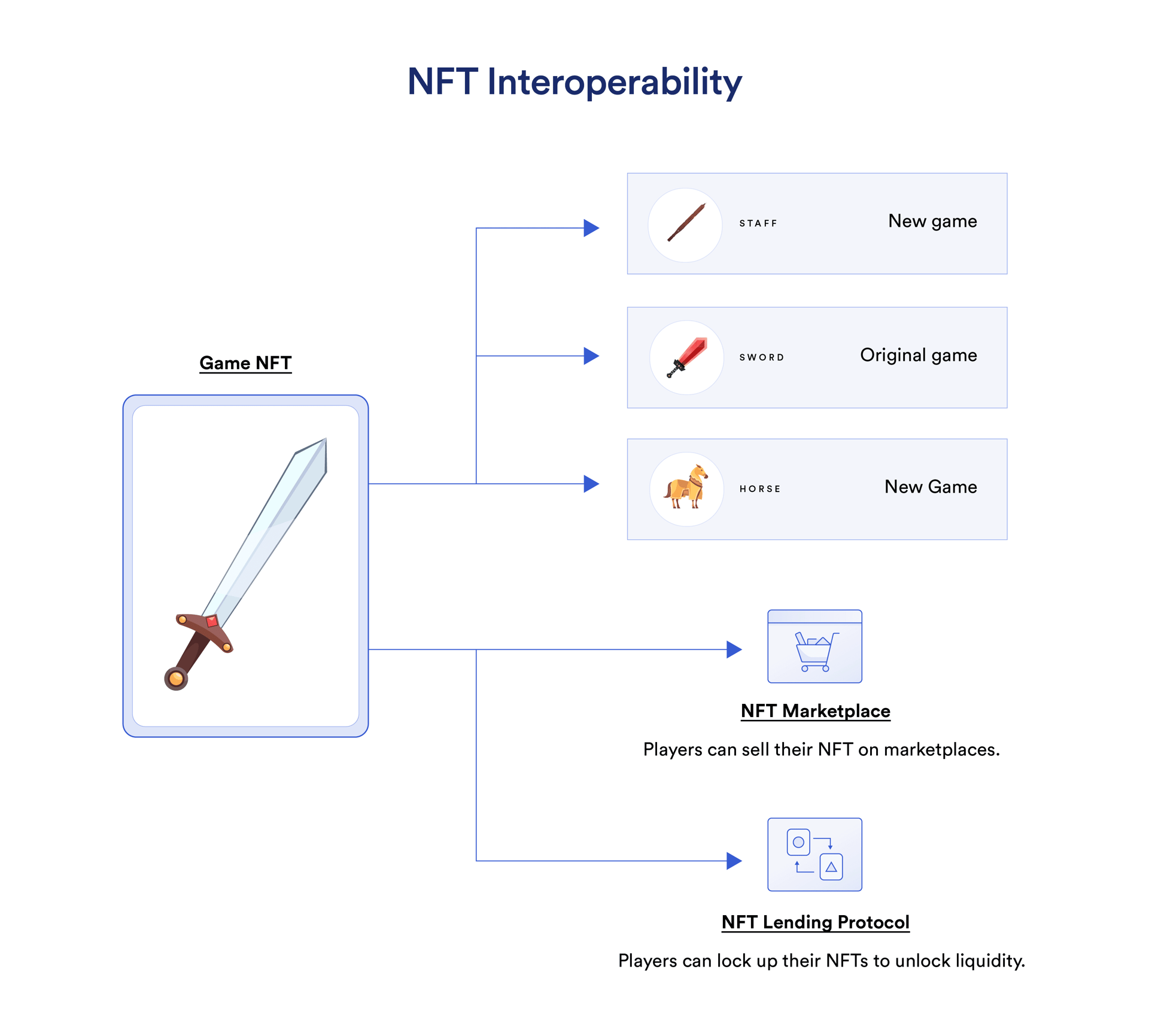
Early web3 gaming pitched a future where players could carry assets—characters, weapons, cosmetics—across multiple games. In theory, this sounds transformative. In practice, it's extraordinarily difficult to execute both technically and creatively. Even in traditional gaming, porting assets between titles is rare and limited.
In web3, the reality has been less about moving functional assets between games and more about carrying proof of ownership or reputation through a shared digital identity layer. This form of interoperability might still have potential as on-chain metadata and identity systems mature. But it doesn't match what players expected when they first heard the pitch. The promise was overstated. The execution hasn't caught up.
Challenges and Realities of Web3 Gaming
Economic Challenges in Player-Owned Ecosystems
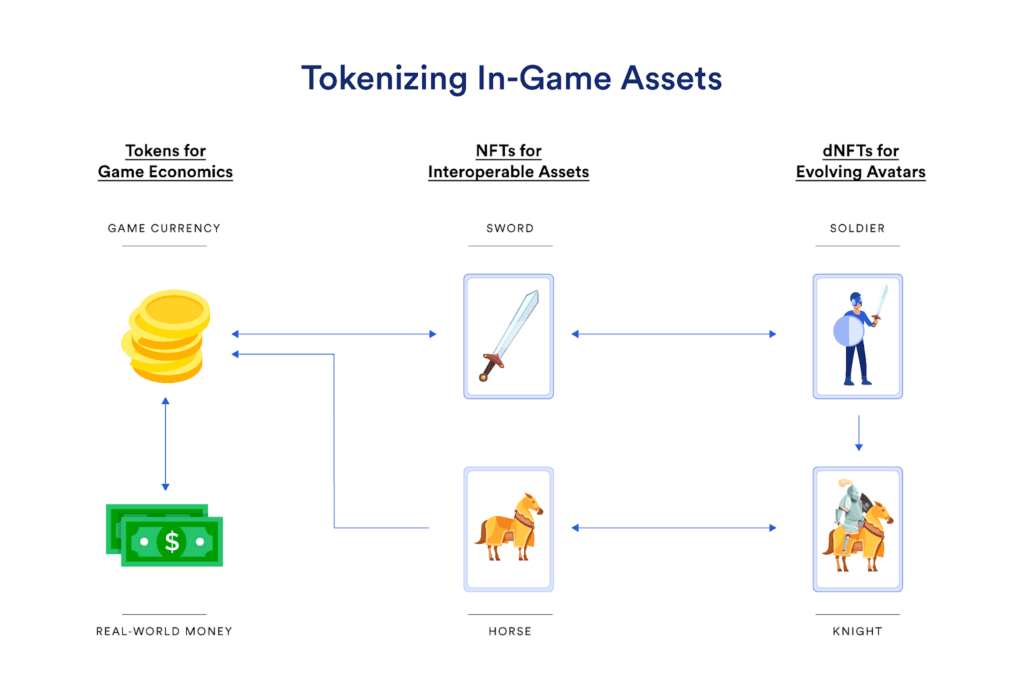
Fair player economies were another central pillar of web3 gaming's pitch. The idea: let all players contribute to and benefit from a game's success through tokenized systems. But designing a sustainable in-game economy turned out to be far more complex than anticipated. Many projects launched tokens without understanding the economic dynamics required to support long-term growth.
Problems surfaced quickly around token sinks, utility, and market demand. Game developers found themselves acting as central bankers, managing inflation, adjusting incentives, and balancing gameplay with financial systems. This often pulled focus away from the core work of building enjoyable, engaging games.
Challenges and Realities of Web3 Gaming
The Rise of Expectation Debt
One of the more difficult cultural shifts web3 gaming introduced was the concept of "forever utility." Players who bought NFTs or tokens early in a project often expected lifelong benefits, passive rewards, and continued value growth. These expectations were reinforced by how projects marketed their assets—promising real estate-like appreciation, lifetime access, and ongoing perks.
This created what some call "expectation debt." Developers weren't just building games. They were managing the evolving demands of early supporters who felt entitled to perpetual benefits. Balancing the needs of existing holders with the need to attract new users and generate revenue became a recurring tension. Projects found themselves constrained by earlier promises that were difficult to fulfill as circumstances changed.
Challenges and Realities of Web3 Gaming
What Remains Worthwhile
Despite these challenges, Payton remains committed to the underlying potential of web3 in gaming. There's still value in the idea of ownership, provided it's real and functional rather than symbolic. The ability to prove ownership, origin, and participation on-chain remains relevant, especially in a digital age where authenticity matters more than ever.
The fundamental building blocks of web3—transparent systems, community participation, and verifiable digital identity—are still worth exploring and refining. While the early hype around web3 gaming has faded, the search for a better model continues. The technology is still in place. The community remains engaged. And there are valuable lessons to carry forward.