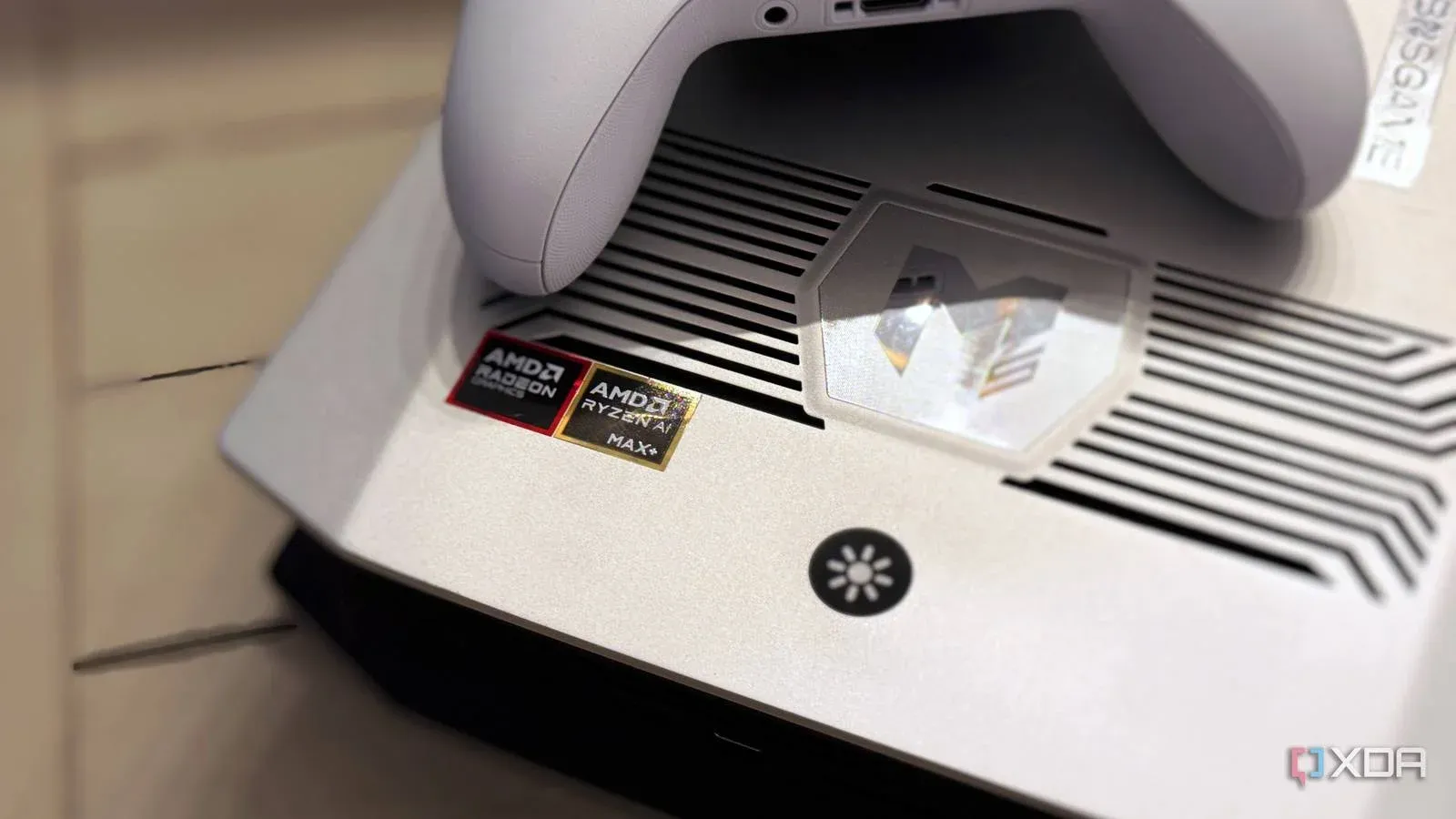


A $688 SteamOS mini PC has surfaced on Taobao, and the spec sheet reads like someone asked an AI to build the perfect Steam Machine without checking whether any of it was physically possible.
The listing, originally flagged by Reddit user kaldeqca in the r/steammachine community, advertises a compact white cube running SteamOS with an AMD RX 6750 GRE GPU, 16GB DDR5 RAM, a 2TB SSD, and an R5 5500 CPU, all for 4,680 RMB (roughly $688). At a time when Valve's own Steam Machine starts at $1,049 partly because of RAM pricing pressures, that number alone should set off alarm bells.

Use code TRYHARD33 at checkout to redeem this offer before code expires again.
Get 33% Off GAMES+ Subscription
The spec sheet that cannot exist
Here's the thing: the AMD Ryzen 5 5500 does not support DDR5 memory. Full stop. The chip is built on the older AM4 platform, which is DDR4 only. Pairing it with DDR5 is not a budget shortcut or a regional variation. It is a hardware impossibility.
That single contradiction tells you most of what you need to know about the accuracy of this listing. But the GPU claim is arguably even more absurd. The RX 6750 GRE is a full-size discrete graphics card. The white shell in the listing appears to be based on the CHUWI UBox form factor, a chassis that runs well under one litre in volume. There is no discrete version of the RX 6750 GRE, and there is certainly no sub-litre case that could house one.
What's probably actually inside
Strip away the impossible spec claims and you're left with a more mundane reality. The most optimistic interpretation is that this box ships with a mobile APU, something in the ballpark of a mid-range AMD Radeon integrated graphics solution, and DDR4 RAM dressed up with DDR5 branding in the listing. Performance-wise, that puts it roughly in Steam Deck OLED territory at best.
The retailer situation makes this stranger still. Taobao has a documented history of sellers creating listings for products that don't exist yet, then scrambling to source parts and manufacture after orders come in. The working theory here is that whoever built this listing fed a prompt into an AI, grabbed a plausible-sounding spec sheet, matched it to a form factor they liked, and posted it live. Whether they'll attempt to fulfil orders with whatever hardware they can actually source is an open question.
The Steam Machine context that makes this interesting
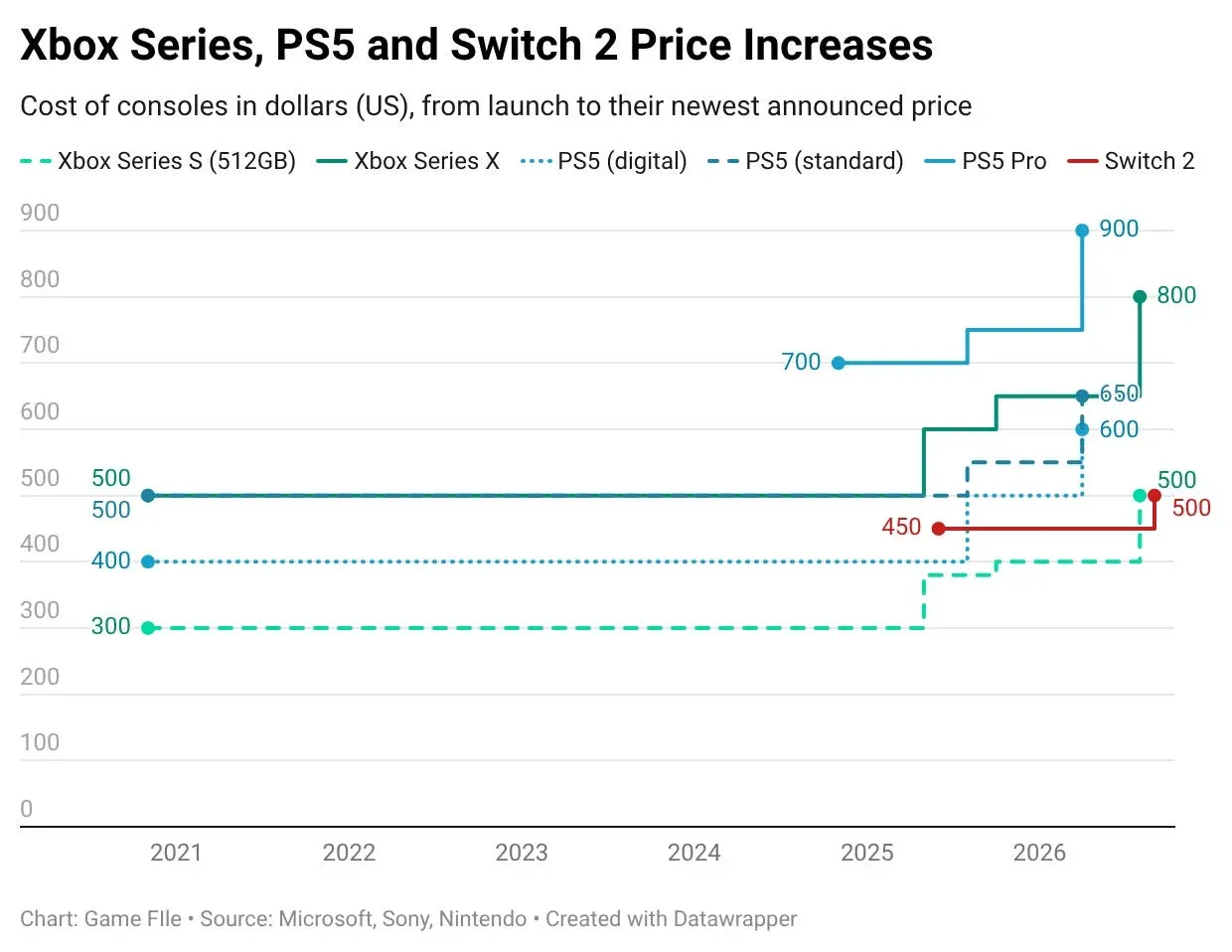
The timing matters. Valve's Steam Machine launched at $1,049, a price point that engineers have publicly attributed to RAM supplier pricing power. Valve reportedly wanted the hardware cheaper but had limited negotiating leverage with memory manufacturers. That pricing frustration created an obvious opening in the market for anyone willing to undercut it, even dishonestly.
A $688 SteamOS box, if it actually worked as advertised, would represent a significant gap below Valve's entry price. The fact that someone is already trying to exploit that gap with a misleading listing says something about how much appetite exists for a more affordable SteamOS device. The Steam Machine has barely shipped its first wave and scalpers are already listing units above $3,000. The demand signal is loud.
For gamers who want to understand how platform-specific features and regional hardware restrictions work in practice, our guide on Valve's CS2 X-Ray Scanner changes in Germany is a good example of how Valve handles hardware and software constraints differently across markets.
What a real $688 SteamOS mini PC would look like
For context, a legitimate mini PC at that price point running a mobile AMD APU and SteamOS would be a real product worth considering. Devices like the Ayaneo Mini PC AM02 show what a compact SteamOS-capable machine can do with proper hardware. The key here is that honest specs at $688 could still represent decent value for a living room gaming box, just not the one being advertised.
The problem is that this listing doesn't give buyers any honest foundation to evaluate. The CPU is real. The price exists. Everything else is either physically impossible or deeply implausible given the form factor. If the seller does ship something, buyers have no way of knowing what APU is actually inside, what RAM speed they're getting, or whether the storage capacity matches the listing.
For gaming hardware news and analysis, check out our gaming guides for deeper breakdowns on the hardware and software decisions that actually affect how you play. And if you want to see how other deceptive-looking in-game systems actually work once you dig in, the Slay the Spire 2 Fake Merchant boss guide is a solid reminder that sometimes the suspicious-looking thing turns out to be worth investigating.