

Two solid metroidvanias dropped on Steam this past week, and there's a real chance you heard nothing about either of them. That's the story right now for one of indie gaming's most beloved genres.
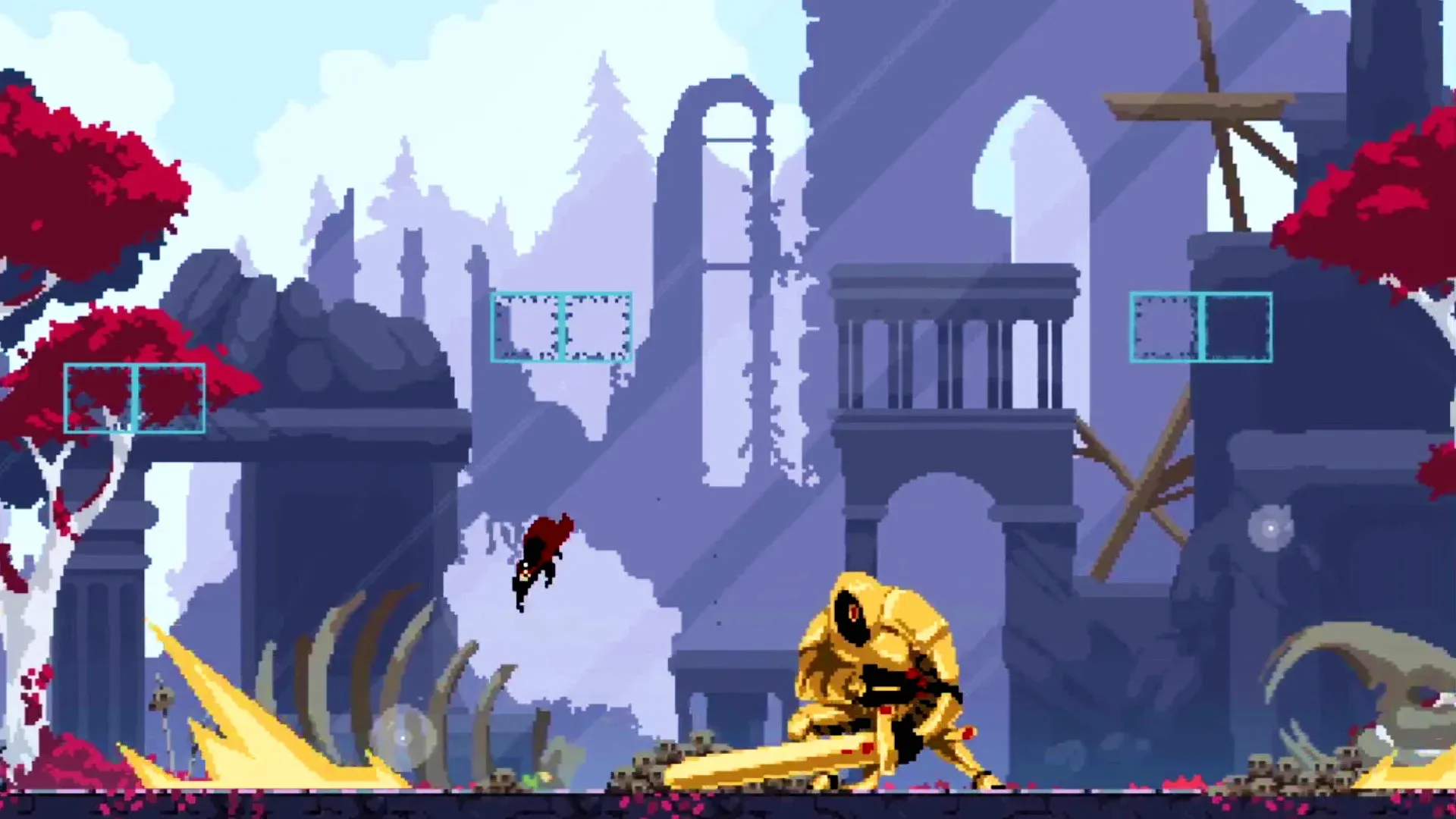
Clockwork Ambrosia, developed by Realmsoft, and Shattered Divinities, a Chinese-developed fantasy platformer, both arrived in the week ending May 17. Both look genuinely good. Both landed with a near-total absence of discourse. The conversation was elsewhere, absorbed by Subnautica 2's early access launch and the ongoing Mixtape culture war cycle.
Use code TRYHARD33 at checkout to redeem this offer before code expires again.
Get 33% Off GAMES+ Subscription
What makes Clockwork Ambrosia worth your time
Clockwork Ambrosia is the easier of the two to talk about because it has a clear identity. The pixel art carries the kind of lovingly detailed work you'd associate with Iconoclasts or Owl Boy, blending chrome-hued sci-fi with steampunk cheerfulness in a way that feels genuinely distinct. The game borrows its gun-centric combat from Mega Man but layers on a substantial weapon modding system across four main weapons, each tweakable with add-ons found throughout the world.
The loot matters here. Every chest tends to contain something that actually changes how you play, whether that's a mod that fires missiles vertically instead of horizontally, or one that splits pulse rifle projectiles into three. Before boss encounters, fiddling with your loadout becomes its own satisfying puzzle, which draws comparisons to Armored Core more than anything else in the genre.
Here's the thing: Realmsoft launched the Clockwork Ambrosia Kickstarter back in 2018. At that point, the metroidvania was thriving. Axiom Verge, Hollow Knight, Guacamelee, Ori, and Chasm were all generating real momentum for the genre. A polished, visually striking entry would have looked like a guaranteed winner. Seven years later, the genre's cultural moment has passed, and the game is launching into a very different environment.
The numbers behind the genre's decline
The data from Steam's weekly seller charts tells a pretty stark story. In 2026, not a single metroidvania has cracked Steam's Weekly Seller chart, with one exception: Hollow Knight: Silksong back in January. The last few entries that managed to break into the top 50 were a small group:
Animal Well debuting at 10 is the outlier, and that came with significant pre-release coverage. The rest barely registered. Meanwhile, MIO: Memories in Orbit and the Grime sequel also released this year to minimal buzz, despite sitting alongside Clockwork Ambrosia as some of the best work in the genre in years. MIO in particular has an art style that would have marketed itself during the genre's peak years.
For comparison, this week's Steam top sellers were led by Counter-Strike 2, with Forza Horizon 6 pre-sales at number 2, Subnautica 2 at 4, and Far Far West at 7. The top 10 had no room for either metroidvania release, and realistically, nobody expected it to.
Genre cycles and the indie timing problem
This isn't unique to metroidvanias. The roguelike survivor wave that Vampire Survivors sparked has already reached the point where new entries barely register unless they have serious visual distinction. The King's Field-like revival currently generating heat will almost certainly cool. Retail sim games keep coming despite showing clear signs of market saturation.
What makes the metroidvania situation feel sharper is the development timeline problem. A studio that read the market correctly in 2018 and built exactly the right kind of game could spend seven years doing everything right and arrive to find the conversation has completely moved on. That's not a failure of craft. It's a structural problem with how long ambitious indie games take to make.
Predicting genre fatigue nearly a decade before release isn't a realistic ask. Modern indie development is still young enough that these long patterns remain genuinely unpredictable, and the tools to measure them in real time barely exist.
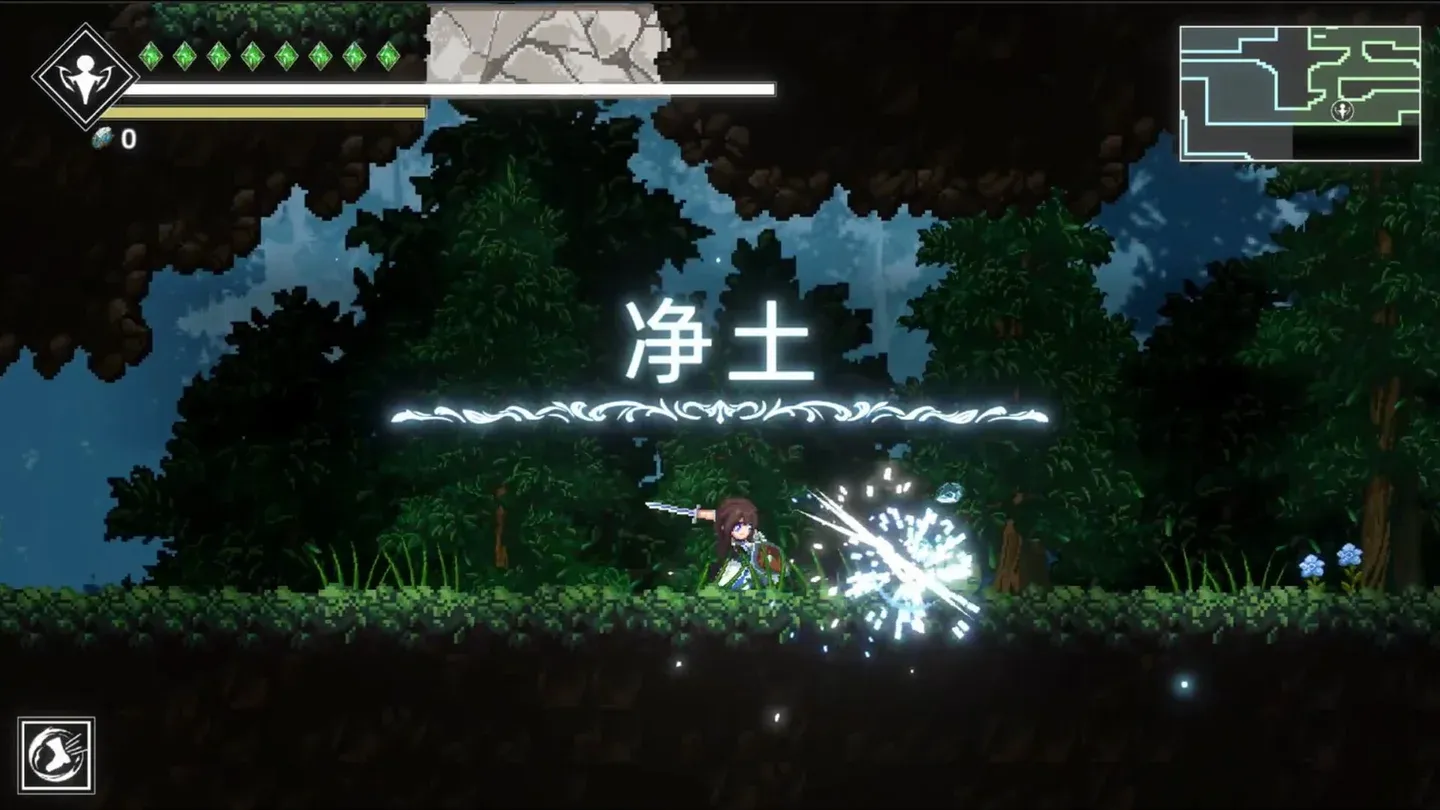
Shattered Divinities world map
The genre still produces excellent games. The audience for them hasn't disappeared. What's gone is the moment when a new metroidvania could generate the kind of ambient excitement that carried Hollow Knight from word of mouth to cultural phenomenon. That window closed, and it's not clear when, or whether, it reopens.
For a closer look at the games mentioned here, check out our game reviews for coverage of the latest indie releases. If you want to get the most out of any of these titles, our gaming guides have you covered as the year's hidden gems start getting the attention they deserve.