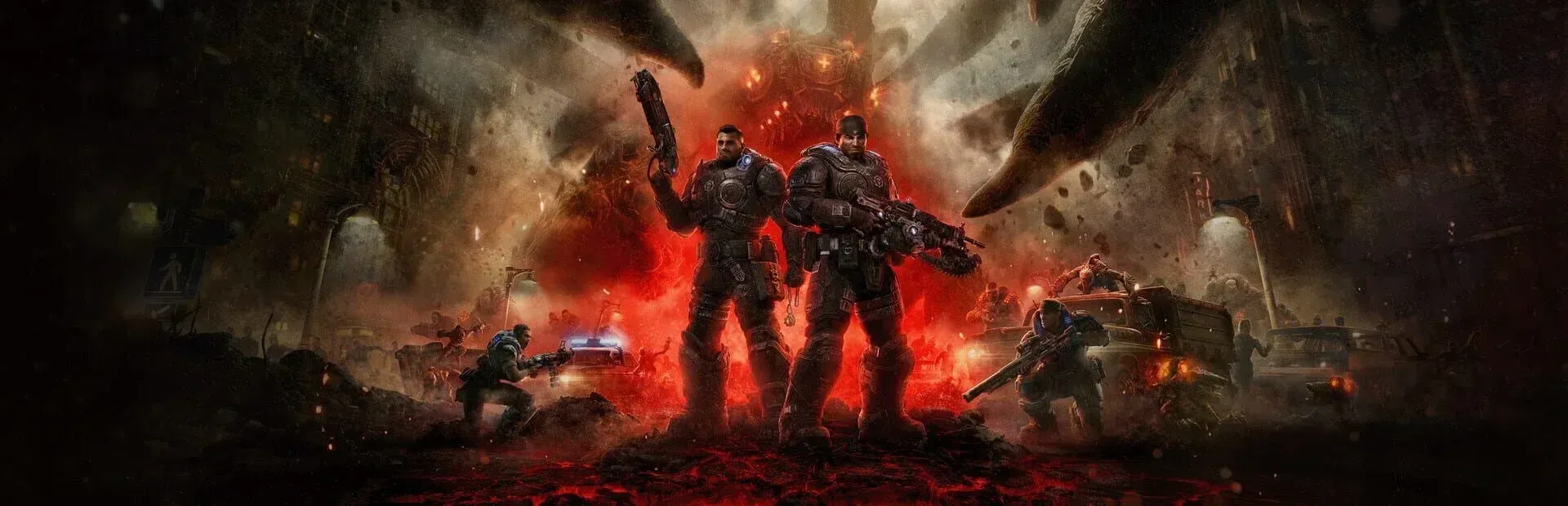


The Coalition has pulled off something genuinely clever with Xbox Series S, and it could have real implications for every big first-party Xbox game still in the pipeline.
Gears of War: E-Day runs on densely-detailed environments that demand a lot from system memory. That's a problem on Series S, which ships with 10GB of GDDR6 RAM shared between the CPU and GPU. For a game this visually loaded, that memory pool fills up fast.
The SSD-as-RAM trick explained
The Coalition's solution, co-developed with Xbox's Advanced Technology Group, was to treat the console's ultra-fast NVMe SSD as a secondary memory tier. The idea: offload idle asset data from RAM onto the SSD, then pull it back into RAM the moment the engine needs it. The trade-off is a couple of gigabytes of storage space on the drive, but the return is approximately 1GB of extra usable system memory.
Here's the thing, that's not a trivial gain on a console where every megabyte counts.
The system doesn't just blindly shuffle data around. It uses advanced heuristics to analyze access patterns, keeping frequently-used assets in RAM and pushing idle data to the SSD. Frequently-used data stays warm in RAM, and anything sitting idle gets moved to the slower (but still very fast) NVMe until it's needed again. The engine handles the swap transparently, so the game keeps streaming assets without hitching.
Why this matters beyond one game
The technique isn't entirely without precedent. Mac devices running Apple Silicon have long done something similar with unified memory architecture, using fast storage as overflow when RAM pressure spikes. But applying this approach to a console game engine, especially one running a title as visually demanding as Gears of War: E-Day, is a meaningful engineering step.
The timing matters. Large open-world titles are approaching the Xbox platform, and the current console generation is showing signs of lasting longer than originally projected, partly due to ongoing memory shortages affecting the broader hardware market. If Series S is going to keep receiving parity releases alongside Series X, studios will need every trick available to close the performance gap.
The Coalition also invested in other engine improvements during E-Day's development, including an overhaul of the gore and dismemberment systems. The studio felt players had become desensitised to the series' signature violence, so they rebuilt those systems from the ground up. It's a separate achievement, but it points to a studio that pushed hard on multiple technical fronts simultaneously.
The bigger picture for Xbox Series S
For players on Series S, this is good news in a straightforward way: the game runs well on hardware that, on paper, shouldn't be able to handle it at this fidelity level. What most players miss is that the real story here isn't just about one game looking good. It's about whether this SSD memory technique becomes a standard tool in the Xbox development toolkit.
If other studios adopt similar approaches, Series S owners could see better performance across the board as the generation stretches into its later years. The key here is that the solution came from a first-party studio working directly with Microsoft's own tech team, which puts it in a strong position to be shared.
For everything happening around the game's launch, the Gears of War: E-Day beta guide covers access requirements, timing, and what to expect before the full release drops.