

A free indie platformer that had been sitting quietly on Steam since 2018 just picked up over 500 new reviews, almost none of them actually about the game itself.
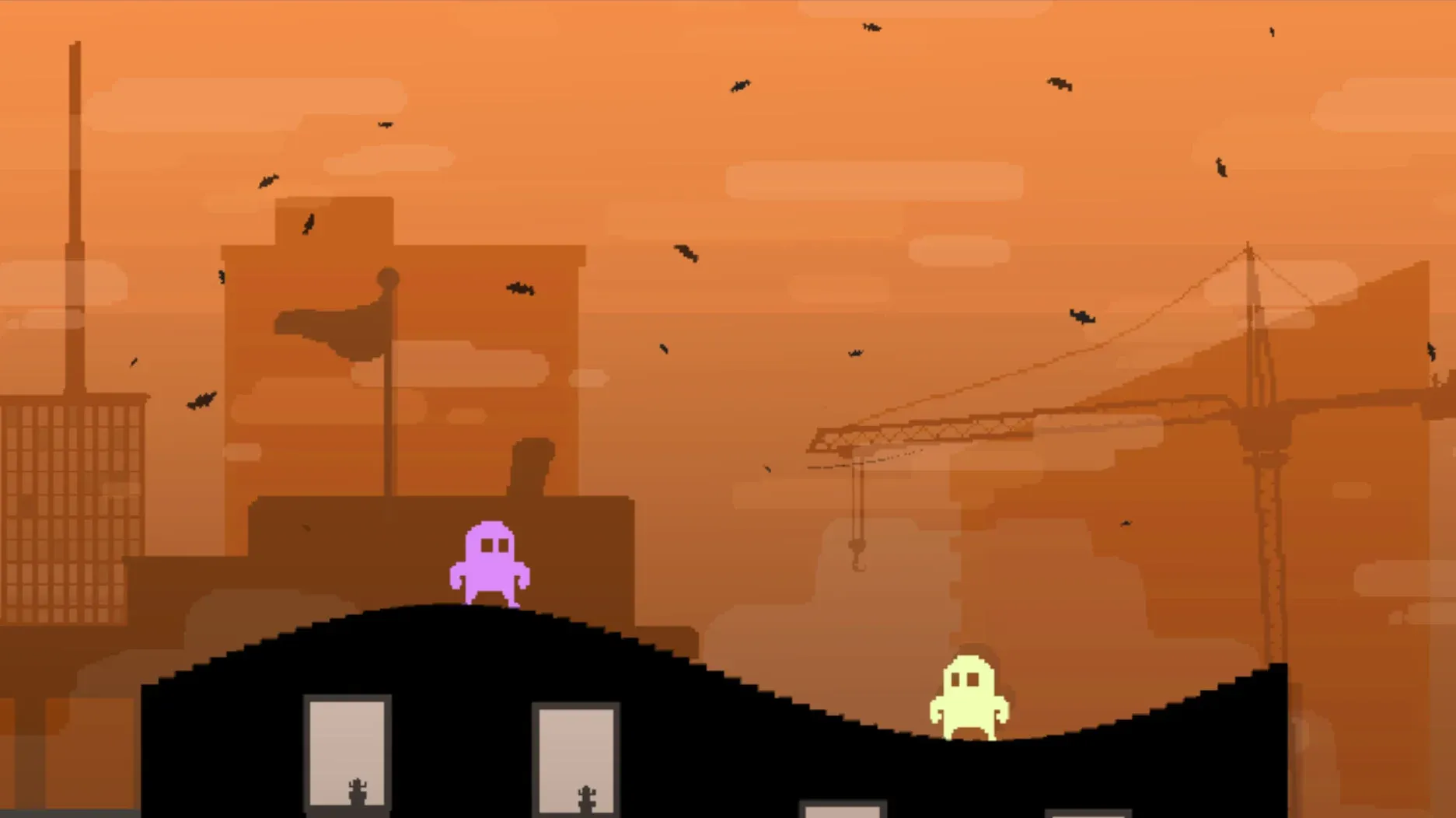
The game is Crashphalt, a 4-player competitive platformer made by indie developer RetroSpecter early in their career. The concept is straightforward: players use a ground pound move to send shockwaves across the terrain and knock opponents off the stage. It released in 2018, picked up around 10 reviews, and then largely faded into the background as RetroSpecter moved on to other projects.
Here's the thing: RetroSpecter still checked in on the Steam page occasionally, just to see if anyone was playing. A few months ago, that routine check turned into something much stranger.

Use code TRYHARD33 at checkout to redeem this offer before code expires again.
Get 33% Off GAMES+ Subscription
From 10 reviews to 500 overnight
The review count had exploded. Crashphalt now sits at over 500 reviews marked "overwhelmingly positive," which sounds great until you actually read them. The vast majority reference Undertale, not Crashphalt. Jokes, memes, and callbacks to Toby Fox's 2015 RPG filled the page, with players barely mentioning the platformer they had technically just reviewed.
RetroSpecter shared the full story on the IndieDev subreddit, walking through exactly how this happened. The answer comes down to a clever workaround in the Undertale modding community.
The Remote Play exploit powering Undertale Together
Undertale Together is a co-op mod that lets two players run through Undertale side by side. The catch is that Undertale itself has no native Steam Remote Play support. To get around that, some players found a workaround: download a game that does support Remote Play, copy its files into the Undertale install folder, and the Remote Play functionality carries over.
Crashphalt supports Remote Play. Crashphalt is also free. That combination made it the go-to recommendation in tutorial threads, and the traffic followed.
"I dunno why they chose Crashphalt," RetroSpecter wrote. "The only requirement for the hack is that the game has Remote Play enabled, and I guess it does help that Crashphalt is free. But I imagine there are tons of games that fit that bill. Crashphalt was just the lucky game chosen for the honor."
The same trick works for Deltarune, Undertale's follow-up, which has its own co-op mod. That doubled the exposure for Crashphalt, sending a second wave of players to a game that had been dormant for the better part of a decade.
RetroSpecter's reaction
One Steam review asked how the developer must feel knowing "literally no one cares about their game and only use it to mod other games." RetroSpecter's answer was surprisingly warm about the whole situation.
"Undertale came out around the same time I was getting into game dev, and was incredibly inspiring to me," they wrote. "So I think it's really cool that it's found a way to impact the community even if in a small way and act as a way for friends to play the game together."
The developer added that as long as Steam doesn't take issue with how Crashphalt is being used, they're happy for players to keep using it to fight Sans with friends.
What most players miss in stories like this is how much the modding community quietly shapes which games survive long-term. Crashphalt wasn't designed to be infrastructure for another game's multiplayer workaround, but that's exactly what it became. The mod community's creativity around titles like Undertale and Deltarune keeps driving interest in unexpected directions, and if you want a sense of just how deep that rabbit hole goes, our gaming guides cover everything from mod installation to tier lists across dozens of titles.
For players curious about how mods work across other indie titles, the Paralives mod installation guide is a solid starting point for understanding how community-built tools slot into games that support them natively. And if you want to see the same kind of community creativity applied to a game built around modding from day one, the Hytale mods tier list breaks down which ones are actually worth your time.
RetroSpecter's story is a reminder that on Steam, a game is never really finished. It just waits for the right community to find a use for it.