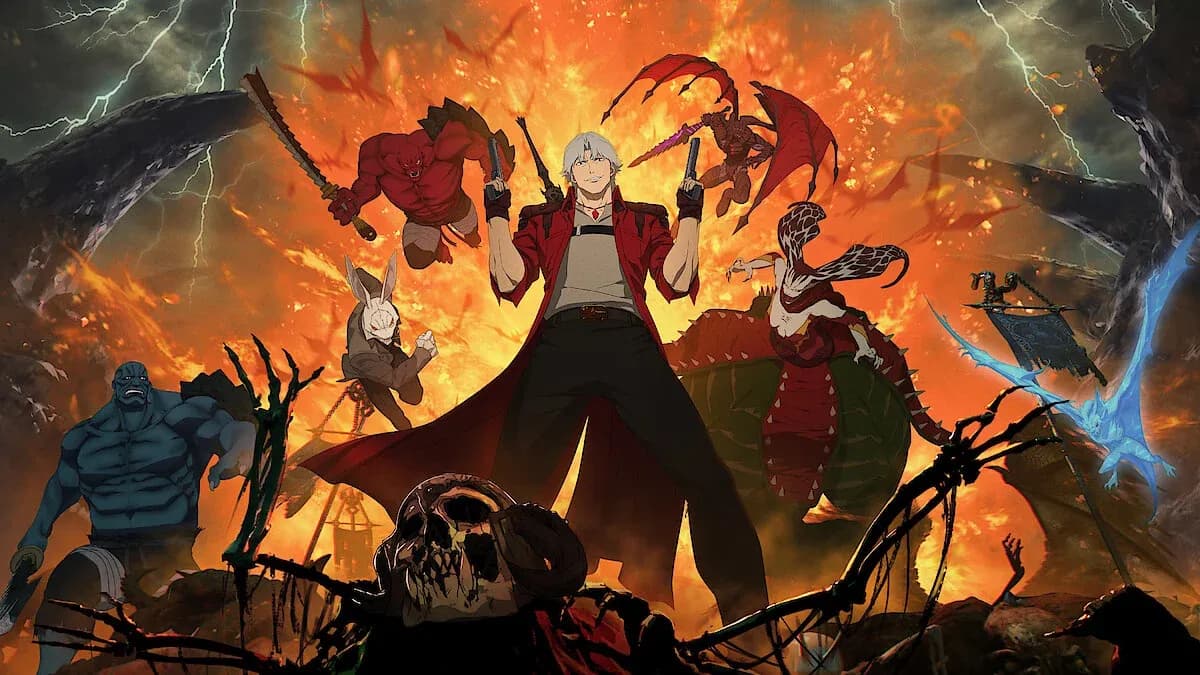

Showrunner Adi Shankar made a bold promise ahead of season two's debut: "Season 2 is a vvvvveryyyyy different show." For fans of the Devil May Cry 5 games who felt the first season occasionally shortchanged Dante, that statement carries a lot of weight. Here's the good news: season two largely delivers on it.
The first season pulled in over 20 million viewing hours in its opening week on Netflix, which made a renewal feel inevitable. But critical enthusiasm and fan enthusiasm don't always overlap, and longtime Capcom devotees were split on how the show handled its lead. Season two addresses that head-on.
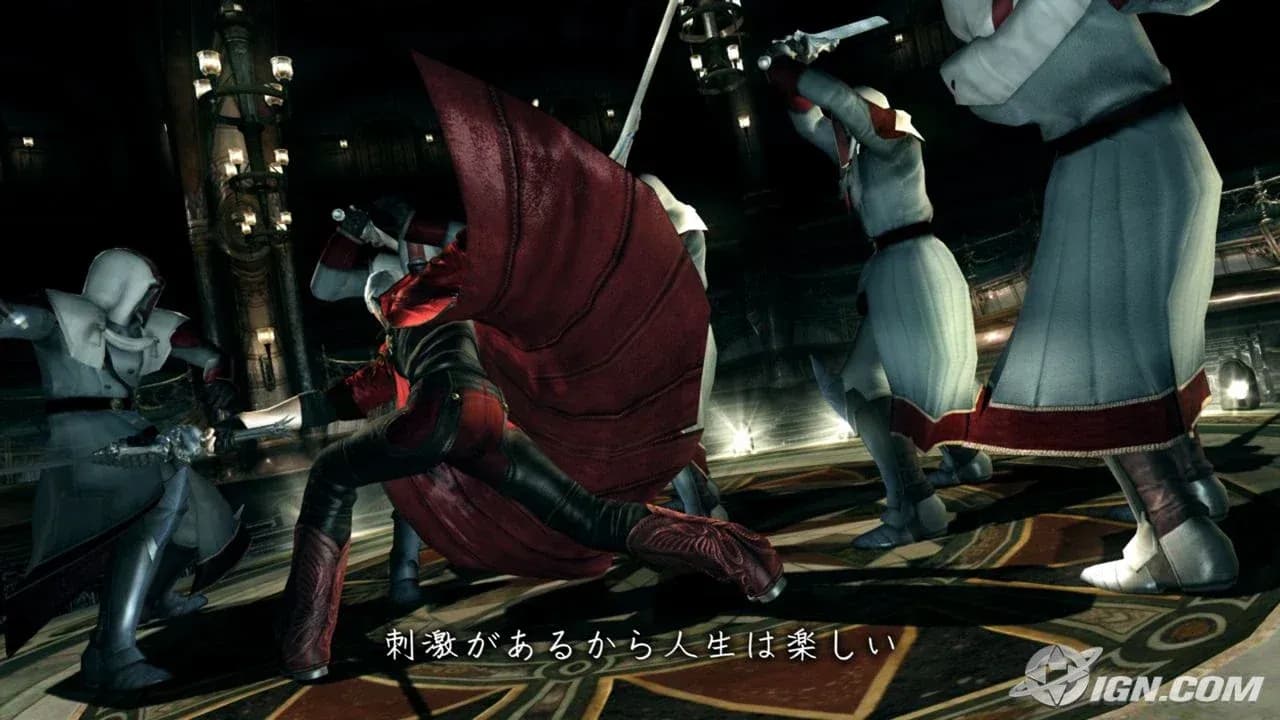
Dante's iconic dual pistols
What season one got wrong (and season two fixes)
The core complaint from game fans was simple: Dante felt nerfed. The "Wacky WooHoo Pizza Man" energy was present, but the raw power and swagger that defines the character across 25 years of hack and slash games was often missing. Shankar acknowledged this directly, promising fans that Dante "will level up" and "embrace more of the iconic badassery fans of the game expect."
Season two makes good on that. There is a scene early in the run where Lady and Nell Goldstein watch Dante flip his pistols into the air, reloading them with physics that could only exist in a video game. It is a deliberate signal to the audience: this version of Dante knows who he is, and the show does too. Fewer scenes like that follow, which is actually a good thing. The show stops trying to prove Dante is cool and just lets him be cool.
The premiere does take a risk by keeping Dante almost entirely off screen while Operation Inferno, the President's plan to literally invade and colonise Hell, plays out around Lady. The flaws of season one feel sharper in his absence, with some dialogue that reads like a noughties throwback in the least flattering sense. But Dante's return, red coat and white mane and all, snaps the show back into focus immediately.
Vergil changes everything
The key here is Vergil. Voiced by Robbie Daymond, he arrives as an agent of villain King Mundus and brings with him the kind of sibling rivalry that actually hurts to watch. Multiple flashbacks dig into the shared trauma between the brothers, both still processing the loss of their mother, both convinced they were the one she loved more.
It is not subtle. Child versions of Dante and Vergil play-fight in their signature red and blue, just in case the symbolism was unclear. But there is a genuine emotional throughline running through season two that season one never had, and it carries the show through its weaker moments. Watching these two argue over grief while simultaneously trying to kill each other is more compelling than any of the demon-fighting set pieces around it.
Johnny Yong Bosch and Daymond sell the dynamic completely. The voice cast across the board balances the show's frequently campy dialogue with the gravity that apocalyptic stakes demand, which is a harder trick than it sounds.
Noughties nostalgia done right
Season two leans hard into early 2000s energy, mining Korn, Papa Roach, and Evanescence for a soundtrack that is equal parts cheesy and genuinely exhilarating. The show's best sequence contains no dialogue at all, set entirely to Avril Lavigne's "Sk8er Boi." As Dante himself puts it at one point: "We work better with music."
The animators continue to experiment with visual styles, dropping into child-like scribbles or 90s anime aesthetics when the story calls for it. The craft is still there. What is also still there, unfortunately, is some genuinely corny writing. Lines like "Don't write, don't call... Long distance must be pricey from the demon realm" land with a thud. Shankar's previous work on Castlevania operated at a different level of sophistication, and the gap is still visible here.
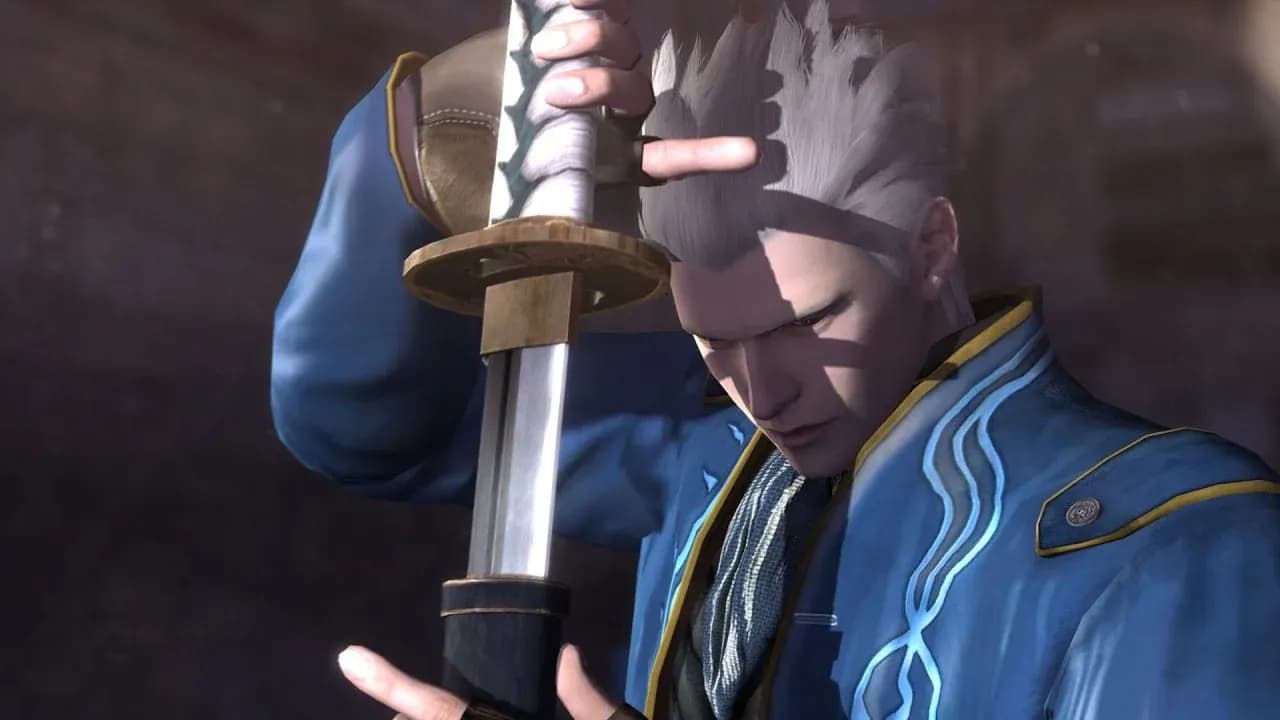
Vergil's Yamato in action
The story beats are also fairly predictable for anyone familiar with the franchise. What Dante needs to learn, and how he will learn it, rarely surprises. Shankar stated his goal was to capture the feeling of a 2000s film franchise entry "where the audience can't predict the next turn," but the emotional arc telegraphs itself early.
A more mature show, even when it is being silly
None of those flaws sink the season. Season two is a genuine improvement on what came before, more confident in its characters, more willing to let the emotional stakes breathe, and far more satisfying for fans who wanted to see Dante operating at something closer to his game-accurate power level.
The family drama grounding each fight scene in something real is what separates this from a standard action anime. That picture frame showing Dante, Vergil, and their mother, which closes out each episode, does more storytelling work than most of the dialogue around it.
A third season feels inevitable at this point, and for the first time, that prospect is genuinely exciting rather than just expected. If you want to go deeper into the source material while you wait, our Devil May Cry 5 strategy guides are a solid place to start understanding just how much mythology this show is drawing from.