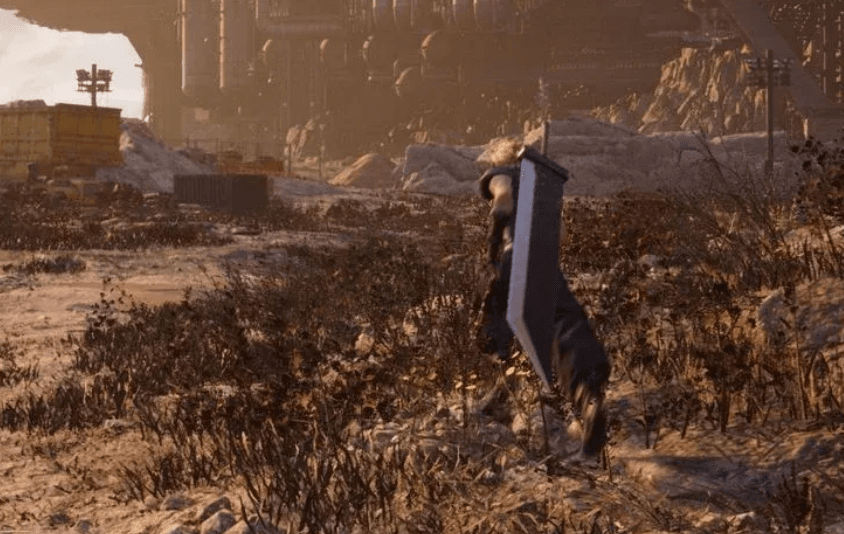


Naoki Hamaguchi has opened up about one of the more quietly significant design decisions in Final Fantasy 7 Revelation: every playable character gets exactly 4 jobs, full stop. For fans of Final Fantasy VII Rebirth who spent dozens of hours building out party configurations, that number might feel a little lean. Here's the thing, though: Hamaguchi's reasoning cuts right to the heart of what modern AAA development actually looks like.
Why 4 jobs per character is the honest answer to a hard question
The short version is that making games at this scale in 2026 is genuinely harder than it used to be. Hamaguchi has been candid about the development pressures the team faces, and the job cap is a direct result of having to look at available bandwidth and ask what's actually achievable without compromising quality.
The logic tracks. Each job isn't just a stat sheet swap. Every role requires unique animations, ability sets, visual effects, and balance passes across a full cast of characters. Multiply that by a larger number of jobs per character and you're not adding a little extra work, you're potentially doubling or tripling the scope of an already enormous project.
The broader development reality Hamaguchi is describing
This isn't the first time Hamaguchi has spoken honestly about the constraints shaping the trilogy's final chapter. He's previously discussed how the sheer volume of the original PS1 game made a trilogy the only realistic format, and how the FF7 Rebirth side quest density taught the team some hard lessons about pacing and player fatigue.
The 4-job cap fits that same pattern of making deliberate, scope-aware decisions. What most players miss is that this kind of constraint, when applied thoughtfully, often produces tighter, more distinct character identities. If Cloud, Tifa, Aerith, and the rest each have 4 carefully designed roles rather than 8 loosely sketched ones, the builds players construct actually mean something.
Hamaguchi has also been managing an unusually full plate lately, overseeing both Final Fantasy 7 Revelation's development and a crossover event with Final Fantasy 14 as part of the Evercold raid series. Original FF7 writer Kazushige Nojima is serving as story supervisor on that collaboration, which tells you the team isn't cutting corners on the narrative side even while managing scope elsewhere.
What this means for players heading into Revelation
Four jobs per character is still a meaningful number if each one is genuinely differentiated. The key here is whether Hamaguchi's team has used that constraint to push each role further rather than playing it safe. Given how much FF7 Rebirth expanded on Remake's combat foundation, there's good reason to expect Revelation pushes further still.
For players who want to get the most out of every party member before Revelation arrives, the FF7 Rebirth weapon abilities and character build guide is worth revisiting. Understanding how Rebirth's combat roles are structured gives useful context for how Revelation's job system might build on those foundations.
Hamaguchi has stated he is serious about concluding the trilogy with Revelation's ending, with any post-launch DLC focused on untold stories rather than extending the main narrative. That commitment to a clean finish suggests the job system, like everything else in the game, has been designed with the ending in mind. The team is building toward something specific, and 4 jobs per character is part of that calculation.
If you're new to the series or want a refresher before Revelation drops, the Final Fantasy VII Rebirth beginner's guide covers the combat system and party mechanics that Revelation will be building on.