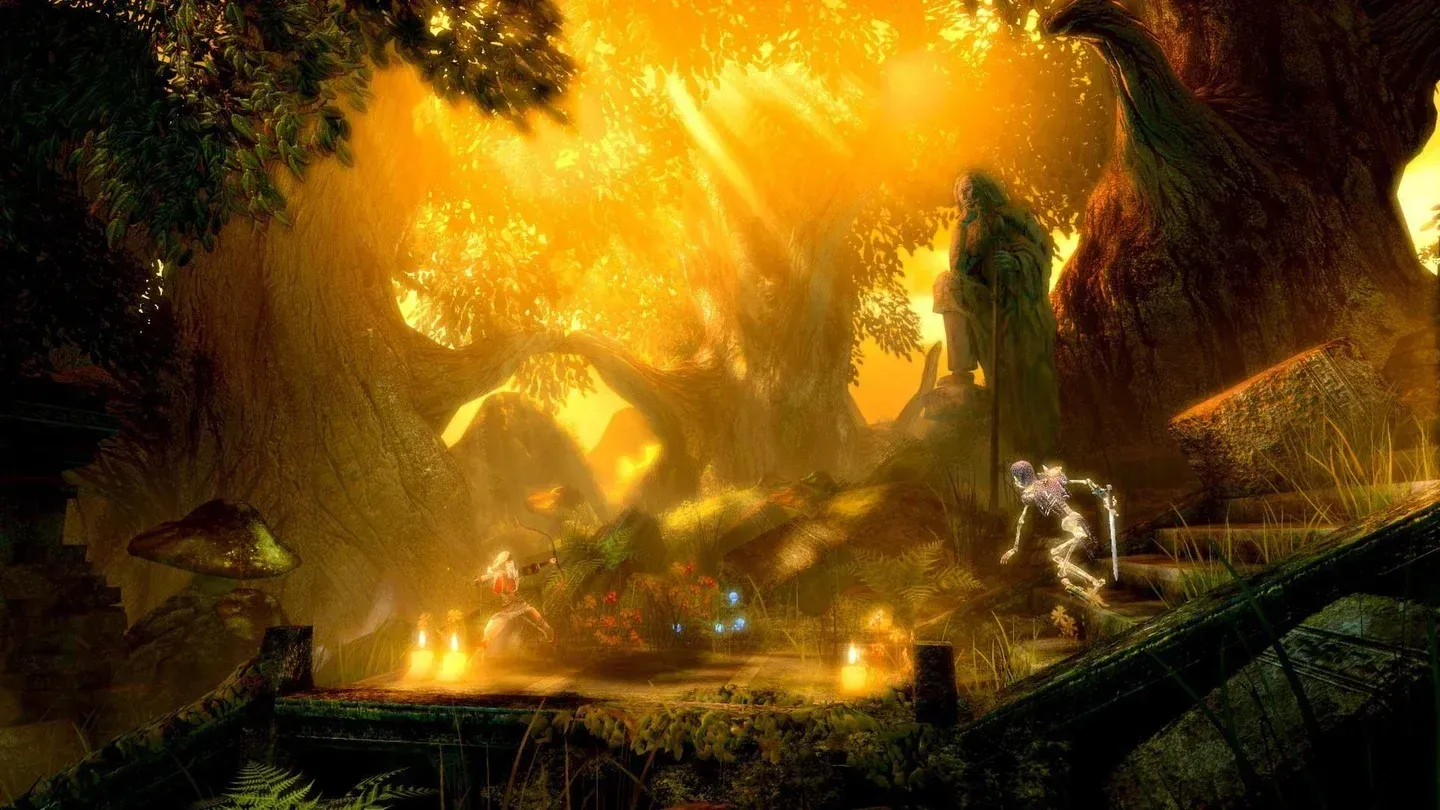


Try Palia before buying a farming-and-town-life game, We Were Here before paying for a cooperative puzzle campaign, or Alien Swarm: Reactive Drop when your group wants mission-based shooting without buying copies.
A free alternative is useful only if it preserves the activity you want. These pairings compare a paid game with a free core release, while explaining the differences in progression, multiplayer, and optional spending. None is presented as an identical substitute.

Use code TRYHARD33 at checkout to redeem this offer before code expires again.
Get 33% Off GAMES+ Subscription
Stardew Valley versus Palia: Paid Farm or Free Online Life Sim
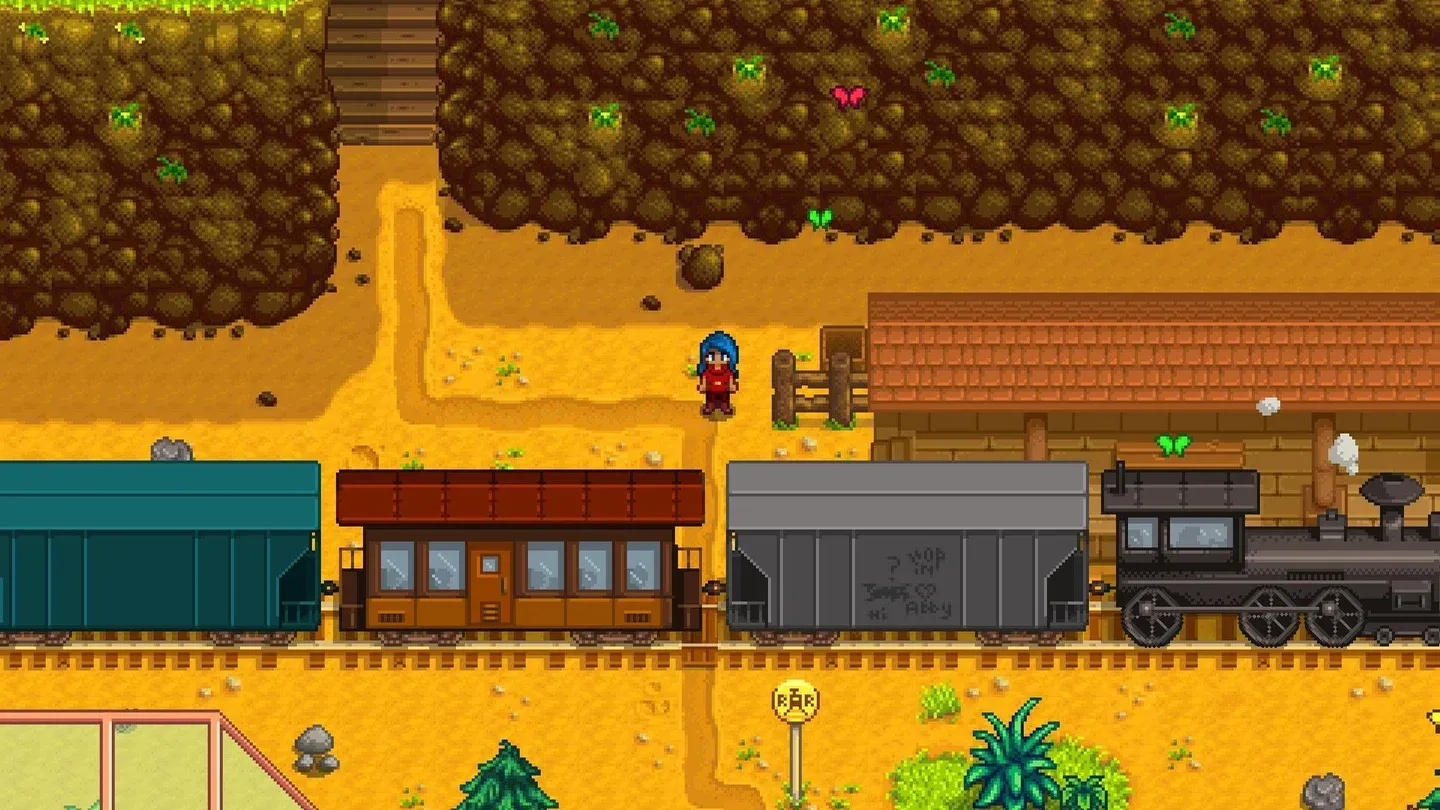
Both give gathering, crafting, and a home a place in your routine. Choose Stardew Valley if you want its particular farm-and-town structure and the option to focus on a personal save. Choose Palia if a free online world and social encounters are the attraction.
Palia is a free base game with optional purchases , not free Stardew Valley. Its online structure and systems create different expectations about connection and progression. Try the free loop first, then buy Stardew only if its distinct format is what you are missing.
Portal 2 versus We Were Here: Paid Campaign or Free Pilot
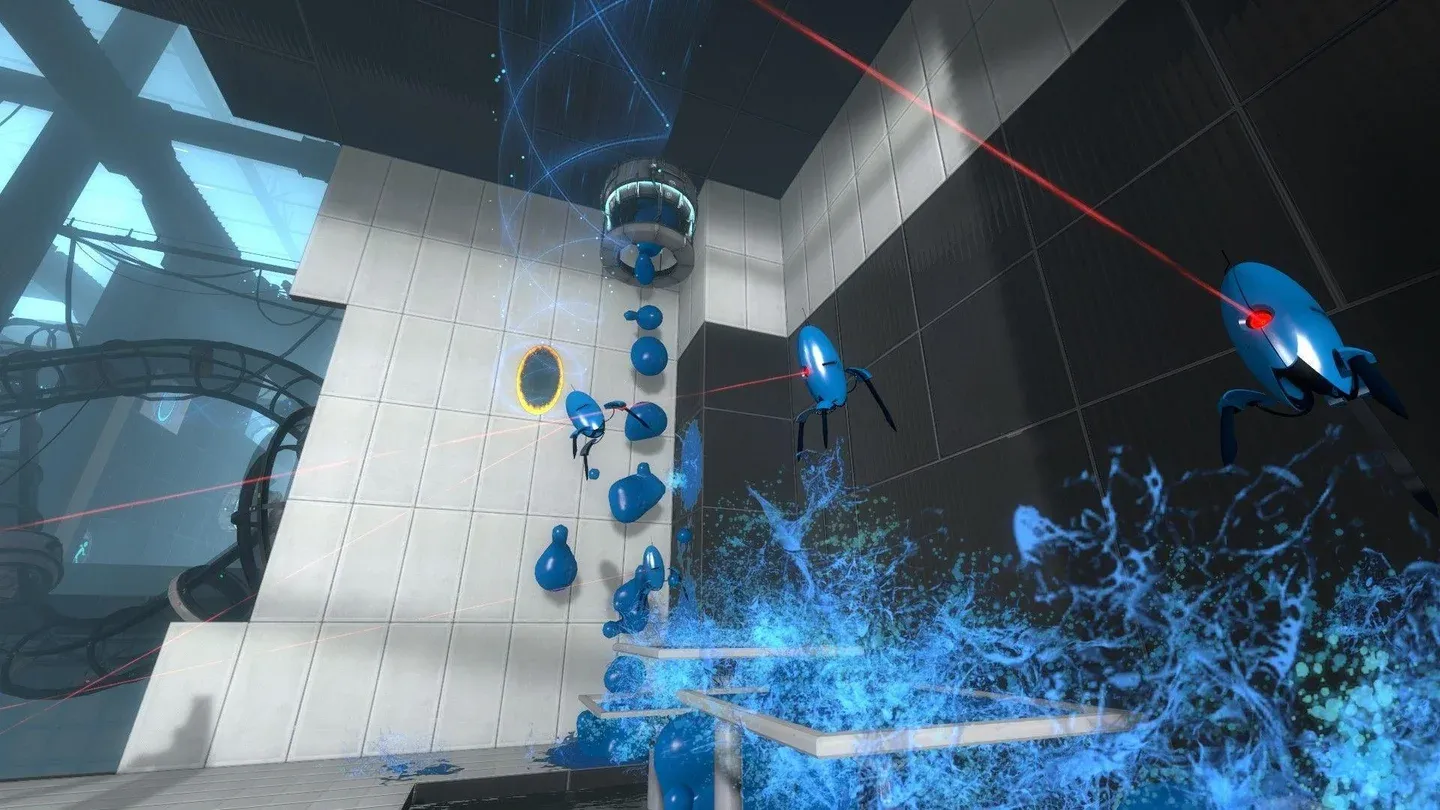
Both can make conversation the main tool in a two-person puzzle session. Portal 2 asks you to manipulate portals in a shared problem; We Were Here places players in different situations whose information has to be described aloud.
The original We Were Here is a free standalone pilot, while later games in the series are separate purchases. A microphone and compatible hardware are practical requirements, not optional polish. Choose Portal 2 when its longer directed co-op campaign and portal mechanics justify paying.
Deep Rock Galactic versus Alien Swarm: Reactive Drop
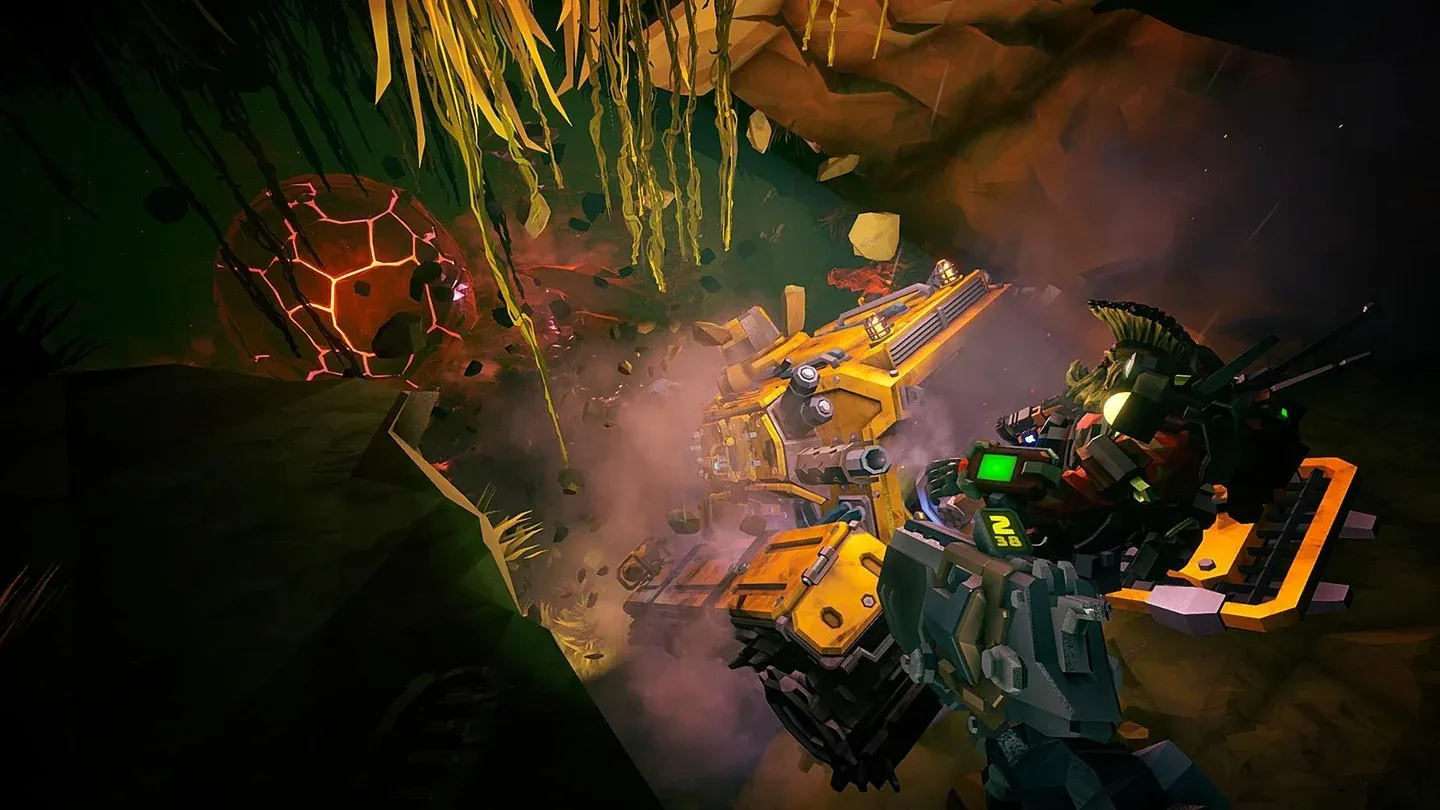
Both give a group a mission and a reason to coordinate roles under combat pressure. Alien Swarm: Reactive Drop's top-down action provides free access for a larger squad, while Deep Rock Galactic centers on mining, class traversal tools, and first-person cave expeditions.
They differ in camera angle, mission structure, and progression. Do not buy Deep Rock merely to obtain something Alien Swarm supposedly lacks , decide whether mining and its class tools are the activity you want. Compare native lobby capacity before the whole group purchases copies.
A Paid Management Game versus OpenTTD
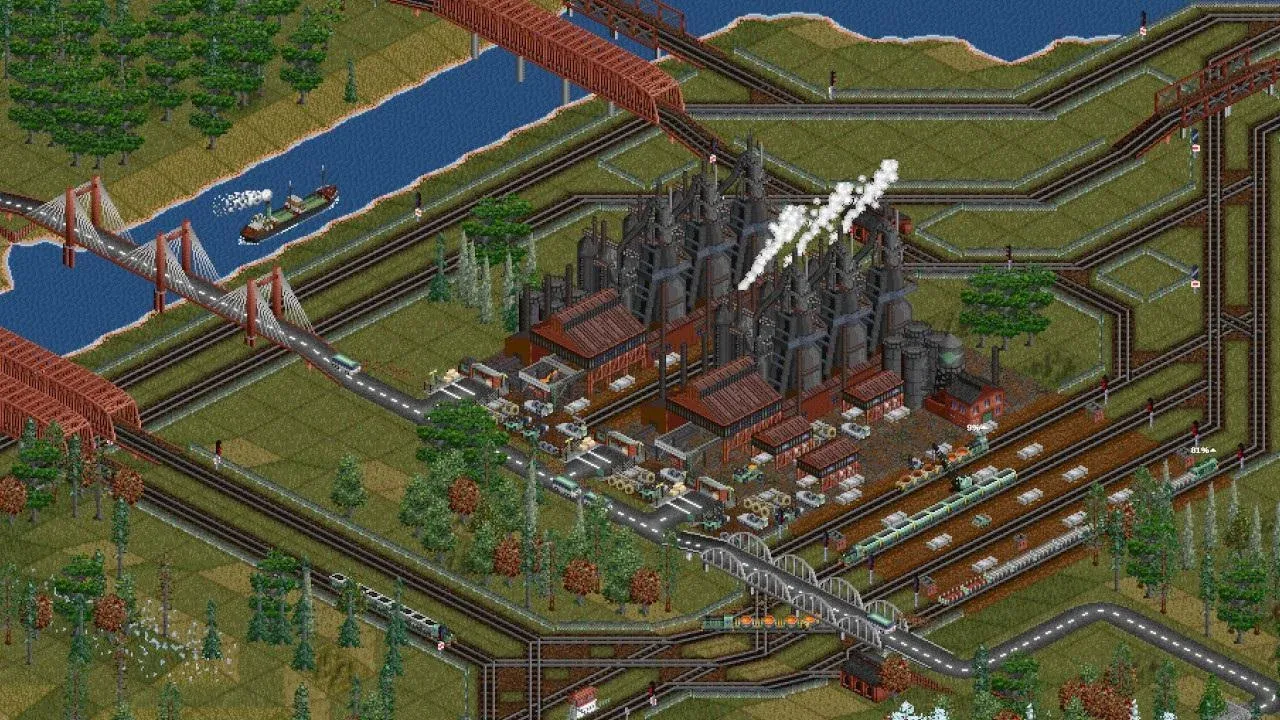
OpenTTD gives you a full transport-management problem without a base-game purchase or cash shop. It is a useful first stop when planning routes, capacity, and growing networks is the reason you want a strategy game.
It does not replace every modern management title's presentation, tutorials, or specific simulation. Choose a paid game only after identifying the system you want beyond transport networks. Learning the free game's interface is a time cost even when its download costs nothing.
Paid Survival Horror versus Cry of Fear
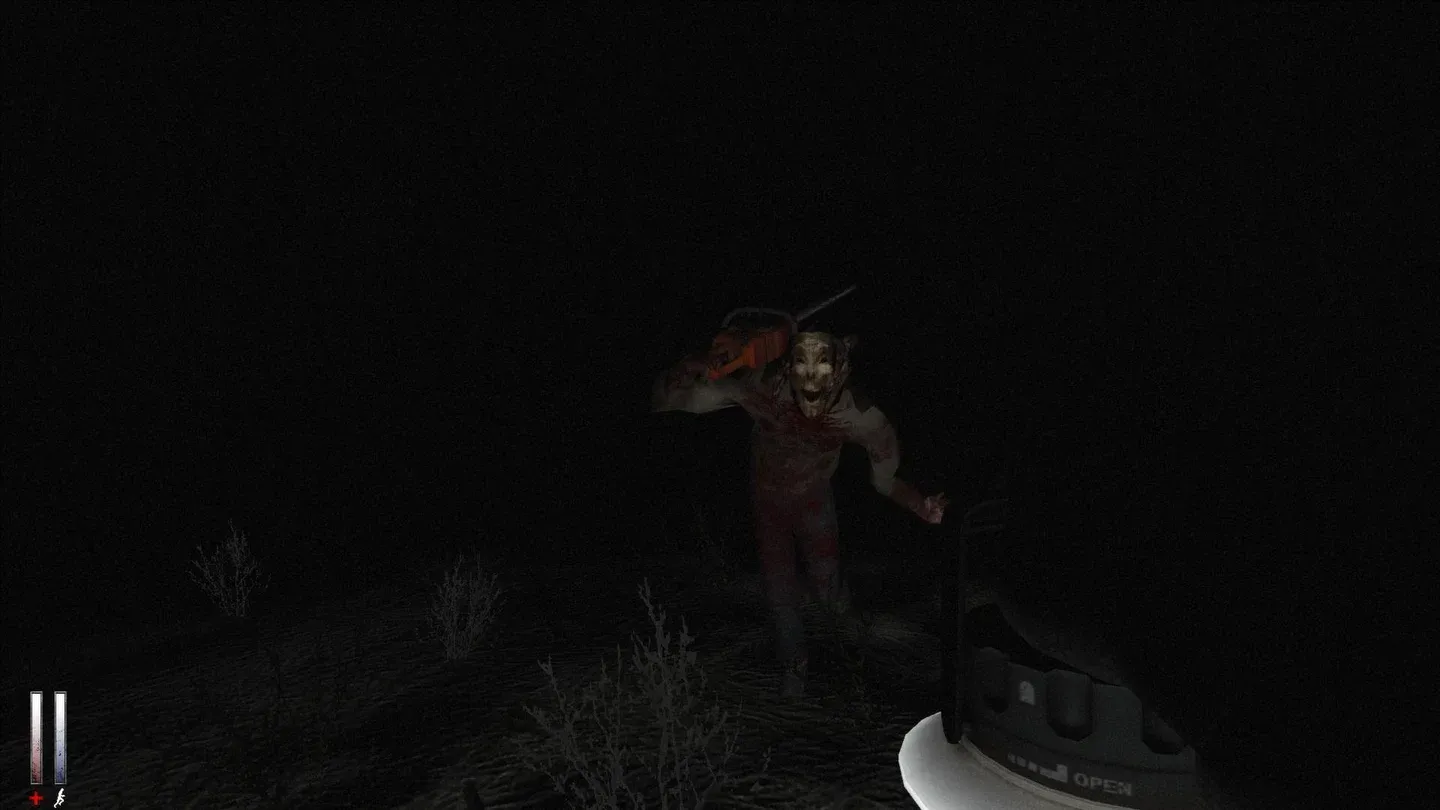
A free campaign gives you a way to explore survival-horror tension before committing to another purchase. Cry of Fear is useful when weapons, threatening environments, and a substantial solo story are what you want.
It is not a substitute for SIGNALIS's particular resource design or SOMA's narrative questions. Read the mature-content warnings and current setup notes before installing. Paying makes sense when a different game's distinct mechanics or story justify it , not simply because the price tag implies quality.
Compare the Real Costs Side by Side
A paid base game has an upfront price. A free base game may instead sell expansions, cosmetics, or convenience , and may require a continuing connection. Both use your time, storage, and attention. Start with the free content and decide what you would actually buy before opening the shop.
When Is the Paid Game Worth Buying?
Buy when its specific campaign, mechanics, or supported group setup solves the problem the free alternative does not. Check the edition and current regional total rather than adding every DLC automatically. Our store-choice guide explains how to compare direct purchases and retail keys.