The web3 gaming industry sits at a crossroads. The debate isn't whether blockchain games will succeed — it's how. Will it take millions of players flooding in, or will a single indie studio crack the code with a mechanic nobody saw coming? Grail, a major industry investor, recently floated the idea that the first game to pull mainstream players in while using crypto incentives smartly could flip the entire market. But major studios aren't biting yet, and smaller teams are still throwing ideas at the wall to see what sticks.

The Future of Web3 Gaming
Innovation Driving Web3
The smart money isn't on big publishers. It's on small, fast-moving teams that can test wild ideas without a board meeting. Indie developers can pivot, iterate, and ship without the bureaucratic drag of a AAA studio. Pixels proved that constant adaptation beats a perfect launch. They kept tweaking until something worked.
Mass adoption sounds good on paper, but it's not the win condition. The real problem is getting players in, keeping them around, and making money without burning out. Even traditional gaming is trending toward smaller, well-funded teams that prioritize smart design over scale. Web3 needs to solve the same problems, just with blockchain in the mix.
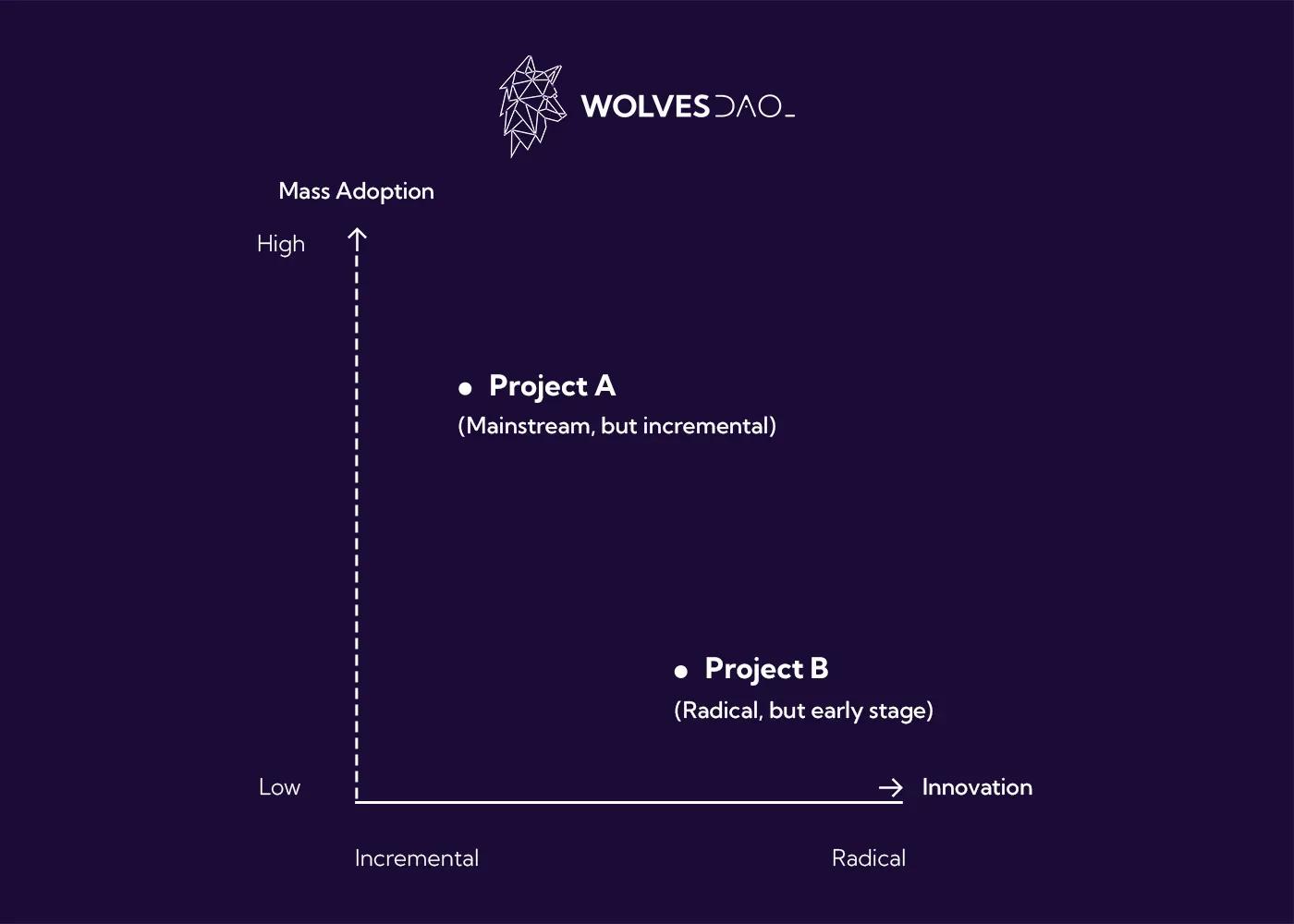
Mass Adoption x Innovation
Business Models as the Key to Growth
Web3's edge isn't just in how games play. It's in how they make money. Axie Infinity wasn't just a game. It was an economic experiment. Play-to-earn looked like the future until it became clear that speculation alone doesn't build a sustainable game. The model collapsed under its own weight.
The industry learned the hard way: you can't rely on token hype to keep players engaged. User acquisition and retention need to work without depending on price charts. The split between VC-backed projects and bootstrapped indies highlights this. Games that find product-market fit before scaling have a better shot at survival. Organic growth beats forced hype every time.
Blockchain should improve the economics of gaming, not just add a new layer of complexity. That means using tokens for smarter user acquisition, letting players own their stuff, and exploring revenue models that don't exist in web2. Community-driven financing, flexible monetization, and player-owned economies could all work if someone figures out the right formula.

The Axie Infinity IP

The Need for Proof Before Widespread Adoption
Big studios won't move without proof. Ubisoft, Netmarble, and Zynga all dipped their toes in web3 and pulled back. The backlash from traditional gamers was loud, and the financial upside wasn't clear. Nobody wants to be the first to bet big and lose.
The path forward probably looks like this: a small studio makes a game that's genuinely good, and blockchain runs quietly in the background. No marketing push about NFTs or tokens. Just a game that works, with blockchain doing the boring infrastructure stuff players don't need to think about. If it succeeds, the industry will follow.

Ubisoft and double jump.tokyo Join Forces to Launch Champions Tactics
The Challenges Facing Web3 Gaming
Token prices don't mean a game is good. They mean speculators showed up. Long-term engagement and actual revenue matter more. The industry keeps chasing short-term hype cycles, but retention is the real test. If players leave after the airdrop, the game failed.
Web3 games also have to serve two audiences: crypto natives who care about tokens and ownership, and regular gamers who just want something fun to play. The second group is bigger and harder to please. If blockchain doesn't make the game better in a way players can feel, traditional studios have no reason to bother with it.
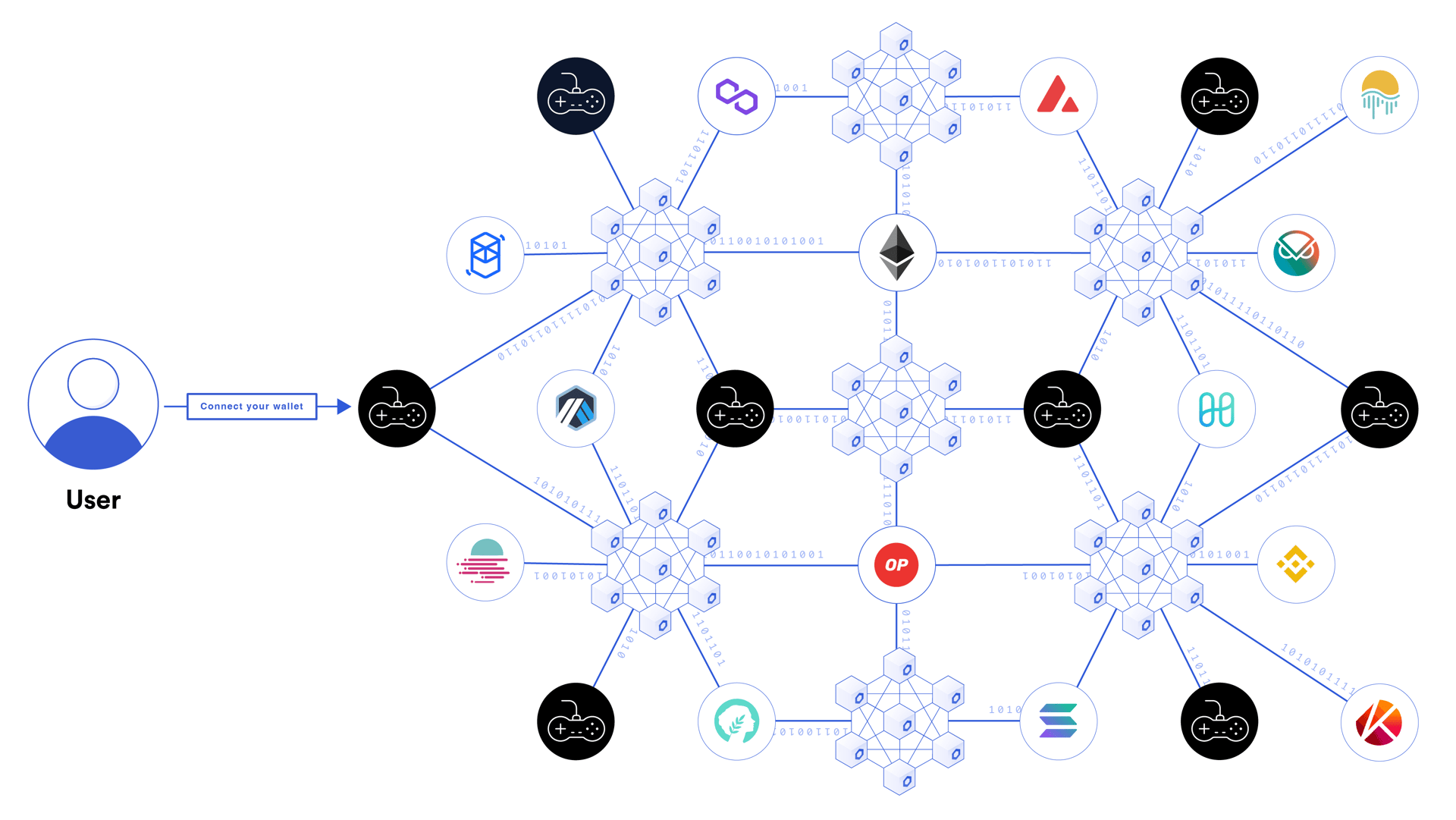
Advantages and Disadvantages to Blockchain Games - interoperability
Defining Success in Web3 Gaming
Success in web3 gaming isn't about hype cycles. It's about sustainability. Games that generate steady revenue, keep players around after the initial rush, and don't collapse when token prices drop are the ones that will last. Just like traditional businesses need multiple revenue streams, web3 games need more than tokenomics to survive.
The best approach is probably a hybrid. Start in web3, then expand to mainstream audiences. Axie Infinity and STEPN didn't blow up because of blockchain. They blew up because they offered something people wanted, and blockchain made it possible. The tech was a tool, not the selling point.
FSL Unveils StepN Go Mobile Game with Move-to-Earn Mechanics
Final Thoughts
Web3 gaming's future depends on solving real business problems, not just hitting player count milestones. Whether the breakthrough comes from a major studio or a scrappy indie team doesn't matter as much as whether the game works. Sustainable business models and strong player engagement will decide which projects survive. The industry needs to stop chasing speculation and start building games that hold up over time.