
A game marketing agency is a company you pay to plan and run marketing for your game: PR, creator outreach, paid ads, community work, or the lot. The right one depends on your stage and budget. A small indie rarely needs a full-service retainer. A mobile studio scaling ad spend often does.
Below are the five main agency types, their costs, the red flags and what to ask before signing. We checked every source and price in November 2026.
What does a video game marketing agency do?
An agency handles some or all of the work between “we have a game” and “players know it exists”: positioning, store page copy, trailers, press and creator outreach, paid ads, community management and launch planning. Agencies differ in how much they cover and how they bill.
Still deciding whether to hire? Read how to market your game and how to set a game marketing budget first. Both cover work you can handle in-house.
The five types of game marketing agency
Full-service agencies
One contract covers strategy, creative, PR, creators and sometimes paid media. This suits studios with budget but no in-house marketer. Ask for a scope built around your gaps, or you risk paying for services you don't need.
Game If You Are is an indie games marketing and creative agency founded in 2016 by Lewis Denby. Its August 2026 press release describes clients ranging from well-funded indie publishers to very small teams. It also announces the Indie Friendly Initiative, a line of low-cost, off-the-shelf products. No prices are listed; you'll need to ask.
PR agencies
PR firms pitch journalists and outlets, assemble press kits and manage embargoes. Hire one when you have a clear story, polished build and launch window. PR alone rarely moves wishlists much: judge coverage on quality and relevance, not article count.
Influencer and creator agencies
These agencies match games with streamers and YouTubers, negotiate sponsorships and distribute keys. They work best with games that are fun to watch. Check that proposed creators play your genre: a huge, uninterested audience is money down the drain.
Our comparison with influencer marketing explores this model further. We wrote it, so weigh it accordingly.
UA and performance agencies
UA, or user acquisition, agencies buy ads on Meta, Google, TikTok and similar networks, then optimize for installs or purchases. Free-to-play mobile runs on them. For premium Steam indies, paid UA usually comes later, once you know your wishlist conversion rate.
Platform-led options
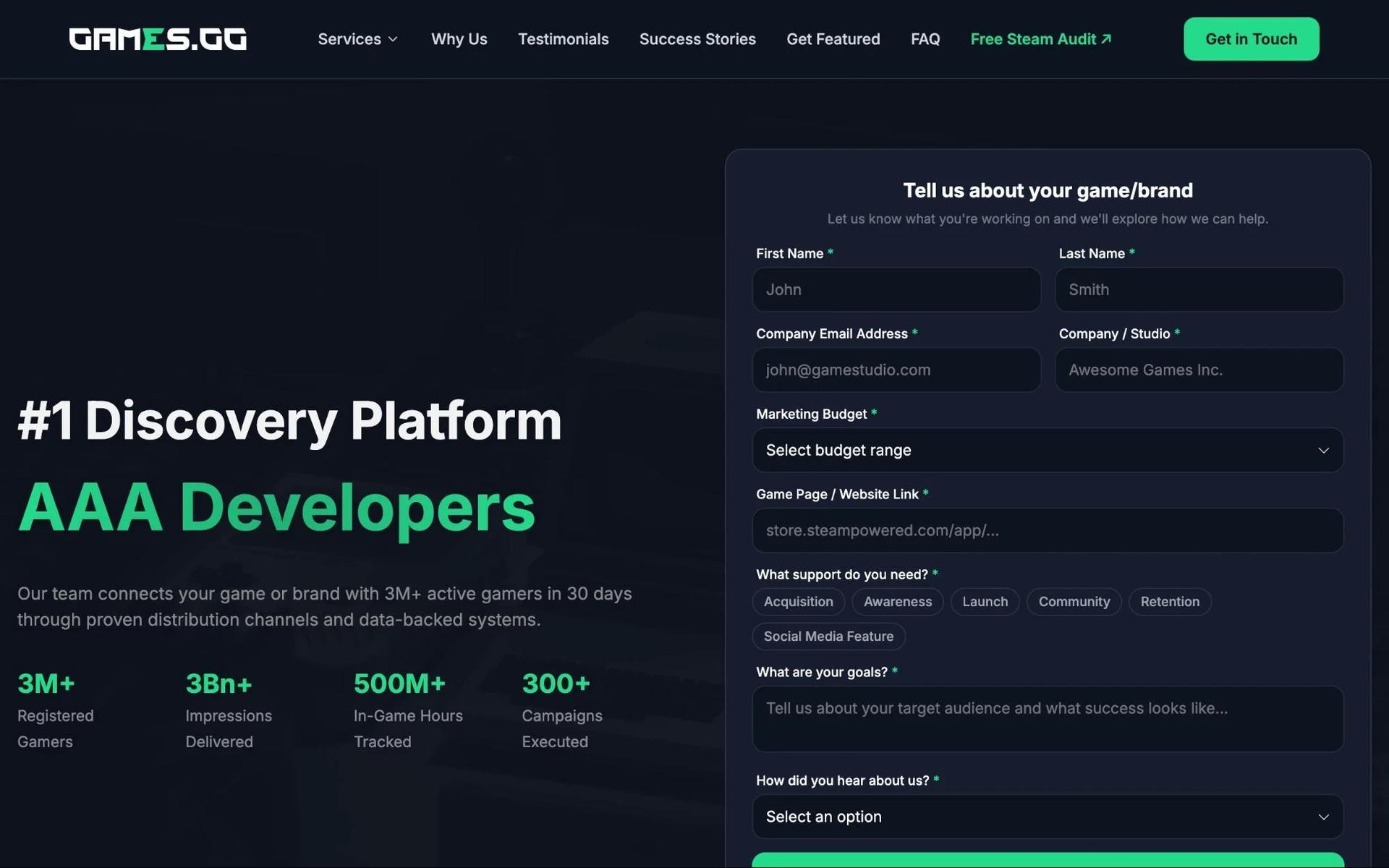
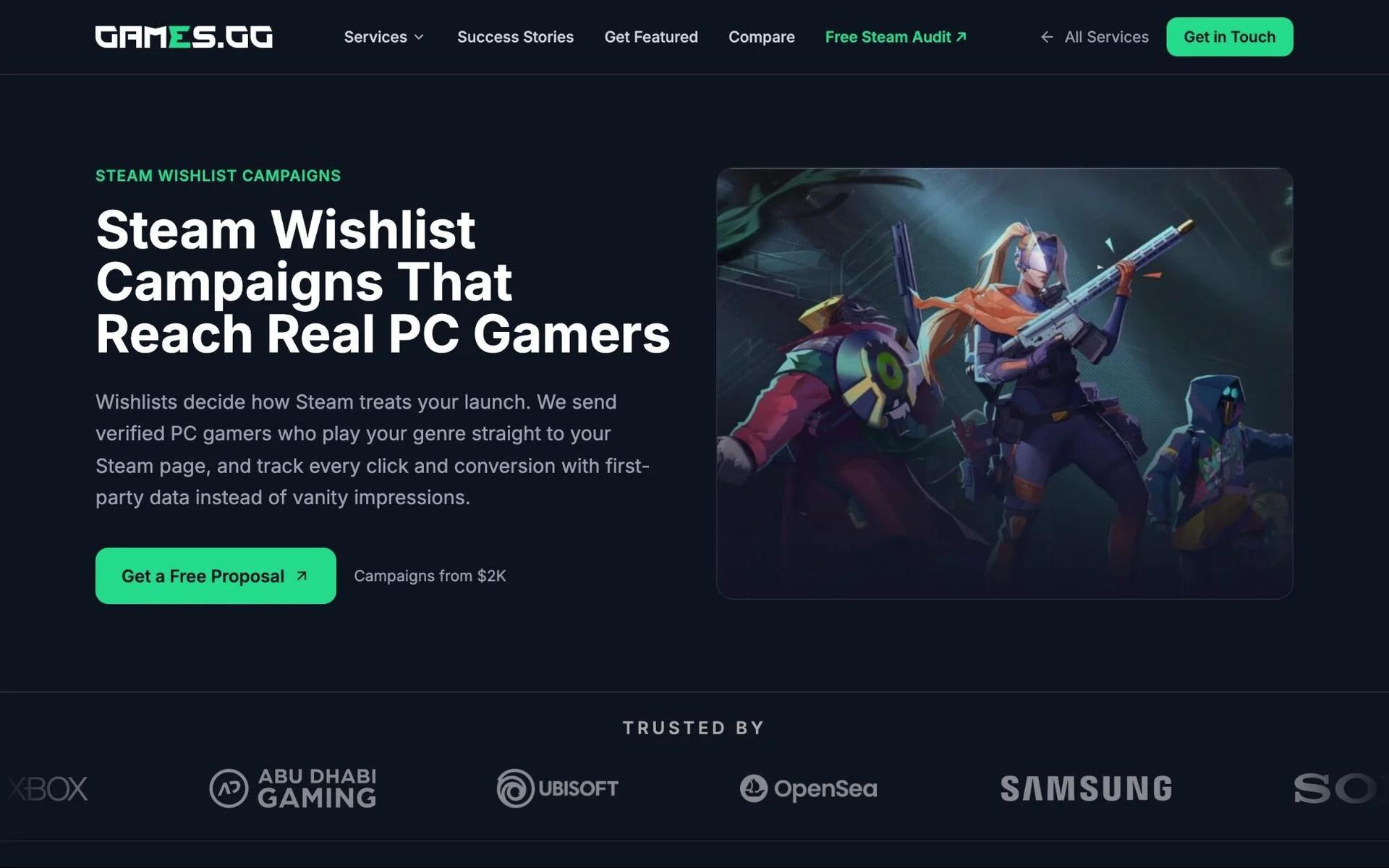
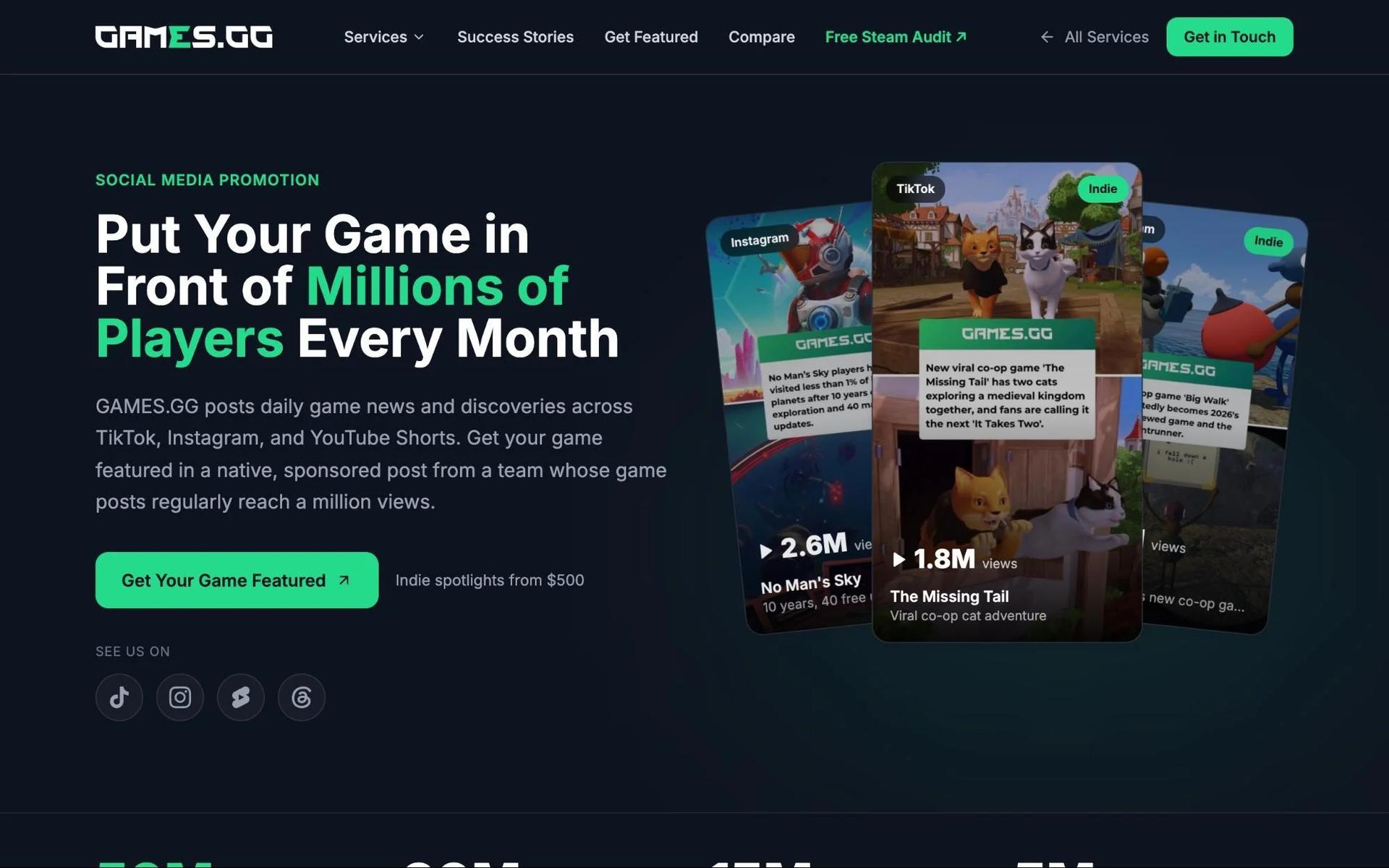
Platform-led options skip third-party ad networks and show games to their own audiences. GAMES.GG is one example, this is our platform, so weigh it accordingly, with 3M+ registered users and 10M+ monthly visits.
We offer a free listing, Steam wishlist campaigns from $2,000, player acquisition and paid social posts. You buy defined placements and campaigns, not hours. Our comparison with a traditional agency explains the differences, but remember that we wrote it.
How much does a game marketing agency cost?
Almost no agency publishes a price list; most quote per project. Every figure below is vendor-published or ours, not an independent benchmark. Treat these as starting points, and get a written quote.
| Model | Published range or price | Source and caveat |
|---|---|---|
| Strategic audit and growth plan | $10,000 to $30,000 | Mobile agency pricing, not independent research: AppAgent |
| Monthly growth retainer | $8,000 to $30,000+ per month | Same mobile UA article; agencies often require around $25,000 monthly media spend |
| Percentage of ad spend | 10% to 20% of total ad spend | Same AppAgent article |
| Creative production | $5,000 to $20,000+ per month | Same article; mobile ad creative |
| Indie PR retainer | About $4,000 to $10,000 per month; 3 to 6 month minimums | Vendor guide with commercial interests, not an independent benchmark: FirstLook |
| GAMES.GG Steam wishlist campaign | From $2,000 | Our published price for our service |
| GAMES.GG Indie Game Spotlight | $500 | Our published price; one dedicated sponsored post on one channel, independent studios only |
| GAMES.GG Game Showcase | From $3,000 | Our published price; one dedicated sponsored post across three channels |
The big retainer ranges describe mobile UA, not premium PC or console indie campaigns. A premium PC indie is unlikely to need or afford that model.
Agency fees also usually sit on top of media spend. A $10,000 retainer can accompany a much bigger ad budget. For overall spending, see our game marketing budget guide.
Game marketing agency comparison
| Type | Best for | Pricing model | Main risk |
|---|---|---|---|
| Full-service | Studios with budget and no marketer | Retainer or project | Paying for unnecessary services |
| PR | Games with a clear story and launch date | Retainer or campaign | Coverage that doesn't move wishlists |
| Influencer or creator | Games that are fun to watch | Creator or campaign fee, plus creator costs | Wrong-genre audiences |
| UA or performance | Free-to-play and mobile titles | Retainer, percentage of spend or hybrid | High minimum spend, short-term results |
| Platform-led, including GAMES.GG, our platform | Indies wanting defined placements at set prices | Fixed packages or campaigns | Genre-dependent audience fit; ask for data |
How to choose a game marketing agency
There's no single best agency for indies. Usually, hire once your Steam page is live and tested, with a clear goal and budget. Planning tends to start months before launch.
- Name your bottleneck. Awareness, wishlist conversion, press, creator reach or paid scaling: pick one. Match the agency to it, not a vague promise of “growth.”
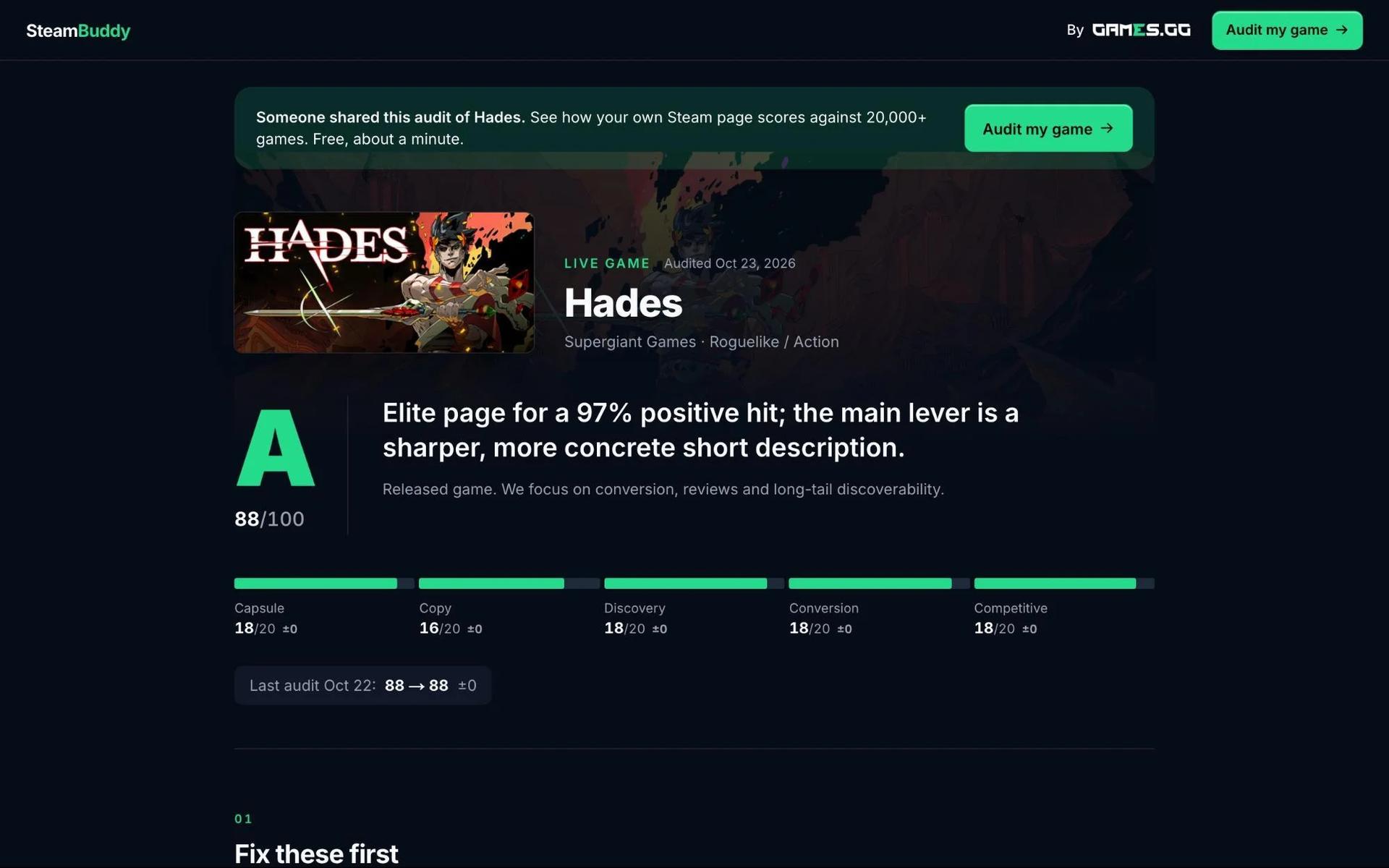
- Audit your store page first.SteamBuddy, our free tool, scores your Steam page out of 100 against 20,000+ Steam games so you can assess traffic readiness.
- Ask for relevant work. Request examples in your genre and on your platform, then contact those studios yourself.
- Agree scope and metrics in writing. Specify deliverables, timeline, reporting frequency and what counts as success.
- Start small. A short paid pilot or fixed-price package teaches you more than a 12-month contract.
Questions to ask before signing
- Who will work on my account, and how many other clients do they have?
- Which similar games have you handled, and can I speak to those developers?
- What's included, and what costs extra: creative, media or creator fees?
- Is reporting based on first-party data, or only clicks and impressions?
- What's the minimum term, and how do I exit?
- Do you take commissions or markups on media or creator payments?
Red flags when hiring an agency
Vague reporting is the red flag you'll see most. Also watch for:
- Guaranteed results. Nobody can guarantee wishlists, sales or coverage.
- No named deliverables. “Awareness” and “buzz” aren't deliverables.
- Vanity metrics only. Impressions and followers without links to wishlists, installs or revenue.
- Long lock-in without a pilot. Be cautious about 6 to 12 month minimums before seeing proof.
- Hidden markup. Unclear fees on ad spend or creator payments.
- Generic outreach. Press or creator lists not built for your genre.
- Skipping your store page. Good partners flag problems before selling traffic.
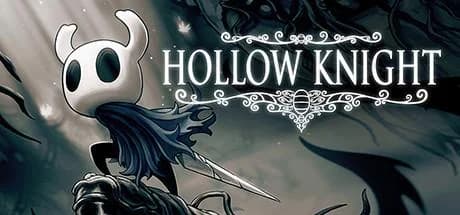
Make the store assets your campaign sends players to count. See our Steam capsule art guide before paying for traffic.
Do indie developers need an agency?
Often not at first. An agency can be worthwhile for specific needs such as press outreach or paid scaling, provided your store page converts and you can define success. Small studios often get further doing the basics themselves and buying targeted help.
Our guide to marketing an indie game with no budget covers free options; when to start marketing your game covers timing.
Here's our suggested order:
- Fix your Steam page and run the free audit.
- Use free platforms, including our free game listing, and build a community and email list.
- Buy one fixed-price placement or small campaign, then watch wishlists.
- Bring in a PR or creator specialist when you have news.
- Consider a retainer only for ongoing work you can't cover in-house.
Our free Indie Game Growth Roadmap can help identify your next step. The 60-second quiz places your game in one of 7 stages and emails your roadmap.
Where GAMES.GG fits
We're one option, not a replacement for every agency type. We suit studios wanting published prices and a gamer audience while running their own strategy. We won't replace a PR specialist's journalist relationships or a UA agency scaling a mobile game.
With a live Steam page, you can apply to our Indie Growth Program. Applying is free and takes about 2 minutes. Shortlisted games get a short intro call; selected studios receive an offer for a paid package at a reduced program rate. It is not free after selection. There are 30 spots this round, and applications close December 31, 2026.
Next step: run your Steam page through SteamBuddy for free, then decide what help you need.
Agencies and publishers are different
An agency charges a fee for marketing services. You keep your revenue and rights. A publisher usually funds or supports the whole release in exchange for a revenue share. Our guide to pitching publishers and self-publishing covers that separate decision.