

Picture this: you're a California governor talking policy in 2026, and your frame of reference for buying video games is a big-box retail store with shrink-wrapped boxes on the shelf. That's essentially what Gavin Newsom delivered recently, and the gaming community noticed immediately.
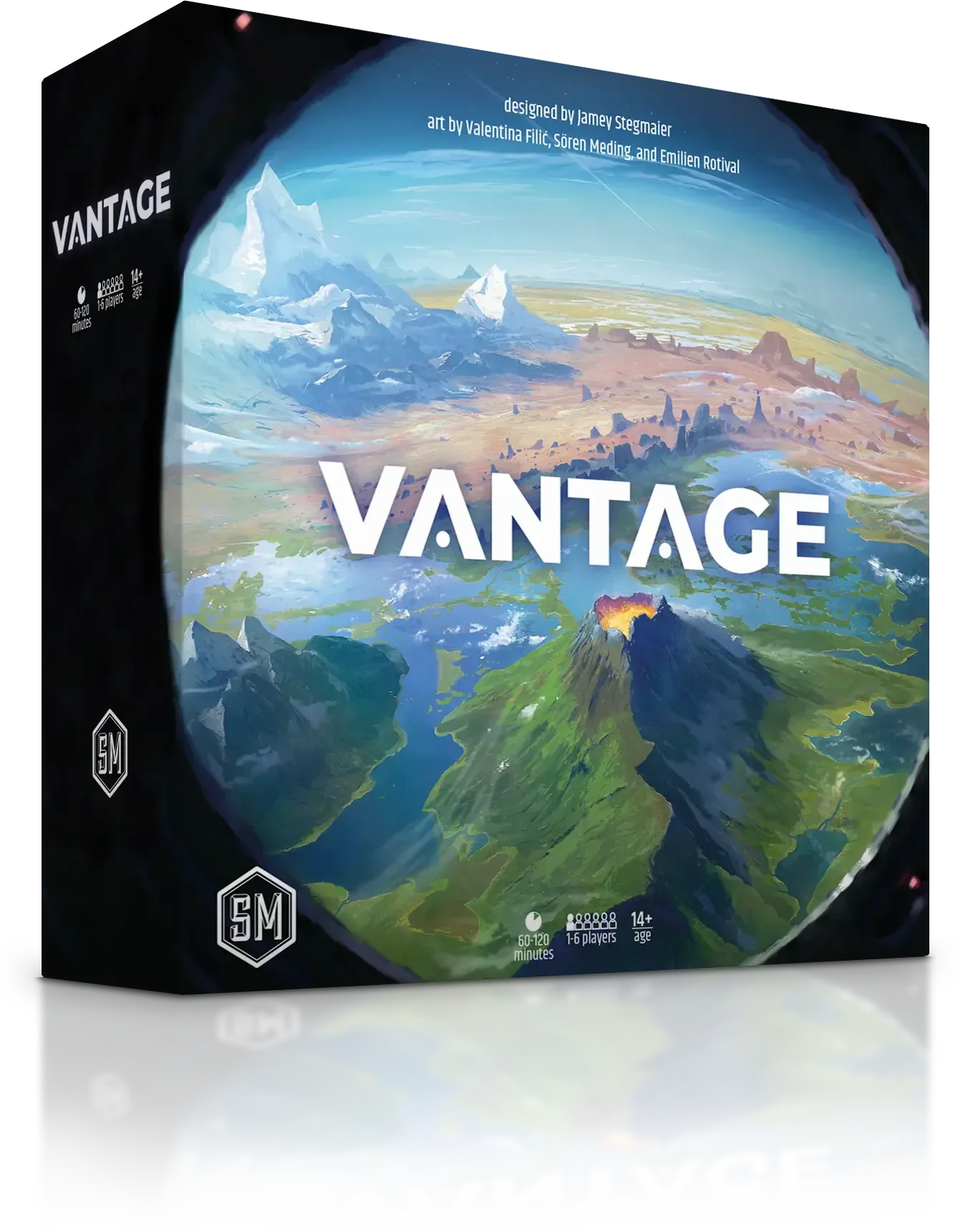
Physical games at retail
Newsom made comments referencing paying sales tax on "a lot of this prewritten software," framing it in a way that conjured memories of walking into a Best Buy circa 2004 and picking up a boxed copy of a game. The problem? That's not really how most people buy games anymore, and the tax treatment of digital software has been one of the messiest, most state-by-state inconsistent policy questions in tech and gaming for over a decade.

Use code TRYHARD33 at checkout to redeem this offer before code expires again.
Get 33% Off GAMES+ Subscription
What Newsom actually said, and why it landed so oddly
The specific phrasing "prewritten software" is actually a real tax term. Many states, California included, have wrestled with whether downloaded software, streamed games, and SaaS products qualify as taxable goods. The term shows up in tax code language distinguishing off-the-shelf software from custom-built solutions. So Newsom wasn't making up a concept entirely.
Here's the thing, though: framing it as something you pay sales tax on "at Best Buy" in the context of modern digital distribution is where things get confusing. The majority of game purchases in 2026 happen through Steam, the PlayStation Store, the Xbox marketplace, or the Nintendo eShop. Whether those transactions are subject to sales tax varies significantly by state, and California's own rules on digital goods taxation have been a moving target.
For physical games at a physical retailer? Yes, sales tax applies in California. For a digital copy of the same game bought through Steam? The rules are murkier, and enforcement has historically been inconsistent.
The retail nostalgia gap in gaming policy
What most players miss in this conversation is how significant the disconnect between policymakers and actual gaming habits really is. Physical game sales have been declining for years. Digital game sales now account for the vast majority of revenue across PC and console platforms. The idea of "buying software at Best Buy" as a primary frame for gaming commerce is genuinely outdated.
This matters beyond just being a funny quote. Tax policy around digital games, downloadable content, subscription services like Xbox Game Pass, and in-game purchases is actively being debated at state and federal levels. When the people shaping that policy seem fuzzy on how the market actually works, the outcomes can be messy for both developers and players.
Smaller studios in particular feel the squeeze when states apply inconsistent rules to digital storefronts. A $15 indie game might be taxed differently depending on whether it's purchased through a browser or a dedicated app, which creates compliance headaches that larger publishers absorb easily but smaller teams cannot.
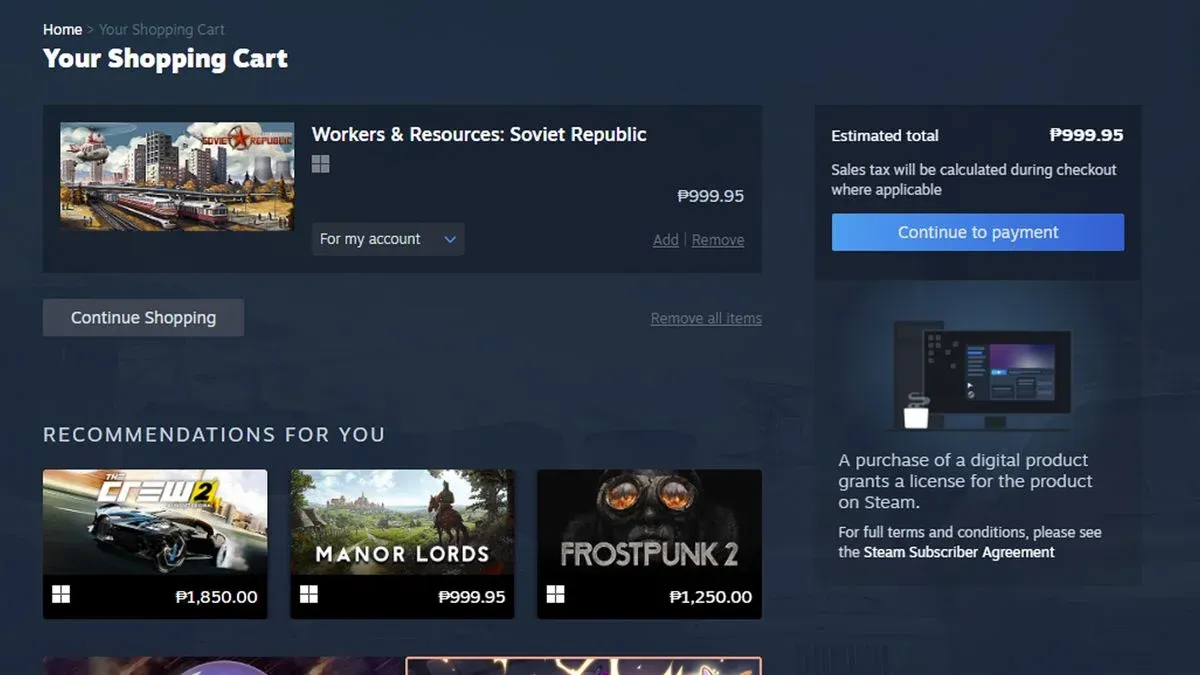
Digital storefront tax at checkout
The bigger picture for players and the industry
Gaming's shift to digital-first has outpaced the legal frameworks designed to regulate it. States are still catching up, and comments like Newsom's are a reminder that the people writing the rules are sometimes working from a mental model of the industry that's 20 years out of date.
The key here is that this isn't just a California issue. Across the US, the taxability of digital games, loot boxes, battle passes, and subscription bundles remains inconsistent. Some states tax all digital goods. Others exempt them entirely. A few apply different rates depending on whether the product is streamed versus downloaded.
For players, this mostly shows up as a surprise line item at checkout. For developers and publishers, it's a genuine compliance challenge that shapes how they price and distribute games across regions. Keeping up with the latest on how these rules affect gaming is worth your time, and gaming guides covering platform-specific purchases often note regional pricing differences that trace back to exactly these tax questions.
If you want a broader sense of how digital distribution shapes the games actually reaching players, checking out game reviews that cover digital-exclusive titles gives a clearer picture of where the market actually sits today. The Best Buy era of gaming is not coming back, no matter what the governor thinks.