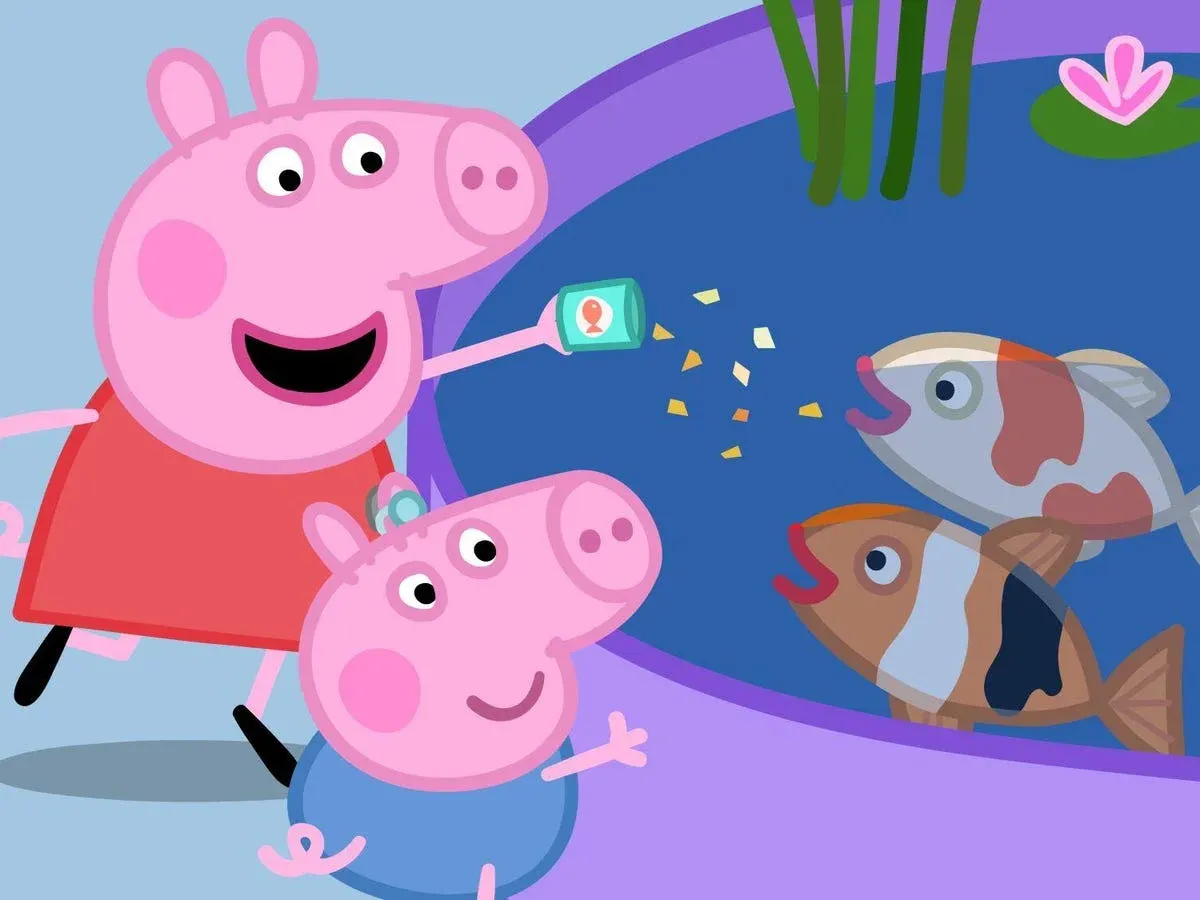


Hasbro, the company behind Dungeons & Dragons, Magic: The Gathering, and a sprawling portfolio of entertainment properties, is now requiring child actors on Peppa Pig to sign contracts that hand over their vocal likenesses to AI, potentially in perpetuity.
Here's the thing: this isn't a hypothetical future concern. The clause is already in the contracts.

Use code TRYHARD33 at checkout to redeem this offer before code expires again.
Get 33% Off GAMES+ Subscription
What the contracts actually say
Hasbro acquired Peppa Pig from Entertainment One back in 2019, and the show's latest talent contracts now include AI usage clauses that could give the company the power to clone child actors' voices, train AI models on those recordings, and reuse the resulting audio for promotional and commercial purposes across the franchise, with no expiration date attached.
These aren't vague future-proofing clauses buried in fine print. They are active terms being presented to young performers and their parents or guardians right now, framed as standard conditions of employment.
The Agents of Young Performers Association (AYPA) has organized a response. Close to 1,000 industry professionals have signed an open letter pushing back against the AI terms, which sources confirmed apply to the Peppa Pig franchise specifically.
The consent problem at the center of this
The AYPA's letter cuts straight to the issue: children cannot provide fully informed legal consent. A parent or guardian signing off on an AI clause is not the same as the performer understanding what they are agreeing to, and the consequences stretch far beyond the immediate job.
"Any agreement involving a child's voice should be fully exempt from all AI usage. No child should have their future professional identity shaped by an AI model created before they were old enough to understand its consequences," the letter states.
What most players miss in debates like this is the long tail. These clauses don't just cover the current season of a show. They can allow a company to sell or license a child's vocal data to third parties, use recordings to generate new audio indefinitely, and do all of this without paying royalties or seeking additional consent down the line.
Hasbro's response, and why it doesn't fully land
Hasbro confirmed it was aware of the letter and issued a statement saying the "protection of child performers is core to who Hasbro is" and "part of our DNA."
The company did not confirm it would remove or revise the AI clauses.
That gap between the statement and the action is worth sitting with. Saying child protection is part of your DNA while simultaneously asking children to sign over their voices to AI indefinitely is a contradiction that a press statement doesn't resolve.
A wider industry pattern gaming fans should recognize
This situation isn't isolated to Peppa Pig or even to children's entertainment. AI voice clauses are spreading across the broader entertainment industry, with major streaming platforms pushing similar terms onto adult voice actors. The key here is that the Peppa Pig case makes the stakes more visible because the subjects are minors.
For anyone paying attention to how AI is being integrated into games, this should feel familiar. Voice actors in gaming have faced comparable pressures, with studios seeking broad rights to vocal performances for use in AI-generated dialogue, NPC variations, and future content. The same debate about consent, compensation, and perpetual usage rights is playing out across every creative industry right now.
Protections that industry advocates are pushing for include explicit bans on using recordings to train AI models, defined usage term limits, restrictions to agreed-upon projects only, and prohibitions on selling vocal data to third parties.
If you want to see how voice-driven systems are already being built into games, check out our YAPYAP voice setup and mic fix guide for a practical look at how voice recognition tech works in a live gaming context. The gap between "voice input for gameplay" and "voice cloned for commercial use in perpetuity" is exactly what this debate is trying to define.
The AYPA's letter represents a rare moment of organized industry pushback before a norm becomes fully entrenched. Whether Hasbro revises its contracts or holds the line will likely set a reference point for how other major rights holders approach child performers and AI going forward. Watch this one closely.