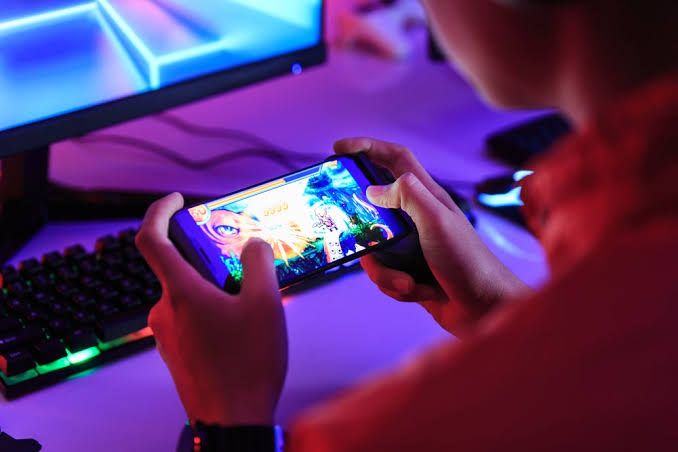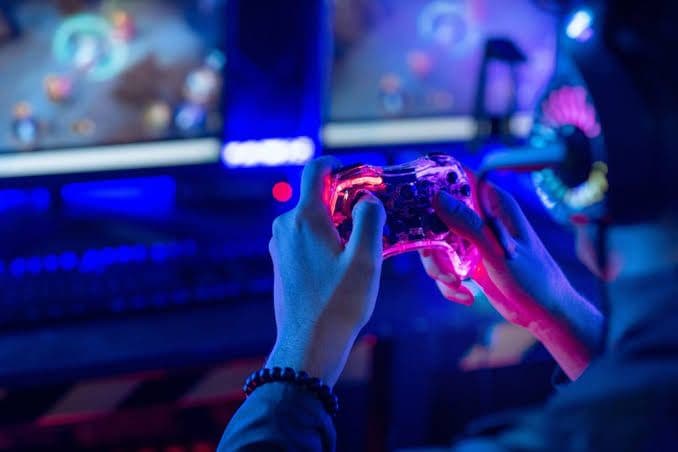

Video games connect people across borders by giving strangers a concrete task to complete together. A shared objective moves the first exchange beyond small talk and toward coordination and problem-solving. This structure gives people in different countries a practical reason to communicate and return, even though it cannot erase cultural differences on its own.
Access also matters, since a group needs a common game before it can establish a routine. A CD key usually refers to a digital activation code used to unlock software or a game on a supported platform. When browsing digital CD keys, players can use Eneba as a digital marketplace to browse and compare digital options for shared play. Its product pages present region and platform information, while verified merchants support access to legitimate digital products.
Shared Goals Create a Reason to Communicate
The social value of gaming extends beyond simply putting people online. Among U.S. teens who play video games, 89% say they play with other people in person or online, while 47% say they have made an online friend through a game they both play. These figures do not specifically measure international friendships, but they demonstrate how shared play can give relationships a starting point and a reason to continue.
Team objectives also give conversations a practical focus. Players can exchange instructions, negotiate responsibilities, and respond to changing situations without needing a polished introduction. In multicultural groups, this shared purpose can direct attention toward the task and give different perspectives an opportunity to contribute.
However, this opportunity does not guarantee positive interactions. Research into online multiplayer gaming has documented both positive social experiences and substantial harassment. Community culture and moderation therefore play an important role in determining whether players feel welcome. Cooperative spaces with clear rules and effective moderation provide a stronger foundation for meaningful interaction.
Repeated Play Creates Shared Conventions
Players do not need perfect language fluency to cooperate. Pings, gestures, icons, emotes, timing, and agreed-upon team terminology can communicate useful information during a match. A study of an online multiplayer communication app involving participants from more than 100 nationalities found that repeated interactions over 11 months led to increasingly precise, mutually understood meanings for symbols.
The findings support a practical conclusion: players can develop effective communication conventions through repeated sessions, even when they begin with different languages or cultural references. Misunderstandings remain possible, but playing together regularly gives a group opportunities to clarify intentions and build familiarity.
A shared gamer identity can also help diverse teams put their collective knowledge to better use. A 2023 study examining 4,035 League of Legends matches involving 102 multicultural teams found that cultural diversity improved team strategy when a common identity was salient. The value comes from having a collective goal that allows different experiences and perspectives to contribute to the group rather than becoming a source of division.
Repeated sessions can extend these connections beyond individual matches. Returning to the same guild, server, or gaming community allows people to recognize communication styles, develop shared references, and learn more about one another over time. Research involving a global prosocial mobile game also linked contact with a diverse range of foreign players to greater willingness for future contact. However, this finding applies to the specific context studied and does not necessarily represent every gaming community.
Access Helps Turn Gaming Into a Shared Routine
Maintaining an international gaming friendship often depends on practical considerations as much as social ones. Players need access to the same game, compatible platforms, and, where applicable, suitable regional versions. Differences in availability can make it harder for friends to establish a regular time to play, particularly when they live in different countries.
Eneba, the digital marketplace introduced above, presents region and platform information that can help friends and international communities select games they can play together. Checking compatibility before purchasing a digital game can help avoid access problems and make it easier for a group to return to the same shared activity.
Once those practical barriers are addressed, a game can become a recurring point of contact. A scheduled multiplayer session gives friends something to look forward to, while guild activities, cooperative challenges, and team-based competitions create additional reasons to stay involved.
How Multiplayer Games Build Connections Across Cultures
The strongest connections often develop gradually rather than through a single memorable match. Players begin by coordinating their actions, learn how others communicate, and gradually become more comfortable working together. Over time, conversations can move beyond the game itself to everyday experiences, personal interests, and cultural differences.
Gaming does not automatically create understanding between people from different backgrounds. Language barriers, time zones, incompatible platforms, and hostile community behaviour can all limit its social benefits. Nevertheless, multiplayer games offer a shared environment where cooperation can develop before players know much about one another.
That is what makes gaming a useful way to connect people across borders. Shared objectives provide an initial reason to communicate, repeated play helps establish common conventions, and a welcoming community gives those interactions room to develop. With access to the same game and a reason to return, a digital match can become the beginning of a lasting international friendship.