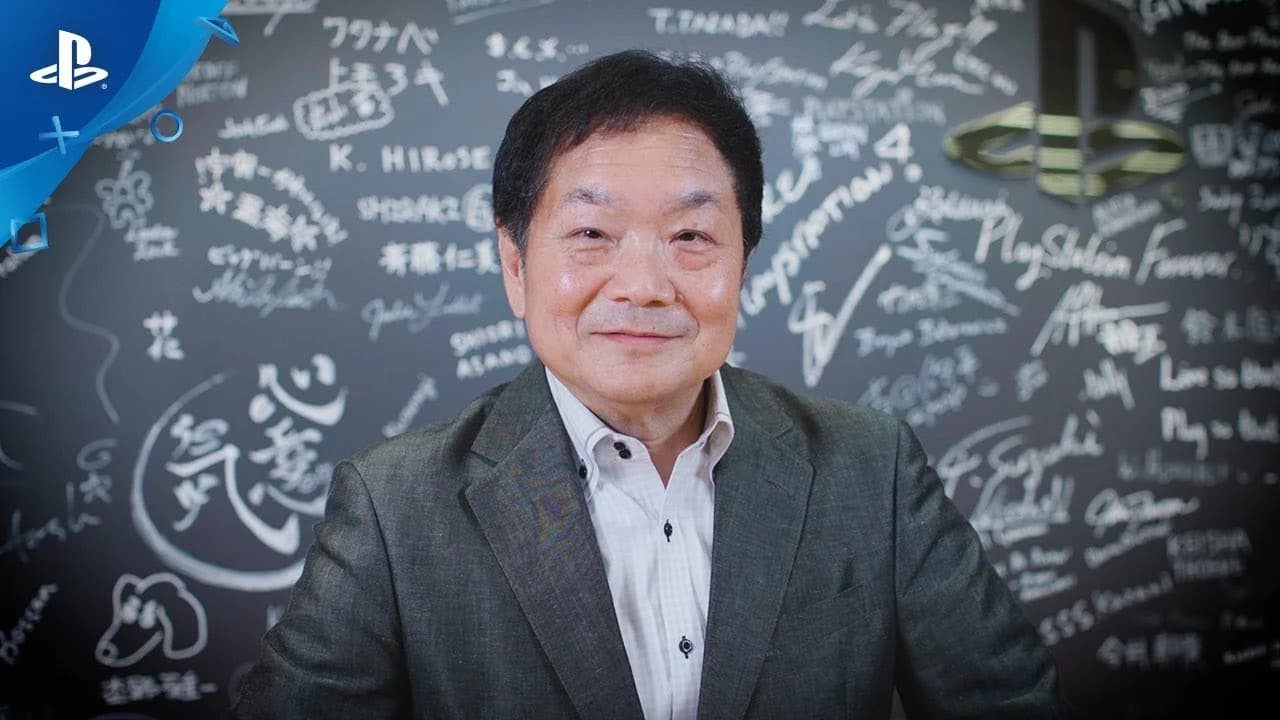

Ken Kutaragi, the man who built the original PlayStation from the ground up, says he genuinely understands why fans are pushing back against Sony's move away from physical media. He just doesn't think their frustration changes the economic reality.
Speaking at the Game Republic New Horizons event in Middlesbrough, UK this week, the 76-year-old former Sony Interactive Entertainment chairman gave his most direct comments yet on PlayStation's transition to a digital-only future. The remarks arrive at a moment when Sony's decision to wind down physical disc production has become one of the most contentious topics in the PlayStation community.
The ownership mentality Kutaragi can't dismiss
Here's the thing: Kutaragi isn't dismissing the backlash. He's just reframing it. His argument is that the disc itself has become a symbol for something bigger, the feeling of actually owning what you paid for, and that symbol is proving harder to retire than the format itself.
"I understand that physical discs have become a metaphor for 'owning' games. I really understand that mentality," he told the audience. His counterpoint? Nobody demands a physical slot on their smartphone to feel like they own their apps, because the trust in persistent digital access is already baked in. PlayStation, he argues, hasn't yet built that same trust with its audience.
That's a more honest diagnosis than most executives offer. The problem Sony faces isn't just logistics or shelf space. It's that years of game licenses disappearing from digital storefronts, PlayStation stores being shuttered, and purchased content becoming inaccessible have left players with very reasonable doubts about what a digital purchase actually means long-term. Kutaragi acknowledged the transition "caused some friction with game enthusiasts" even while calling continued disc production "not economically reasonable."
PlayStation as a content terminal, not a console
Kutaragi also offered a candid read on the current direction of Sony Interactive Entertainment's leadership. He noted that the company has brought in significant talent from outside traditional gaming, including people from streaming and cloud services backgrounds like Gaikai, and suggested that group may view PlayStation less as a dedicated games machine and more as a networked content delivery platform.
"Maybe that's how those people are thinking. But this has caused some friction with game enthusiasts," he said.
What most players miss in this framing is that Kutaragi himself predicted all of this. As far back as 2006, he was publicly stating that digital distribution would eventually make physical media obsolete. When PlayStation 2 launched, he was already telling people the next step was merging with the network. He's not surprised by where things have landed. He's just watching the transition play out messier than he'd hoped.
For a sense of how much Sony has invested in platform-specific experiences worth preserving, the GTA 6 PS5 exclusive features guide breaks down exactly what DualSense haptics, Tempest 3D audio, and near-instant load times actually deliver, the kind of hardware-tied value that makes the console argument feel real.
Could the console itself disappear next?
Kutaragi went further than the disc debate. If AI and cloud computing reach their potential, he said, "we won't need any console." He was careful to add that this wasn't an official Sony position, but the direction of thinking is clear.
He also flagged hardware pricing as a serious concern. With console and PC architecture converging and component costs still elevated from the global shortage, he described current machine prices as unsustainable. "It's the price of a car! It's not healthy," he said, calling on manufacturers to find "elegant solutions" before the cost of entry prices out the next generation of players.
The key here is that Kutaragi's comments aren't a defense of Sony's current decisions so much as a longer-term argument about where the industry was always heading. Physical media, expensive dedicated hardware, disc-based ownership: in his view, these were always temporary stops on the way to something else.
Whether PlayStation players accept that framing is a different question entirely. The backlash over physical media isn't going away, and Sony's leadership will need to do more than call it a mentality issue if they want to bring their most loyal fans along for the transition. Kutaragi's voice carries weight in this conversation, but weight alone doesn't resolve the trust gap between digital storefronts and the permanence of a disc on a shelf.
For more gaming coverage across platforms and releases, the gaming guides hub has you covered on the latest titles worth your time.