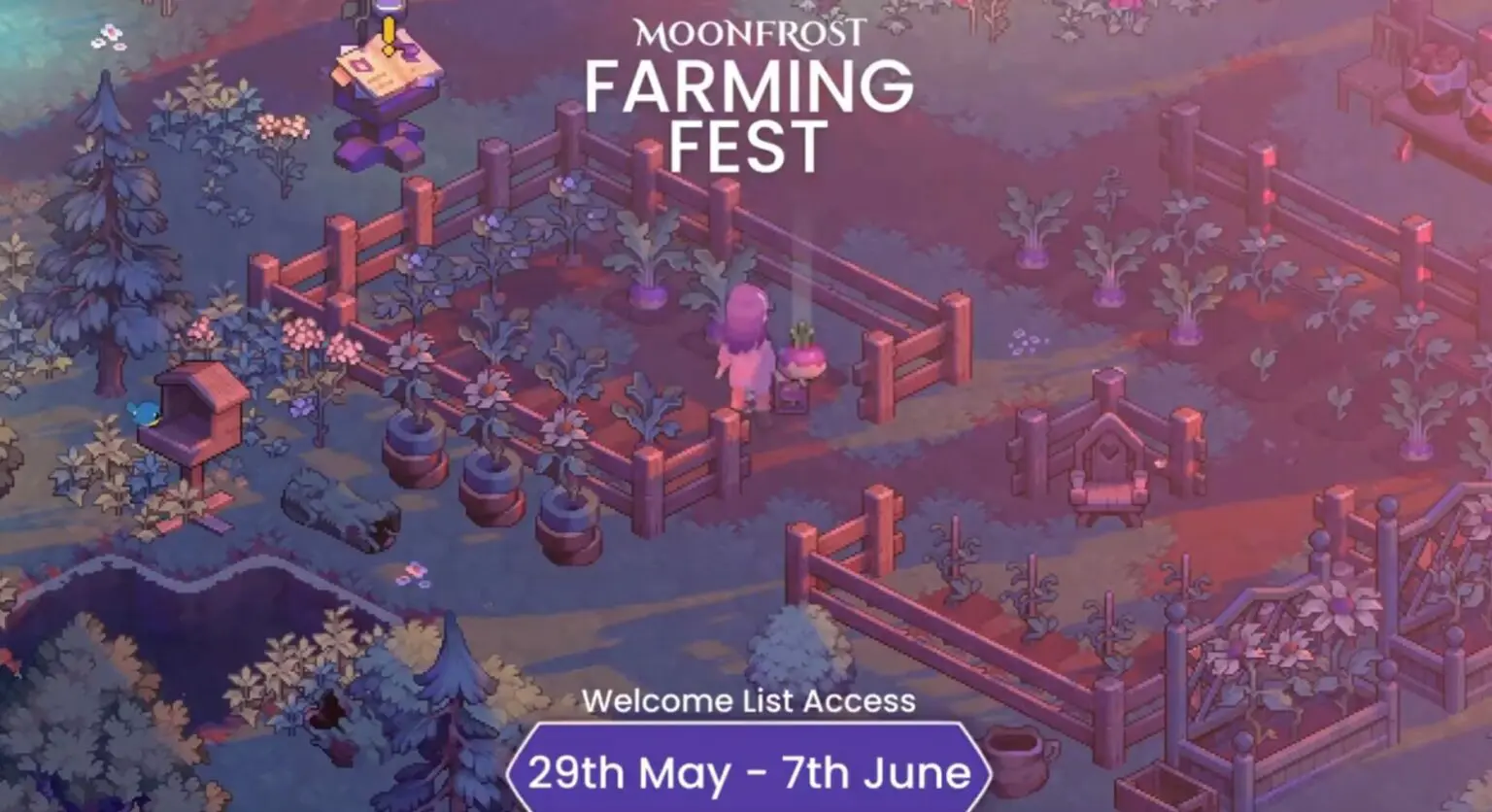
Moonfrost, a life-simulation farming RPG from Oxalis Games, takes an unusual approach to development: music came first. Instead of bolting a soundtrack onto a finished game, the team built the entire experience around composer Daniel Hoang's work. The result is a game where audio and visuals feel like they grew from the same creative root, not two separate departments meeting at the end.
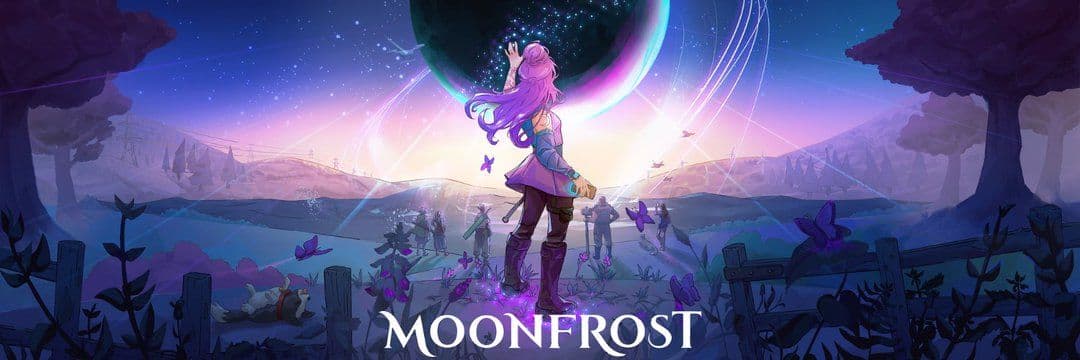
Moonfrost Cover Banner on X
Why game soundtracks matter more than you think
Music doesn't just set the mood. It changes how you play. Male players in DOOM scored nearly double the points with sound on compared to silence. Racing games show the trade-off: high-energy tracks make players drive faster, but they also crash more. In Legend of Zelda, performance tanked without audio and improved steadily as music and sound effects were added back in.
Player-picked music does even more. It cuts anxiety, sharpens focus, and makes games more enjoyable. One theory: background music trains your brain to recognize cues, like enemy attack patterns, so you react faster over time. First-person shooters lean on this hard, using audio to telegraph threats before they're visible.
The research backs this up. Music isn't decoration. It's a gameplay mechanic that most studios treat as an afterthought.
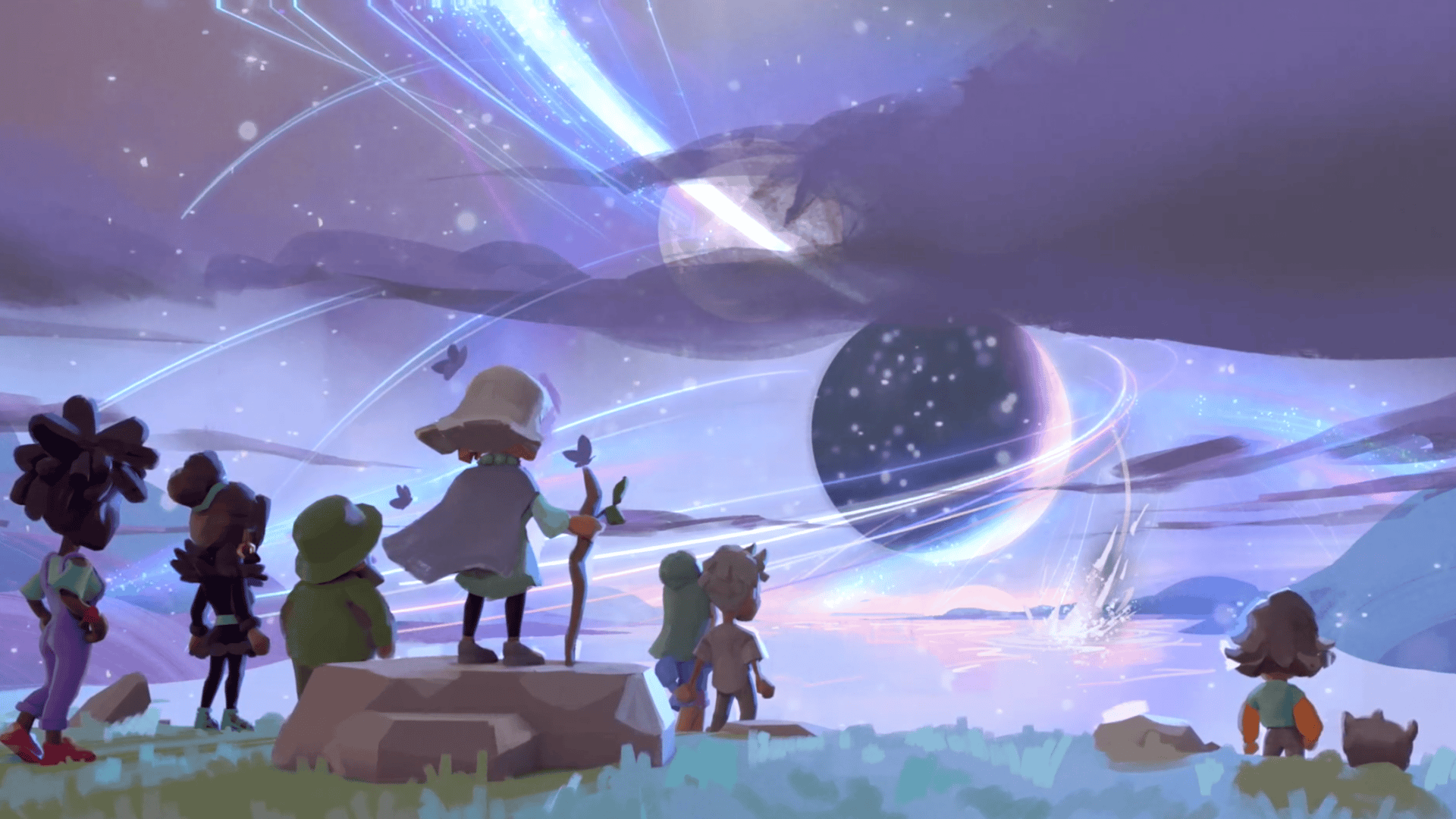
Moonfrost YouTube Soundtrack Screenshot
Moonfrost built the game around the soundtrack
Co-CEO Gina Nelson pushed for music to drive development from day one. Hoang's compositions came before final character designs, before environments, before most of the art. The team used the soundtrack as a creative anchor. Visual concept art was created alongside the music, not the other way around. Sound designer María Fernanda Castro matched the game's audio to the emotional tone Hoang established.
Nelson's take: "Every game I've worked on during my career had a soundtrack slapped onto it at the end, but because music is very important to me I believed we could do things differently."
The soundtrack doesn't just accompany Moonfrost. It defines it. The game's emotional core lives in the music, and everything else follows.

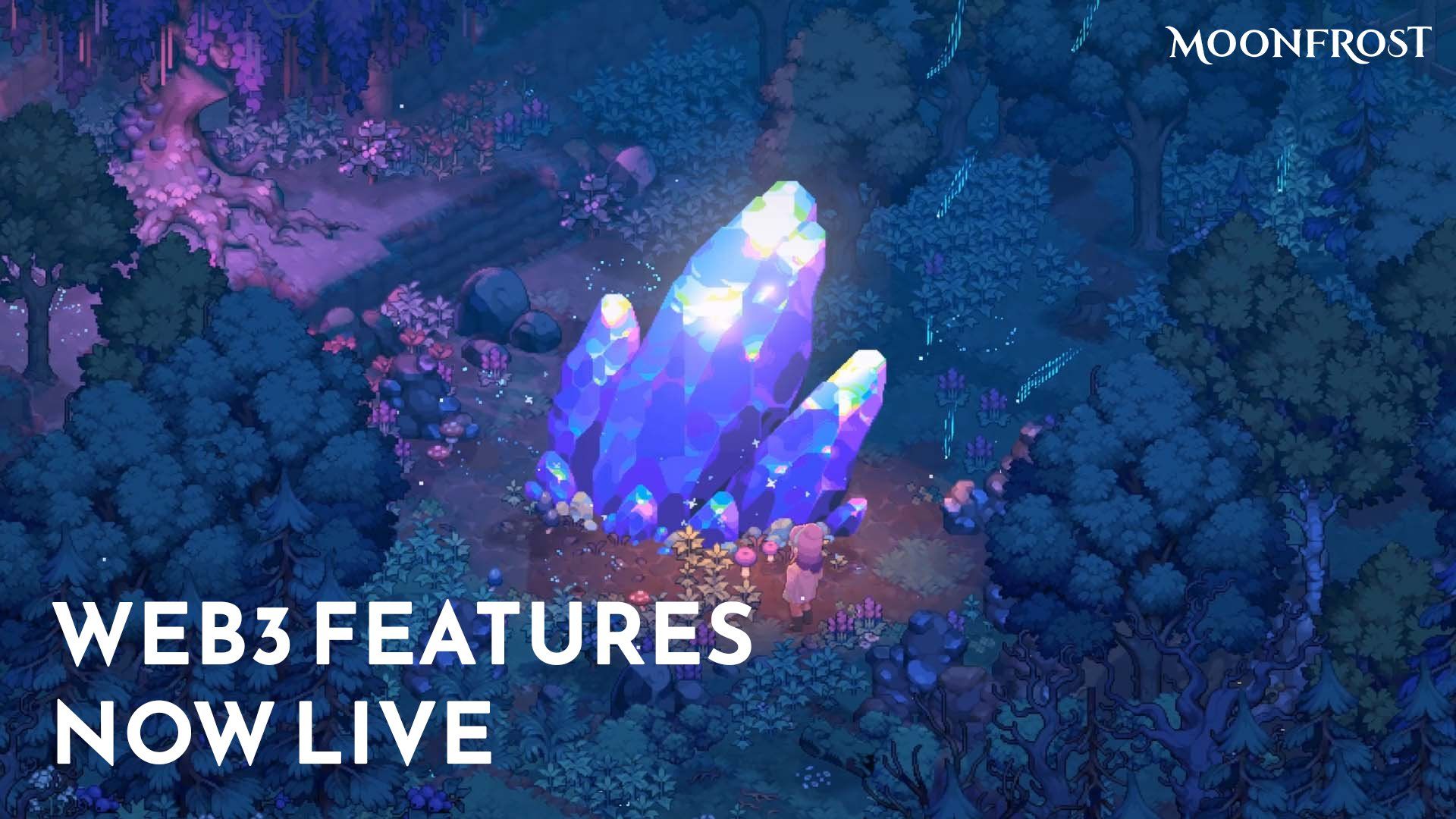
NPCs got Spotify playlists before character art
Moonfrost's team made Spotify playlists for NPCs to figure out who they were. Before sketching a single character design, they asked: what does this person listen to? The playlists shaped personality, backstory, and eventually appearance. Music became the foundation for character development.
The game also includes a radio feature that lets players control the soundtrack. It's a small touch, but the community response has been strong. Nelson called this audio-first approach "one of our greatest creative strengths," and player feedback on both the visuals and music supports that claim.
The full soundtrack drops on streaming platforms later this month, so fans can listen outside the game.
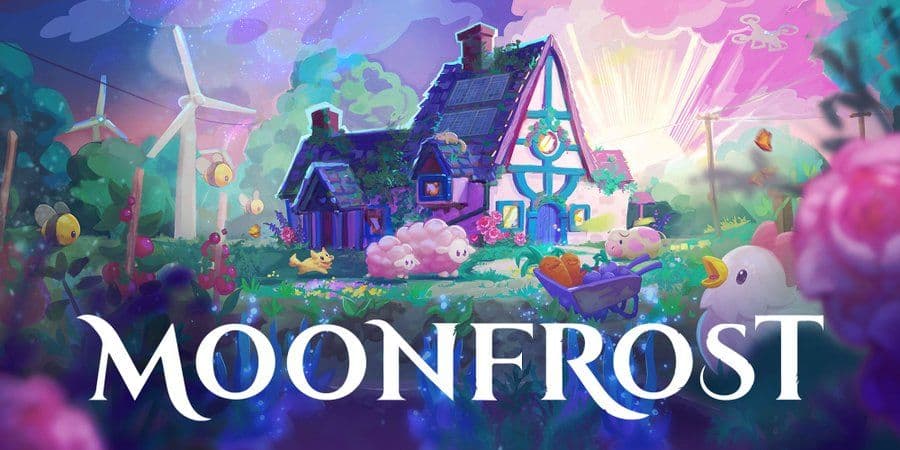
Moonfrost Logo and World Art
What Moonfrost actually is
Moonfrost is a life-sim farming RPG in development by Oxalis Games. It mixes Stardew Valley's structure with web3 features. You farm, gather, craft, decorate, and build relationships with NPCs while uncovering the story behind the mysterious Frost.
The game is single-player with social features and requires an internet connection. It's available on PC and mobile. Crops grow in real time, even when you're offline. No animals die in this game, which is a deliberate design choice.
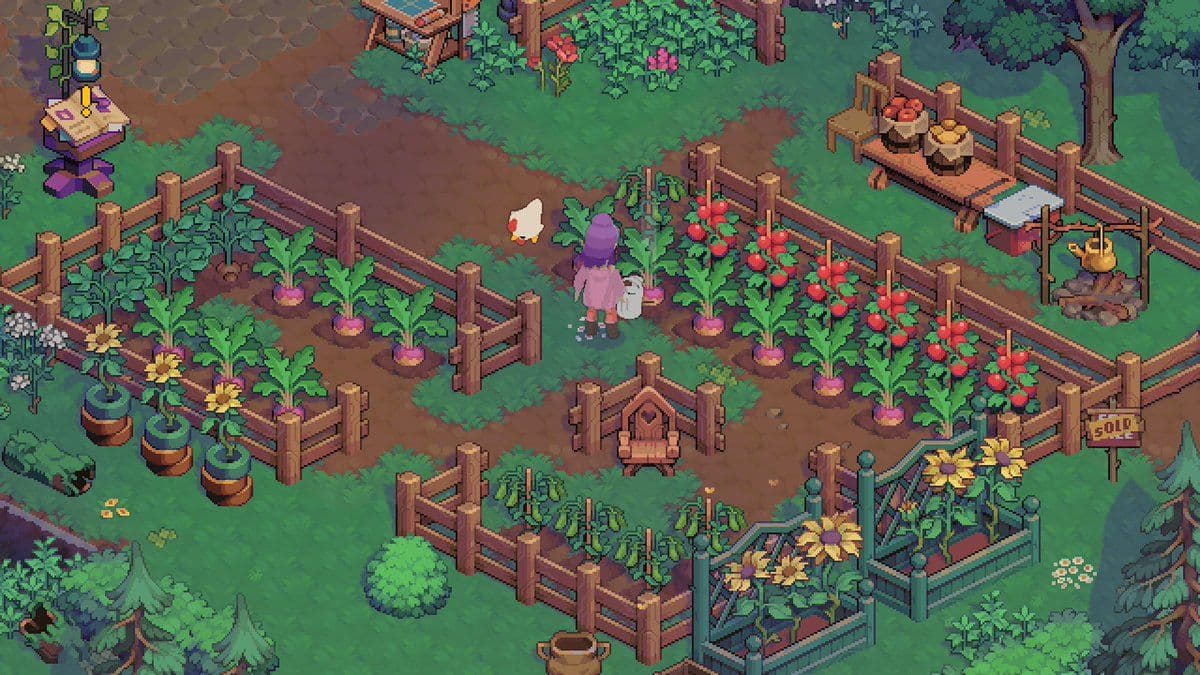
Moonfrost Gameplay
Final thoughts
Moonfrost's music-first approach is rare in web3 gaming. Most games treat audio as a final polish step. This one made it the foundation. The soundtrack is some of the best work I've heard in the space so far, and it shows in how tightly the game's audio and visuals fit together. If the rest of development holds to this standard, Moonfrost could set a new bar for how web3 games think about sound design.