

Nintendo has adopted Accessible Games Initiative tags, announcing its support on November 2, 2026. The labels give players shared terminology for identifying specific accessibility features before choosing a game.
The Entertainment Software Association leads the initiative, which has 25 tags covering auditory, gameplay, input, and visual features. Rather than using a single accessibility label, the system names individual options that players may need.
Tags distinguish different control requirements
Input support gets specific. The initiative separates games that support a particular control method from games that can be played without certain actions, such as holding buttons or making rapid presses.
Its input labels include:
- Playable without Button Holds and Playable without Rapid Button Presses, covering alternatives to those actions.
- Playable without Motion Controls and Playable without Touch Controls, identifying games that can be played without those input types.
That specificity is the point: a game offering an alternative to button-mashing answers a different accessibility requirement than one supporting touch-only play. Both have their own labels rather than being grouped under a broad description of control support.
Gameplay features have named tags, too. Difficulty Levels identifies adjustable difficulty, while Save Anytime describes saving flexibility. Stick Inversion and Camera Comfort are also part of the initiative’s terminology.
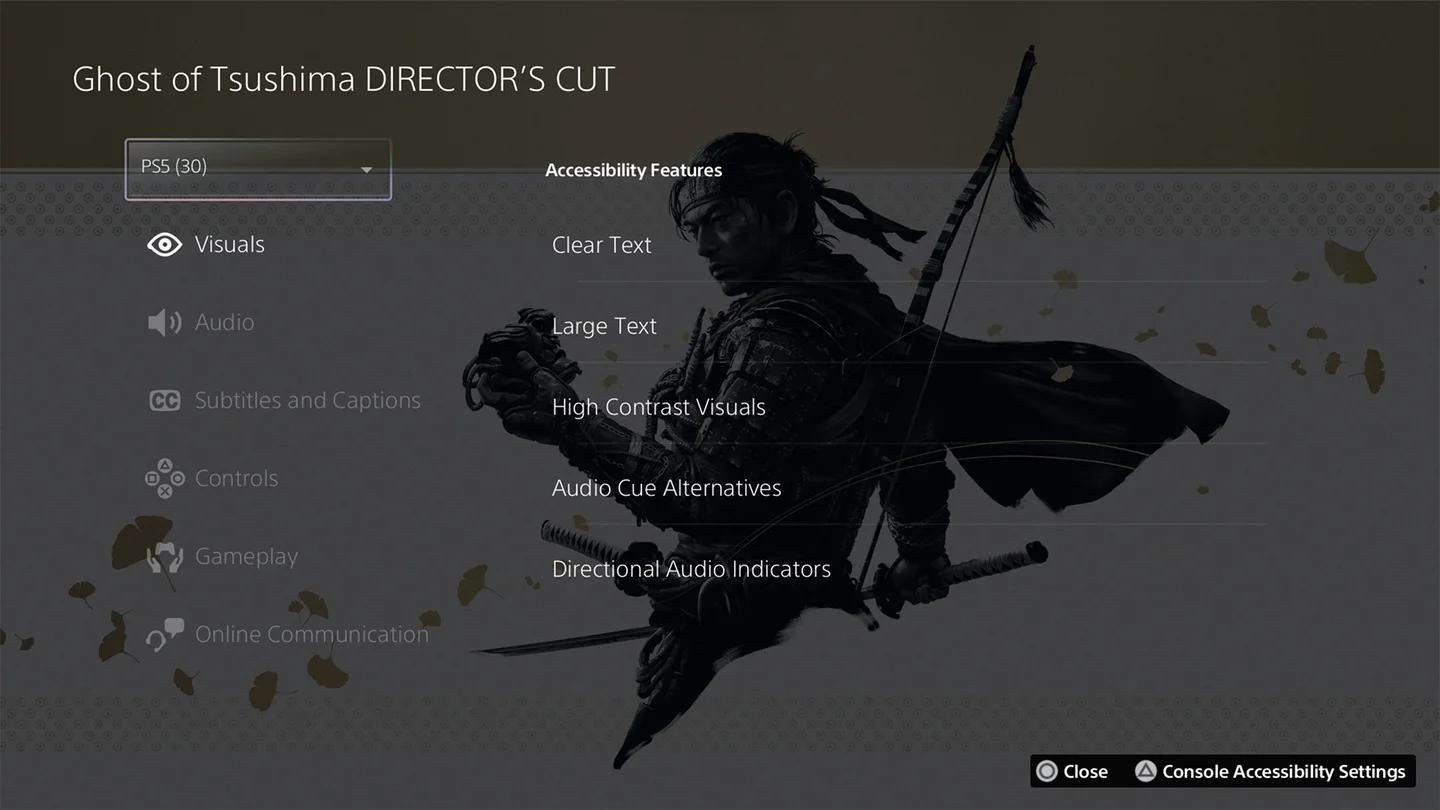
Text and audio features get separate labels
The reading and display options include Clear Text, Large Text, Color Alternatives, and Large & Clear Subtitles. Text-to-speech is among the accessibility features the initiative identifies.
Audio support is broken out into Mono Sound, Stereo Sound, and Surround Sound. Multiple Volume Controls has a separate label, giving players another specific feature to check rather than relying on a general description of sound options.
These are feature descriptions, with the terminology identifying what a game supports. The system’s stated purpose is to make those details easier to recognize when players are deciding what to play.
A shared system companies can adopt voluntarily
Accessible Games Initiative executive director Daniella Decker described the goal as “a shared language that makes accessibility features easier to recognize and games easier to discover.”
Decker also invited the wider industry to adopt the tags and help more people discover ways to play. For help with individual games after making your choice, browse the gaming guides.