

Twenty-five years ago today, Nintendo shipped a small purple box with a handle nobody ever really used, a disc bay that only fit mini-DVDs, and a library that would go on to define a generation of players. The Nintendo GameCube launched in Japan on September 14, 2001, and while it never won the sales war against the PS2, it produced some of the most beloved games in Nintendo's entire history.

Use code TRYHARD33 at checkout to redeem this offer before code expires again.
Get 33% Off GAMES+ Subscription
The console that led with fun
The GameCube's design philosophy was written all over its casing. Where Sony and Microsoft were busy positioning their consoles as living room entertainment hubs with DVD and CD playback, Nintendo stripped everything back to games. The mini-DVD format was a deliberate choice, and the four front-facing controller ports advertised the console's multiplayer credentials before you even plugged it in. No extra hardware required, no subscription needed. Just four controllers and a game like Mario Kart: Double Dash!! and you had an instant party.
That iconic purple controller, with its asymmetric face buttons and oversized A button, remains in active use today. Nintendo fans still pull it out for Super Smash Bros. tournaments, and the GameCube controller adapter for Nintendo Switch has been in near-constant production since 2014. That's not nostalgia for nostalgia's sake. That's a genuinely great piece of hardware that solved a specific problem better than anything that came after it.
A launch lineup that still holds up
Here's the thing: the GameCube may have had one of the strongest console launch lineups ever assembled. Luigi's Mansion, Wave Race: Blue Storm, and Pikmin arrived in Japan at launch, alongside Sega's Super Monkey Ball. By the time the console reached North America and Europe, that lineup expanded to include Tony Hawk's Pro Skater 3 and Star Wars Rogue Squadron 2: Rogue Leader, which genuinely looked like nothing else available at the time.
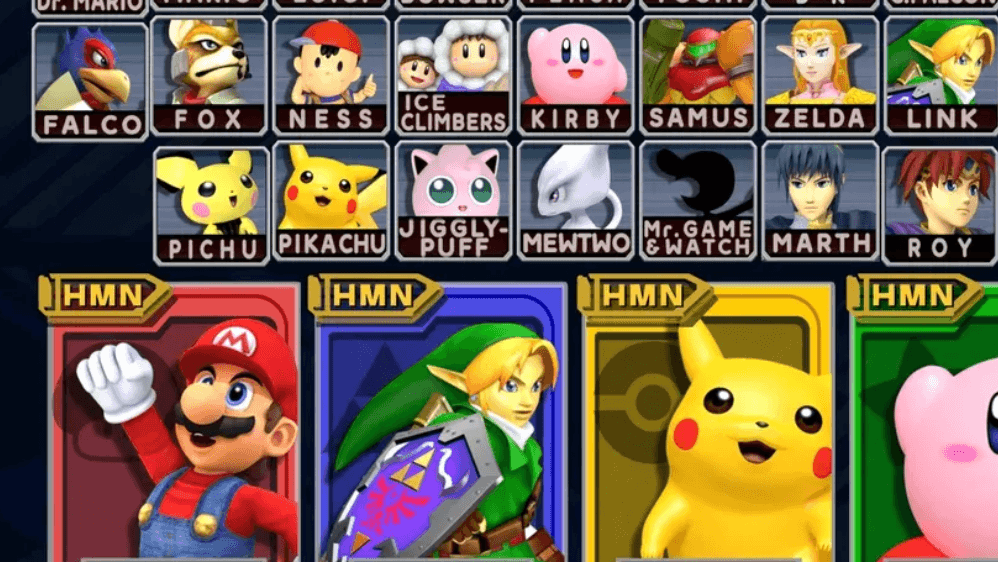
The hits kept arriving through the console's first year. Super Smash Bros. Melee set a competitive standard the series spent years trying to match again. Animal Crossing on GameCube laid the foundations for a franchise that would eventually sell over 43 million copies with a single entry on Switch. What most players miss when they look back at this era is just how quickly Nintendo stacked quality titles, one after another, in that first 12 months.
The library that made failure look like success
By the time the GameCube's run wound down, Nintendo had published Metroid Prime, Super Mario Sunshine, and The Legend of Zelda: Wind Waker. Third-party support delivered Skies of Arcadia Legends from a post-Dreamcast Sega, and the Capcom exclusivity deal produced Resident Evil 4, a game that reshaped the action genre and is still being remade and re-released over two decades later.
Nintendo also used the GameCube as a testing ground for genuinely strange ideas. Doshin the Giant, Odama, and Donkey Konga with its bongo drum peripheral were the kind of experimental swings that only Nintendo takes. Some titles, like Cubivore and Giftpia, never made it outside Japan at all. The willingness to publish something as unconventional as a microphone-controlled feudal pinball game, even if it sold modestly, says something about how Nintendo was operating at the time.
The raw numbers tell a different story. The GameCube moved 21.74 million units worldwide, trailing the PS2 by a wide margin, and the Nintendo Switch 2 surpassed that figure within its first year alone. The only Nintendo home console to sell fewer units was the Wii U. By commercial standards, the GameCube underperformed. By almost every other measure, it overdelivered.
What the GameCube's legacy actually looks like in 2026
The GameCube's influence is everywhere if you know where to look. Star Fox is back on Switch 2, and if you want to get the most out of that return, the Star Fox Switch 2 Corneria Challenge Mode guide covers every Normal and Expert challenge in detail. The franchise that got one of its best entries on GameCube with Star Fox Adventures is now finding new life on modern hardware.
Tomodachi Life: Living the Dream on Switch 2 carries DNA that traces back to the experimental, life-simulation energy Nintendo was channeling on GameCube with Animal Crossing. If you're planning to jump in at launch, the Tomodachi Life: Living the Dream release date and start times guide has your local launch time covered.
The GameCube never needed to win the console war to matter. Its library shaped Nintendo's creative direction for the next two decades, and the games it produced are still being discussed, replayed, and remade. Twenty-five years on, that purple box with the handle nobody used turned out to be one of the most important pieces of hardware Nintendo ever shipped. For everything else Nintendo has been up to lately, the gaming guides hub keeps you current across every platform.