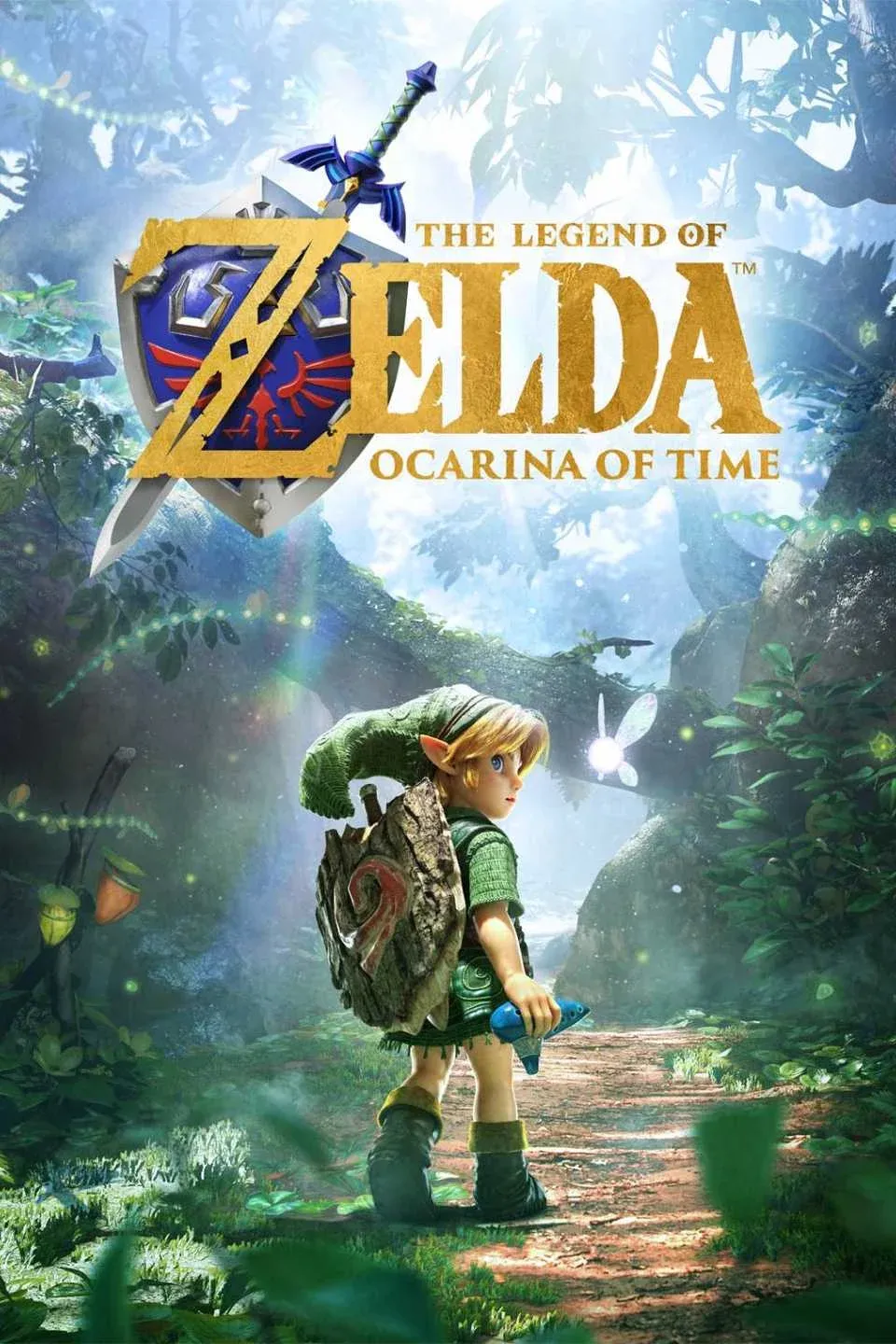


Nintendo has updated the official The Legend of Zelda timeline, and the changes are turning heads. Timed alongside the upcoming Switch 2 release of Zelda: Ocarina of Time on November 5, 2026, the updated entries appear to confirm one of the franchise's most discussed fan theories: that there are actually two distinct Hyrules across the series' chronology.
The two Hyrules theory, now looking a lot more official
Here's the lowdown. The theory holds that Hyrule is founded twice: once following the events of Skyward Sword, and again after the timeline's reunification and before Breath of the Wild begins. For years this was squarely in fan theory territory, the kind of thing that made for great YouTube deep dives but nothing Nintendo would ever formally acknowledge.
The updated timeline changes that. New entries now list the 'founding of Hyrule' at two separate points, once near the very beginning of the chronology and again toward the end. The implication is direct: when Zelda travels back in time during Tears of the Kingdom and witnesses Hyrule's founding, she is actually present for the second founding, not the original one.
That single detail reframes a major story beat from Tears of the Kingdom in a way that makes the larger continuity feel a lot more deliberate.
What the Ocarina of Time remake is quietly doing to the series' iconography
The timeline update is not the only thing worth paying attention to here. The Switch 2 remake of Ocarina of Time contains several visual details that appear designed to connect the game more explicitly to later entries in the series.
The pattern displayed when using the Lens of Truth, a Sheikah relic in the game, features a swirling texture that closely resembles the ancient Sheikah device designs seen throughout Breath of the Wild. That same pattern also appears on Impa's armour in the remake. On their own, these could read as coincidental art direction choices. Together with the timeline update, they look more like intentional continuity work.
There is also a detail involving certain Kokiri characters. The tattoos on Mido and the Kokiri shopkeeper are nearly identical in pattern to the markings on Queen Sonia from Tears of the Kingdom. That is a specific visual callback across two games separated by decades of real-world development, and it is hard to read as accidental.
Nintendo playing a longer game with series continuity
What most players miss about the Zelda timeline is that Nintendo has always maintained it sits secondary to gameplay. The company has said as much publicly over the years. But the Ocarina of Time remake suggests that position is softening, at least when it comes to visual and structural consistency.
The key here is that these changes are happening around the franchise's 40th anniversary. Nintendo is clearly investing in the idea of Zelda as a cohesive mythology, not just a collection of loosely connected adventures. Updating the official timeline, aligning remake art direction with later titles, and releasing this version of Ocarina of Time as a marquee Switch 2 launch window title all point in the same direction.
The Zelda 40th Anniversary Direct earlier this month already packed in a significant number of announcements. This timeline update is a quieter move, but for the portion of the fanbase that has spent years mapping out Hyrule's history, it lands just as loud.
For anyone wanting to get deeper into the series' lore and mechanics ahead of the November 5 launch, the Legend of Zelda guide collection has you covered on everything from story context to gameplay systems across the franchise.