

Nintendo's share price fell 7 percent when Japanese markets opened on May 11. The culprit is straightforward: a price increase that still doesn't cover rising production costs, paired with a 2026 release calendar that's missing the heavy hitters investors expect.
The price hike that didn't fix anything
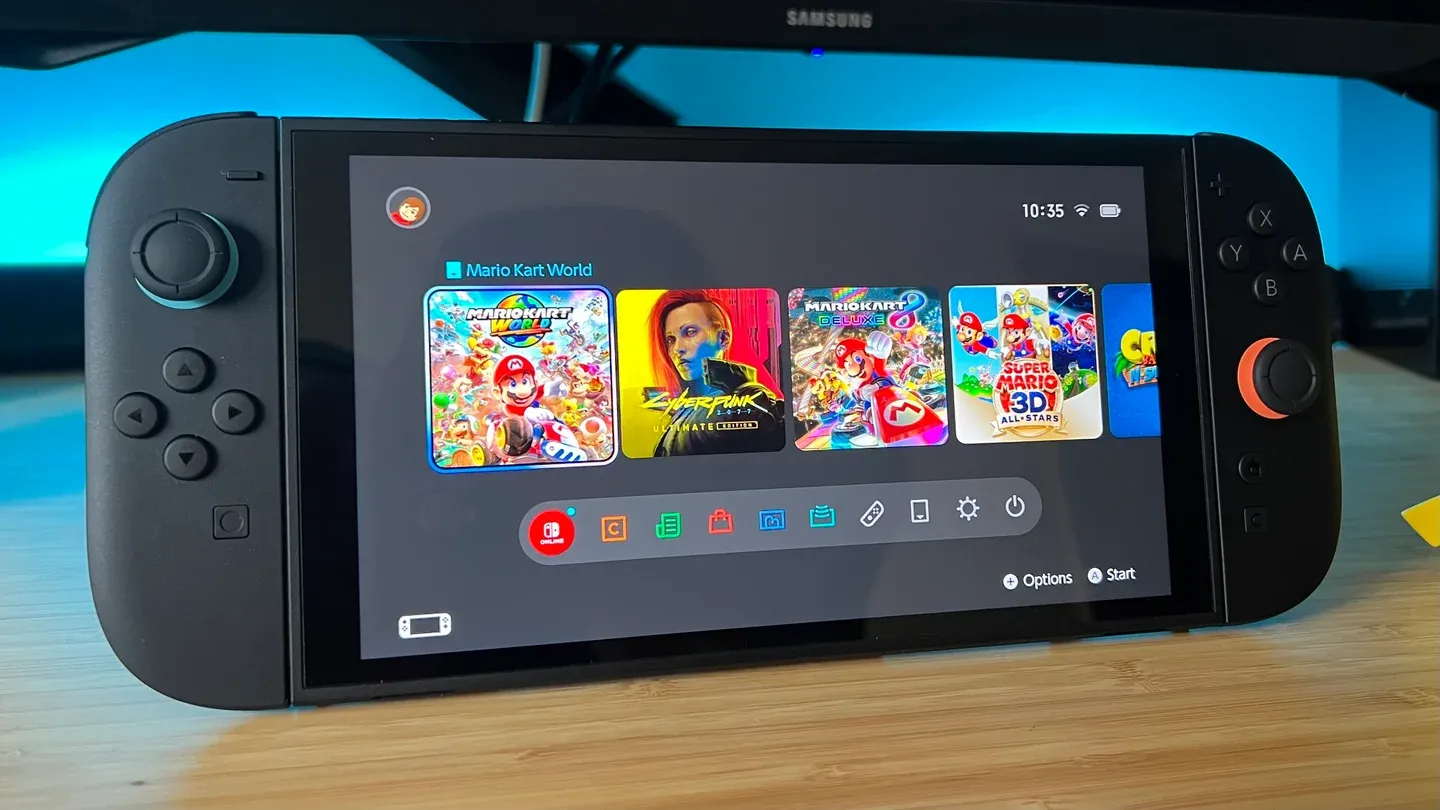
Last week, Nintendo raised the Switch 2's price by $50, an attempt to stabilize investor confidence after five straight months of declining share prices. The company also cut its own sales forecasts for the console over the next year. This happened despite strong early performance: 20 million units sold and 50 million games shipped in the first nine months.
Markets care about what happens next, not what already happened. What happens next is more financial pressure. Nintendo president Shuntaro Furukawa stated that the price increase "does not fully account for all cost increases." He pointed to rising computer component prices, driven by the AI hardware race, and a spike in oil costs. The international price hikes rolling out in September are also smaller than the domestic increases, which means the gap between revenue and production costs isn't closing fast enough.
While Nintendo's shares dropped 7 percent, Sony saw its stock jump 10 percent the same day. That contrast speaks for itself.
Why the 2026 game slate is making everything worse
Nintendo's financial squeeze would be easier to manage if a blockbuster game was on the horizon. There isn't one.
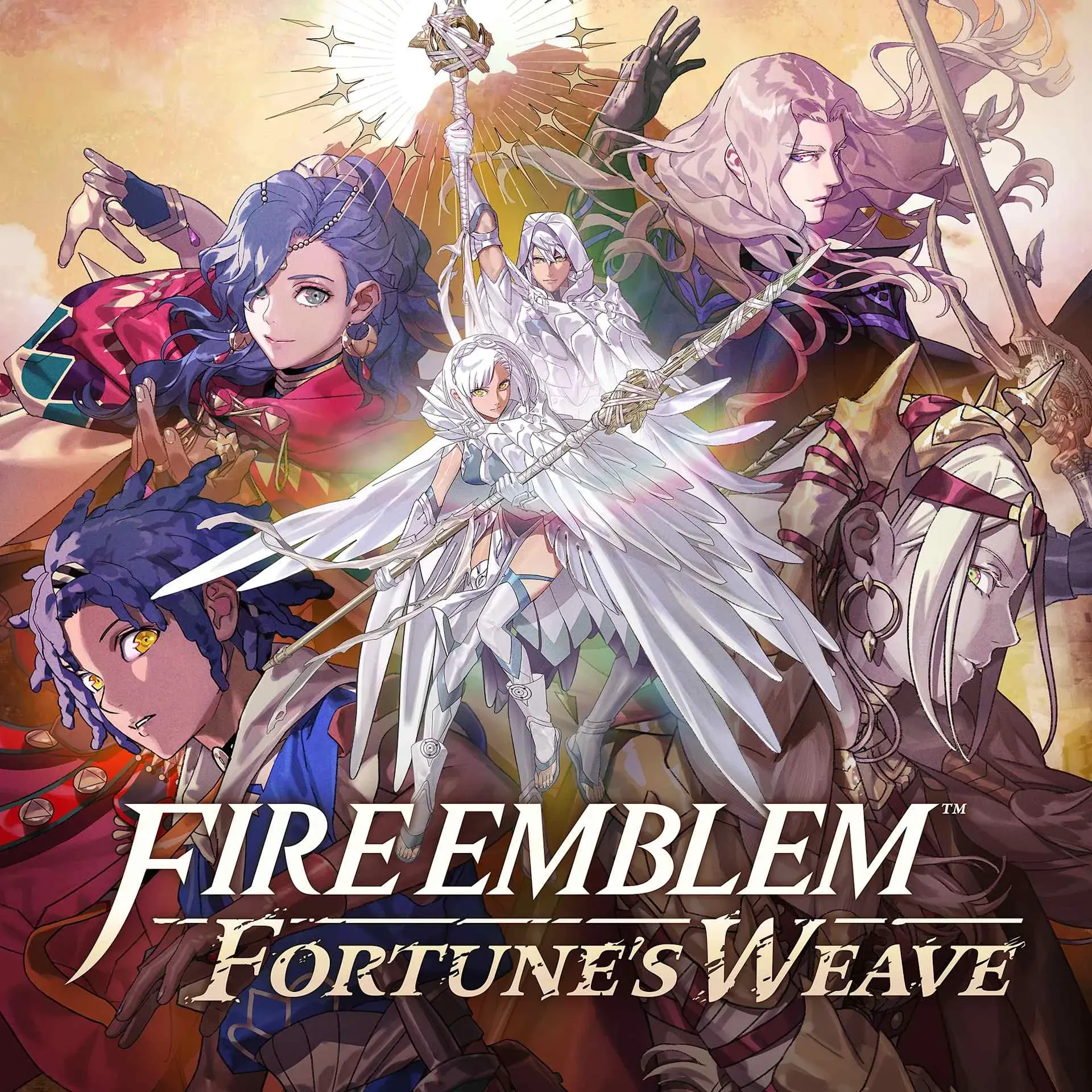
Pokémon Pokopia performed well, but it already launched. The next mainline Pokémon game won't arrive until 2027. What remains for 2026 is a Star Fox refresh, another Splatoon entry, and Yoshi and the Mysterious Book. Those games are fine, but none of them are system sellers that make shareholders confident about holiday earnings.
The absence of any new 3D Mario or any update on The Legend of Zelda is the loudest silence. FromSoftware'sThe Duskbloods is the most prominent third-party title scheduled, and Nintendo is clearly positioning it as a major Switch 2 release. But a single third-party exclusive, no matter how good, doesn't replace Nintendo's own flagship franchises.
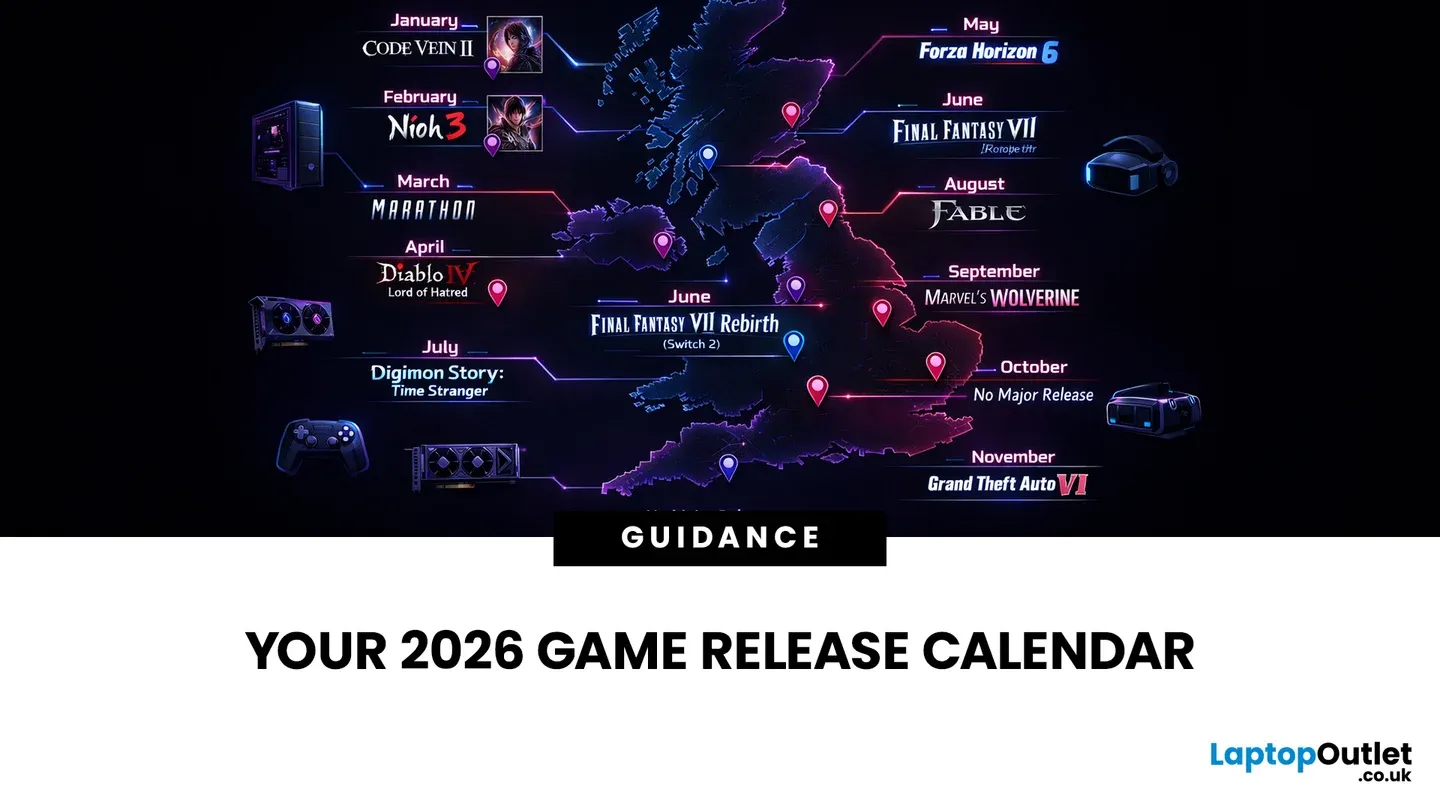
Nintendo's 2026 release gaps
What most players miss about Nintendo's business model
Sony and Microsoft can absorb hardware losses because they're large, diversified companies. Sony can tell investors it plans to sell fewer PS5 units at better margins, while pointing to its film, music, and electronics divisions as backup. Nintendo, aside from its roughly one-third stake in the Pokémon Company, is primarily a video game business. There's no diversified portfolio to cushion a bad quarter.
That structural reality makes the current situation more urgent than it appears. Nintendo has always operated on its own timeline, famously resistant to external pressure. That independence has worked for decades. Right now, the market is making a clear argument that a major announcement about what's coming from its core franchises would stabilize confidence before the year ends.
For players keeping tabs on what's worth buying and what's coming up, check out our game reviews and gaming guides for the latest on Switch 2 titles already available.
With the holiday season approaching and no Mario or Zelda announcement in sight, the pressure on Nintendo to reveal its plans is only going to increase.