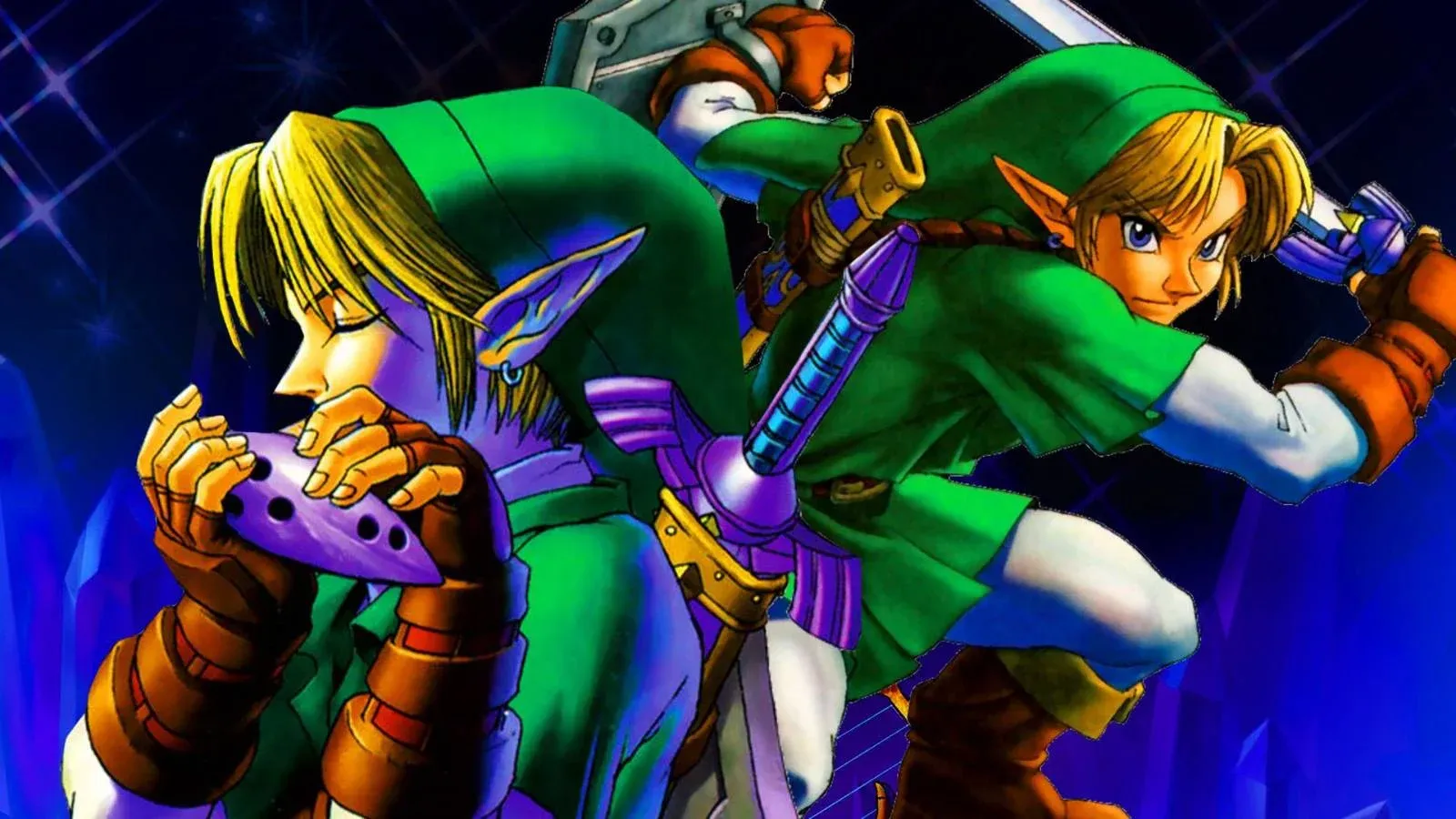


Nintendo has the deepest nostalgia well in gaming. The question former insiders are now asking out loud is whether the company is drinking from it too often.
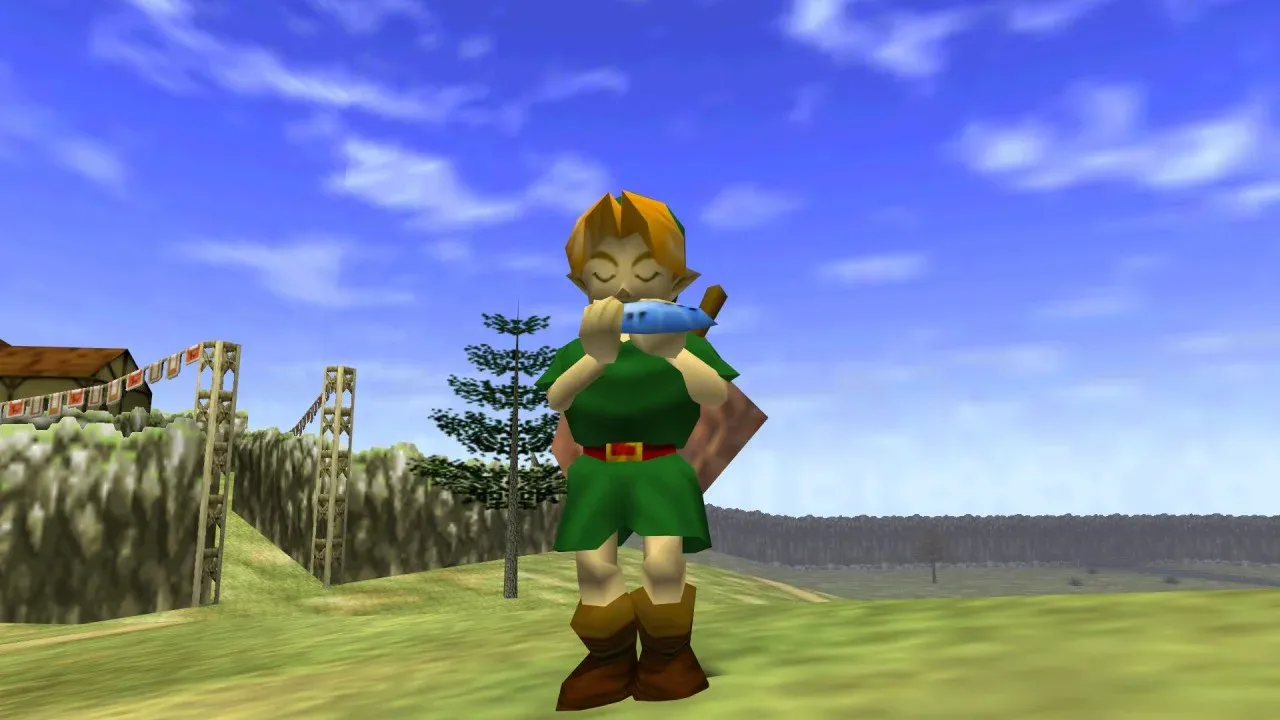
Ocarina of Time's iconic Link
Former Nintendo marketing leads Kit Ellis and Krysta Yang, who spent nearly two decades at the company spanning the Wii era through 2022, published a YouTube video this week titled "Nintendo Needs More Than Just Nostalgia Right Now." Their argument centers on a straightforward concern: leaning on the late '90s catalog might keep the lights on, but it won't build the next generation of fans.
Use code TRYHARD33 at checkout to redeem this offer before code expires again.
Get 33% Off GAMES+ Subscription
What the insiders actually said
"They certainly have the most nostalgia available to them of pretty much everybody in gaming," Ellis says in the video. The confirmed Star Fox 64 remake, set for a June 25 launch, and the heavily rumored The Legend of Zelda: Ocarina of Time remake are the clearest examples of this strategy in action. Both games are approaching 30 years old. Both will almost certainly sell well.
Ellis frames it as a logical business move: "The game design work is done, and we know the game is good. We can update the graphics." The audience is pre-built, nostalgic, and financially established. For Nintendo's quarterly numbers, the math works.
But Yang and Ellis are worried about something the spreadsheets don't capture.
The "Nintendo adults" problem
The pair point to a specific dynamic forming around Nintendo's fanbase: a core group of adult fans, mostly in their late 30s and 40s, who will enthusiastically buy anything Nintendo releases. That loyalty sounds like an asset, but Ellis and Yang argue it's actually creating a kind of ceiling.
"You made this to try and cultivate the next generation of fans," Ellis says, addressing Nintendo directly, "and now those people are kind of not letting that happen."
The concern is that when Nintendo does attempt to reach younger audiences, those efforts get absorbed and celebrated by the existing adult fanbase rather than actually pulling kids in. Products designed as entry points for children end up appealing more to their parents.
This isn't a new tension in gaming. Many adventure games have faced the same challenge of balancing legacy appeal with new player acquisition, and the ones that got it right typically introduced genuinely fresh mechanics rather than banking on brand recognition alone.
Nintendo used to be the company that scared itself
Here's the thing: the Nintendo that Ellis and Yang remember from inside the building was actively resistant to nostalgia as a strategy. Yang recalls that during the Satoru Iwata era, "'innovative' was a word that came up all the time in terms of how they would describe themselves."
Ellis puts it plainly: "When we worked there, there were so many examples of them not just telling us, but showing us, it's like, 'We do not want to be a nostalgic company.' The minute you start to coast on your nostalgia, it's kind of over for you, in terms of a forward-looking thing."
That version of Nintendo published Eternal Darkness: Sanity's Requiem on GameCube. It ran N64-era commercials telling kids to "play it loud" over grunge music. It was, by any measure, a company willing to be strange.
Switch 2 lineup under scrutiny
The current Switch 2 lineup isn't completely without personality. Drag x Drive, a wheelchair basketball game released in 2025, showed genuine willingness to experiment, even if it underwhelmed commercially. The new Tomodachi Life has been a genuine hit, popular enough that players started using carrots as touchscreen styluses. But Ellis and Yang's point stands: these feel like exceptions, not a philosophy.
What this means for players watching the 2026 lineup
If the Ocarina of Time remake materializes and Star Fox 64 ships on June 25 as planned, two of Nintendo's biggest 2026 releases will be games that originally launched in 1997 and 1997, respectively. That's not inherently wrong. Remakes of genuinely great games serve real purposes, and few gaming guides collections cover titles as beloved as those two.
The risk Yang identifies is subtler: "For a truly creative company like Nintendo, that would be so sad if they kind of buried that part of themselves away because they were too scared to take the risk."
Nintendo isn't ignoring new audiences entirely. But the gap between what the company once stood for and what its 2026 release slate communicates is wide enough that two people who spent nearly 20 years marketing that brand felt compelled to say something about it publicly. That's worth paying attention to. If you want to see how other developers have handled the balance between nostalgia and innovation, the Ori and the Will of the Wisps approach, building on familiar foundations while pushing the design forward, offers an interesting contrast to Nintendo's current direction.