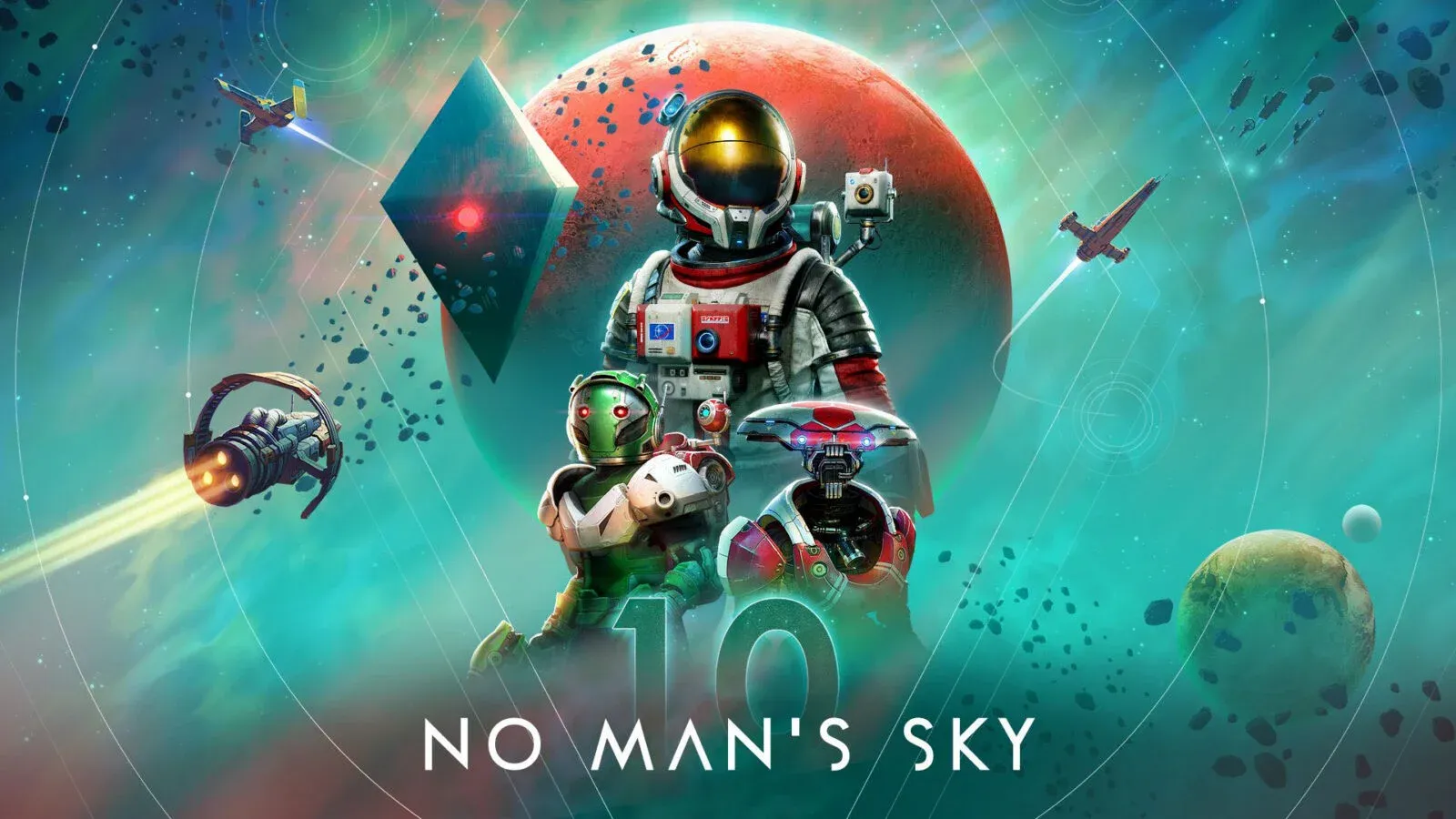


Ten years. Tens of millions of players. Hundreds of millions of hours logged. And No Man's Sky has barely been touched.
On August 10, Hello Games founder and managing director Sean Murray published an open letter to the community marking the game's 10th anniversary, and buried inside the celebration was a number that stops you cold: after a full decade of exploration, players have visited less than 1% of the planets in No Man's Sky. The other 99% and change? Completely untouched. Never seen by human eyes.
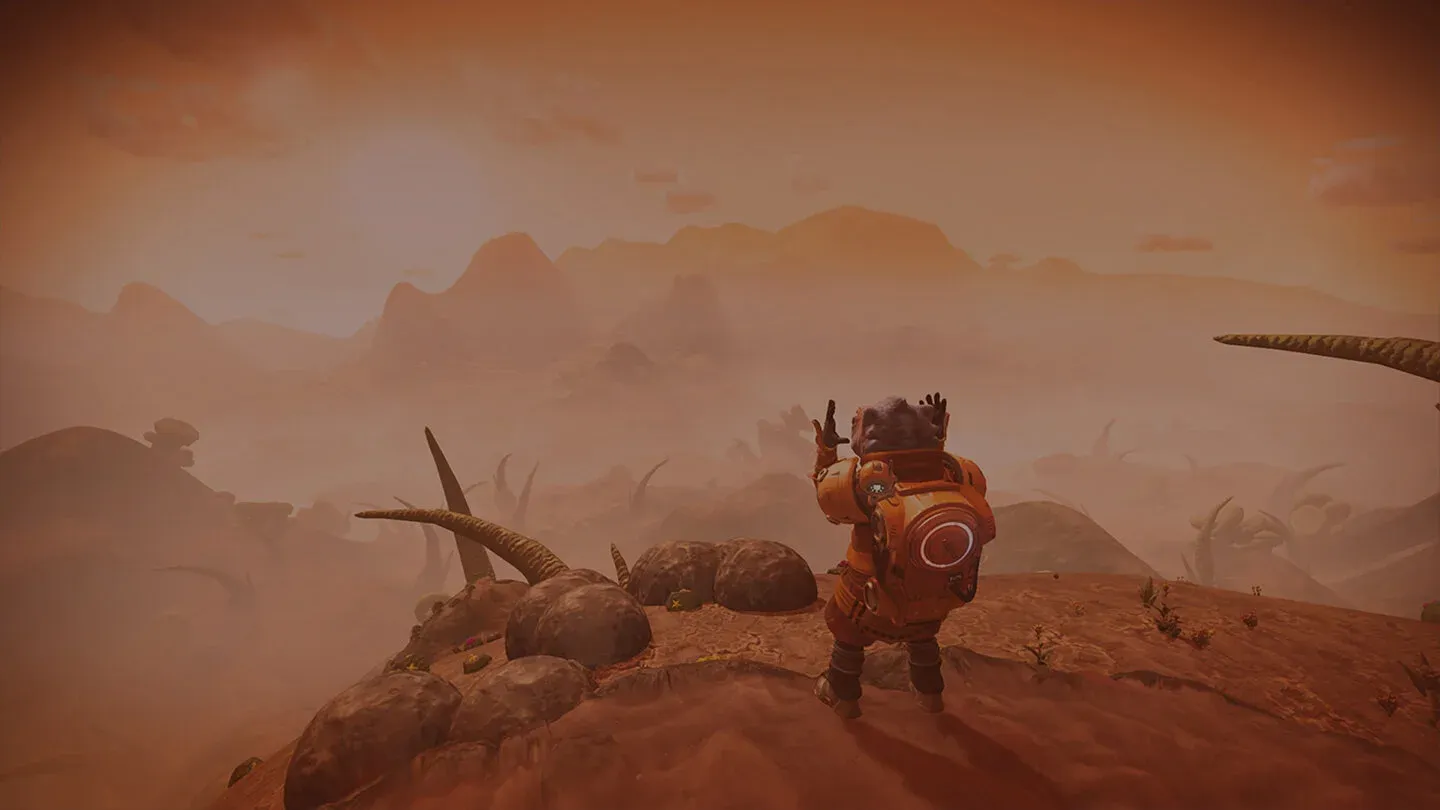
Over 18 quintillion planets waiting
What 18 quintillion planets actually looks like in practice
Here's the thing about that statistic: it's almost impossible to process without context. No Man's Sky contains over 18 quintillion procedurally generated planets. That's 18,000,000,000,000,000,000. Studio estimates put the time required to visit every single one at roughly 585 billion years. For reference, the universe itself is only about 13.8 billion years old.
So yes, less than 1% explored after a decade makes complete mathematical sense. That doesn't make it any less staggering to read.
The procedural generation system means every one of those planets is technically unique, with its own terrain, atmosphere, flora, fauna, and resource distribution. Players landing on a planet today are almost certainly the first sentient beings to ever set foot on it. That was the original promise of No Man's Sky, and it's one the game has quietly kept the entire time.
The comeback story nobody expected in 2016
If you were around at launch, you remember how bad it was. No Man's Sky shipped on PS4 and PC in August 2016 to a wall of criticism. The gap between what was shown and what players actually got was significant enough that Steam user reviews cratered to the platform's lowest ratings tier almost immediately. Tim Woodley, Head of Publishing at Hello Games, later described how difficult it was to even move the needle on those Steam reviews from such a low starting point.
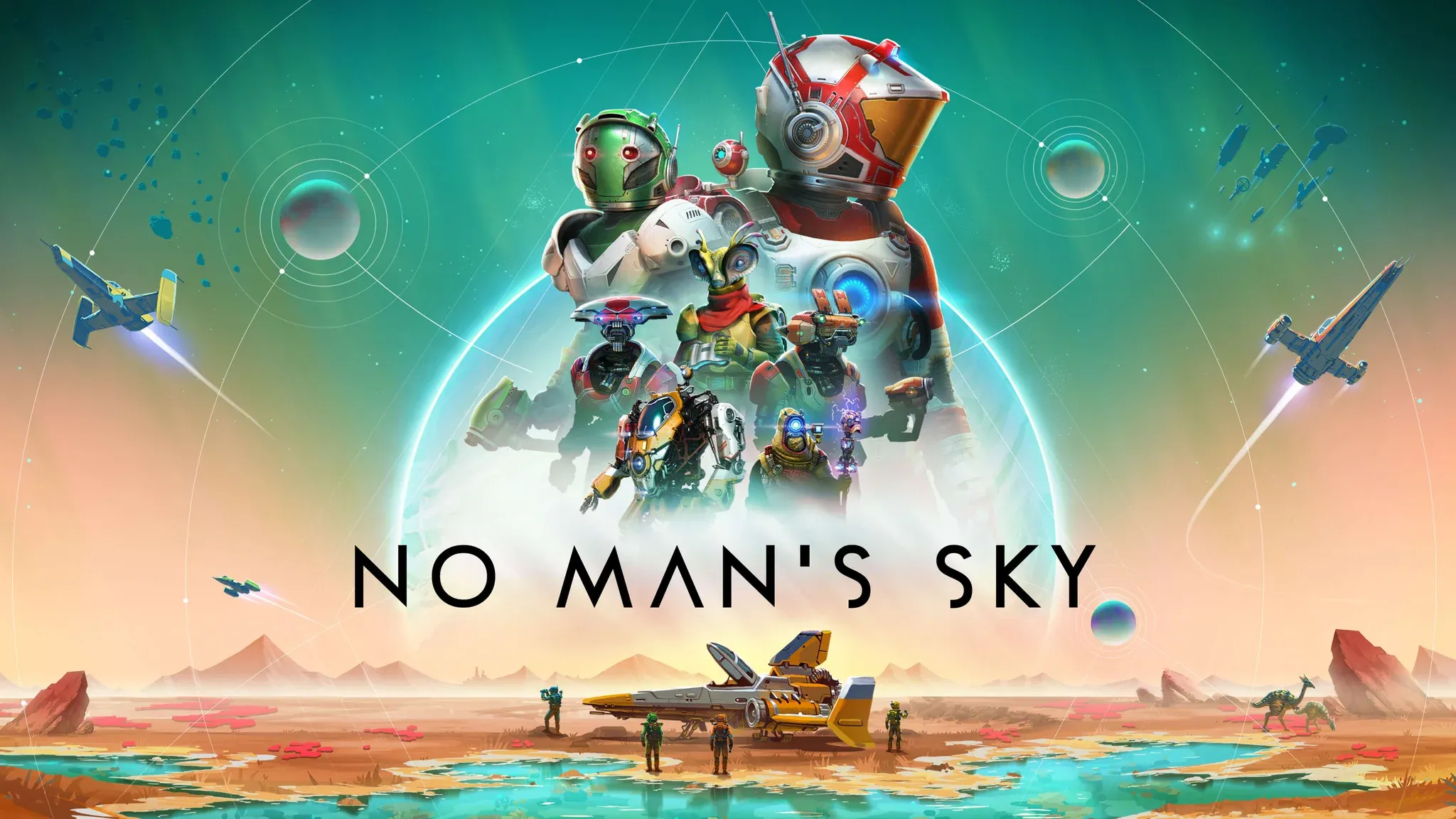
The recovery took years. Mixed, then mostly positive, then very positive. It happened update by update, feature by feature. Hello Games shipped 40 major updates over the decade, all of them free. Base-building, exocraft, settlements, mechs, pets, living ships, expeditions. The game was rebuilt several times over. Support expanded to Switch, Xbox, VR, PSVR, Switch 2, PS5, and more.
The result is that 2026 saw No Man's Sky hit its highest player numbers since launch. A decade after release. That's not a common trajectory for any game, let alone one that launched the way this one did.
Murray's letter and what it signals about the future
Murray's anniversary message wasn't just a victory lap. It contained two forward-looking pieces of information that matter for anyone still playing or thinking about jumping in.
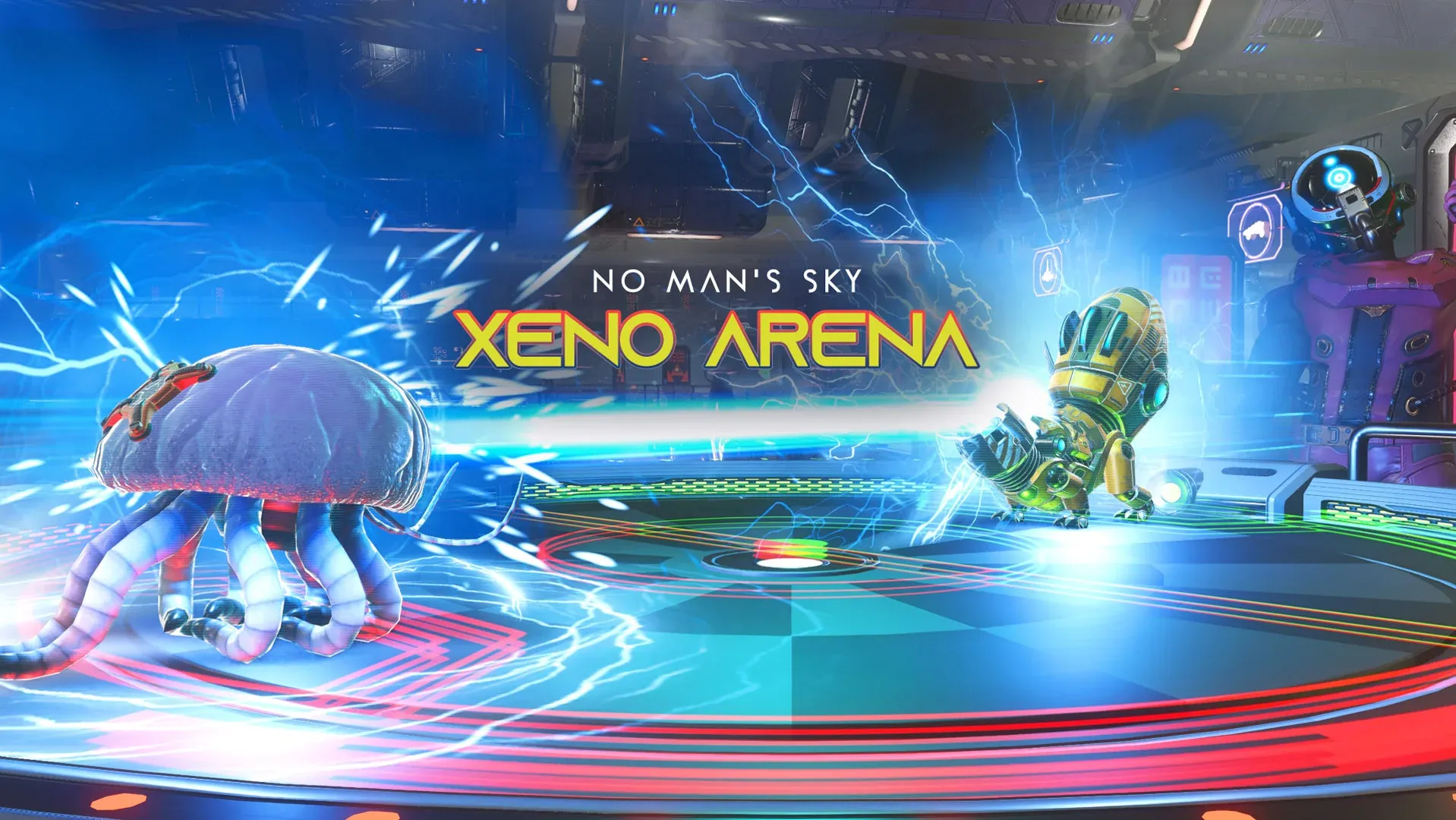
First, a new update titled COSMOS was teased. No details yet beyond the name, but given the anniversary context and the game's track record of substantial content drops, it's worth paying attention to. The No Man's Sky update 6.4 patch notes for The Swarm give a sense of how substantial recent updates have been, with new enemy types, expedition content, and space combat changes all arriving in a single drop.
Second, Murray confirmed that Light No Fire, Hello Games' next game, is still in active development alongside ongoing No Man's Sky work. Light No Fire is a fantasy exploration and survival game set on a single Earth-sized planet, first shown at The Game Awards 2023. Murray told Xbox: "As long as the team are having fun conjuring up ever-crazier additions they want to add to the game, and as long as there is a passionate and positive community enjoying what they make, I'd love for this journey to continue."
That's not a studio winding down support. That's a studio that figured out what it is and plans to keep doing it.
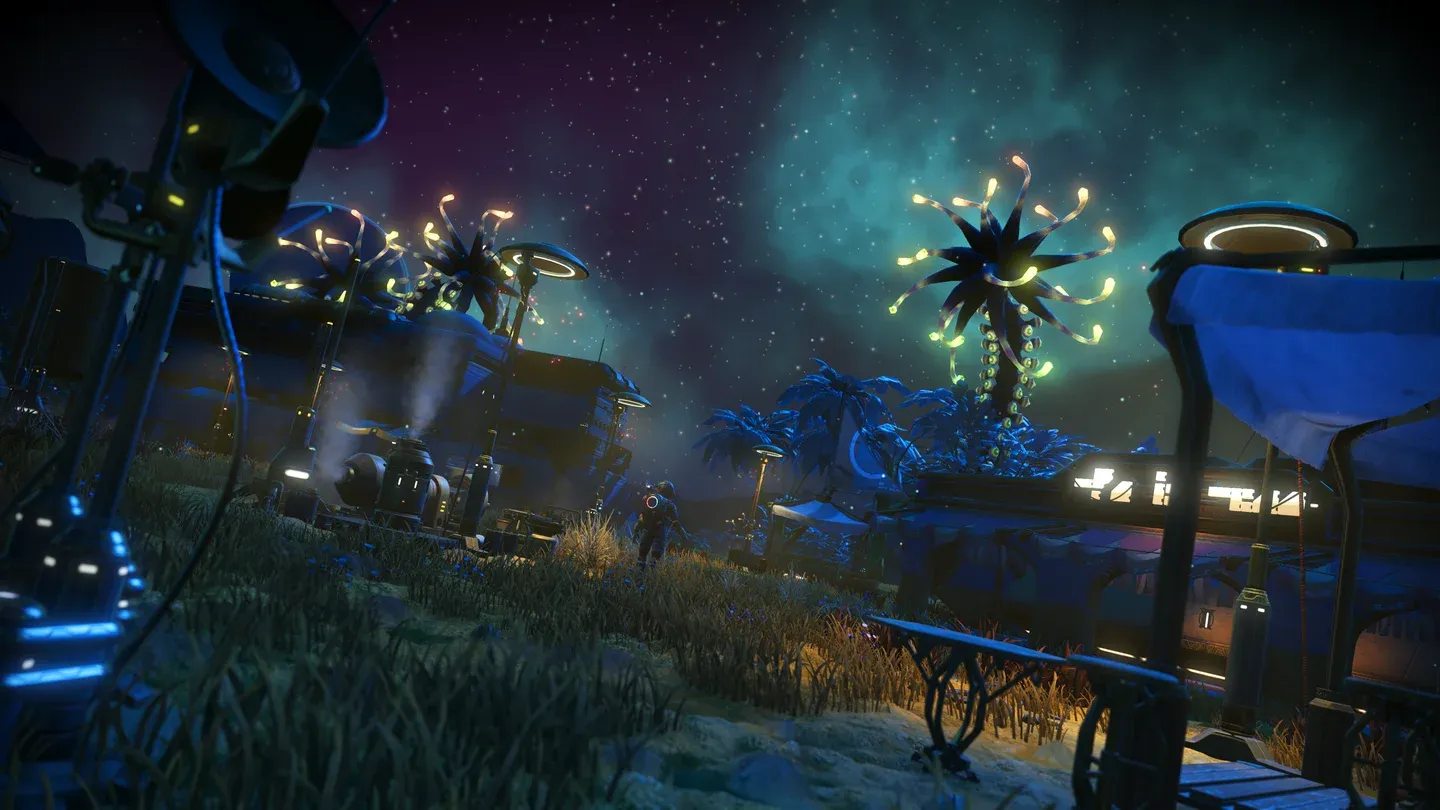
No Man's Sky saw 40 free updates in 10 years
The actual scale of what Hello Games built
The 1% statistic is the headline, but the player count stat sitting next to it is arguably more impressive from a game industry perspective. Most live-service games see their peak player numbers at or near launch, then decline. No Man's Sky peaked in 2026, a full decade in. The Voyagers update released in 2025 drove player counts higher than anything since the original launch window.
For context, the team behind all of this is not large. Murray mentioned in his letter that No Man's Sky is supported on roughly as many platforms as there are team members at Hello Games. That's a small studio by any measure, delivering free content updates that have kept a game commercially relevant for ten years.
If you're the type of player who has been sitting on the fence about No Man's Sky, the current state of the game is about as far from the 2016 launch version as you can get. The No Man's Sky Expedition 22 Swarm guide is a good entry point for understanding how structured the expedition content has become, with faction choices and phase-by-phase objectives giving players a directed experience within that otherwise boundless universe.
The Cosmos update is coming. The player base is growing. And 99% of the universe is still out there, waiting. For everything you need to get up to speed before that next drop, the full No Man's Sky guides collection covers the current state of the game across exploration, resources, and expeditions.