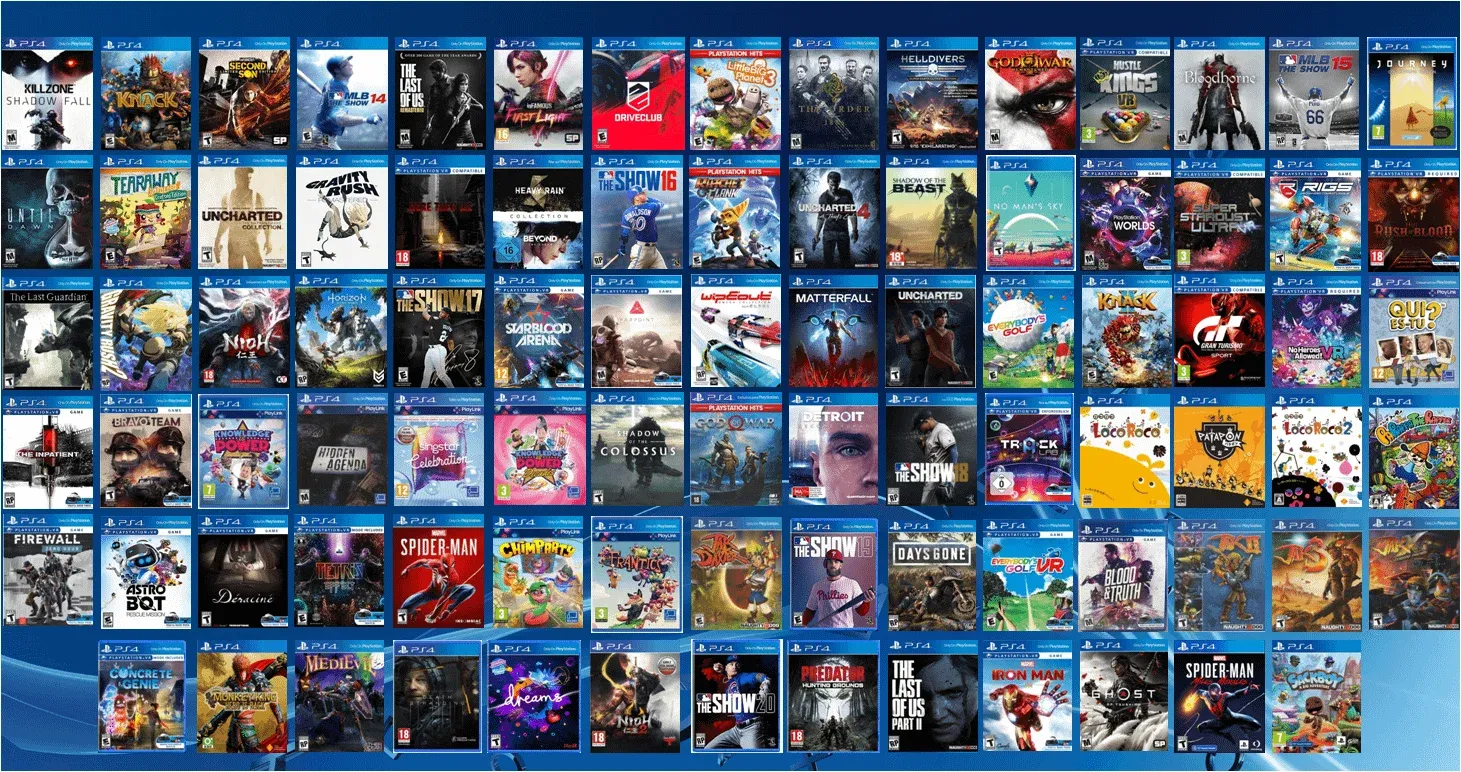


Five years of consecutive decline is a hard number to spin. New sales data tracking PlayStation first-party output shows that Sony's studios have sold fewer titles every single year since 2020, and by 2024, that figure had dropped to less than half of what it was at the peak.

Use code TRYHARD33 at checkout to redeem this offer before code expires again.
Get 33% Off GAMES+ Subscription
What 2020 actually looked like
2020 was, by any measure, a stacked year for Sony. The PS5 launched. The Last of Us: Part II shipped. Ghost of Tsushima dropped. That combination produced a high watermark that would have been difficult to sustain under any circumstances, and Sony's own annual financial results acknowledged how much those titles drove performance that year. Add in the fact that COVID-19 lockdowns pushed game sales across the board to historic highs, and you have a baseline that was always going to be tough to beat.
The problem is that five years later, the gap has only grown wider.
The pipeline problem behind the numbers
Here's the thing: the sales decline isn't purely a demand issue. Several of PlayStation's biggest studios simply haven't shipped anything new in years. Naughty Dog released The Last of Us Part I in 2022, but that was a remake of a 2013 game. Their next original title, Intergalactic: The Heretic Prophet, is still in development. Media Molecule hasn't shipped a new game since Dreams launched in February 2020.
Haven Studios, which Sony acquired in 2022, has yet to release its debut game. The studio's project, which has been circulating under the working title Fairgame$ and is now rumoured to be called Break In, was expected to appear at today's State of Play broadcast.
Blockbuster game development simply takes longer now. Budgets are larger, scopes are wider, and teams are bigger. That's an industry-wide reality, not a PlayStation-specific one. But when you have a portfolio of premium studios and a significant portion of them haven't shipped in multiple years, the sales data reflects that absence directly.
Ghost of Yotei and what a single release can do
The data did show one notable spike: Ghost of Yotei, which launched in October last year, produced a brief but measurable jump in first-party sales figures. That single title was enough to move the needle. It's a clear illustration of how dependent PlayStation's first-party numbers are on a small number of major releases, and how much damage a quiet year does to the overall picture.
For players keeping tabs on what's coming, check out our game reviews for coverage of recent PlayStation releases.
What's actually coming and why it matters
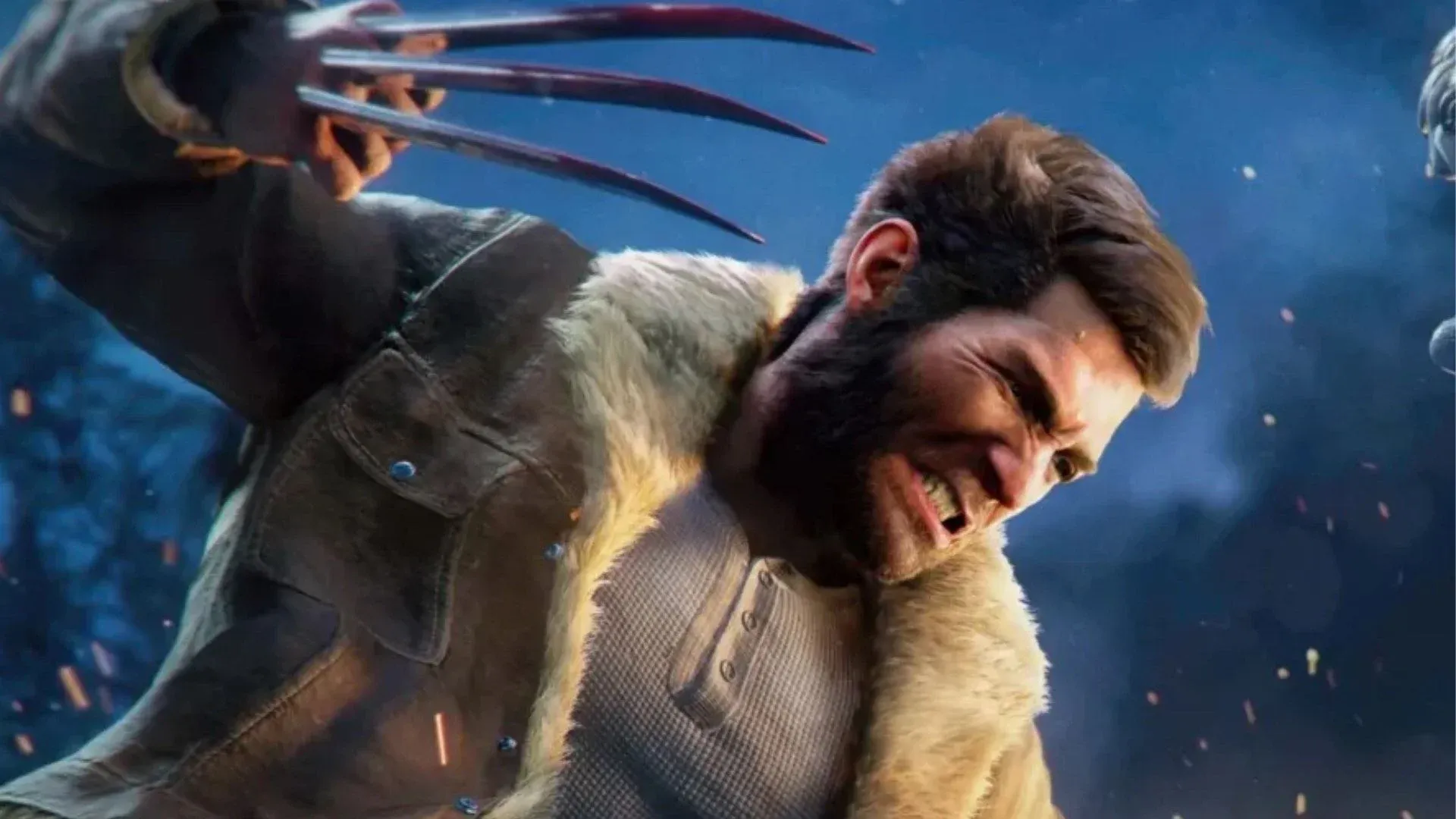
Marvel's Wolverine from Insomniac Games is the next high-profile first-party title with confirmed momentum, and it featured in today's State of Play. If the Ghost of Yotei effect taught us anything, it's that one well-received release can shift the trajectory of an entire year's numbers.
The longer-term picture depends on whether studios like Naughty Dog and Haven can get their projects across the line. Intergalactic: The Heretic Prophet is a new IP, which carries more commercial risk than a sequel, but also more upside if it lands. The sales data for the next two to three years will largely be written by decisions those studios are making right now in development.
What most players miss in conversations like this is that the volume of first-party titles matters as much as their quality. A single 10-million-seller doesn't compensate for a calendar year with only two or three major releases. Sony needs throughput, not just prestige.
For deeper context on the games shaping PlayStation's next chapter, the gaming guides hub has you covered on everything worth playing right now.