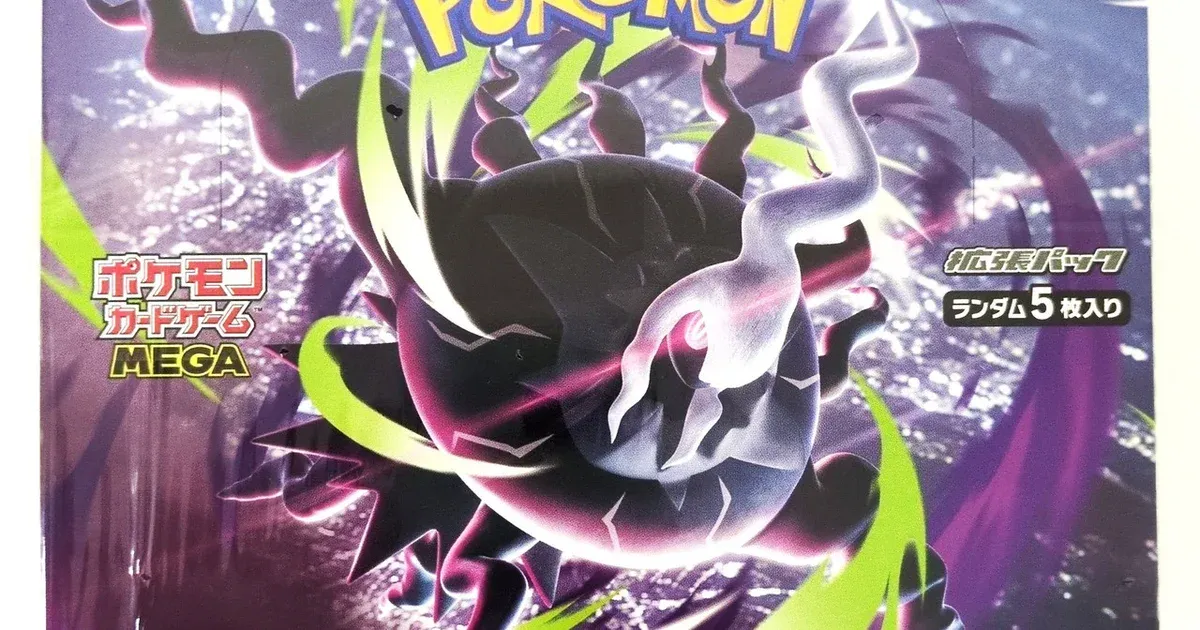


Abyss Eye M5 booster packs
Picture this: you grab a fresh Pokemon Trading Card Game booster pack, and before you even break the seal, you already know whether the rare you want is inside. That is the situation collectors are describing with Abyss Eye (M5), the Japanese Pokemon TCG set that released on May 22, 2026, and its community reception has been anything but calm.
Reports have been circulating across Pokemon collector forums and social media that certain Abyss Eye packs have a structural quirk that lets experienced pack searchers identify high-rarity cards, including SAR (Special Art Rare) pulls, without opening them. The concern is not just about one lucky collector getting an edge. The key here is that if pack searching is viable at scale, it poisons the secondary market for everyone else.

Use code TRYHARD33 at checkout to redeem this offer before code expires again.
Get 33% Off GAMES+ Subscription
What pack searching actually means for buyers
Pack searching is not new to the Pokemon Trading Card Game. The practice has existed in various forms for decades, typically exploiting subtle differences in pack weight, thickness, or texture to identify which packs contain foil or rare cards. When it works reliably, it creates a two-tier market: those who know the trick cherry-pick the valuable packs, and everyone else buys what is left.
For Abyss Eye, the specific concern is that the pack design may make it possible to feel or visually identify certain card types through the packaging before purchase. Collectors who buy pre-opened or store-displayed packs are most exposed. Sealed booster boxes, where the packs have never been individually handled by strangers, carry far less risk, which is why many serious collectors are already recommending box purchases over loose packs for this set.
Why Abyss Eye attracted this scrutiny in the first place
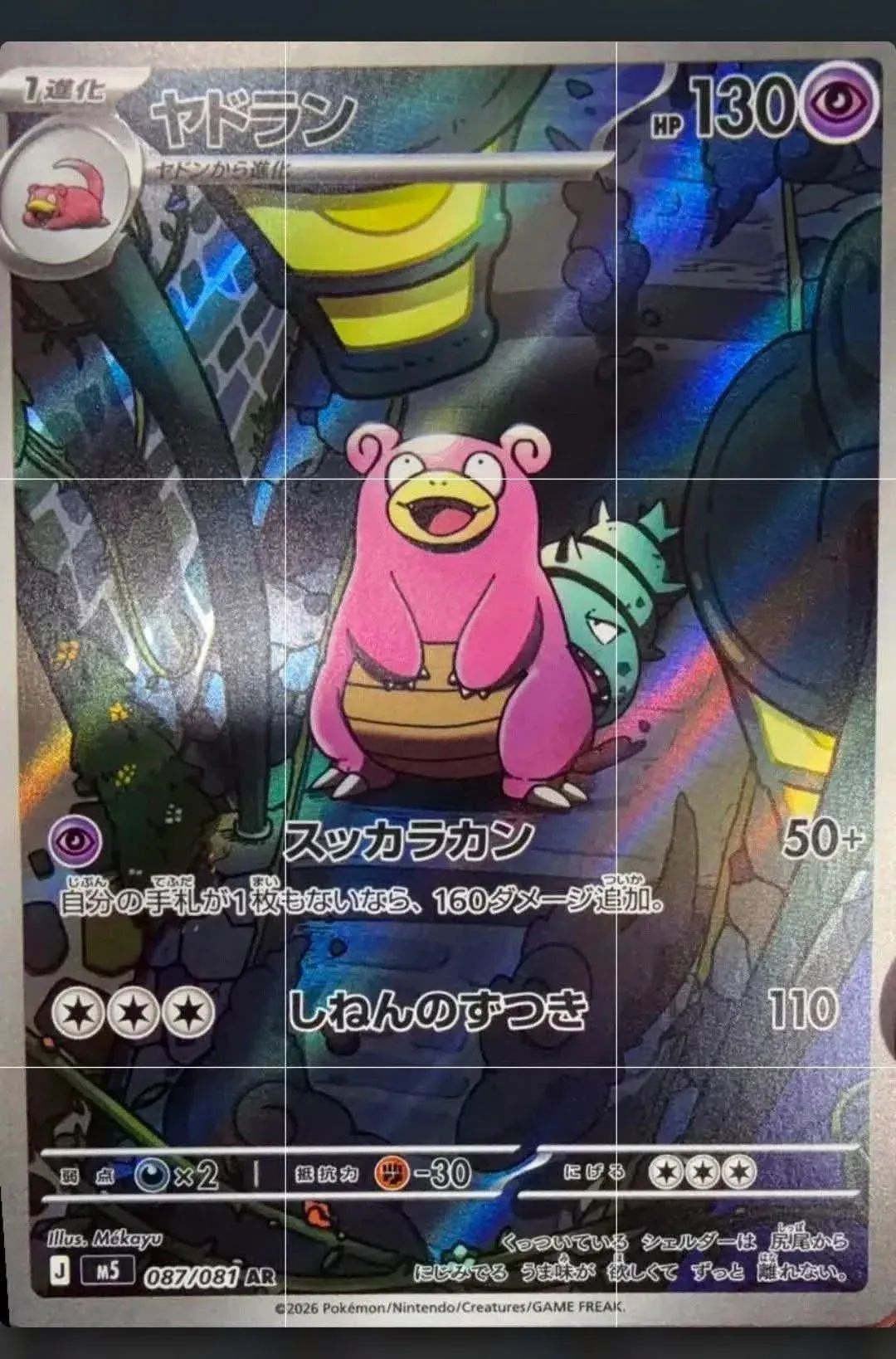
The set launched with some of the most anticipated pull targets in recent Japanese Pokemon TCG memory. Mega Darkrai ex is the poster Pokemon, and the Mega Darkrai SAR is the card everyone wants. Joining it are confirmed SARs for Chandelure ex and trainer Gwynn, plus a Mega Zeraora SAR, a Gladion's Fighting Spirit SAR, and well-received ARs (Art Rares) for Slowbro, Raibolt, Armarouge, Goldeen, and Fomantis.
That is a stacked pull list. The higher the perceived value of a set's chase cards, the more incentive there is for pack searchers to target it. Abyss Eye checks every box.
What most players miss is that the pre-release card reveal schedule for this set was also unusually generous. SAR reveals for Chandelure and Gwynn dropped 12 days before release, which retailers noted was a notable departure from recent Japanese sets that held back anything above base rarity until the day before launch. More reveals followed on May 15, then the full SAR lineup landed on May 20. By the time packs hit shelves, collectors already knew exactly which cards commanded the highest prices, giving pack searchers a precise target list.
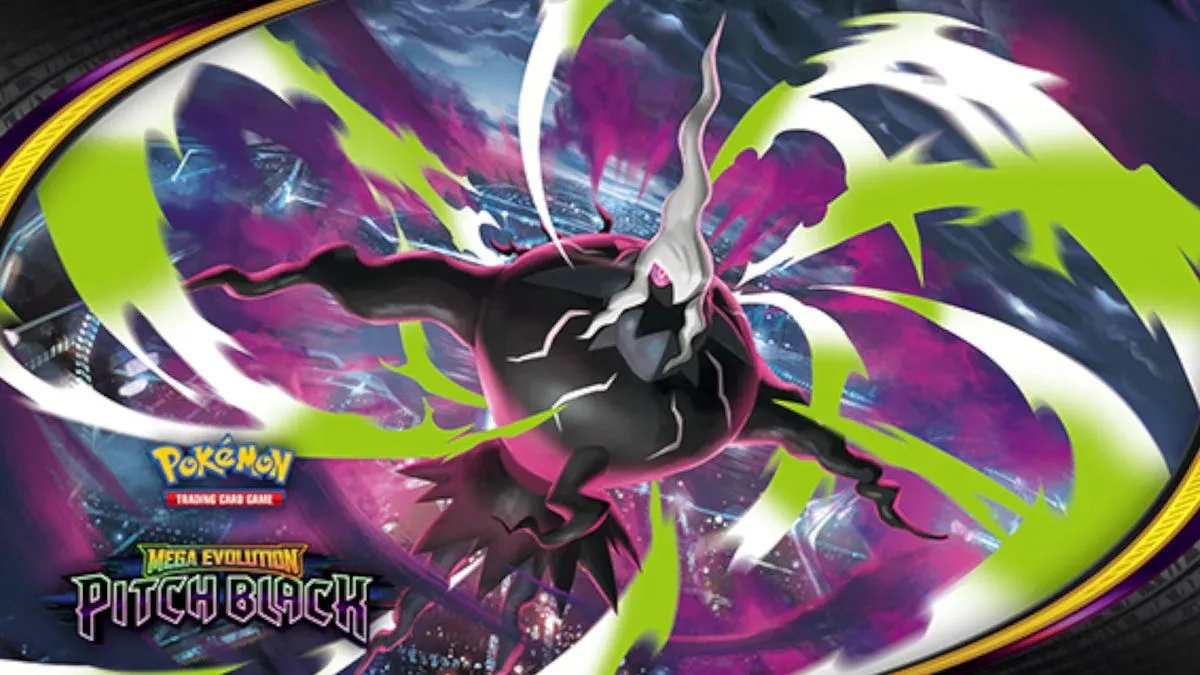
Mega Darkrai SAR pull target
The English version adds another layer
The international release of Abyss Eye has been confirmed under the name Pitch Black, scheduled for July 17, 2026. That is roughly 8 weeks after the Japanese launch, which is a tight turnaround. The English release lands just 2 weeks before the Japanese Mega Rayquaza (Storm Emeralda) set drops at the end of July, meaning collector attention and spending will be split across multiple high-profile releases in a short window.
For pack searching concerns, the English release is worth watching separately. Pack construction can differ between Japanese and international prints, so the vulnerability that collectors are flagging for Japanese Abyss Eye packs may or may not carry over to Pitch Black. That question will not have a clear answer until the English product is physically in people's hands.
What collectors are doing about it
The practical response from the community has been fairly consistent:
- Buy sealed booster boxes from reputable retailers rather than individual packs from open displays
- Avoid loose packs from resale platforms unless the seller has documented the box seal
- Check retailer reputation before purchasing, particularly for pre-order stock that ships from distributors with multiple handling points
Here's the thing: none of this is a guaranteed fix. Pack searching thrives in environments where product moves through many hands before reaching the end buyer. The Pokemon TCG's global distribution chain, especially for imported Japanese sets, involves enough stops that vigilance matters at every stage.
If you are already tracking this set and want broader context on how similar collector concerns have played out across the card game space, the gaming guides hub has coverage worth bookmarking as Pitch Black's July release approaches. Collectors looking at comparable card game experiences might also find it useful to check out Kaiju Cards and the Kaiju Cards review for perspective on how other TCG products handle pack integrity and collector value.