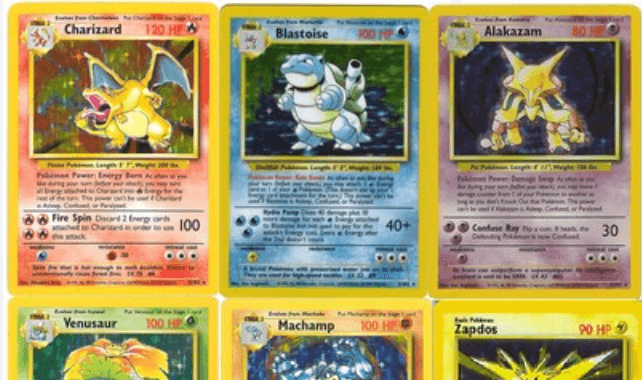


The Pokemon Company has had enough of scalpers. In Japan, the company is reportedly testing biometric face scanning at select Pokemon Trading Card Game sales events, a move designed to stop the same buyers from purchasing multiple sets and flipping them for profit.
For anyone who has tried to buy a new set on release day only to find shelves cleared within minutes, this news will feel long overdue.

Use code TRYHARD33 at checkout to redeem this offer before code expires again.
Get 33% Off GAMES+ Subscription
How bad the scalper problem actually got
The Pokemon TCG scalping situation in Japan reached a level that most Western fans only partially understand. New set releases, especially high-demand ones featuring popular Pokemon or special illustration rares, routinely sell out before casual collectors can get anywhere near a register. Organized groups have been known to coordinate bulk purchases across multiple store locations on the same morning, hoarding stock and then relisting it at significant markups online.
This isn't a new problem, but it has intensified as the card game's popularity surged globally. The secondary market for sealed product ballooned, making scalping a genuinely profitable operation rather than just opportunistic reselling.
What biometric verification actually means for buyers
Here's the thing: face scanning at a card purchase event sounds extreme until you consider what alternatives have already been tried and failed. Purchase limits per customer are easy to circumvent with multiple people. ID checks can be gamed with different household members. A biometric scan tied to a single registered identity makes it significantly harder to buy the same product twice at the same event.
The system being tested would require buyers to register their face before purchasing, with the scan cross-referenced against a database to flag repeat attempts. Think of it like the kind of verification system already common in Japanese convenience store age checks, applied to a very different problem.
What most players miss is that The Pokemon Company has strong incentive to act here beyond just goodwill. When scalpers dominate release events, it damages the relationship between the brand and its most loyal customers, the ones actually playing the Pokemon Trading Card Game rather than treating booster boxes as investment vehicles.
The gap between Japan and everywhere else
Japan has always operated differently when it comes to Pokemon card distribution. Lottery-style purchase systems, event-exclusive releases, and strict regional controls are already common there. Adding biometric verification is a significant step, but it fits within a framework that already treats card access as something to be managed carefully.
In Western markets, the approach has been far more passive. Retailers set their own purchase limits, and The Pokemon Company has leaned on print run increases and staggered releases to manage demand. The results have been mixed at best.
Whether Japan's face scan trials ever translate into a global policy is genuinely unclear. The infrastructure requirements alone would be a barrier for most Western retailers, and the privacy conversation in markets like the US or EU would be a serious obstacle. But the fact that biometric verification is on the table at all signals that The Pokemon Company is willing to consider options that would have seemed far-fetched just a few years ago.
If you're deep into the Pokemon universe beyond the TCG, Pokémon Pokopia is worth your attention right now. Check out our in-depth review to see why it's one of the most compelling Pokemon experiences in years, and browse the full Pokémon Pokopia guides collection if you're looking to get ahead in the game.