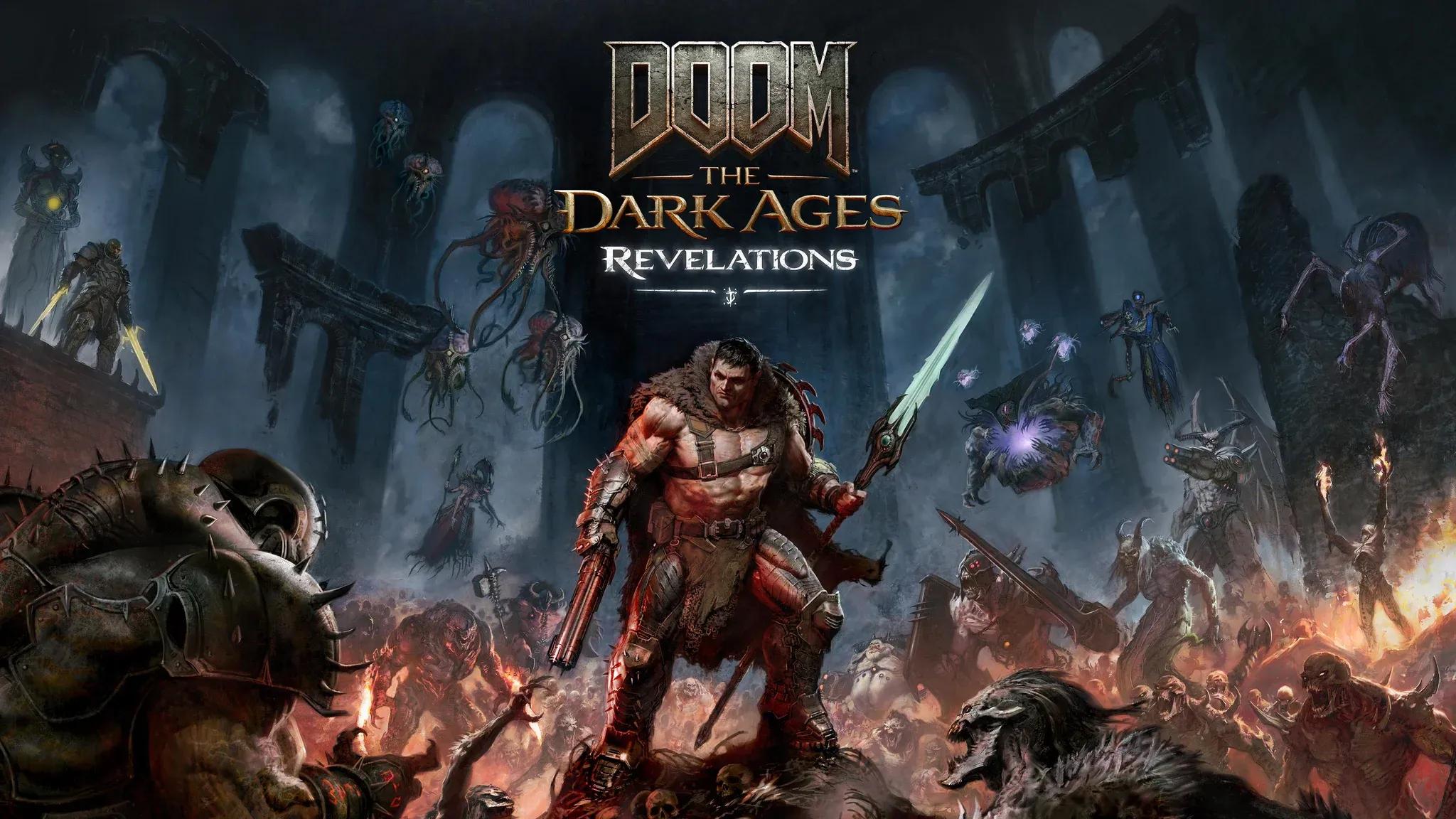


The base game had its fans and its critics, but most players agreed on one thing: DOOM: The Dark Ages felt like it was building toward something it never quite reached. The Revelations DLC is that something.
Dropping on July 7, 2026, Revelations arrived with new weapons, a fresh batch of enemies, and story content that actually follows through on threads the base game left dangling. The reception has been sharp. Players who bounced off the original campaign are returning. Players who loved it are staying longer than expected.
What the DLC adds that the base game was missing
Here's the thing: DOOM: The Dark Ages was never a bad game. The shield mechanics were genuinely inventive, the medieval-infernal setting had real personality, and id Software's combat design remained as tight as ever. But the campaign had a pacing problem. The mid-section dragged. The story momentum stalled out around the halfway point and never fully recovered before the credits rolled.
Revelations fixes that by picking up directly after the base game's ending and refusing to slow down. The new story chapter runs roughly 4 to 5 hours and moves with the kind of relentless forward pull that the original's second act lacked. Every arena feels purposeful. Every new enemy type introduced in the DLC adds a wrinkle to the combat without padding the runtime.
The new weapons actually change how you play
New weapons in DLC can go two ways: they either feel like recolored versions of what you already have, or they slot into the existing arsenal and quietly become your new defaults. Revelations lands firmly in the second category.
The additions reward players who have already internalized the base game's rhythm. If you spent time with the best upgrade paths and weapon builds before jumping into the DLC, you'll feel the new tools click into place almost immediately. They don't replace the core loadout so much as extend it, giving you more options for the DLC's harder encounters without making the base game's weapons feel obsolete.
Enemy design that earns its difficulty
The new enemy types introduced in Revelations are the clearest sign that id Software was listening to feedback on the base game. The original roster was solid but leaned heavily on a few archetypes. Revelations introduces variants that specifically punish passive play, which pushes the Slayer's aggressive design philosophy harder than anything in the main campaign.
What most players miss on first contact with the new enemies is that they're designed around the DLC's new weapons. The encounters feel like puzzles built for a specific toolkit, which gives the whole expansion a cohesion the base game's later chapters sometimes lacked.
Why this matters for players who already finished the campaign
Revelations isn't just for players who are coming back cold. If you finished DOOM: The Dark Ages and felt the ending left questions open, this is the content you were waiting for. The story beats here are more direct than the base game's mythology-heavy approach, and the final sequence lands harder because of it.
For anyone who hit a wall with the base game's difficulty curve, the Revelations DLC release details and content breakdown covers exactly what's included and what to expect before you load in. If you're running the Premium Edition on Steam and the DLC isn't showing up, there's a known access issue with a straightforward fix worth checking before you assume something is broken.