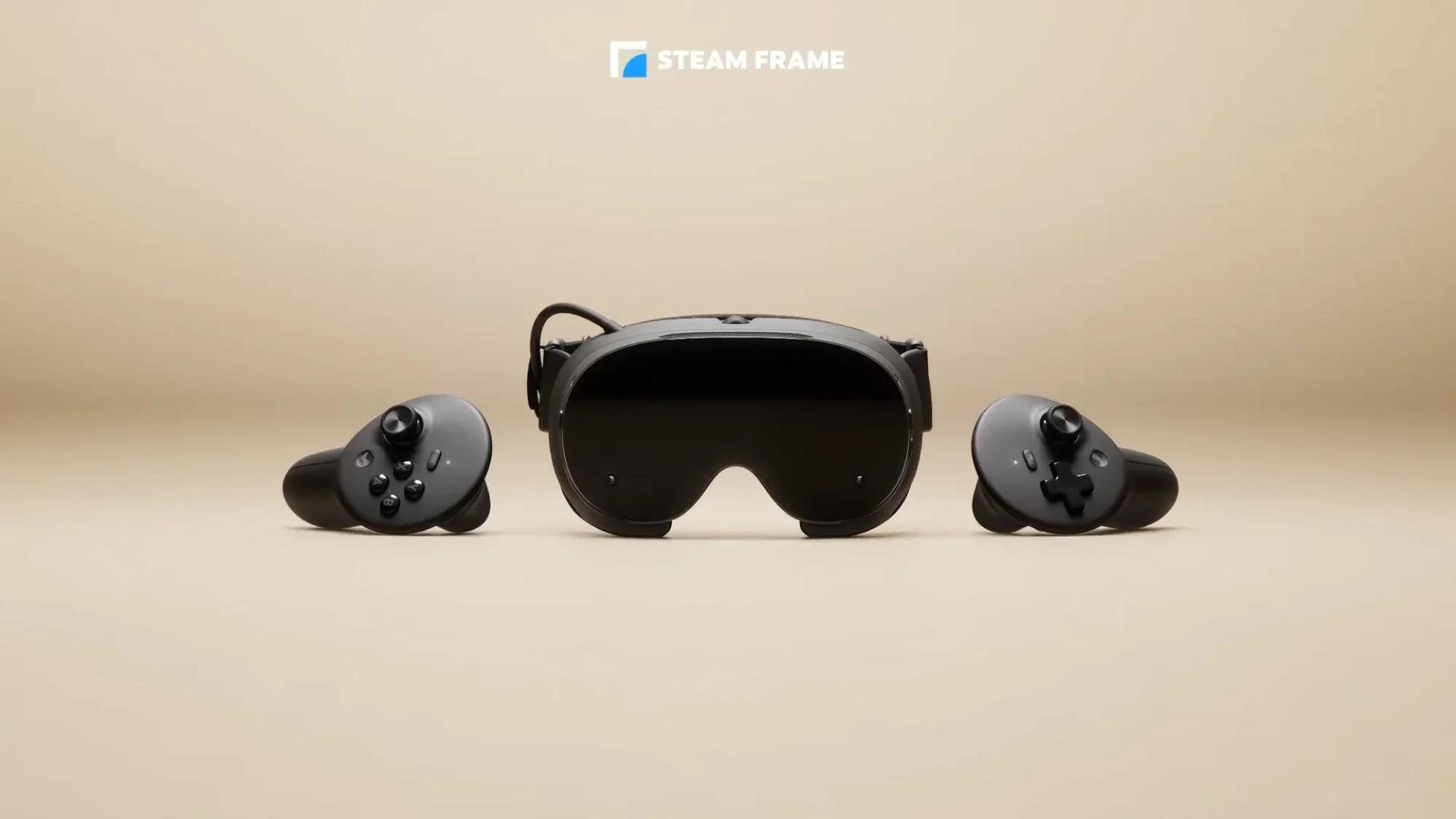


The Steam Frame was already shaping up to be an expensive proposition. Now, the company that makes its processor just made things considerably worse.
Qualcomm sent a letter to its partners last Friday confirming that it can no longer absorb the rising cost of manufacturing computing components in 2026. Price increases are coming, and they are coming fast. The hikes, described internally as "double digit" percentage increases, take effect on September 1. That date matters a lot, because Valve has confirmed the Steam Frame is arriving sometime this summer, and shipping manifests suggest units are already sitting in warehouses waiting to go.

Get 1-month GTA+ subscription with pre-order.
Pre-Order GTA 6 Now
Why Qualcomm is raising prices now
The Steam Frame runs on a Qualcomm Snapdragon 8 Gen 3 processor, built on ARM architecture. That is a meaningful step up from the Snapdragon XR2 Gen 2 chip inside the Meta Quest 3 and Pico 4 Ultra, which means it sits in a more expensive tier of Qualcomm's lineup to begin with.
Here's the thing: Qualcomm is not raising prices out of nowhere. The same industry-wide RAM and semiconductor supply chain issues that forced Valve to delay the Steam Frame from its original "early 2026" target are now squeezing Qualcomm's own suppliers. The company reportedly tried to source components from alternative suppliers to keep costs down, but found no viable options. The letter to partners was the result.
This is a cascading problem. RAM shortages pushed up costs across the board. Those costs hit Qualcomm's component suppliers. Qualcomm absorbed as much as it could, then passed the rest on. Partners like Valve, Meta, Samsung, Pico, and Xiaomi are now next in line.
The awkward position Valve is now in
Valve has already cited rising manufacturing costs and RAM shortages as the reason the Steam Frame missed its original launch window. The company even acknowledged publicly that memory supply issues "will impact anything we make." That context makes this Qualcomm announcement land especially hard.
For the first production run, Valve likely locked in component pricing months ago when the manufacturing contracts were signed. That means the immediate launch price is probably set. The real question is what happens to subsequent batches once those existing supply agreements expire and Qualcomm's new pricing structure kicks in.
The Steam Controller launched at $100 and was immediately called overpriced by a vocal portion of the community, despite being competitive with first-party pro controllers. The Steam Machine drew similar reactions based on its desktop PC equivalent cost. The Steam Frame was almost certainly going to face the same pushback regardless of its price point. Add a potential mid-cycle price increase to that picture, and Valve has a PR problem brewing on top of a supply chain one.
Meta already raised Quest 3 prices once this year, absorbing some of the same cost pressures. Asking consumers to swallow a second increase on those devices, while simultaneously launching a new headset at a price that reflects Qualcomm's new rates, would be a difficult sell across the entire VR category.
What this means for the broader VR market
Qualcomm's chips are inside a significant portion of the standalone VR headset market. The Snapdragon XR2 Gen 2 in the Meta Quest 3 and Pico 4 Ultra is already in the firing line, and those are devices with established retail prices that consumers expect to stay stable.
The key here is timing. Qualcomm is reporting its third-quarter financial results on July 29, just two days from now. That earnings call is likely to include more official detail on the pricing changes and the supply chain pressures behind them. If Valve is planning a Steam Frame announcement in the coming weeks, that earnings call could either add clarity or complicate the messaging considerably.
For anyone watching the VR space, the pattern is familiar. Hardware launches in a constrained supply environment tend to carry prices that feel aggressive at announcement, then become harder to defend when follow-up production runs cost even more to manufacture. The Steam Frame is walking into that exact scenario.
If you are planning to buy on day one, that may actually be the smart move from a pricing standpoint. Later production runs could reflect Qualcomm's new rates more directly. For context on how hardware pricing and performance trade-offs play out in practice, our Deep Rock Galactic: Rogue Core best graphics settings guide is a good reminder of how much optimization work goes into squeezing value out of any given hardware configuration.
Valve's Q3 earnings call on July 29 and any Steam Frame pricing announcement in the weeks ahead will be the next data points worth watching closely. Check our gaming guides hub for ongoing hardware coverage as the Steam Frame launch approaches, and keep an eye on how launch pricing compares to what we have seen from Valve's recent hardware releases. For a direct comparison of how launch pricing works for smaller titles in this same cost-pressured environment, see our breakdown of how much Dear Passengers will cost at launch.