Four of the biggest names in PC hardware are quietly accepting a brutal reality: fewer people are building gaming PCs right now, and the numbers prove it.
According to a report from Digitimes, Asus, Gigabyte, MSI, and ASRock have all revised their motherboard sales projections downward for the rest of 2026. The culprit is the ongoing RAM and storage crisis, which has been driven largely by AI infrastructure demand pulling memory supply away from the consumer market. The result is a PC component market that is actively hostile to anyone who wants to build or upgrade a gaming rig.
How bad the numbers actually are
Here's the lowdown on what each brand is looking at compared to their 2025 performance:
Those are not minor course corrections. ASRock is staring down a drop that exceeds 30% year-on-year, and Asus shipped just 5 million motherboard units in the first half of 2026 against a full-year 2025 total of 15 million. Even a strong Black Friday season is unlikely to close that gap.
The AI squeeze that started all of this
The key here is understanding where the supply actually went. AI data center buildouts have been consuming DRAM and NAND flash at a pace the consumer market simply cannot compete with. That has pushed RAM prices up by roughly 300% compared to pre-crisis levels, according to reporting on the situation. SSDs have followed. CPUs are now showing supply constraints too, as chip manufacturers prioritize AI and enterprise customers over consumer hardware.
RAM prices have risen approximately 300% during the current shortage. If you are planning a PC build, budgeting significantly more for memory and storage than you would have a year ago is essential.
This is the same supply pressure that led Valve to publicly state it was struggling to source RAM for its upcoming Steam Machine, and the same dynamic that pushed Micron to shutter its Crucial consumer brand entirely to focus on AI and enterprise business. What most players miss is that this is not a temporary blip. These are structural shifts in who the memory industry considers its primary customer.
What this means for gamers trying to build right now
The motherboard sales collapse is a symptom, not the disease. When RAM costs three times what it did, and SSD prices have climbed alongside it, a complete gaming PC build becomes significantly more expensive. Fewer people pull the trigger. Fewer motherboards sell. The brands that make them revise their targets and wait.
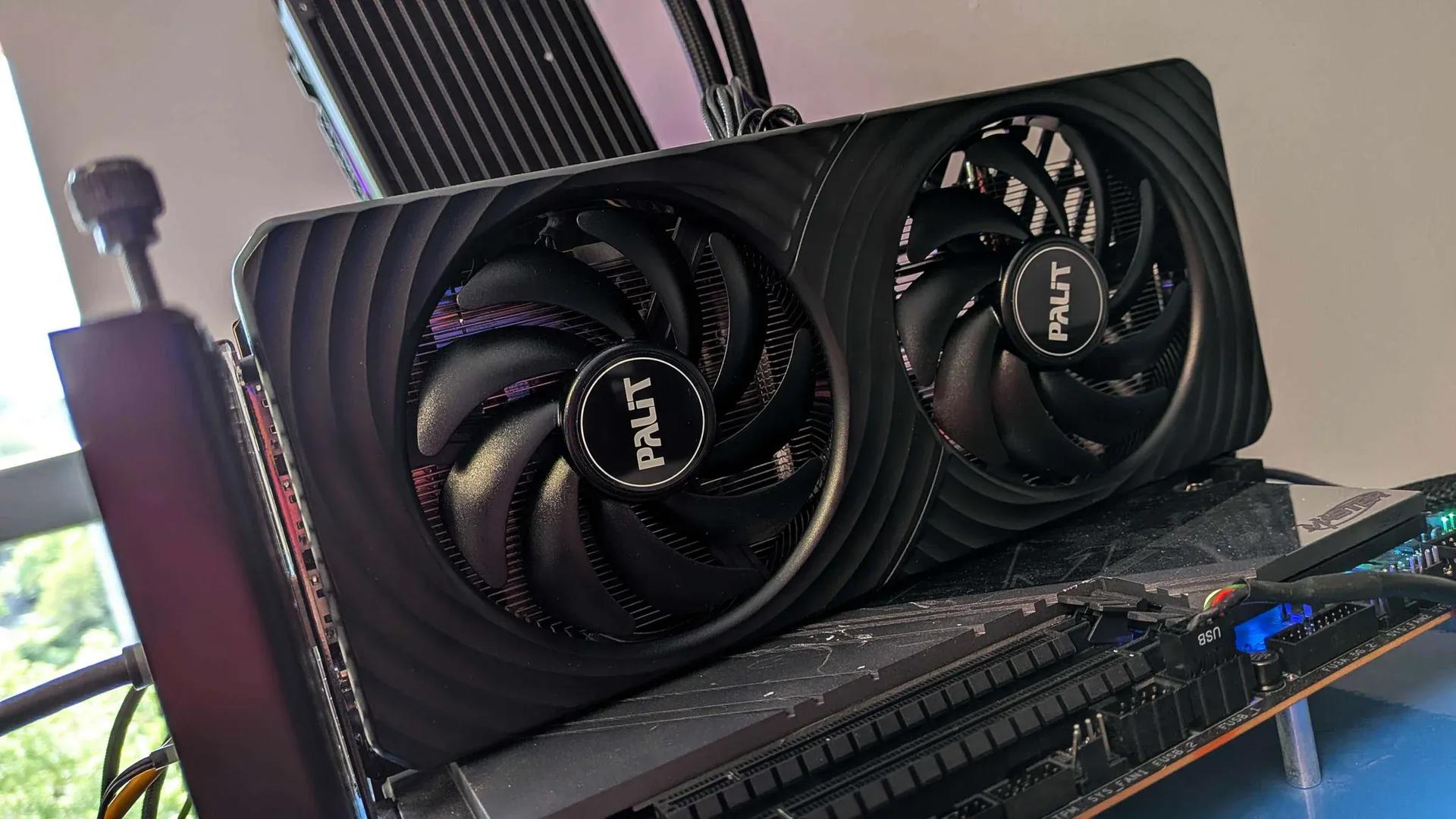
The GPU side of the equation is not much better. Graphics cards require VRAM, which is itself a form of memory subject to the same supply pressures. Nvidia, AMD, and Intel have all reportedly shifted priorities toward AI and data center products, which means consumer GPU supply remains constrained even as demand from gamers persists.
For anyone watching the PC hardware space, this feels uncomfortably familiar. The GPU shortage that started around 2020 took years to fully resolve, and that was driven by a combination of crypto mining demand and pandemic supply chain disruption. The current situation has a similar structural character, except the competing demand (AI infrastructure) is not going away.
All four motherboard brands will likely offset some of the consumer revenue loss through deals with AI companies and enterprise customers. But that is cold comfort for gamers who wanted to build a new rig this year. Check out our gaming guides for tips on making the most of your current hardware while the market sorts itself out, and keep an eye on our latest reviews to see which pre-built options are currently offering anything close to fair value given the component climate.