Splinterlands, the blockchain-based trading card game, has introduced a series of updates aimed at enhancing the experience for new players and strengthening its in-game economy. By simplifying entry barriers, introducing new earning opportunities, and debuting an exclusive Auction House, these updates position Splinterlands to attract new users and deepen engagement among its existing player base.

Splinterlands Cover Banner on X (Twitter)
What is New?
The most substantial change removes the Spellbook paywall from core gameplay features. New players can now join guilds, earn Glint from Ranked battles, and participate in seasonal events and Brawls without spending money upfront.
The Spellbook still gates advanced features like card trading, transfers, and tournament access, but beginners can now test the game's mechanics before deciding whether to invest. This approach reduces friction for curious players while preserving monetization hooks for those who commit. Splinterlands has effectively split the difference between free-to-try and pay-to-progress.
The Starter Card system has been overhauled to simplify onboarding. Beginners now start with cards from the Chaos Legion set, cutting down on the overwhelming variety that previously greeted new accounts. This curated deck offers a clearer path into the game's strategic systems without burying players under dozens of unfamiliar mechanics.
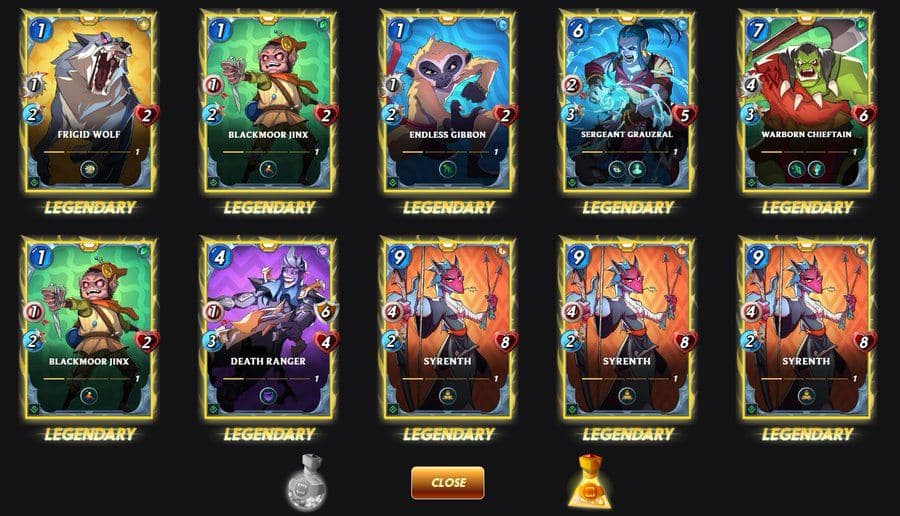
New Cards
Introducing Glint Rewards
Glint rewards for Ranked victories now apply to all players with a 1x base modifier, removing the previous requirement to stake Splintershards (SPS) for earning potential. This levels the field for new accounts, who previously earned nothing without staking assets they didn't own yet.
The penalty on Glint rewards for using Starter Cards has also been removed. Beginners can now progress without feeling like second-class players. The changes include incentivized League progression, rewarding consistent play and encouraging players to climb the competitive ladder rather than stagnate at lower ranks.
A smaller but noticeable update lets new players choose their own usernames at signup, adding a layer of personalization. Free accounts get a "_lite" suffix, which disappears once you buy a Spellbook. It's a minor nudge toward monetization, but it doesn't interfere with gameplay.
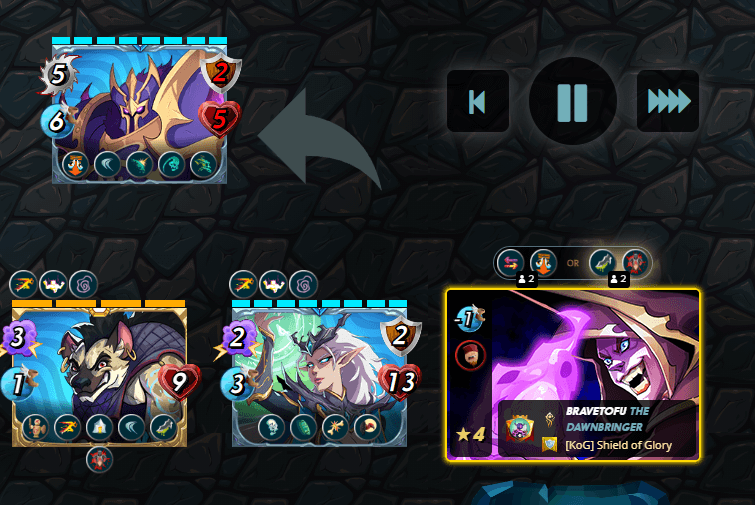
Gameplay Screenshot

New Auction House and Improved UI
The new Auction House feature introduces competitive bidding for exclusive cards. The first auction featured Heloise the Hollow, a legendary card with unique abilities, limited to 100 max-level copies. This scarcity model creates urgency and drives up perceived value for high-tier cards.
The Auction House targets both collectors and competitive players, providing a platform for acquiring rare assets with gameplay advantages. The Heloise auction demonstrates demand within the Splinterlands community and signals potential interest from the broader blockchain gaming audience.
UI improvements accompany these larger updates. New descriptions clarify complex rulesets, and mobile-friendly optimizations improve accessibility for players on phones and tablets. These refinements aim to smooth out the experience for both new and veteran players.
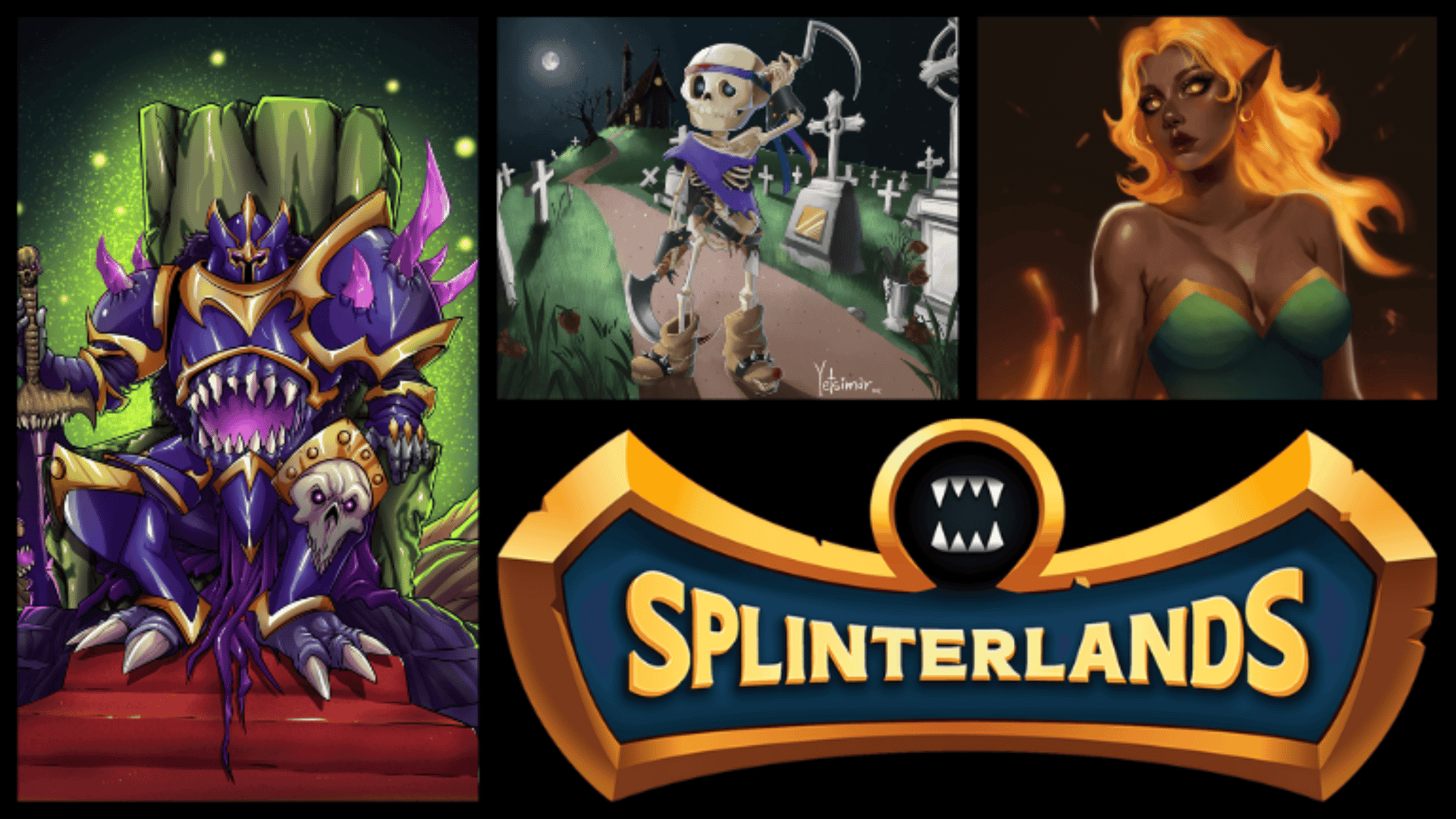
Splinterlands Logo and Key Art
Final Thoughts
These updates lower the barrier to entry, expand earning potential for free players, and add exclusive features like the Auction House. Splinterlands continues to refine its position in the blockchain gaming space, balancing accessibility with economic incentives that reward deeper engagement.