The original Steam Deck built its reputation on a simple promise: solid portable gaming performance without the eye-watering price tags of its competitors. Valve developer Pierre-Loup Griffais just confirmed that the company still wants the Steam Deck 2 to deliver on that same promise, only bigger. The catch? A global RAM shortage is making that harder by the month.
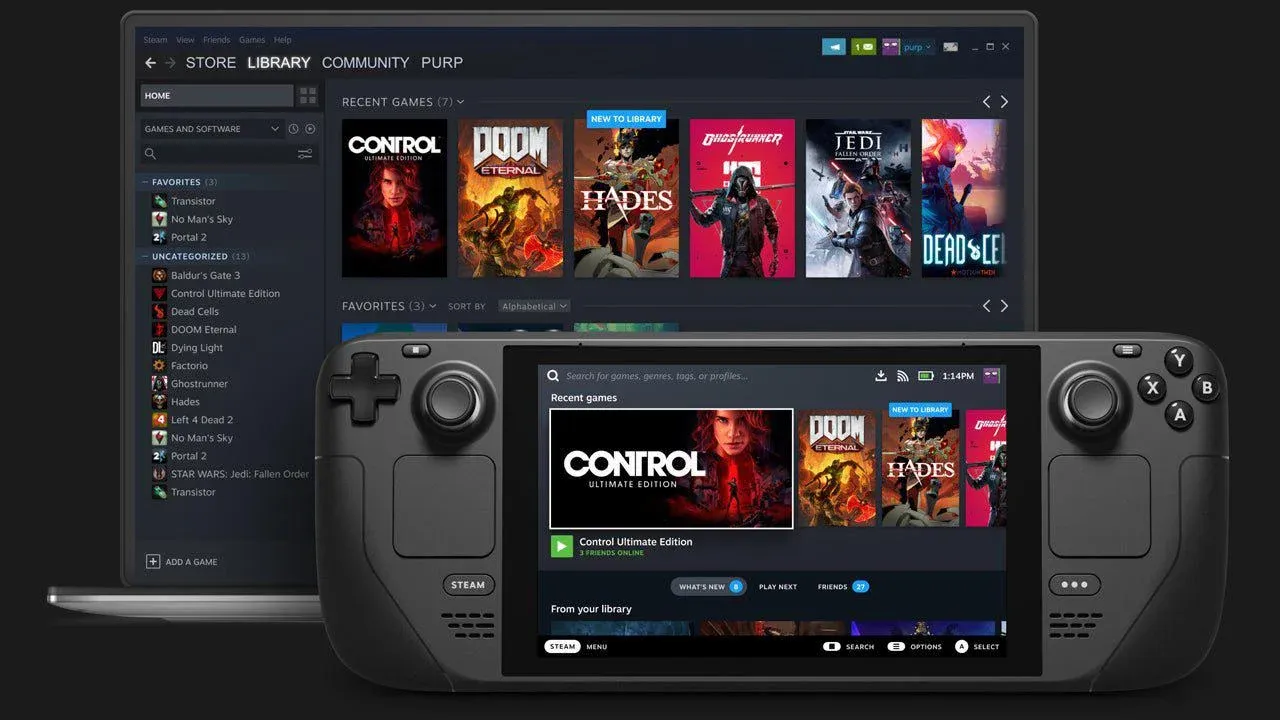
Steam Deck hardware generations

Use code TRYHARD33 at checkout to redeem this offer before code expires again.
Get 33% Off GAMES+ Subscription
What Valve actually said about the successor
Griffais was clear that the product goals for a Steam Deck successor haven't fundamentally shifted. Valve isn't chasing a minor spec bump. The target is a genuine generational leap, the kind of performance difference that makes the upgrade feel meaningful rather than marginal.
Here's the thing: Valve has been consistent on this point. The company would rather wait for the right conditions than ship a device that's only incrementally better. That patience is deliberate, not a sign that the project has stalled.
What remains unresolved is timing. Griffais indicated Valve is still monitoring market conditions before committing to a launch window, which means no release date is on the table right now.
The RAM crisis is the real complication
The ongoing RAM shortage has pushed component costs higher across the entire hardware industry. Graphics cards, consoles, and yes, the current Steam Deck have all felt the pressure. Valve has already shown it's willing to pass some of those costs to buyers when necessary.
The problem is that affordability isn't just a nice feature for the Steam Deck, it's the core of why people buy it instead of a more powerful handheld PC. Competing devices have already proven that a significant hardware upgrade is technically achievable. The trade-off is that those machines arrive at prices well above what the Steam Deck has historically charged.
That tension gets sharper when you factor in what happened after the 512GB OLED model jumped from $549 to $789. Demand dropped noticeably. That single price point shift is a useful signal for Valve: the audience for this device is sensitive to cost in a way that buyers of premium gaming handhelds simply aren't.
Before vs. after the RAM crunch
Before the current component shortage tightened, the calculus for a Steam Deck successor was already complex but manageable. Valve could reasonably target a modest price increase tied to a clear performance gain and expect the market to absorb it.
Post-crunch, that math is harder. The gap between what a genuinely next-gen handheld would cost to build and what Steam Deck buyers are willing to pay has widened. Valve releasing a $900 Steam Deck 2 isn't impossible, but it would be a very different product with a very different audience than the one that made the original a success.
For context, Valve did release the Steam Machine in 2026 at a premium price point, proving the company isn't allergic to expensive hardware. The Steam Deck is a different case because its identity is built around accessible pricing, not raw power.
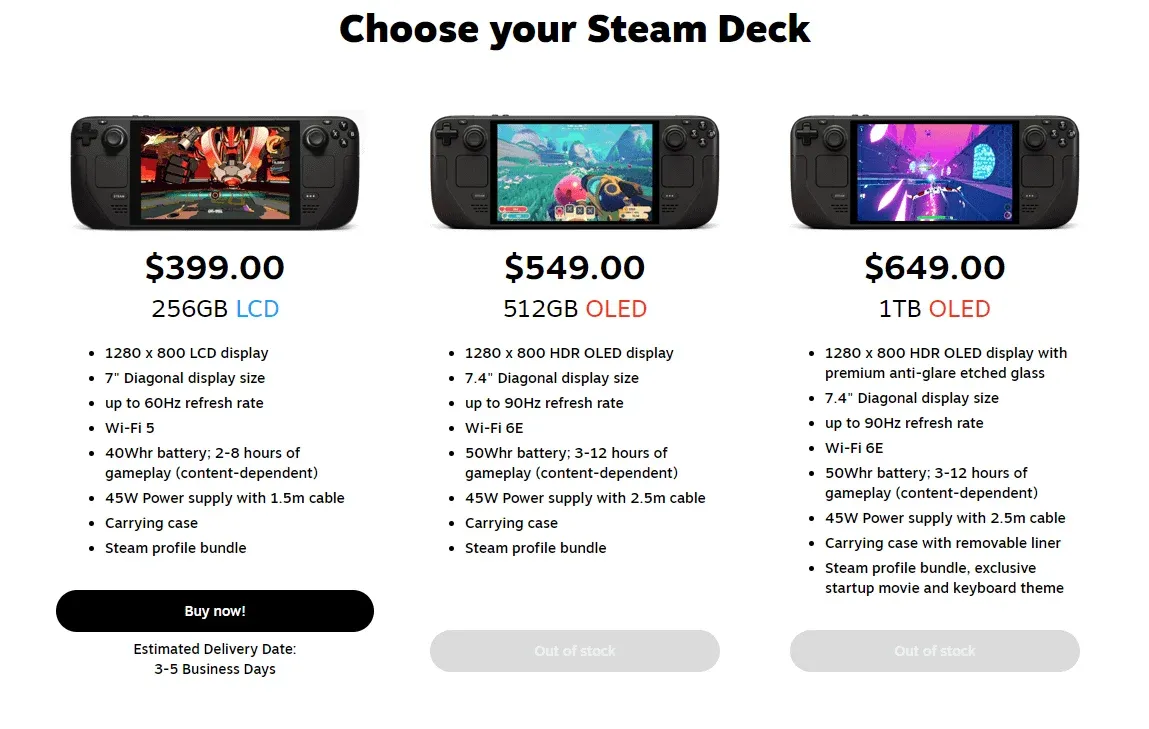
Steam Deck OLED pricing tiers
What players should actually expect
The most honest read of Valve's current position is this: Steam Deck 2 exists as a real project with real goals, but it isn't close to launch. Valve is waiting for a moment when the performance leap it wants can be delivered without pricing out the audience that made the first device matter.
That could mean waiting for RAM prices to stabilize, for a new generation of APU technology to hit a better price-to-performance ratio, or both. There's no indication Valve is rushing.
For players already on a Steam Deck, this is actually fine news. The current OLED model remains a strong handheld, and if you're looking to squeeze the most out of it, performance guides like the Helldivers 2 PC settings guide or the Deep Rock Galactic: Rogue Core best graphics settings can help you get stable frames while you wait for the next generation. For more tips and game-specific strategies, the full gaming guides hub has you covered.