
Choosing between a streaming-first and recording-first strategy changes the promise a game creator makes to their audience. Live content centers on presence, allowing viewers to react in the moment, join a conversation, and return for a scheduled session. Recorded content, meanwhile, centers on a shaped idea, with every scene serving a purpose before anyone presses play.
The choice becomes clearer when the viewing experience is defined before a format is selected.
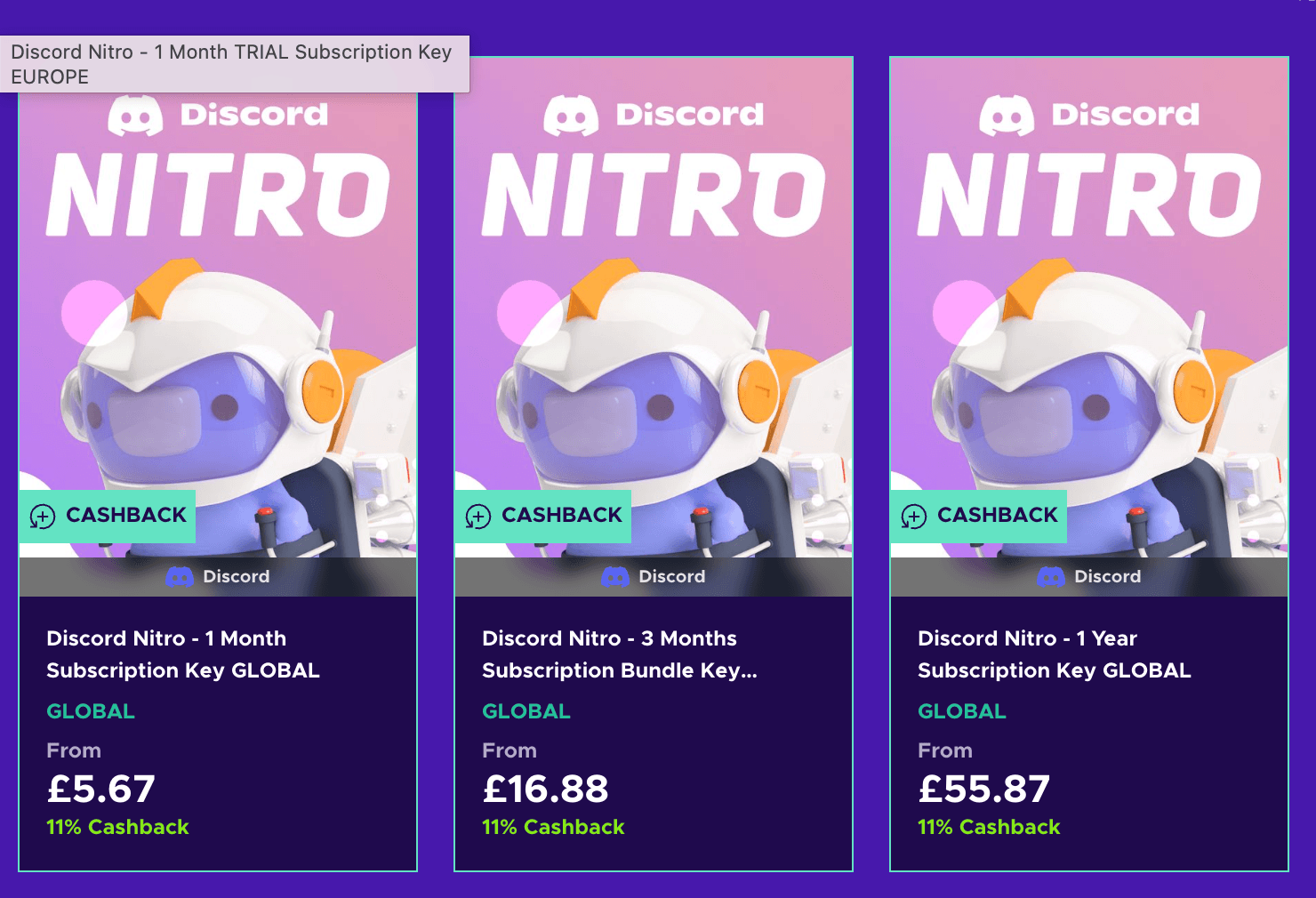
A community can also keep discussions active between broadcasts and uploads. Creators planning a Discord space can review Discord-related digital products on Eneba, a digital marketplace. Digital gift cards work by providing a redeemable code that the buyer or recipient enters on the relevant platform or service. Product details can include region and subscription duration, helping users make a suitable selection.
Streaming First Builds a Shared Appointment
Streaming first suits creators whose strongest resources are live availability and conversational energy. YouTube Live chat supports real-time interaction, meaning a difficult match, co-op session, or creative decision can become part of the broadcast itself.
Scheduled YouTube streams can also appear as upcoming content in subscribers’ feeds, allowing viewers to set a notification before the broadcast begins. That creates a predictable rhythm for regular viewers and gives the stream a stronger sense of appointment.
A live session still benefits from an after-broadcast plan. YouTube can automatically archive streams shorter than 12 hours, although its guidance recommends keeping a local recording as a backup. Twitch can save broadcasts as VODs when Past Broadcast storage is enabled, with retention periods varying depending on creator status.
Replays, highlights, and VODs allow communities to revisit missed moments, but the original broadcast can also become source material for additional content.
Recording First Turns a Premise Into a Package
Recording first puts the premise ahead of the session. A creator can shape the structure and pacing before publishing, refine the audio, and choose a thumbnail that matches the audience promise.
This approach works particularly well for guides, reviews, explainers, and focused challenges with a defined beginning and ending. The workload, however, falls more heavily on preparation and editing, making it better suited to creators who can consistently protect time for production.
Its biggest advantage is production control, not an automatic discovery benefit.
YouTube’s recommendation systems consider viewer satisfaction signals rather than raw view counts alone. As a result, the more useful goal is content that serves a clearly defined audience.
A concise recording can establish an idea quickly, while a longer edit can give gameplay and context more room to develop. Both approaches benefit when the creator understands what viewers should take away before production begins.
The Best Workflow Can Combine Both
The most practical approach does not always require choosing one format permanently.
A creator can start a stream or recording session with one clear premise, mark strong moments as they happen, and then turn selected material into an edited video, short clip, or community post.
Twitch Clips can be created from live streams and VODs, with clips running for up to 60 seconds and being shareable across platforms including YouTube, TikTok, Instagram, and Snapchat. This gives creators a way to maintain live community interaction while presenting their strongest moments in a more deliberate format.
The workflow also makes each session serve multiple purposes. A single stream can provide the live experience, longer-form VOD, short-form clips, and material for future community discussion.
Choosing the Right Strategy for a Gaming Channel
Audience building starts with choosing the constraint that best fits the creator’s routine: live availability or editing time.
Streaming makes the most sense when conversation, spontaneity, and community interaction are central to the premise. Recording is often the better option when the goal is a refined package built around a specific idea.
Neither approach guarantees growth on its own. The important factor is whether the format matches what the audience is being promised.
Smart digital buying follows a similar principle. Creators using Eneba for relevant digital products should check the region and target service before choosing a Discord-related option.
Ultimately, every gaming content session has greater purpose when its role is decided before it goes live or enters the edit. For some creators, that means building a regular appointment around streaming. For others, it means turning a clear premise into a carefully edited video. For many, the strongest strategy may be using both.