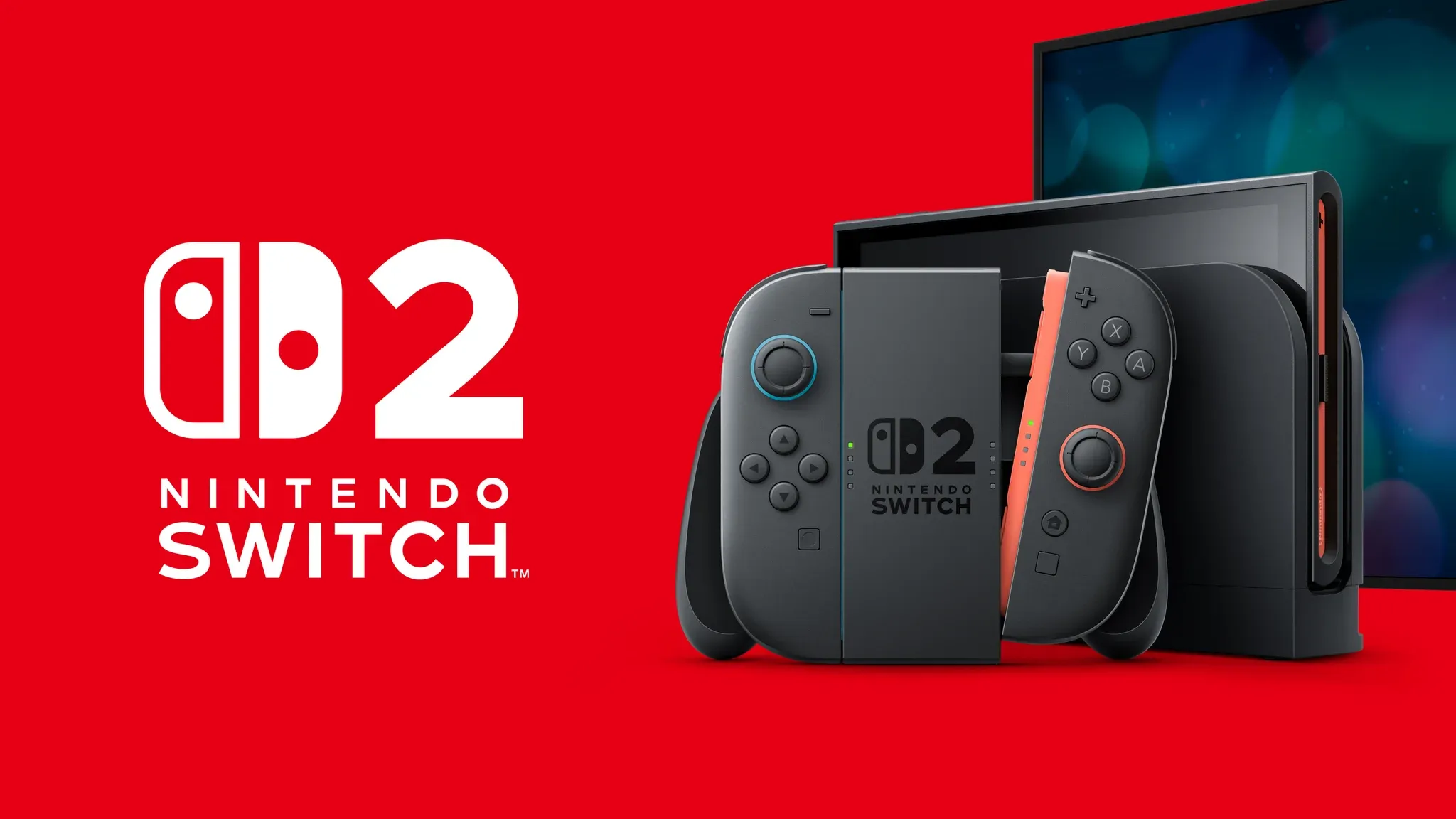


The Nintendo Switch 2 launched with historic momentum, ranking as one of the fastest-selling consoles ever recorded. That is an extraordinary baseline to be working from. But even record-breaking launches are not immune to economic gravity.
Price increases are now entering the picture, and the question is not whether they will affect Nintendo but by how much.
Use code TRYHARD33 at checkout to redeem this offer before code expires again.
Get 33% Off GAMES+ Subscription
The record Nintendo is defending
Selling out at launch and sustaining that demand over months are two different challenges. The original Switch had the advantage of novelty and a software library that grew into one of the strongest in Nintendo's history. The Switch 2 launched with that same brand trust behind it, plus the promise of upgraded hardware and backward compatibility that made the upgrade path feel reasonable for existing Nintendo households.
Here's the thing: Nintendo's position heading into this pricing pressure is actually stronger than it looks on paper. A massive installed base in the early months means more people already committed to the ecosystem, which cushions the blow of sticker shock on future software purchases.
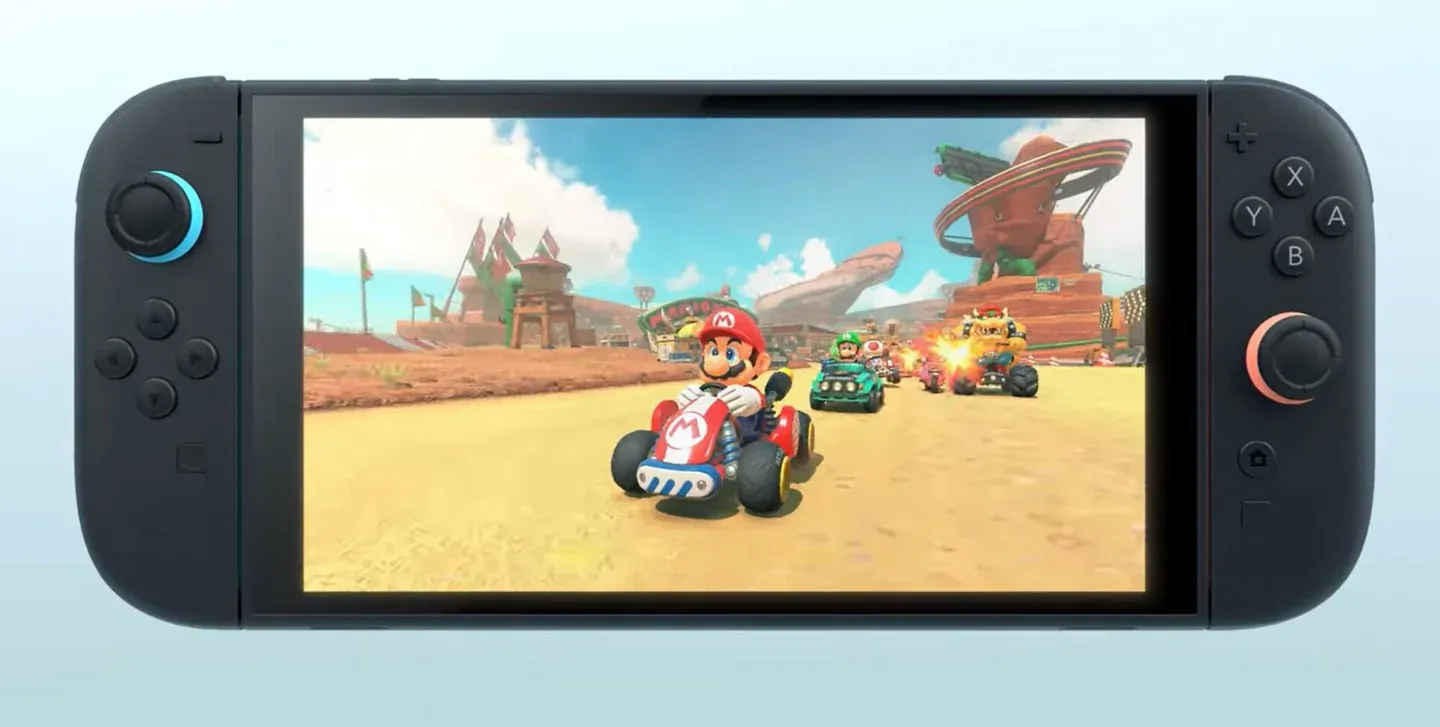
Switch 2 at launch
Where the pressure is actually coming from
The price hike conversation is not happening in a vacuum. Broader economic conditions, including supply chain costs and the ripple effects of global trade policy shifts, are squeezing hardware manufacturers across the board. Nintendo has historically been more conservative with hardware pricing than Sony or Microsoft, partly because its audience skews younger and more price-sensitive.
Raising prices on a console that is already in tens of millions of homes is one thing. Raising prices on games and accessories, where the margins actually live, is a different calculation entirely. First-party Nintendo titles already sit at $70, matching the industry standard that Sony and Microsoft normalized. Any move beyond that would put Nintendo in unfamiliar territory with its core audience.
How this compares to past Nintendo pricing moves
Look back at the original Switch launch in 2017. Nintendo held the $299 price point for years before any meaningful adjustment, and it used hardware bundles rather than outright price cuts to drive volume during slower periods. The Switch Lite at $199 was a deliberate move to capture the budget segment without cannibalizing the flagship.
The Switch 2 launched at $449, already a step up from its predecessor. That price was accepted by the market, which tells you something about how much consumer appetite Nintendo built up during the Switch's lifecycle. But $449 was the opening bid. What happens when accessories, game bundles, and subscription tiers start creeping upward is where the real test begins.
What most players miss is that Nintendo's revenue model is unusually software-heavy compared to competitors. Hardware is almost a delivery mechanism for the software ecosystem. So price sensitivity on games matters more to Nintendo's bottom line than it does to companies that monetize through services and third-party storefronts more aggressively.
What the fastest-selling label actually buys Nintendo
Being one of the fastest-selling consoles in history is not just a marketing talking point. It translates directly into negotiating leverage with third-party publishers, confidence in greenlit first-party projects, and a larger addressable audience for every game released in the next three to four years.
The key here is that Nintendo enters this pricing environment with more runway than it would have if the Switch 2 had launched to modest numbers. A 10 to 15 percent price increase on accessories hurts less when the community is already this large and engaged. The install base absorbs the shock.
That said, Nintendo is not untouchable. If price hikes compound across hardware, software, and Nintendo Switch Online tiers simultaneously, the cumulative effect on budget-conscious families, a core Nintendo demographic, could slow adoption in the console's second and third year. That is when the original Switch really hit its stride, and Nintendo will want the same trajectory for its successor.
For a deeper look at what the Switch 2 library has to offer right now, our game reviews have you covered. And if you're navigating the Switch 2 ecosystem for the first time, the gaming guides section is a solid place to start building your library knowledge before prices shift further.