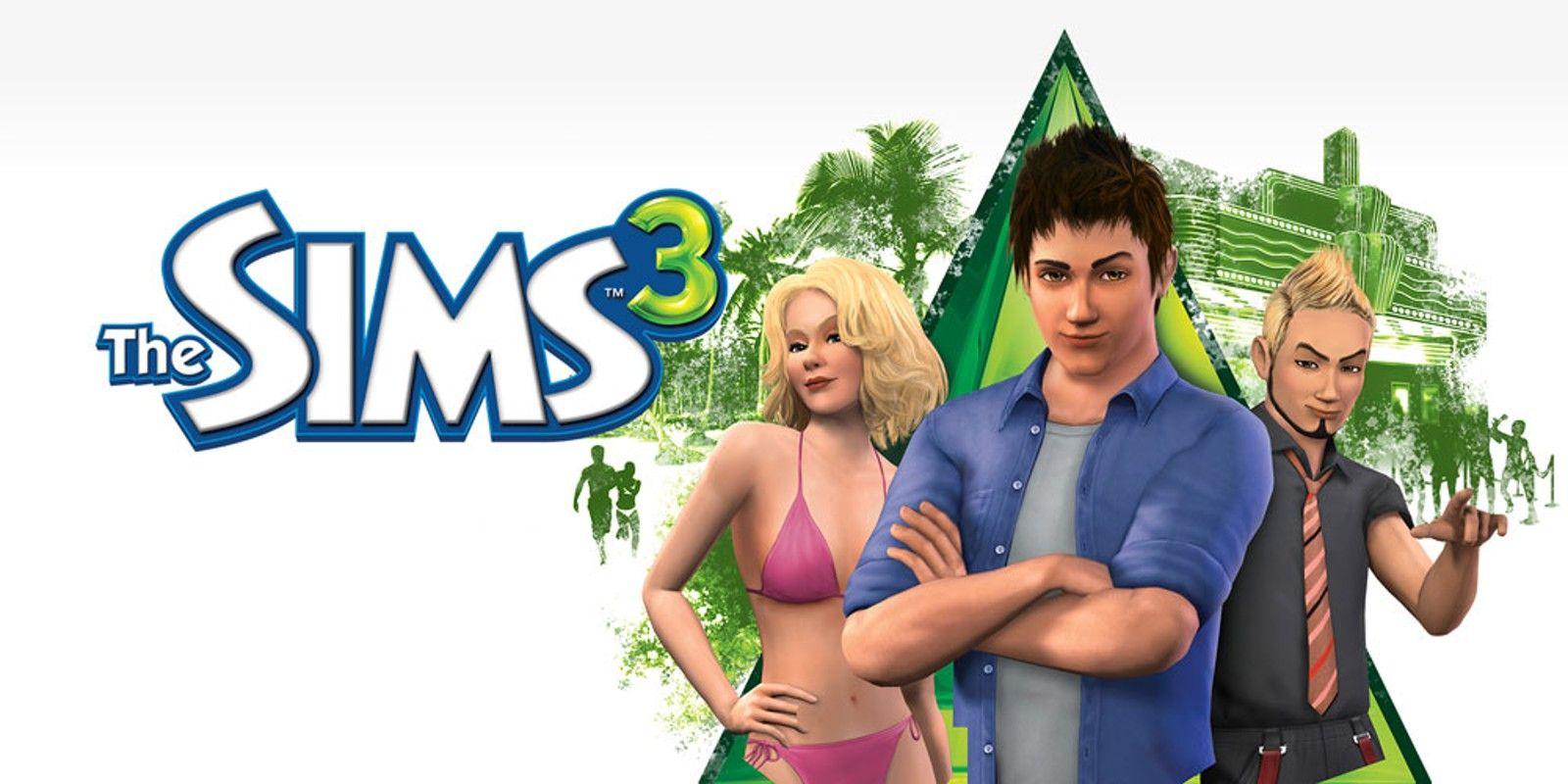


The Sims 3 launched in June 2009 with a single feature that made every previous Sims game feel like a cage: a fully open neighborhood. No loading screens between lots. Your Sim could walk to the park, spy on a neighbor, or jog to the library without the game pausing to spin a loading wheel. For a series that had always felt like a collection of isolated dollhouses, that was a genuinely big deal. Seventeen years later, it still sits at rank 18 among all Steam games released in 2009, backed by over 34,000 user reviews, and currently priced at $19.99. Compare that to its successor, The Sims 4, which went free-to-play in 2022 and has taken a very different approach to monetization and world design.
What The Sims 2 couldn't do that The Sims 3 could
The Sims 2 was a great game. Nobody's taking that away. But its neighborhoods were static backdrops, and every time you visited a community lot, you got a loading screen and a small, contained space filled with NPCs that existed purely for your Sim to interact with before going home.
The Sims 3 scrapped all of that. Sunset Valley, the base game's starting world, was a single connected map where every household existed simultaneously. Other Sims aged, had babies, got promotions, and even died while you weren't watching them. The Story Progression system ran the whole town in the background, which meant returning to a save after a few in-game weeks felt like catching up on a neighborhood you'd actually been away from.
The Create-a-Style tool deserves its own paragraph. Rather than picking from preset color swatches, players could apply custom patterns and colors to virtually any object in the game. Want a tartan couch with a wood-grain frame in teal? Fine. The system was almost absurdly flexible, and it's one of the features The Sims 4 quietly dropped at launch, a decision that still gets brought up in community discussions today.
The expansion pack era: ambitious but expensive
Here's the thing about The Sims 3's legacy: the base game was genuinely strong, but EA's expansion strategy was aggressive even by 2009 standards. By the time the final expansion, Into the Future, released in 2013, there were 11 expansion packs, 9 stuff packs, and a store full of premium content. Getting the full experience cost hundreds of dollars.
That said, individual expansions like Ambitions (2010) and Seasons (2012) added meaningful gameplay systems rather than just new objects. Ambitions let Sims actively participate in their careers instead of disappearing into a rabbit hole building every morning. Seasons added weather, holidays, and a calendar that gave the passage of time actual weight.
The contrast with The Sims 4's expansion model is instructive. The Sims 4 has shipped 21 expansion packs as of this year, and the debate over which ones are actually worth buying is ongoing. If you want help sorting through that, the best Sims 4 expansion packs guide breaks down which ones deliver real gameplay versus padding.
Why The Sims 3 still has an active player base
With 34,053 Steam reviews and a weighted score that places it above Dragon Age: Origins and Fallout 3: GOTY Edition on Steam 250's 2009 rankings, The Sims 3 is not a forgotten relic. Players still mod it heavily, and the community at r/thesims regularly debates whether it's the better game compared to its successor.
The open world is the most-cited reason people return. The Sims 4 uses small, instanced worlds with loading screens between neighborhoods, a design choice that was made partly for performance reasons and partly to support the console versions. For players who want their Sim to feel like they actually live somewhere rather than teleport between disconnected zones, The Sims 3 still delivers that in a way nothing else in the series has matched.
Performance is the main caveat. The game runs on an engine from 2009 and struggles with memory management on modern hardware, especially with multiple expansion packs installed. Long save files can get bloated, and the game is notorious for slowing to a crawl in late-game. The modding community has produced fixes, including the Overwatch and ErrorTrap mods from Twallan, that address the worst of it, but it requires setup.
Pro tip: if you're playing The Sims 3 on a modern PC, install the 4GB patch to allow the game to access more RAM. It won't fix everything, but it meaningfully reduces late-game lag.
The Sims 3 versus The Sims 4 in 2026
The Sims 4 has advantages too: better build mode tools, more detailed Sim emotions, and regular free updates including our March 2026 patch that addressed over 50 bugs across autonomy, pets, and CAS sorting. The two games appeal to different priorities, and that's genuinely fine.
But if you've only played The Sims 4 and want to understand why a chunk of the community keeps pointing backward at a 17-year-old game, The Sims 3 at $19.99 is an easy recommendation. The open world alone makes it worth the price of entry, performance quirks included.