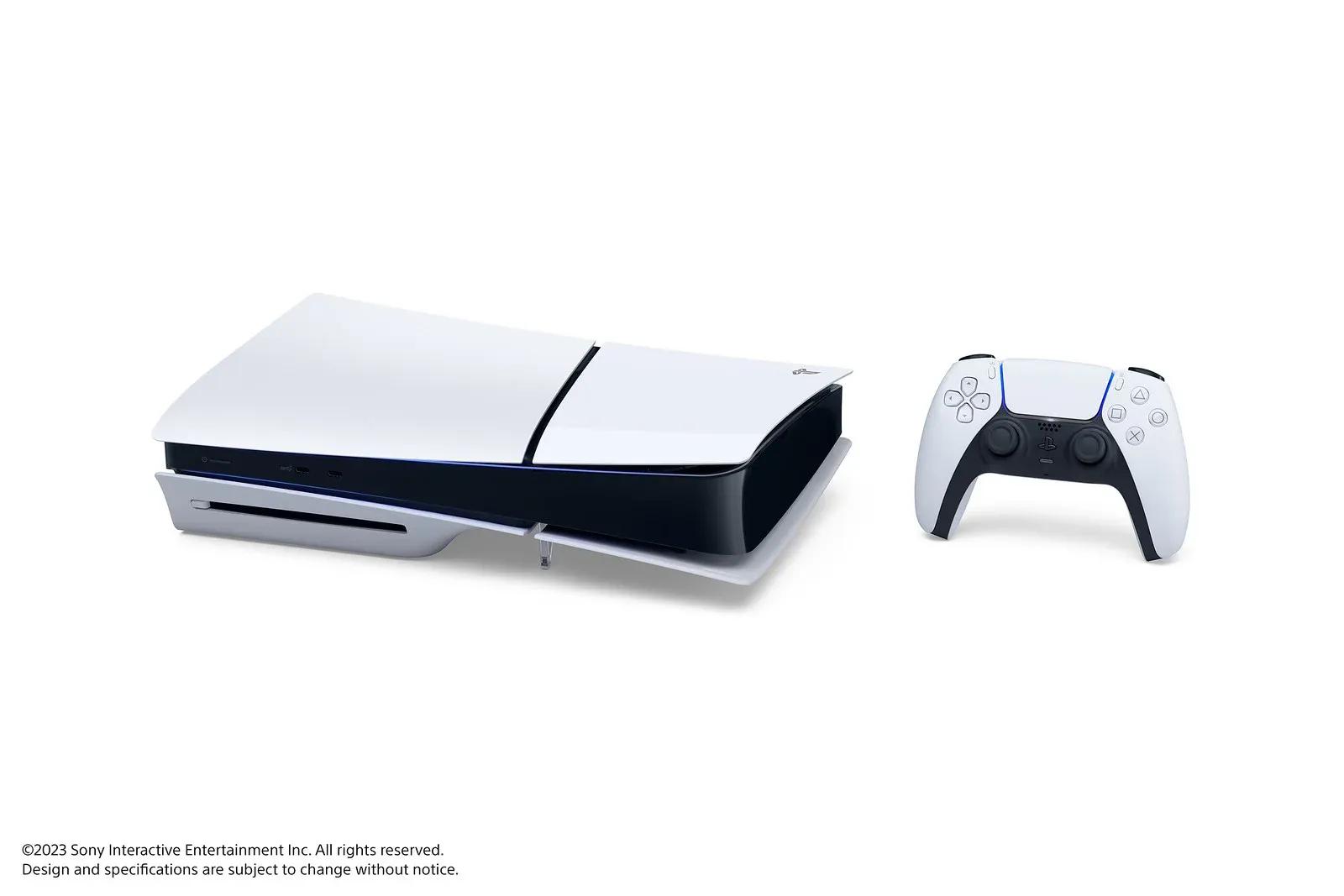

Sony's decision to end physical disc production for new PS5 games starting January 2028 has triggered one of the biggest fan backlashes in recent PlayStation history. But not everyone in the industry is sounding the alarm.
Yves Guillemot, CEO of Ubisoft, weighed in during a recent investor Q&A, and his take was notably measured. Where fans have been flooding social media, livestream comment sections, and a rapidly growing petition with frustration, Guillemot pointed to potential benefits that most players aren't talking about.
What Guillemot actually said
"What we saw on the PC is that it helped to grow the market," Guillemot told investors. "There's also some pressure for the future on the cost of machines and being able to be only digital will help to have a more accessible machine."
His conclusion was blunt: "There are plus and minus, but we think it will not disturb too much the industry."
The PC comparison is worth sitting with. The shift away from physical PC games happened gradually over the past 15 years, and the result was a massive expansion of the player base through lower-cost distribution, storefront sales, and broader access. Guillemot is essentially arguing the same playbook could work for PlayStation.
The financial logic Sony is betting on
Here's the thing: the numbers back up Sony's move, even if the optics are rough. For a first-party title sold physically, Sony keeps roughly 65% of the revenue, with around 30% going to the retailer and approximately 5% covering manufacturing. For a digital sale, Sony keeps 100% of that first-party revenue.
The gap is even starker with third-party games. On a physical copy of something like Call of Duty, Sony pulls in a licensing fee estimated around 15%. Digitally, the cut is significantly higher.
Sony's own framing leans on consumer behavior. "As consumer preferences and the broader entertainment industry continue to shift away from physical discs to digital, physical game disc production for all new games releasing on PlayStation consoles will be discontinued starting January 2028," the company stated officially. The argument is that this decision follows where players already spend their money, not where they say they want to.
Why the backlash isn't going away
The fan reaction has been loud and specific. Concerns around game ownership, long-term preservation, and the second-hand market are driving most of the criticism. The global second-hand video game market sits at an estimated $7.2 billion, and a fully digital PlayStation future puts a significant chunk of that at risk.
A former God of War developer revealed this week that Sony anticipated the backlash and reportedly issued staff with strict social media guidelines to prevent public comment on the controversy. That detail hasn't helped Sony's image.
Still, industry analysts are largely siding with Guillemot's read on the long-term outlook. Dr. Serkan Toto, CEO of Japanese game industry consultancy Kantan Games, put it plainly: even if 500,000 PlayStation Plus subscribers cancelled in protest, that represents just 1% of the roughly 50 million subscribers on the service. Sony has over 120 million active PlayStation users. The math doesn't give Sony much reason to reverse course.
Physical media's shrinking footprint
The numbers tell a quiet story on their own. Just 7 PlayStation games have sold more than 100,000 physical copies in the United States so far this year. That's not a rounding error in a market that once moved millions of discs per release. The shift to digital has already happened for most players; the disc drive is increasingly a niche feature rather than a standard expectation.
For players who still buy physical, the concern is real and legitimate. But for Sony and publishers like Ubisoft, the trajectory has been clear for years. Guillemot's comments reflect where the industry's financial incentives already point.
If cheaper discless PS5 hardware does arrive as a result of this transition, it could genuinely expand access to PlayStation gaming. Whether that trade-off feels worth it depends entirely on which side of the physical-versus-digital debate you sit on. For more on what PS5 hardware changes mean for your gaming setup, check out our guide on how to disable PS5 adaptive triggers in Battlefield 6 and other platform-level settings worth knowing. For broader platform coverage, the guides hub has you covered as Sony's PlayStation strategy continues to shift.