
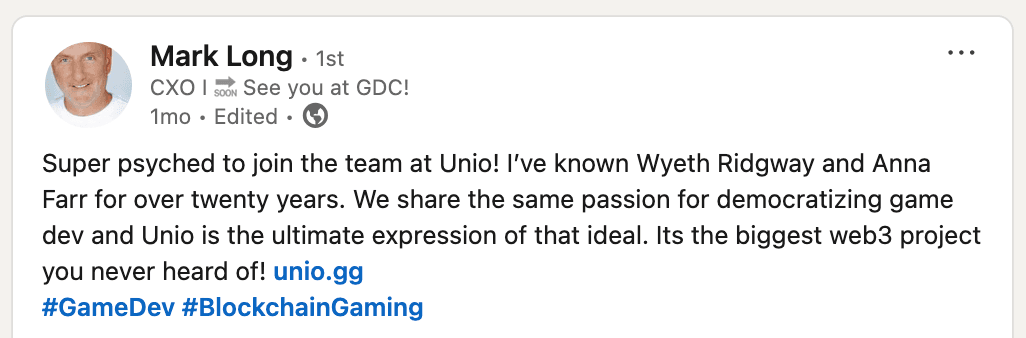
Unio, a web3 gaming platform built around digital asset ownership and community-driven content, has brought on industry veteran Mark Long as its new CEO. Long, who previously led Neon (Shrapnel), carries decades of experience in gaming and blockchain integration. His arrival comes as Unio gears up to launch Vortex: Hoverdrome, a futuristic hoverbike combat game, in October 2025.
About Unio and Unioverse
Unio sits within the Unioverse, a community-owned sci-fi franchise that ties together multiple interconnected games and content. Players can create, own, and trade digital assets — characters, skins, maps — across different titles. By using blockchain technology, Unio aims to deliver genuine digital ownership and frictionless asset transfers between games.
The team behind Unio includes developers who've worked on Grand Theft Auto, Star Wars, and Call of Duty. With Long now steering the ship, the company is pushing to speed up development and pull in a wider audience.
Mark Long's move to Unio
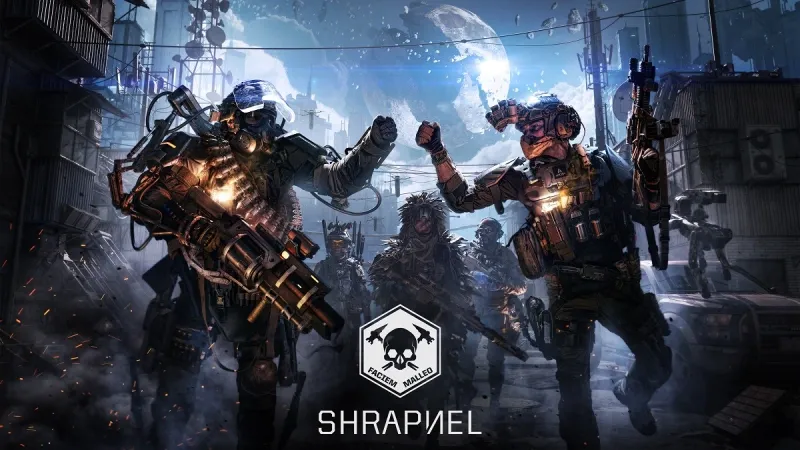
Long's shift to Unio happened after he left Shrapnel following a dispute with investors. The disagreement centered on financial management, leading to a settlement and Long's departure. Wyatt Ridgeway, a longtime collaborator and former CTO at Long's first game company, Zombie, introduced him to Unio. Ridgeway founded Unio and recruited Long to lead the company and get its games out the door.

The launch of Vortex: Hoverdrome
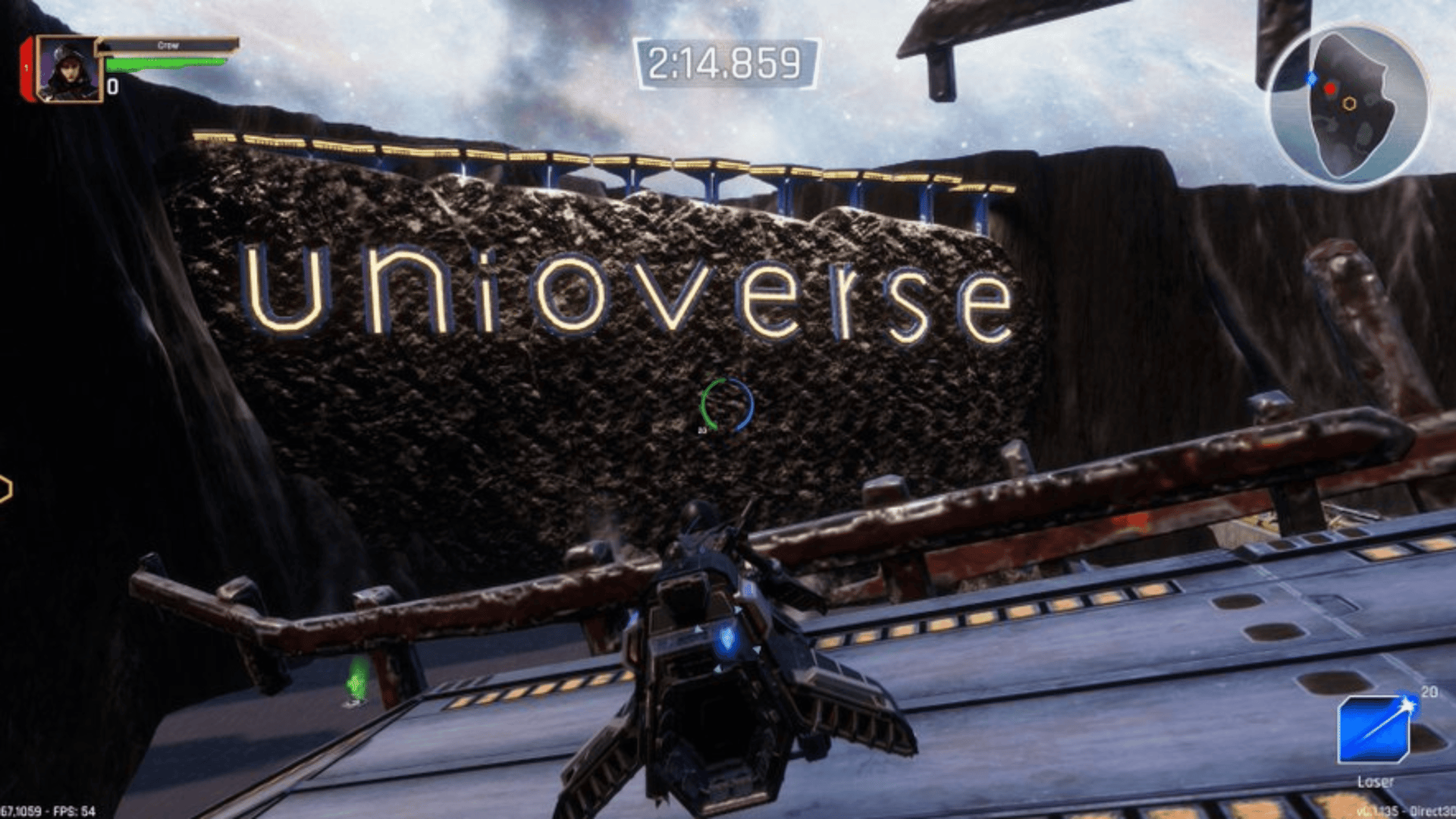
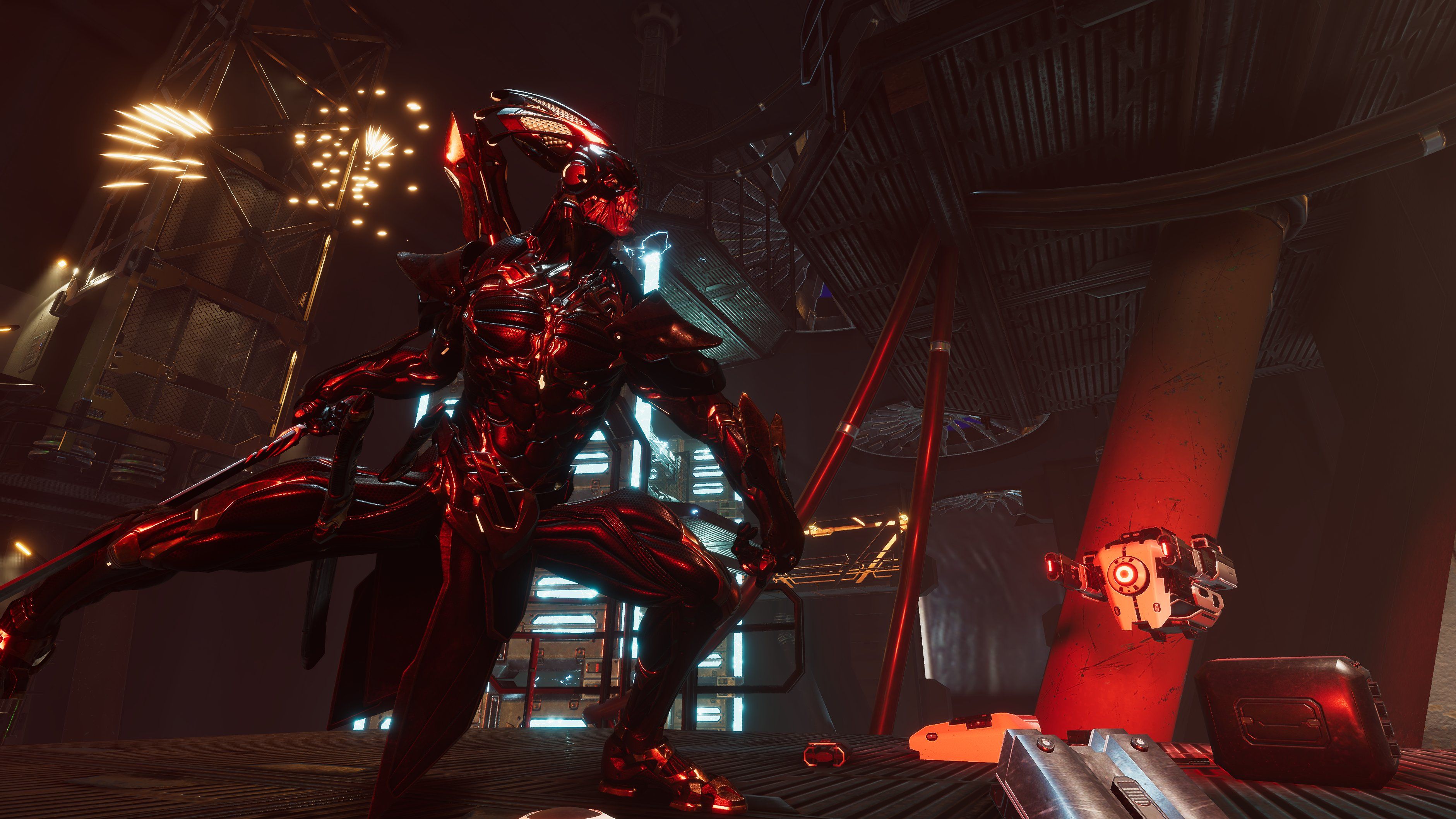
Vortex: Hoverdrome is one of Unio's next releases — a fast-paced, Rocket League-style game with hoverbike combat. It's launching on Steam and leans heavily into user-generated content (UGC), letting players modify vehicles, weapons, and characters through built-in editors. Despite a small team of just 13 people, Unio has made real headway in building a streamlined UGC experience.
Challenges and opportunities in web3 gaming
Long doesn't sugarcoat the state of web3 gaming. Mainstream adoption hasn't happened yet. He compares the current moment to the early internet boom — lots of hype, not always matched by practical use. Right now, web3 gaming has about a million active players, and Long thinks the path forward is bridging web2 and web3 audiences.
"For web3 gaming to succeed, developers must offer tangible value to players," Long said in a recent interview. He stressed the need to make blockchain gaming more accessible, pointing to Unio's simplified onboarding as a way to reduce friction for new players.
The regulatory landscape for blockchain gaming in the U.S. is shifting, especially under the current administration. With enforcement pulling back, blockchain game developers may face fewer legal obstacles when raising funds and expanding.
Long remains optimistic despite the uncertainty. He believes the next wave of blockchain-based games will reshape the industry's economics, and he sees NFTs playing a role in both game discovery and sustaining in-game economies.
Unio Appoints New CEO Mark Long
Industry reactions and criticism
Not everyone is sold on Unio's strategy. Game economist Catalin Alexandru voiced skepticism, drawing comparisons to Shrapnel's struggles. He criticized the tokenomics structure and UGC monetization model, arguing they could hold Unio back. Unio's leadership maintains that its community-driven tools and game development approach will drive engagement and growth.
Unio is positioning itself as a major player in web3 gaming, focusing on accessible, fun experiences and a strong UGC ecosystem. With Vortex: Hoverdrome launching soon and more games in development, Unio is working to carve out its place in the evolving gaming landscape. Long's leadership will be key in navigating the challenges and opportunities ahead as the company pushes to reach a broader audience and establish itself in the competitive gaming market.