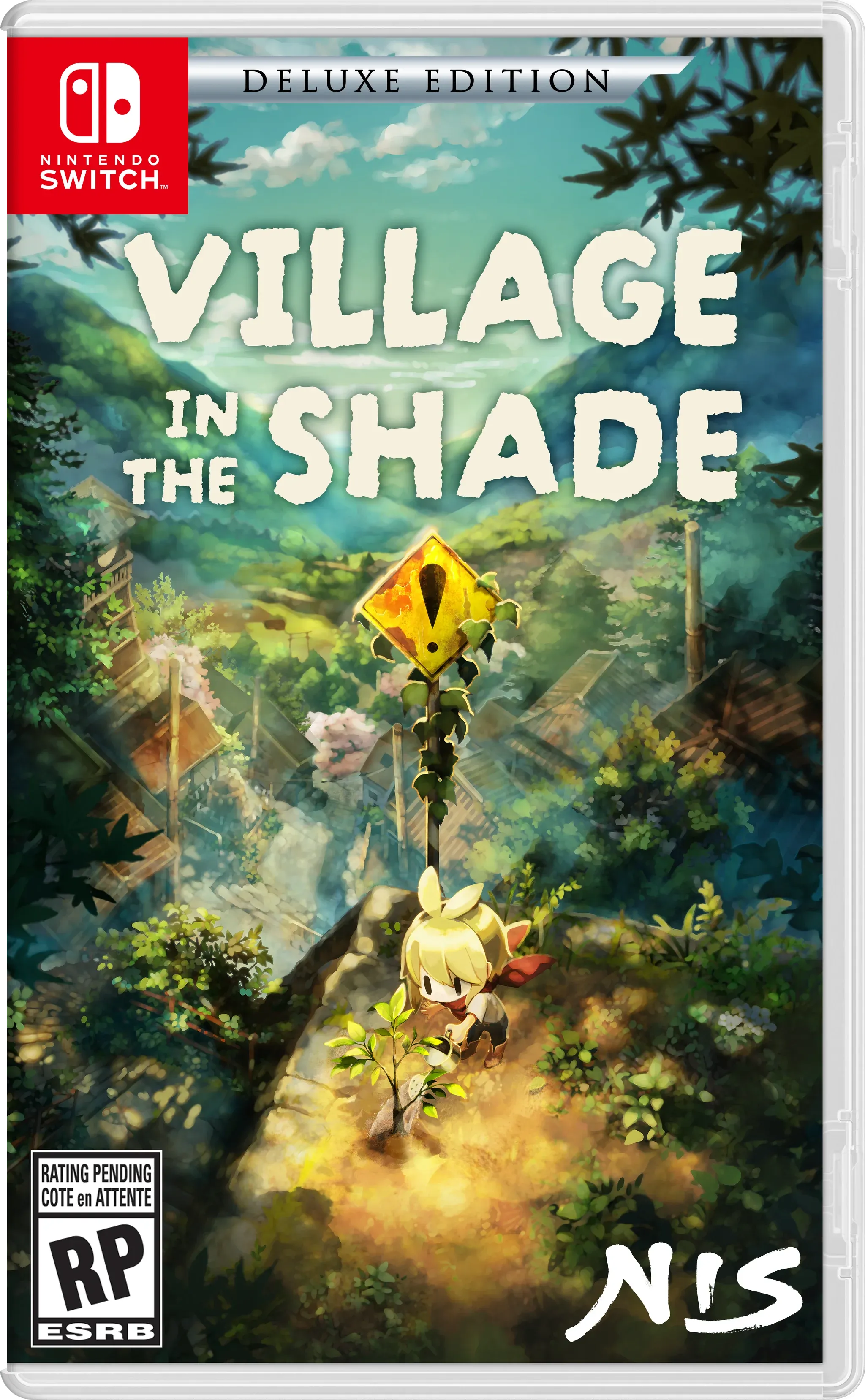


Farming sims are everywhere right now, but very few of them make you afraid to go to sleep. Village in the Shade, the latest release from Nippon Ichi Software (the studio behind the Yomawari series), has crossed 100,000 combined physical shipments and digital sales in Japan. That milestone lands quickly after launch, and it signals that the game's unusual mix of quiet countryside life and creeping dread has found a real audience.

Use code TRYHARD33 at checkout to redeem this offer before code expires again.
Get 33% Off GAMES+ Subscription
Why 100,000 copies matters for this genre
Reaching six figures in Japan alone is a meaningful benchmark for a mid-tier title, especially one that sits at the intersection of two genres that don't usually share shelf space. Cozy farming games have a dedicated fanbase, but layering in genuine horror elements is a risk. Players who came for crop rotations and villager friendships are suddenly getting jump scares at midnight. The fact that 100,000 Japanese players bought in anyway suggests the pitch landed clearly.
Here's the thing: Nippon Ichi Software already has a track record with horror-adjacent games that look deceptively soft. The Yomawari series built its reputation on exactly that tension, and Village in the Shade is drawing direct comparisons from players who recognize the studio's visual fingerprints. That existing goodwill almost certainly helped drive early sales.
What players are actually experiencing
Early player feedback paints a consistent picture. The daytime farming loop starts slow, but the game opens up significantly as seasons progress, with one player logging over 22 hours noting that content expands considerably once summer arrives in-game. The horror elements are described as more atmospheric than relentless, closer to a light Japanese horror film than a survival game, which keeps the experience accessible without feeling toothless.
Players have flagged a few rough edges in the current version. One recurring note involves the fullscreen behavior early in the game, where the usual keyboard shortcuts don't apply until the menu screen unlocks, leaving the version number visible in the window bar during the opening sequence. That's a minor friction point, but it's the kind of thing that tends to get patched quickly once it shows up consistently in feedback.
The game also includes an option to disable horror elements entirely, though most players seem to be opting into the full experience. Fishing, farming, and the slow unraveling of what's actually happening in the village appear to be the core loop keeping people engaged well past the first few in-game days.
The broader picture for Nippon Ichi Software
This milestone adds momentum to a studio that has been steadily building its identity around horror-flavored games with approachable aesthetics. Hitting 100,000 in the domestic market before international localization is in place suggests the global ceiling could be considerably higher if an English release follows.
For context, the farming sim space has been expanding fast. Games that blend cozy mechanics with darker themes have proven they can hold player attention beyond the typical genre audience. Village in the Shade appears to be benefiting from that appetite directly.
If you enjoy games built around villager relationships and want to see how other titles handle friendship mechanics, the Dave the Diver villager friendship rewards guide is worth a look for comparison. And if you want to stay across every new release hitting these numbers, the full gaming guides hub has you covered for whatever you're playing next.
Nippon Ichi Software has not announced a date for a follow-up sales update, but with the game still in its early weeks and international interest building on Steam, the next milestone could arrive sooner than expected. Keep an eye on the studio's official channels for localization news, because that announcement will matter a lot to the players currently navigating the game with a Japanese dictionary open on a second screen.
For broader coverage of what's worth playing right now, check out the latest game reviews to see how other titles in the genre are holding up.