Adam Fern, co-founder of PoP, recently reignited the debate around play-to-earn gaming with a blunt take: the model doesn't work. His core thesis is that mixing financial incentives with gameplay fundamentally breaks both. When earning becomes a mechanic, it stops being a game.
Why Play to Earn Games Are Failing
The Core Argument: Fun vs. Finance
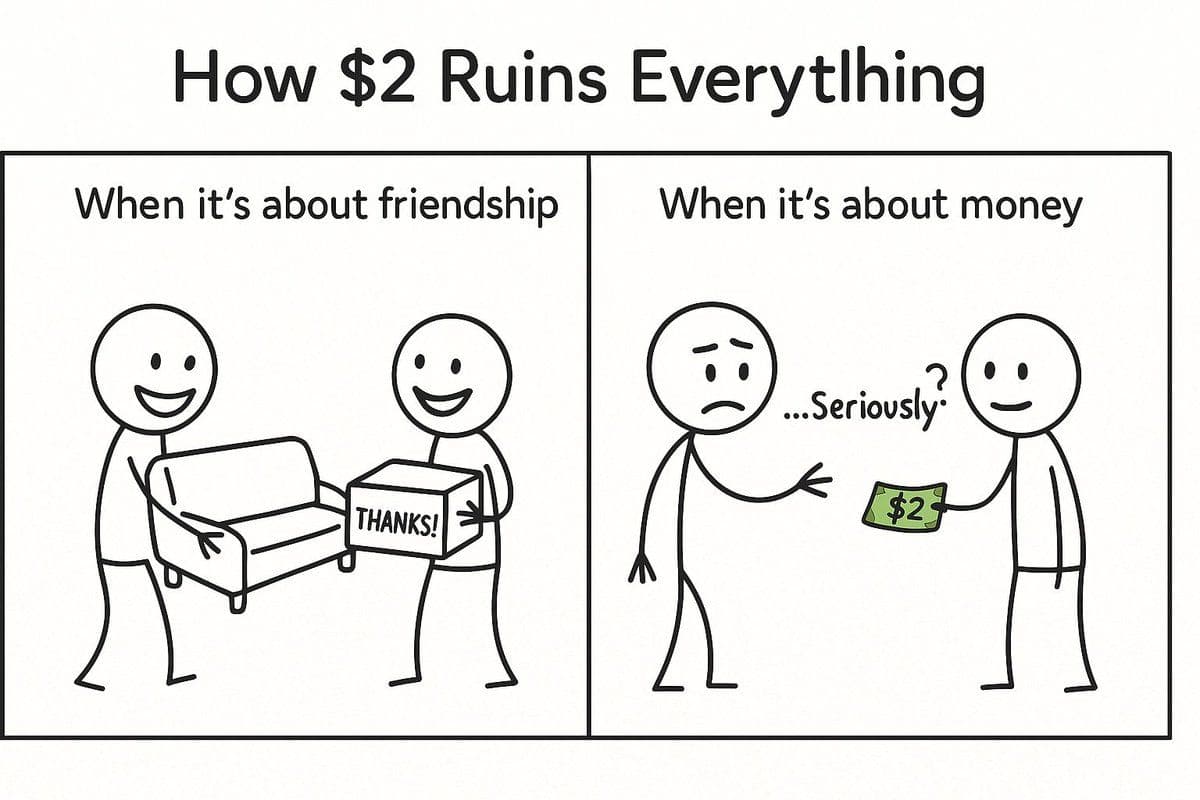
Fern's position is straightforward: financial rewards always override entertainment. He frames it through Maslow's hierarchy — income addresses survival needs, while fun is a luxury. When a game pays you to play, the earning motive inevitably dominates. Players optimize for profit, not enjoyment, and the game's design warps around that reality.
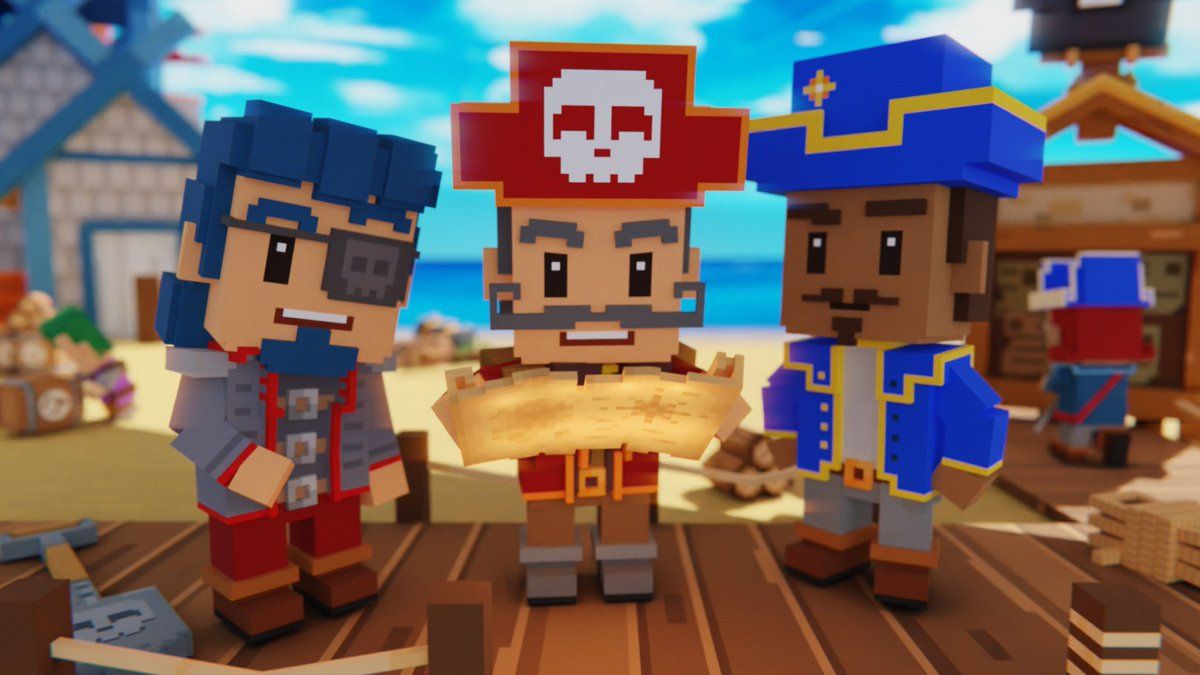
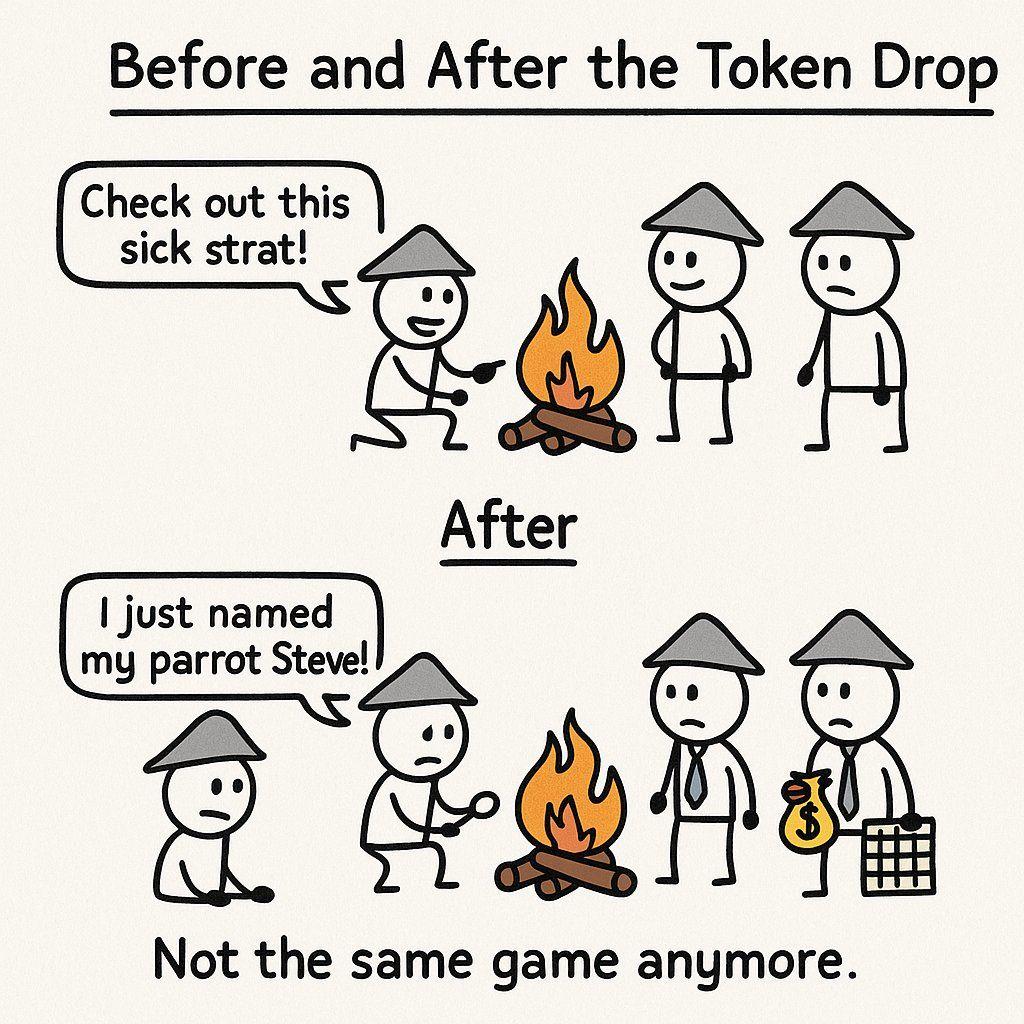
He points to Pirate Nation as a case study. Post-token launch, metrics looked strong. Then tokens pooled with holders whose only goal was to extract value. Sell pressure mounted. The economy collapsed. This cycle, Fern argues, has repeated across nearly every P2E and play-to-airdrop campaign over the past year.
The fix, in his view, is simple: build games worth playing without payment. If players wouldn't pay to play it, paying them to play it won't save it.
Why Play to Earn Games Are Failing

Alternate Views: Can P2E Be Repaired?
Not everyone agrees the model is dead on arrival.
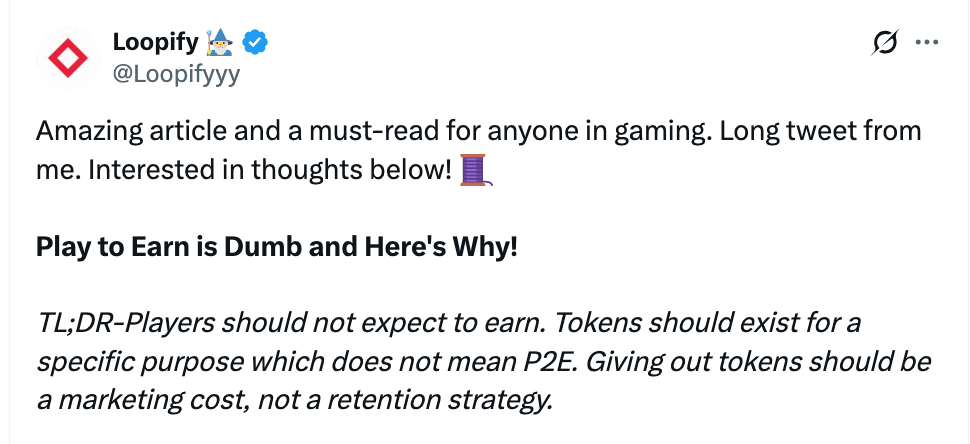
Loopify shares some of Fern's skepticism but frames token rewards as a user acquisition cost rather than a retention tool. Most web3 games fail to generate positive return on reward spend. He cites Sleepagotchi as one of the few exceptions — a crypto game that found traction by targeting web2 players, not crypto natives.
Heimdall, chief economist at Citadel, takes a different angle. He believes earning and fun can coexist if the earning emerges from real competition and risk. Citadel's design draws from EVE Online: tokens are rewards for winning player-versus-player conflicts where assets can be destroyed. The economy functions because value flows between players, not from a faucet. Earning becomes a byproduct of a functioning market, not the game's purpose.
Why Play to Earn Games Are Failing
Token Design and Long-Term Incentives
Apix argues the issue isn't tokens themselves, but how they're implemented. Most P2E games treat tokens as a reward mechanism disconnected from actual demand. Meanwhile, teams and investors hold locked allocations with every incentive to sell once vesting unlocks. That structural sell pressure tanks value before the game economy can stabilize.
He contrasts this with item economies in Gigaverse and CS:GO, where players earn through trading items that other players actually want. These systems work because value is player-driven, not speculative. Though he notes even these models might be indirectly propped up by expectations of future token airdrops.
BEN.ZZZ of Cambria echoes the concern. Utility tokens held by insiders create misaligned incentives. The question isn't whether tokens can work in games — it's whether the current vesting and distribution structures allow for anything other than short-term extraction.
Why Play to Earn Games Are Failing
Toward Better Incentive Design in Web3 Games
The consensus is forming: P2E as currently designed doesn't work. Whether the fix is better token distribution, competitive economies with real stakes, or abandoning the model entirely remains an open question. What's clear is that incentive design determines outcomes. Show players they can extract value without contributing it, and they will. Build a game where value flows between players through competition and trade, and you might have something sustainable.
Charlie Munger's line applies here: show me the incentive and I'll show you the outcome. In web3 gaming, that means the incentive structure is the game design. Get it wrong, and no amount of blockchain integration will save it.