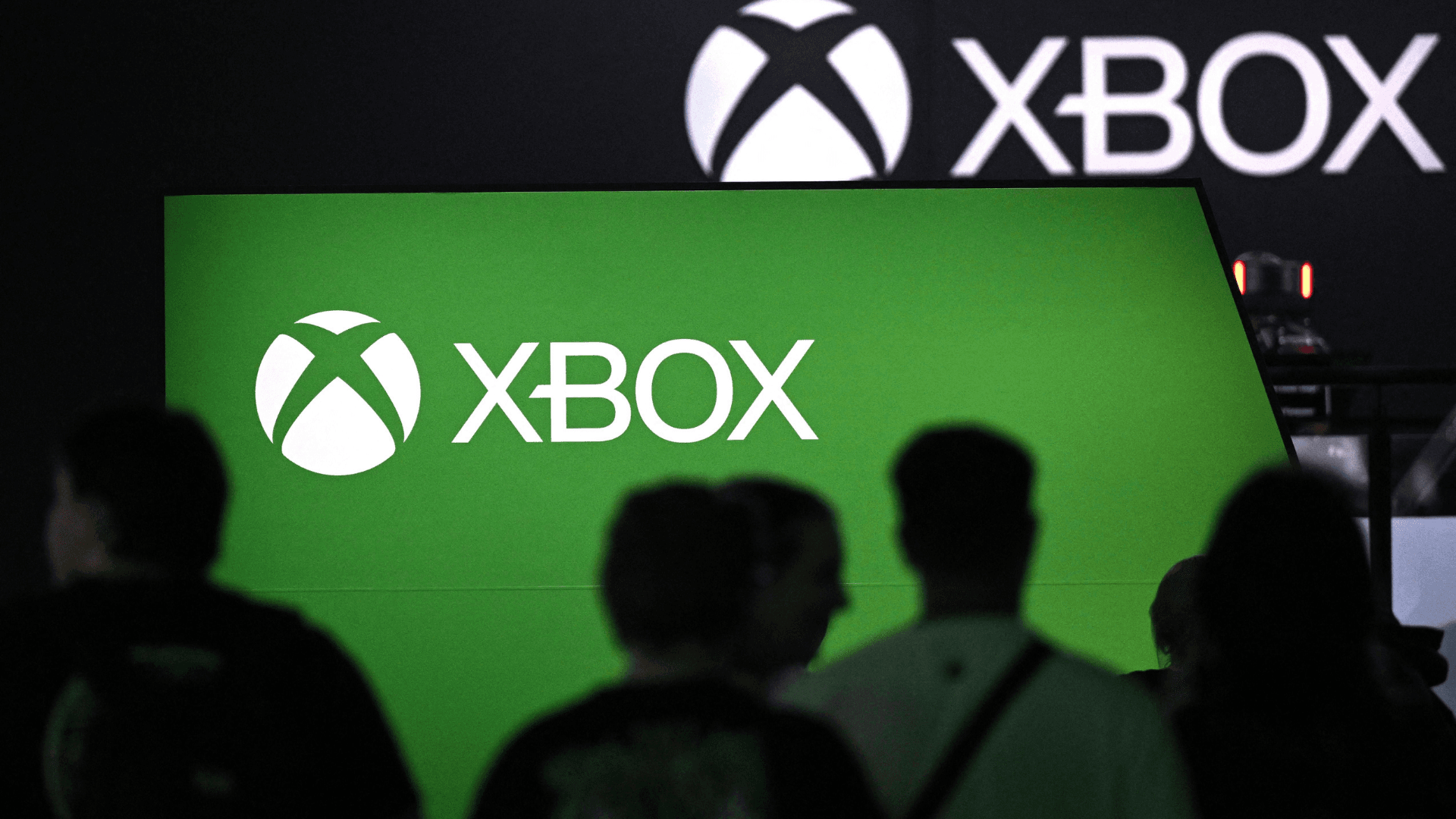

Xbox is in the middle of a major leadership reshuffle. Phil Spencer is retiring after 38 years at Microsoft, and Xbox president Sarah Bond has stepped down. Both exits happened through internal memos and scattered media coverage instead of a formal announcement, which has left fans and employees wondering what comes next for the platform.
Spencer will stick around in an advisory role through the summer to help with the handoff to Asha Sharma, who takes over as Microsoft Gaming CEO. The timing is odd given Xbox's 25th anniversary this year and a strong 2026 release lineup already locked in.
How the news broke
The announcement came during a stretch of active debate about Xbox's direction. Microsoft had planned to go public on February 23, but early reporting forced the company to move faster. Many employees learned about the changes from social media before getting official word internally.
The messy rollout stands out because Spencer has been the public face of Xbox for over a decade. A more formal send-off would have made sense given his visibility in the industry. Instead, the scattered communication has added to confusion about where Microsoft wants to take the brand.
Where Xbox stands right now
The leadership swap happens at a mixed moment for Xbox. Game Pass has grown its subscriber base, but the recent price hike annoyed players. Console sales trail the competition, but Microsoft keeps pushing cross-platform play, cloud gaming, and PC integration. Devices like the Xbox Ally X show the company is interested in portable and PC-adjacent hardware, not just traditional consoles.
Xbox's 2026 game slate is solid. Forza Horizon 6, Gears of War: E-Day, the Halo: Combat Evolved remake, and Fable are all major franchise entries. None of them are console exclusives, which tells you where Microsoft's priorities sit.
Bond's exit and what it signals
Bond's departure complicates things further. Some employees reportedly found her difficult to work with, and she was tied to Xbox's cloud and mobile push over traditional console work. Those strategic calls likely came from higher up at Microsoft, from Satya Nadella and Amy Hood, rather than from Bond alone.
In her exit statement, Bond backed Sharma's appointment and emphasized continuity for Xbox players and developers. The lack of public comments from other executives suggests internal messaging is still being sorted out.
What Sharma has said so far
Sharma has talked about balancing Xbox's console roots with Microsoft's broader ecosystem goals. She says she's committed to the core Xbox audience while continuing the company's cross-platform and cloud strategies. That's the same tension Xbox has been navigating for years: keeping the console relevant while expanding to PC, mobile, and cloud.
Industry figures like Seamus Blackley have questioned whether these changes mean a real console focus or a shift toward folding Xbox into Microsoft's AI and cloud projects. Fans and developers will be watching closely to see which way the division actually moves.
Words versus action
The leadership changes highlight a recurring Xbox problem: messaging doesn't always match execution. Microsoft says it's committed to hardware and core players, but the company has flip-flopped between exclusivity and multiplatform releases for years. What Xbox needs is affordable consoles, strong games, and a clear strategy. Sharma will be judged on results, not statements.
Spencer's retirement and Bond's resignation mark a real turning point for Xbox. How the platform balances console, cloud, and PC gaming will become clearer as Sharma and her team start making decisions.
Make sure to check out our articles about top games to play in 2026:
Best Nintendo Switch Games for 2026
Best First-Person Shooters for 2026
Best PlayStation Indie Games for 2026
Best Multiplayer Games for 2026
Most Anticipated Games of 2026
Top Game Releases for January 2026
Frequently Asked Questions (FAQs)
When did Phil Spencer announce his retirement?
Phil Spencer announced his retirement in February 2026. Microsoft had planned to make the announcement on February 23, but early reporting moved up the timeline.
Who is replacing Phil Spencer as Microsoft Gaming CEO?
Asha Sharma is taking over as Microsoft Gaming CEO.
Why did Sarah Bond leave Xbox?
Bond resigned around the same time as Spencer's retirement. Her departure may relate to internal disagreements over strategy, though she expressed support for the transition in her exit statement.
What does this mean for Xbox games and hardware?
Sharma has said she'll continue supporting console hardware while maintaining Microsoft's focus on cross-platform, cloud, and PC gaming. Upcoming games include Forza Horizon 6, Gears of War: E-Day, and the Halo: Combat Evolved remake.
Will Xbox return to console exclusives?
Sharma hasn't confirmed a return to strict exclusivity. She's emphasized a cross-platform approach instead. Fans and developers will need to watch upcoming releases to see how Microsoft handles exclusives versus multiplatform availability.
How does this affect Xbox's overall strategy?
The leadership changes reflect ongoing strategic shifts, including a focus on cloud, PC, and mobile gaming alongside traditional console development. Microsoft's priorities in AI and corporate growth may shape Xbox's role within the company going forward.