
The CRPG genre is starving for its next big moment, and Obsidian Entertainment had everything needed to feed it. Now, thanks to Xbox's sweeping restructuring, that window looks like it's closing fast.
This week, Xbox announced a restructuring that will cut 3,200 jobs by next summer. The first wave has already hit hard. Obsidian lost roughly 25% of its staff, and the remaining team has reportedly been redirected toward a new Fallout game as Microsoft tightens its grip around its biggest IPs. As a side effect, Avowed 2 appears to be shelved, with some reports suggesting the team hopes to re-pitch it eventually but no indication it's a priority right now.
Here's the thing: the timing could not be worse.
The universe Xbox is walking away from
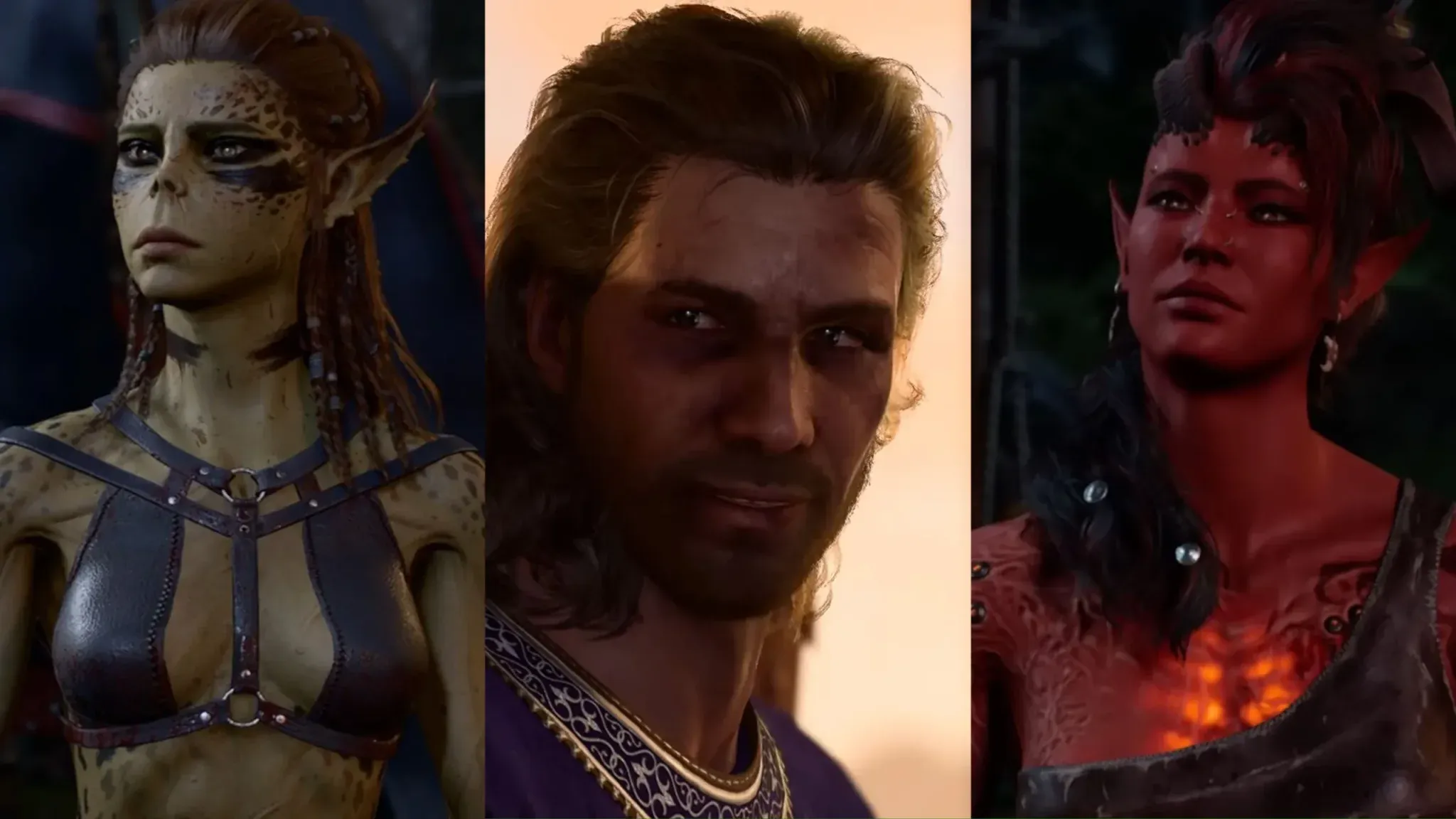
Baldur's Gate 3 proved in 2023 that there's a genuine, massive appetite for dense, choice-driven CRPGs. Larian Studios built something that crossed over from niche PC genre into mainstream phenomenon, and the industry still hasn't produced a real answer to it. That's partly because the tools required to do so are rare: a fleshed-out fantasy world, reactive narrative systems, and a team that genuinely understands what makes those systems tick.
Obsidian had all three.
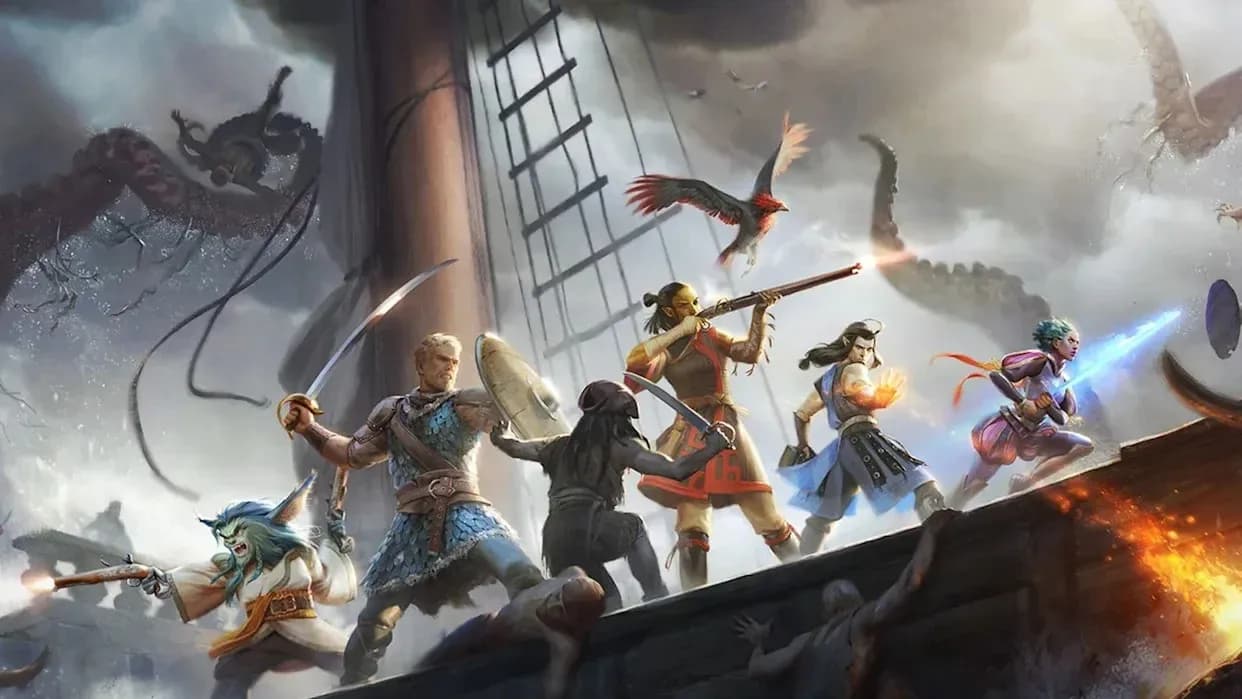
The Pillars of Eternity universe, set in the fictional world of Eora, has been quietly building since 2015. What makes it special isn't just the high-fantasy trappings. Eora's central hook is that its gods aren't real deities. They're artificial constructs created by an ancient civilization to engineer moral order. That's the kind of foundational worldbuilding that separates a forgettable setting from one players actually want to spend hundreds of hours in.
Pillars of Eternity launched to strong reception in 2015, followed by Pillars of Eternity 2: Deadfire in 2018. Neither was a massive commercial hit, but both built a devoted following. Then Microsoft acquired Obsidian in 2018, and the studio shifted toward The Outer Worlds, Grounded, and eventually Avowed, a more accessible entry point into Eora that released in early 2025.

What Avowed was actually building toward
Avowed was never meant to be the final form of this universe. Its tighter scope was polarizing to players expecting an open-world Elder Scrolls rival, but read it differently and it looks like exactly what it was: a streamlined introduction to Eora for players who found the original CRPGs intimidating. The foundation was there. The world was there. A sequel with expanded scope and the confidence of a proven IP could have been exactly the kind of game that fills the post-BG3 vacuum.
Instead, Obsidian is now pointed at Fallout.
On paper, that's not an irrational call. Obsidian made Fallout: New Vegas, which many fans still consider the best entry in the series. The Prime Video Fallout series generated a massive mainstream surge in interest for the IP back in 2024. Giving the keys to the studio that created New Vegas makes a certain kind of business sense.
The problem is that Xbox is chasing a moment that's already passed while abandoning a genre that's still hungry. Nobody has made a serious Baldur's Gate 3 rival yet. Hasbro, which controls the BG3 IP through Wizards of the Coast, is reportedly struggling to find a studio even willing to take on Baldur's Gate 4, with the co-lead designer of Baldur's Gate 2 publicly saying he turned it down because BG3 is nearly impossible to follow. That's how much of a gap there is in the market right now.
What the layoffs actually cost
The key here is understanding what gets lost when you gut a studio mid-momentum. Building a reactive RPG world isn't a skill you can hire for quickly. It accumulates over years of iteration, failed experiments, and institutional knowledge. Obsidian spent a decade building and refining its understanding of Eora. That expertise doesn't transfer to a Fallout project cleanly, and it definitely doesn't survive a 25% staff cut intact.
The people who left took knowledge with them. The people who stayed are now being asked to work on something different. And the Pillars of Eternity universe sits on a shelf, waiting for a re-pitch that may never come.
Microsoft has a pattern here. Rare's IP portfolio has barely been touched in decades. Acquired studios tend to get redirected toward whatever IP looks safest on a spreadsheet. Obsidian is the latest example, and it's hard not to feel like the studio's most interesting work is behind it now, not ahead.
For players who want to understand what made Obsidian's RPG DNA so compelling in the first place, the Baldur's Gate 3 beginner's guide is a good reminder of the kind of layered systems that studios like Larian and Obsidian have spent years mastering. The gap between that and what most publishers are willing to fund is exactly why moments like this sting so much.
The Obsidian Fallout game will arrive eventually. Whether the studio that makes it still has the DNA to produce something special is the real question. If you want to revisit what a CRPG at its ceiling looks like while waiting for answers, the full Baldur's Gate 3 guide collection is a reminder of how deep that ceiling actually goes.