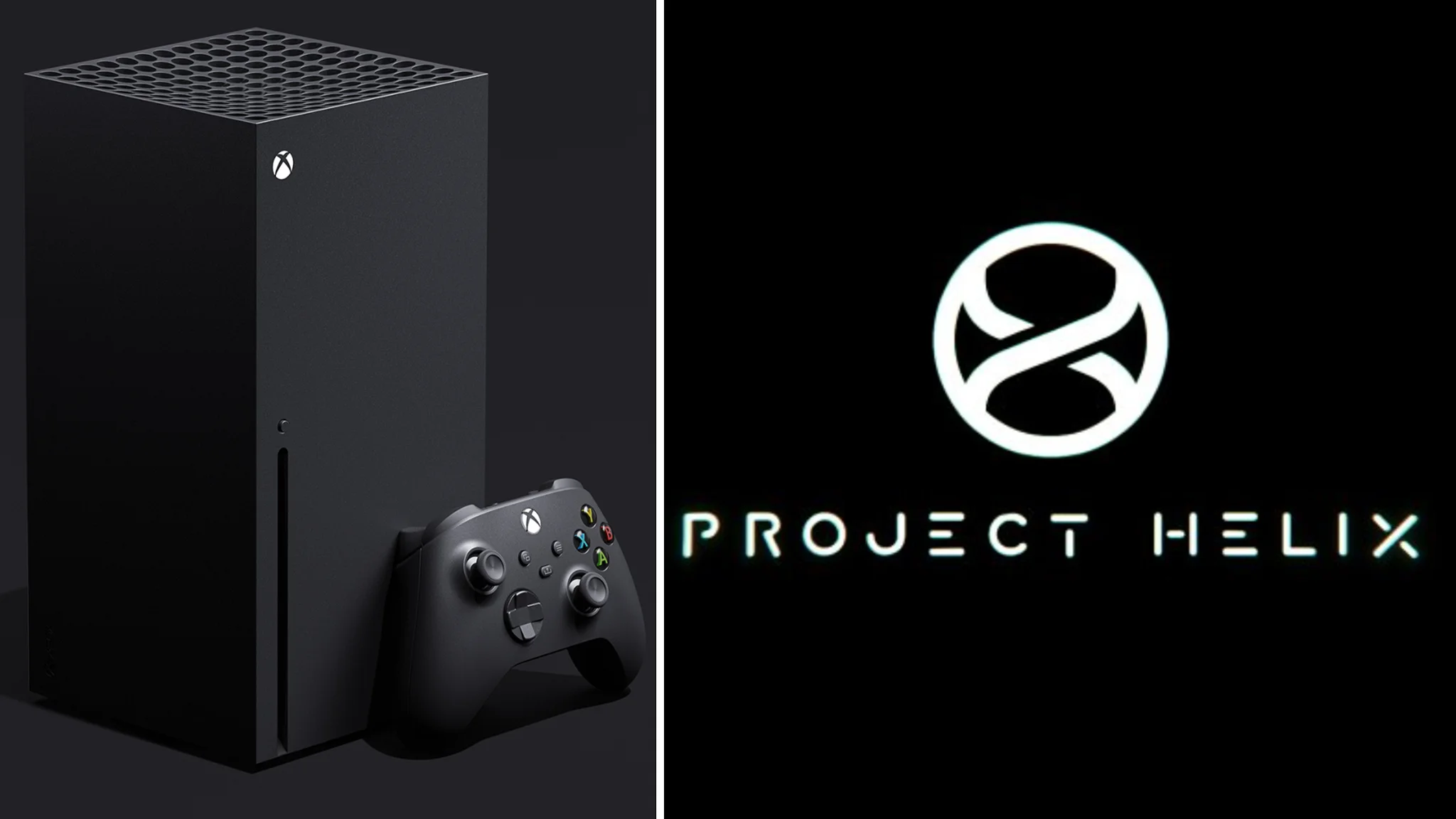
AMD has announced that FSR 4.1, its most advanced AI-powered image upscaling technology, is heading to Xbox Series X, Series S, ROG Ally, and ROG Ally X. The announcement puts Microsoft squarely in line with Sony, which rolled out its own machine learning upscaling solution, QSSR, for PS5 just weeks earlier.
Why this matters more than a spec bump
Here's the thing: FSR 4.1 is not just a minor quality-of-life improvement. The technology renders games at a lower resolution internally, then uses machine learning algorithms to reconstruct a sharper, higher-resolution image. The result is better visual quality without hammering the GPU with extra workload, or alternatively, more stable frame rates at the same visual target.
For Series X owners, that means cleaner images in demanding titles. For Series S and the handheld ROG Ally and Ally X, the gains could be more significant. Both platforms operate under tighter hardware constraints, and a smarter upscaling solution directly extends what those machines can realistically deliver in 2026 and beyond.
Xbox CTO Scott Van Vliet put it plainly: "We've worked very closely with AMD to optimise this technology, giving developers another powerful tool for great performance and visual quality for players."
The console upscaling arms race is real
Sony moved first this cycle. QSSR launched on PS5 as a more accessible version of PSSR, the upscaling tech exclusive to PS5 Pro. QSSR does not require the Pro's additional hardware, making it available to the broader PS5 install base. Microsoft is now matching that move with FSR 4.1, which runs on the existing RDNA 2 architecture inside Series consoles.
The key here is that both companies are leaning on AMD's chip designs to squeeze more out of current-gen hardware, even as next-generation hardware looms on the horizon. Van Vliet also teased what comes next, noting that Project Helix, Microsoft's next-gen console platform, will go further with FSR Diamond. That signals AMD's upscaling roadmap is already being baked into hardware planning, not just patched in after the fact.
What developers and players can expect
For developers, FSR 4.1 adds another option in a growing toolkit. Games that already support older FSR versions will not automatically receive FSR 4.1 quality improvements. Developers need to actively integrate the newer version, which means the rollout will depend on individual studio adoption rates.
For players, the practical impact will vary by game. Titles built to take advantage of FSR 4.1 should display noticeably sharper edges and more stable image quality compared to older upscaling methods. If you're playing on Series S or an Ally handheld and have been frustrated by softer visuals in performance modes, this is the kind of update worth watching.
For a sense of how much optimized settings matter on Xbox hardware right now, the Battlefield 6 best PS5 and Xbox settings guide breaks down how to get the most out of current graphical options before FSR 4.1 lands.
The broader picture here is that Microsoft is actively working to extend the relevance of Series hardware at a time when next-gen pricing is reportedly steep. Reports placing Project Helix at upward of $1,800 make it a tough sell for most players, which puts even more weight on improvements that benefit the consoles already in living rooms.
For players on ROG Ally hardware specifically, getting to grips with settings optimization matters a lot right now. The ChainStaff ROG Xbox Ally X settings guide covers how to hit stable frame rates on the handheld ahead of any FSR 4.1 integration.
The image quality comparison between FSR 4.1 on Xbox and QSSR on PS5 is the question nobody can fully answer yet, and it will be one of the more interesting technical discussions once both technologies are live and running in the same titles. Keep an eye on gaming guides and analysis as more details emerge around the rollout timeline.