Overview
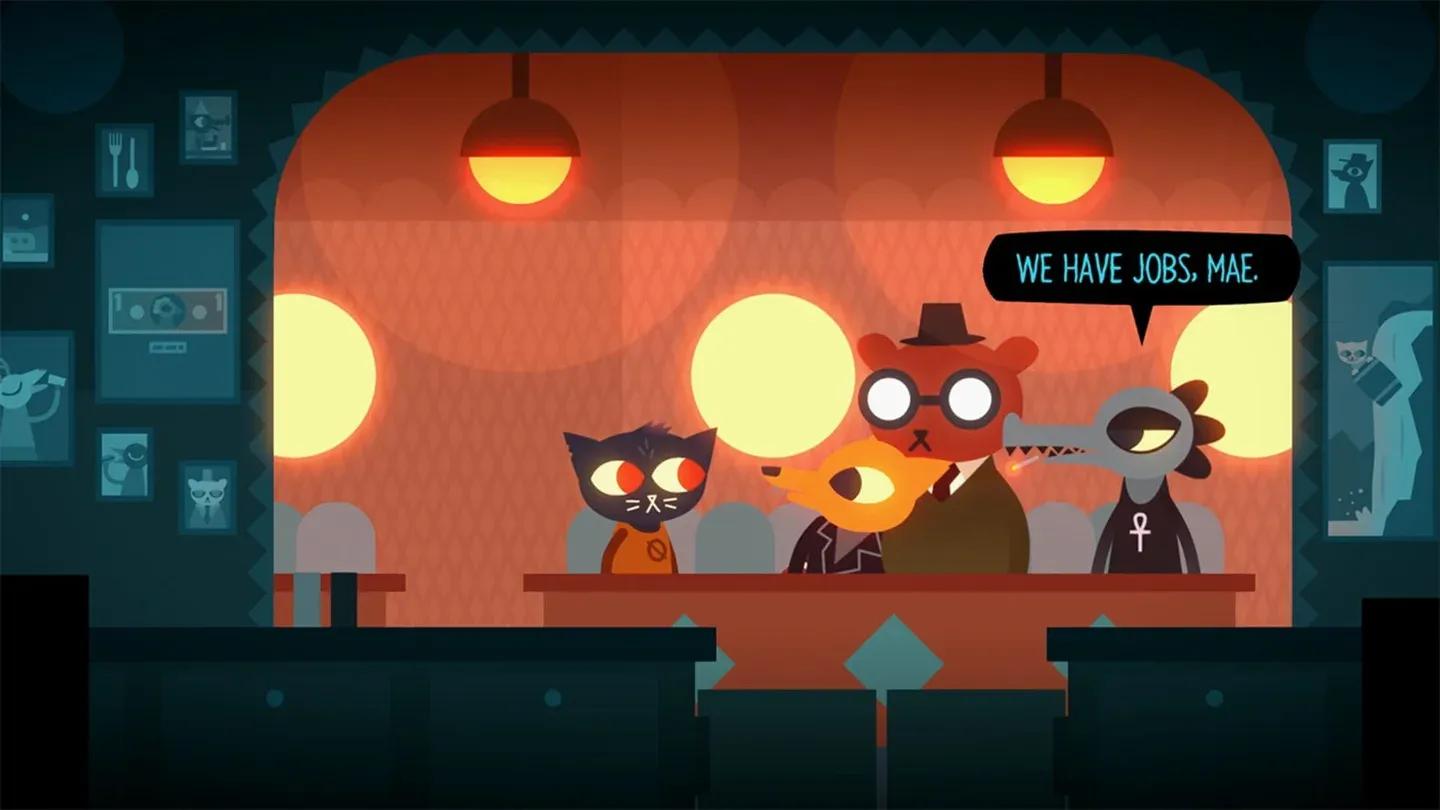
Night in the Woods puts players in the role of Mae Borowski, a twenty-year-old cat who drops out of college and returns to Possum Springs, a former mining town that's been quietly falling apart for decades. The game comes from Infinite Fall, a small team built around Alec Holowka, Scott Benson, and Bethany Hockenberry, and it wears its emotional origins openly. This is a game about being stuck, about watching a place you grew up in slowly die, and about the specific dread of returning home to find that everyone else has kept moving.
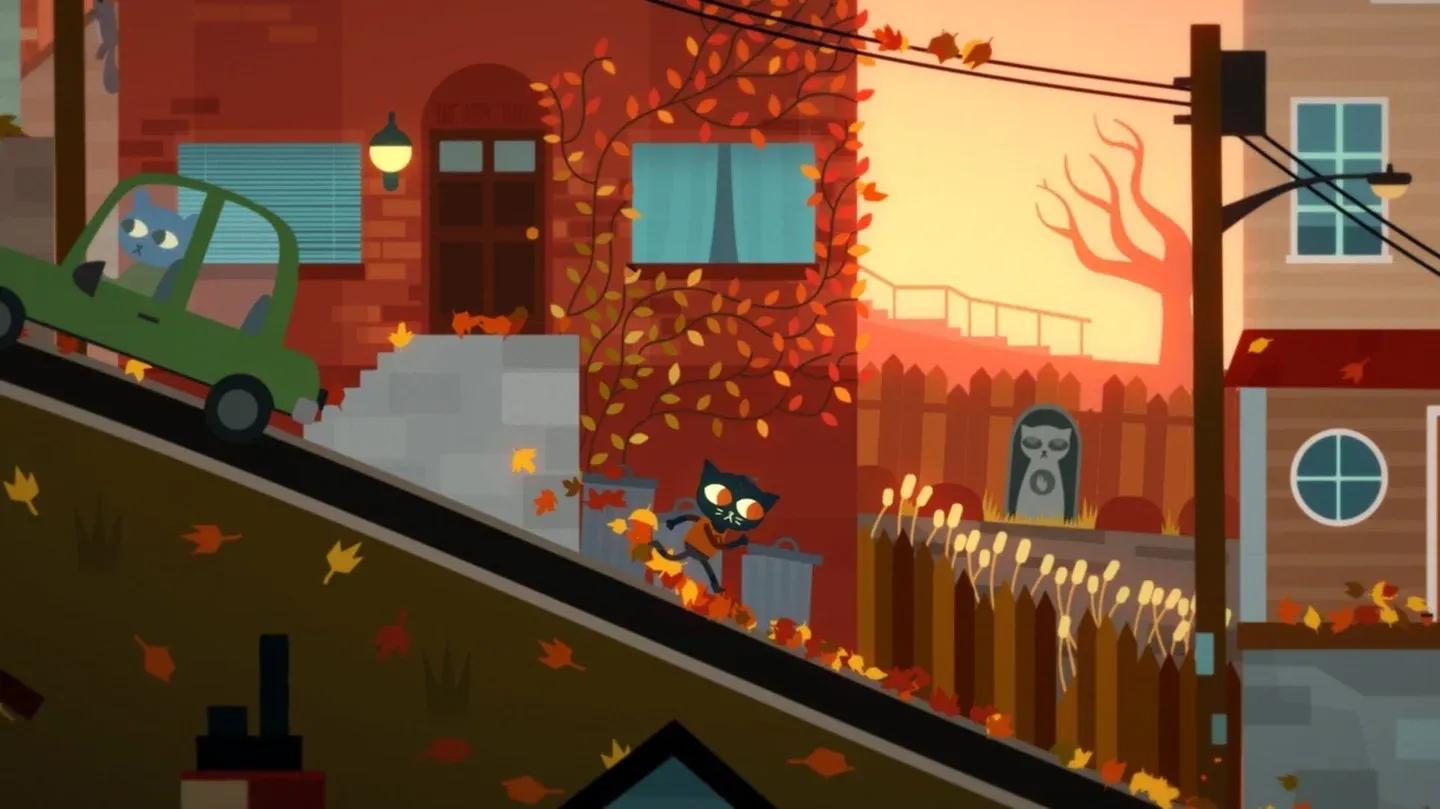
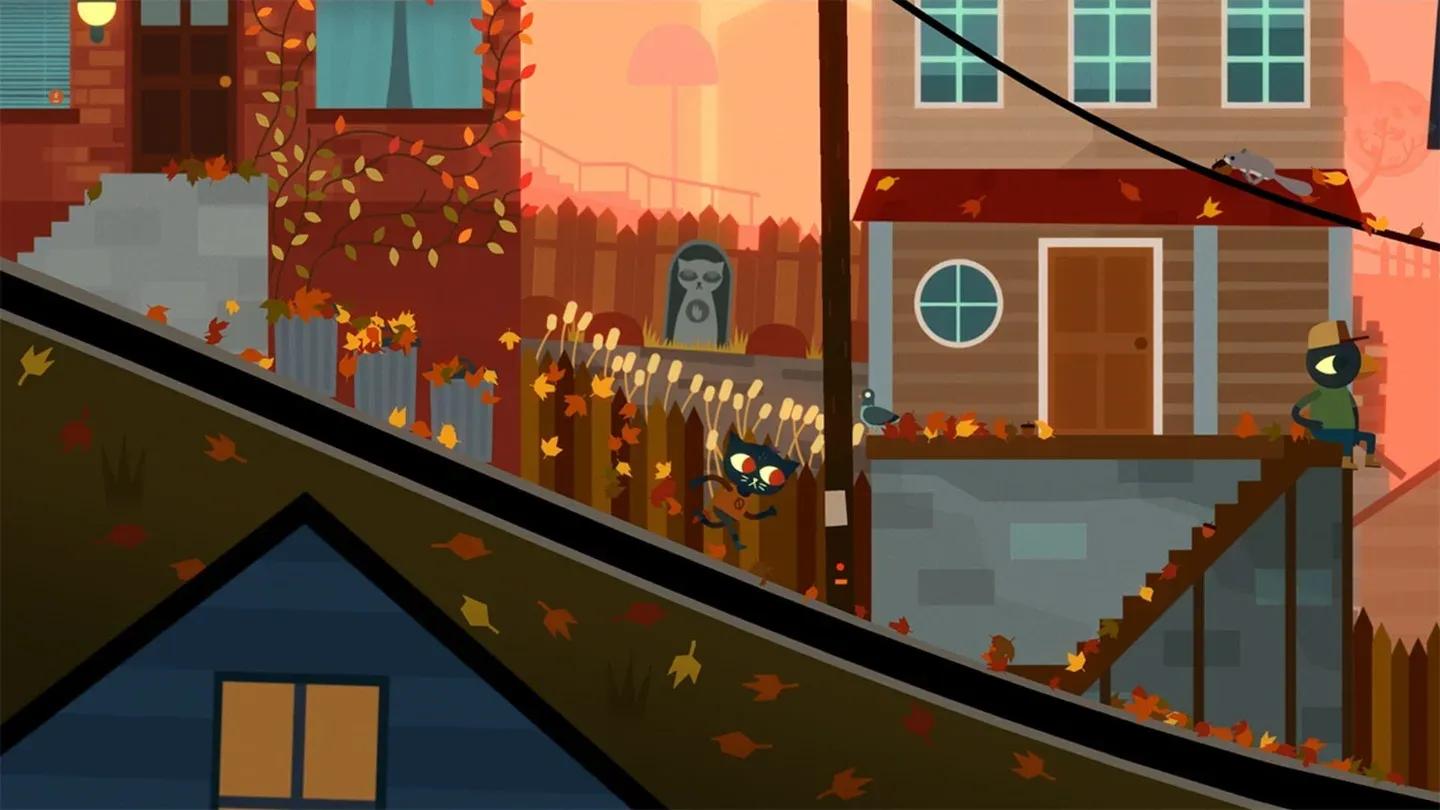
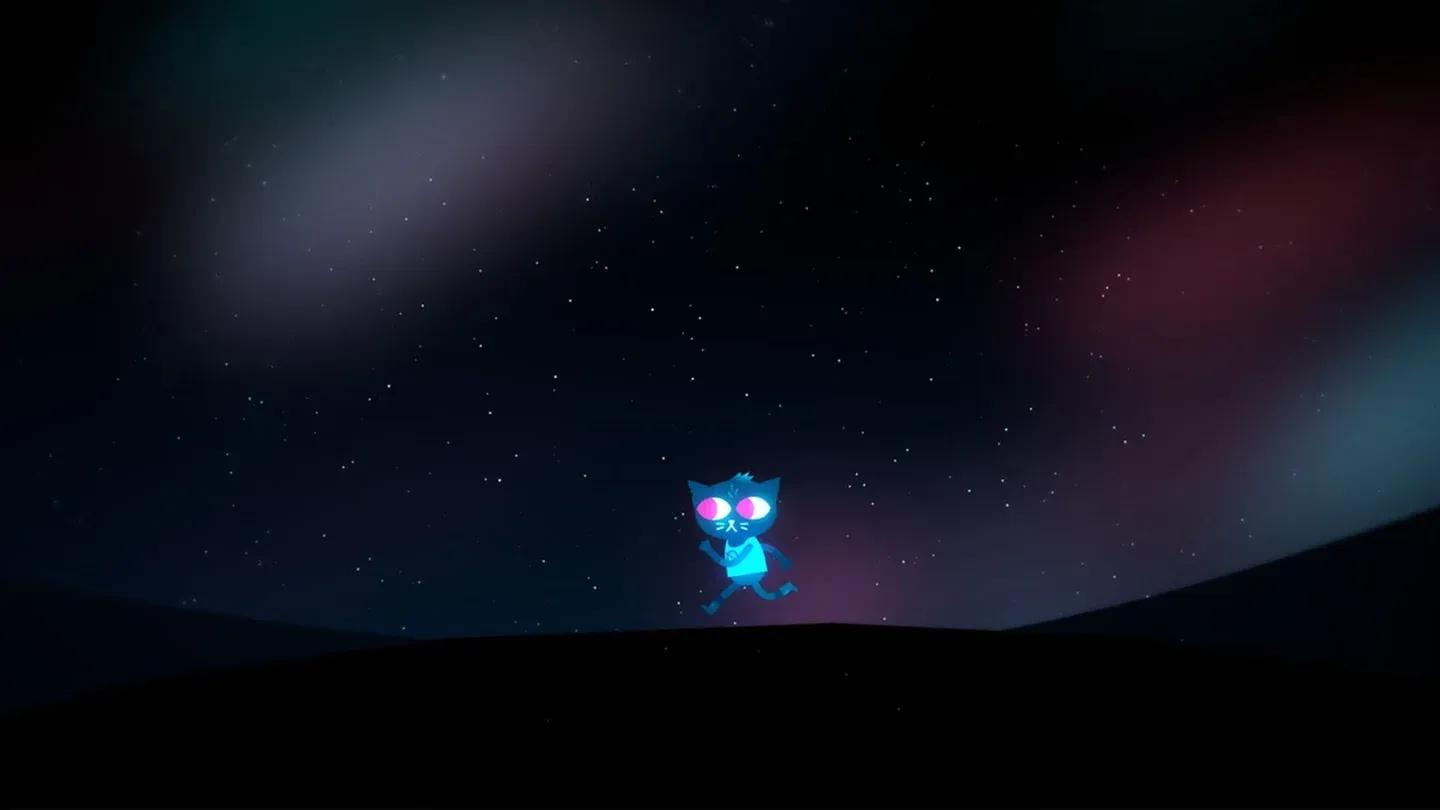
Possum Springs itself is the real main character. Every shop, rooftop, and alley has been built with enough detail that the town feels genuinely inhabited rather than assembled as a backdrop. Mae can run along power lines, leap between rooftops, and explore back alleys, but the platforming serves the world rather than demanding precision. Getting around town is how you find conversations, not how you demonstrate skill.
Night in the Woods content image
Gameplay and mechanics
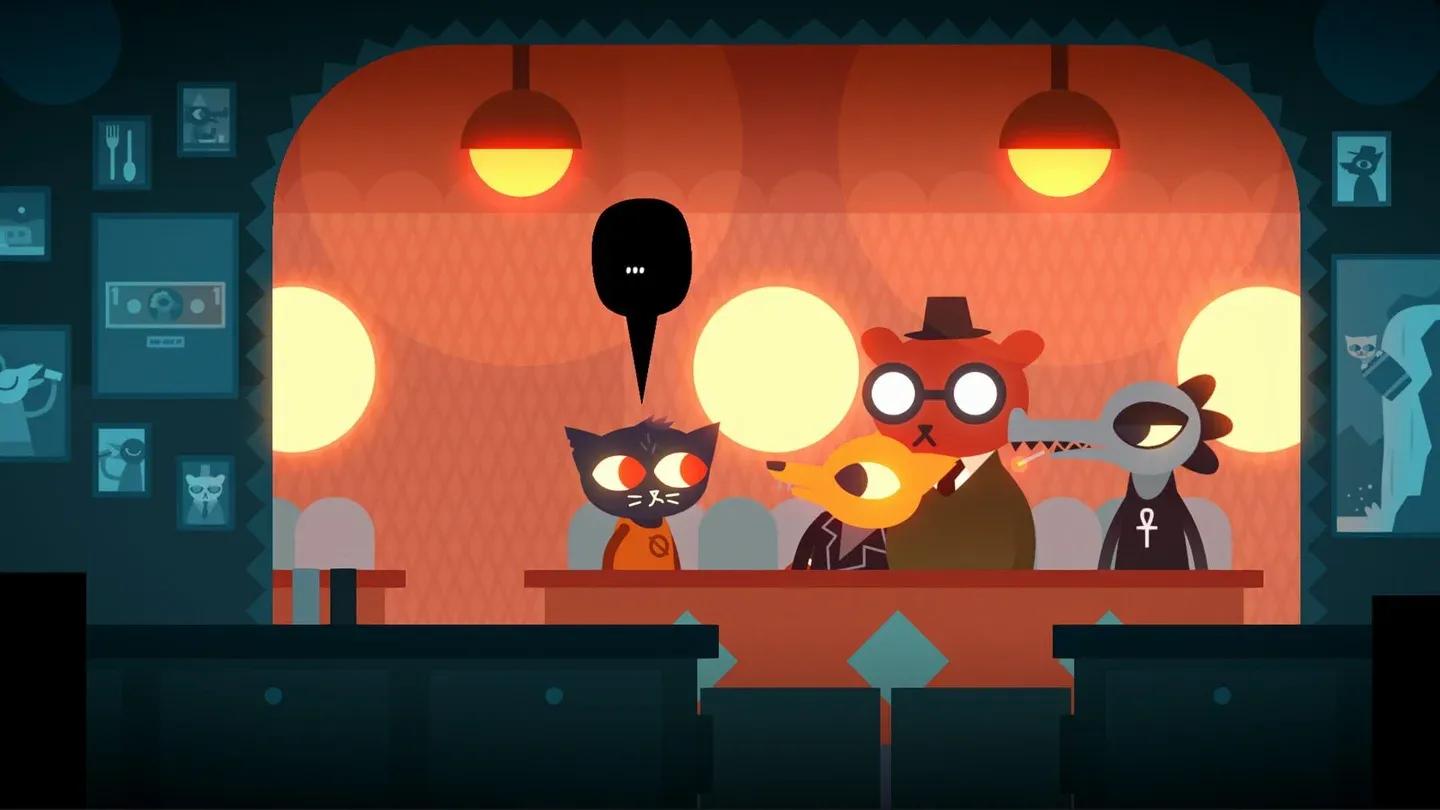
The core loop in Night in the Woods is simple: each in-game day, Mae wakes up, heads out, and interacts with whoever she finds. Those interactions drive everything. Conversations branch, relationships deepen, and the town reveals itself gradually through repetition and small changes.
Night in the Woods content image
Key activities across the game include:
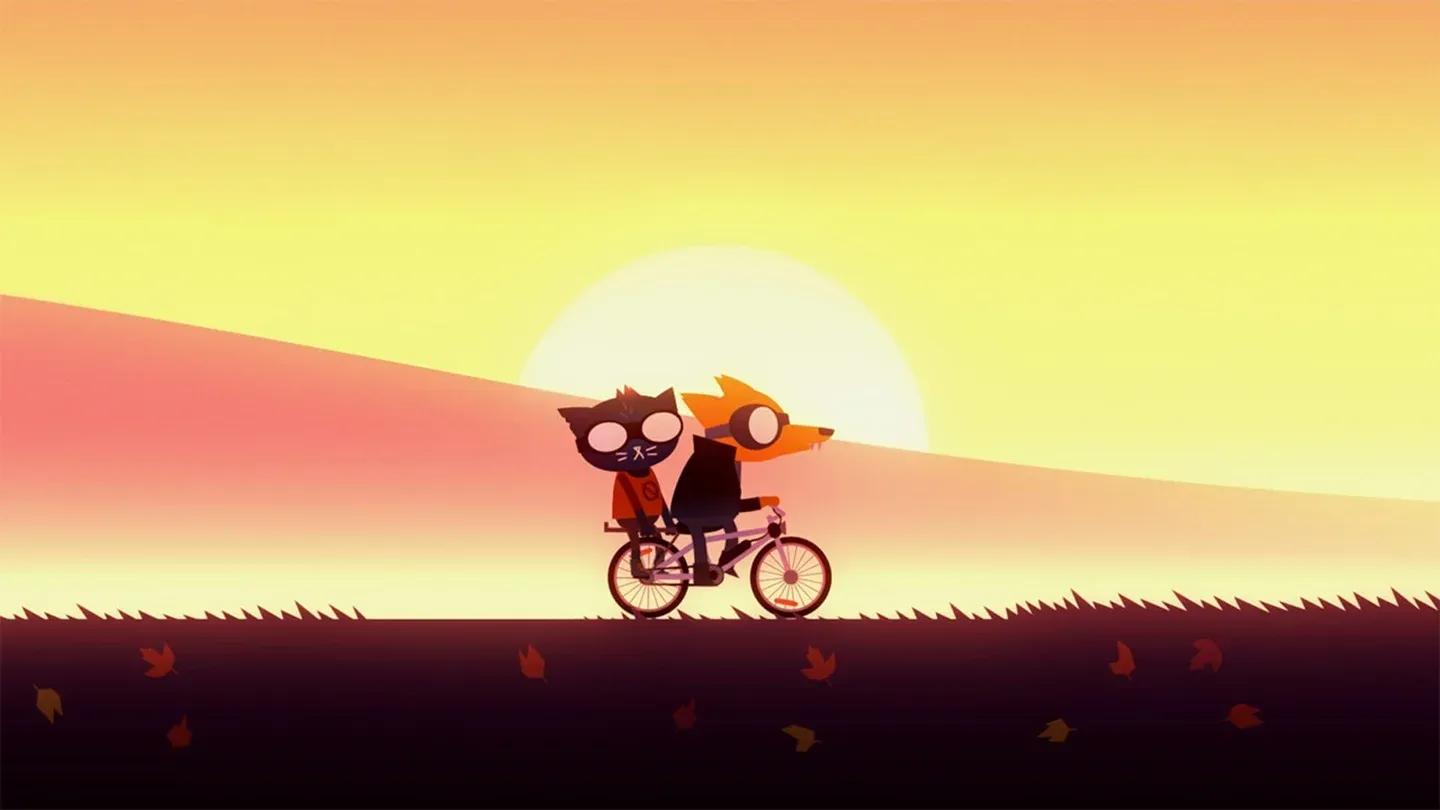
- Hanging out with friends Gregg, Angus, and Bea
- Playing bass guitar in a rhythm minigame
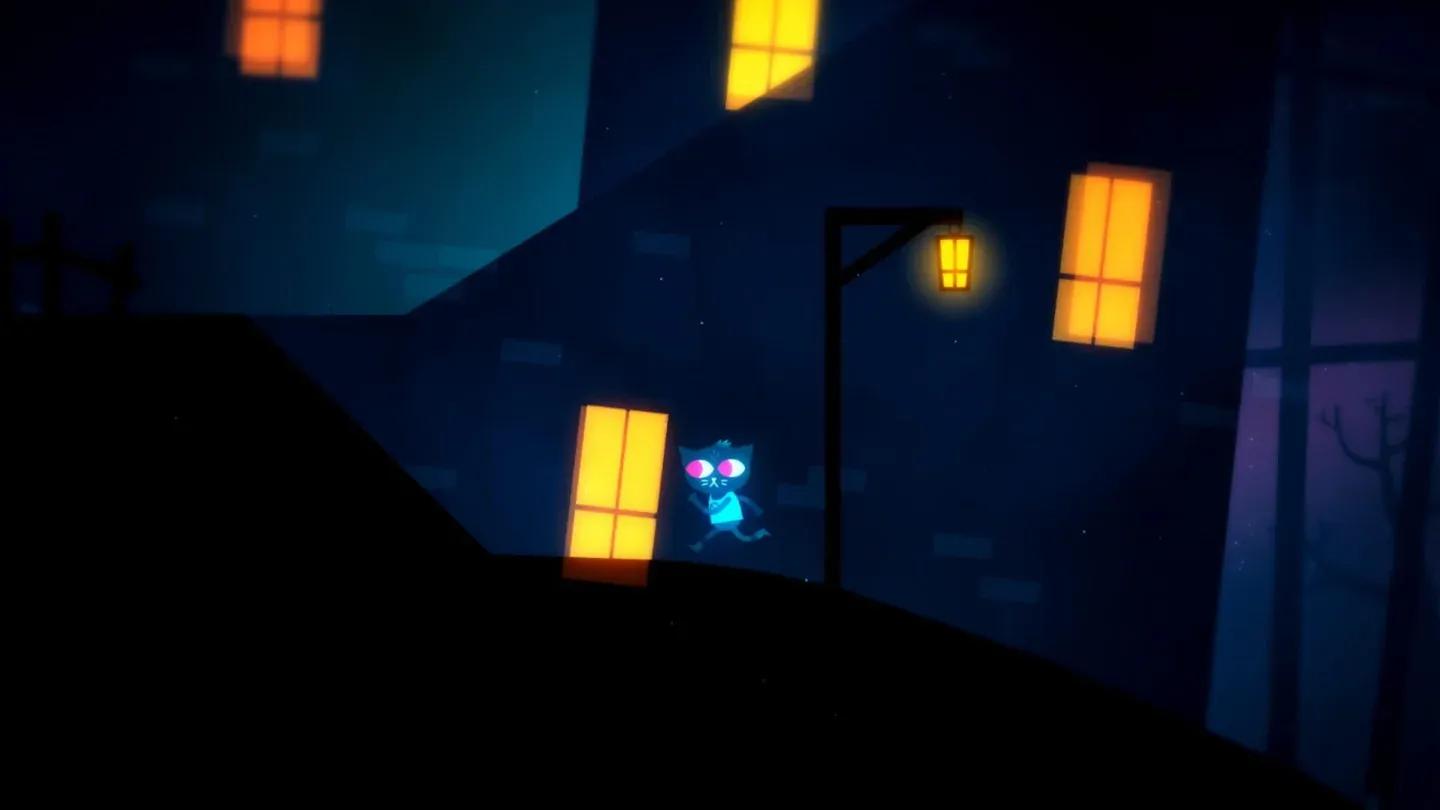
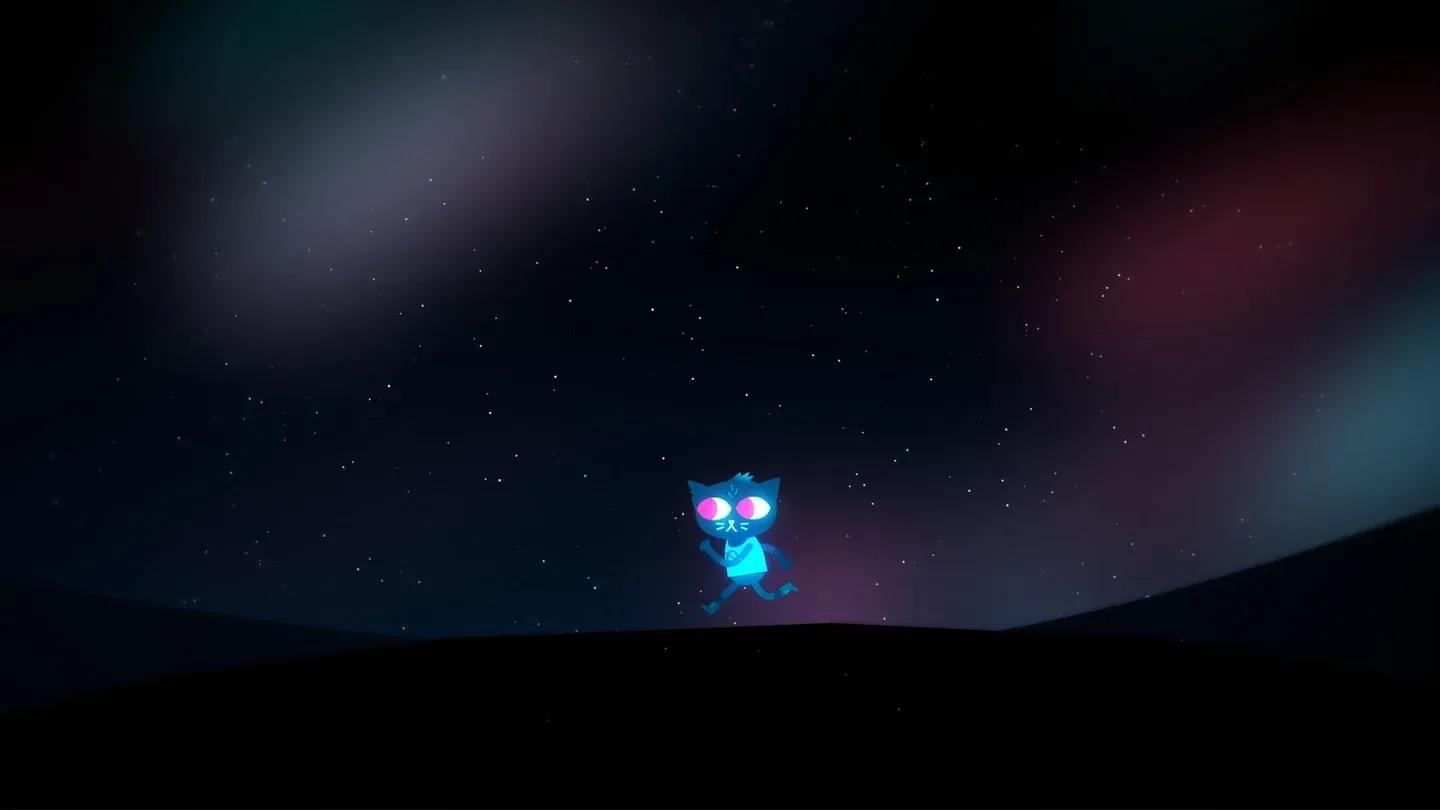
- Exploring the woods outside town at night
- Talking to townspeople to uncover the mystery
- Collecting hidden constellations across the map
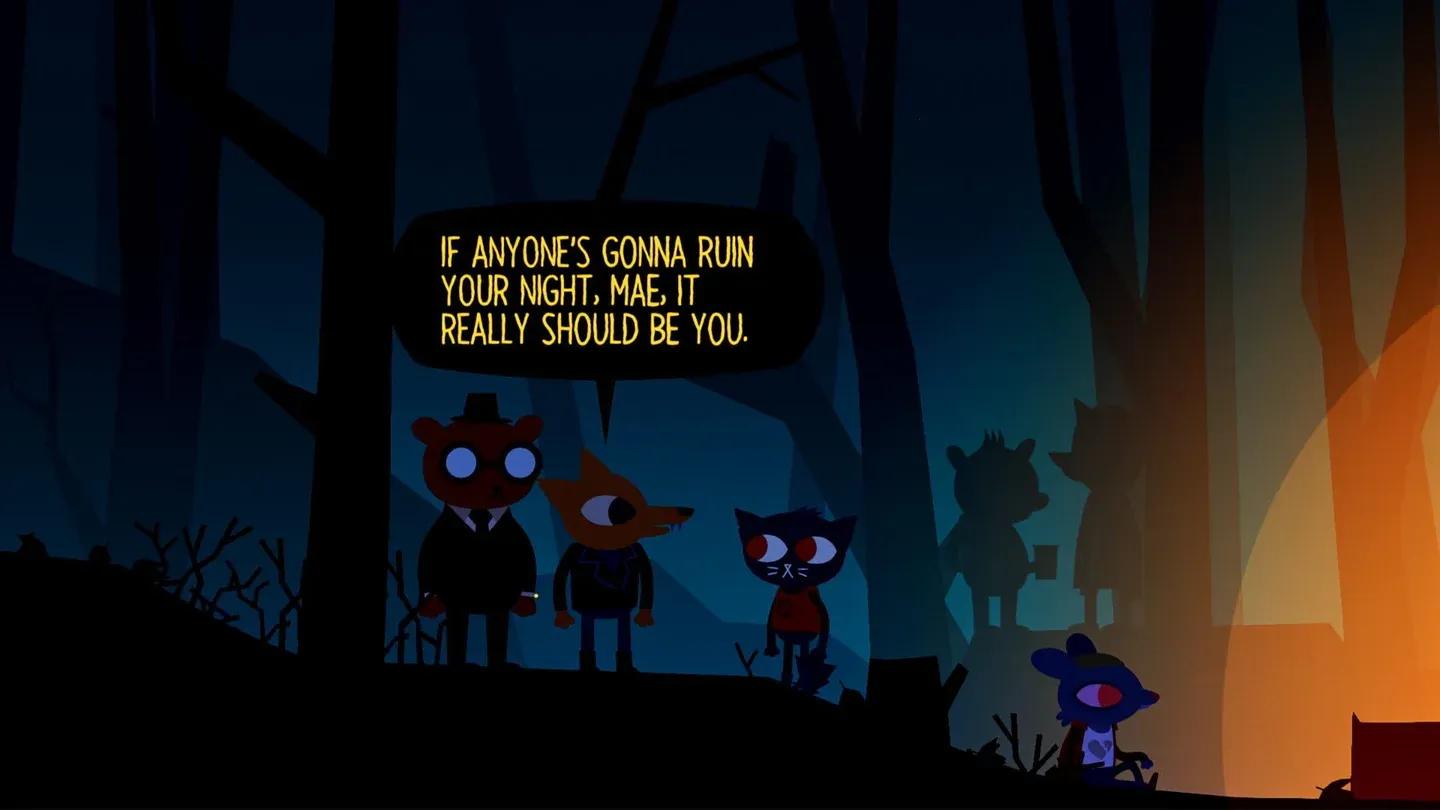
The mystery thread tightens as the game progresses, pulling Mae and her friends into something genuinely unsettling. Night in the Woods earns its horror beats because the characters feel real enough that the stakes actually land.
Night in the Woods content image
World and setting
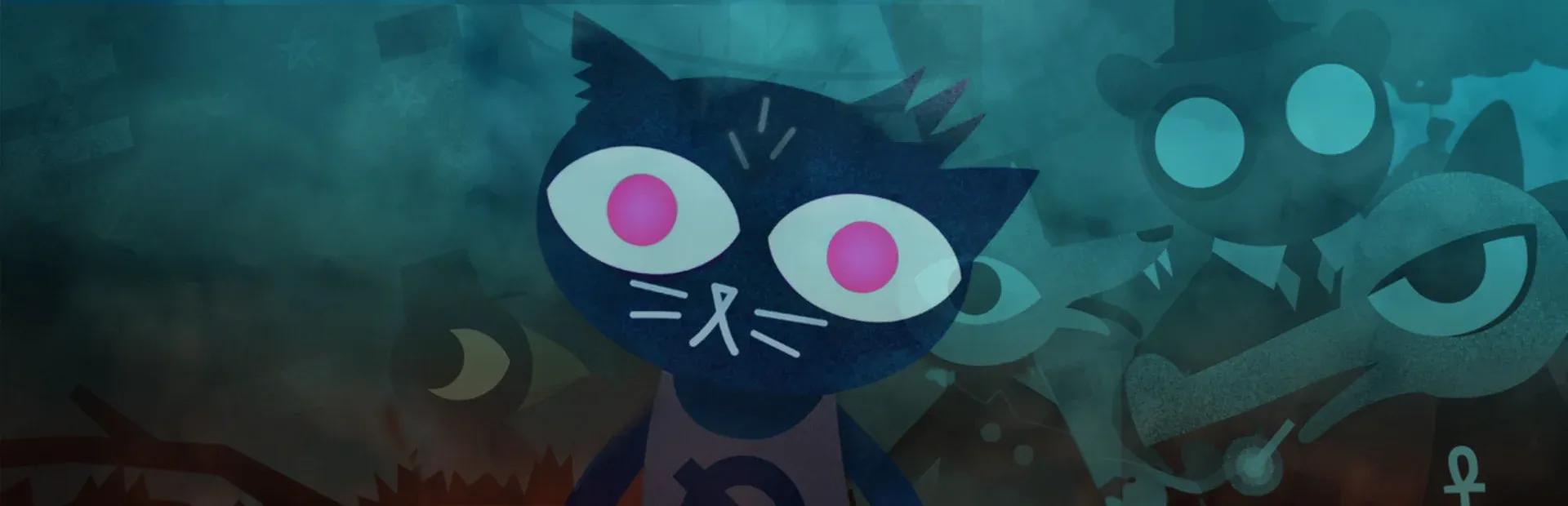
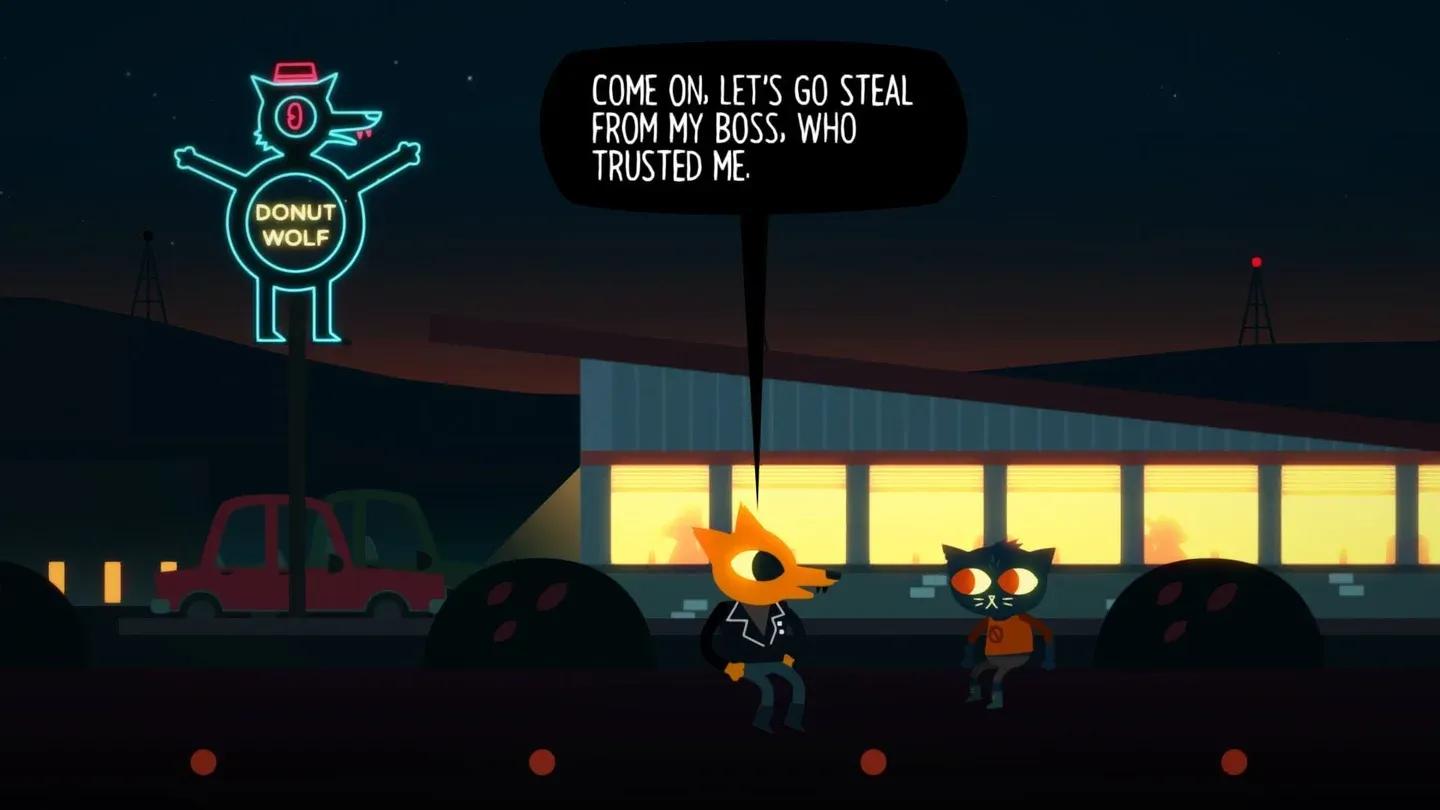
Possum Springs is drawn in a flat, expressive art style that makes every frame look like an animated short. Scott Benson's visual design gives the town a specific personality: warm but faded, familiar but slightly off. The color palette shifts with the season and the mood, and the backgrounds carry enough incidental detail that exploring feels rewarding even when nothing plot-relevant is happening.
Night in the Woods content image
The writing is where Night in the Woods separates itself from most games in the genre. Mae's internal monologue, her text conversations with friends, and the dialogue with Possum Springs' residents all carry a consistent voice that feels lived-in rather than authored. Topics like economic decline, mental illness, faith, and aimlessness come up naturally in conversation without being flagged as Important Themes.
Is Night in the Woods worth playing for non-platformer fans?
Yes, without hesitation. The platforming in Night in the Woods is light enough that it never becomes a barrier. Movement exists to give the player a reason to explore, not to challenge reflexes. Anyone who enjoyed games like Oxenfree, Firewatch, or Disco Elysium will find Night in the Woods operating in similar emotional territory, even if the mechanics look different on the surface.
Impact and legacy
Released in February 2017, Night in the Woods arrived at a moment when story-driven indie games were finding a broader audience, and it quickly became a reference point for the genre. The PlayStation Store rating sits at 4.64 out of 5 from over 7,200 ratings, which reflects how strongly the game connects with players who come in expecting a quiet adventure and leave having processed something more significant. The game runs on PC, Mac, PlayStation 4 and 5, Xbox, Nintendo Switch, iOS, and is available on Steam and the Epic Games Store, making it one of the more accessible titles in the indie adventure space. For a game so rooted in a specific kind of grief, it has found an unusually wide audience.