


Overview
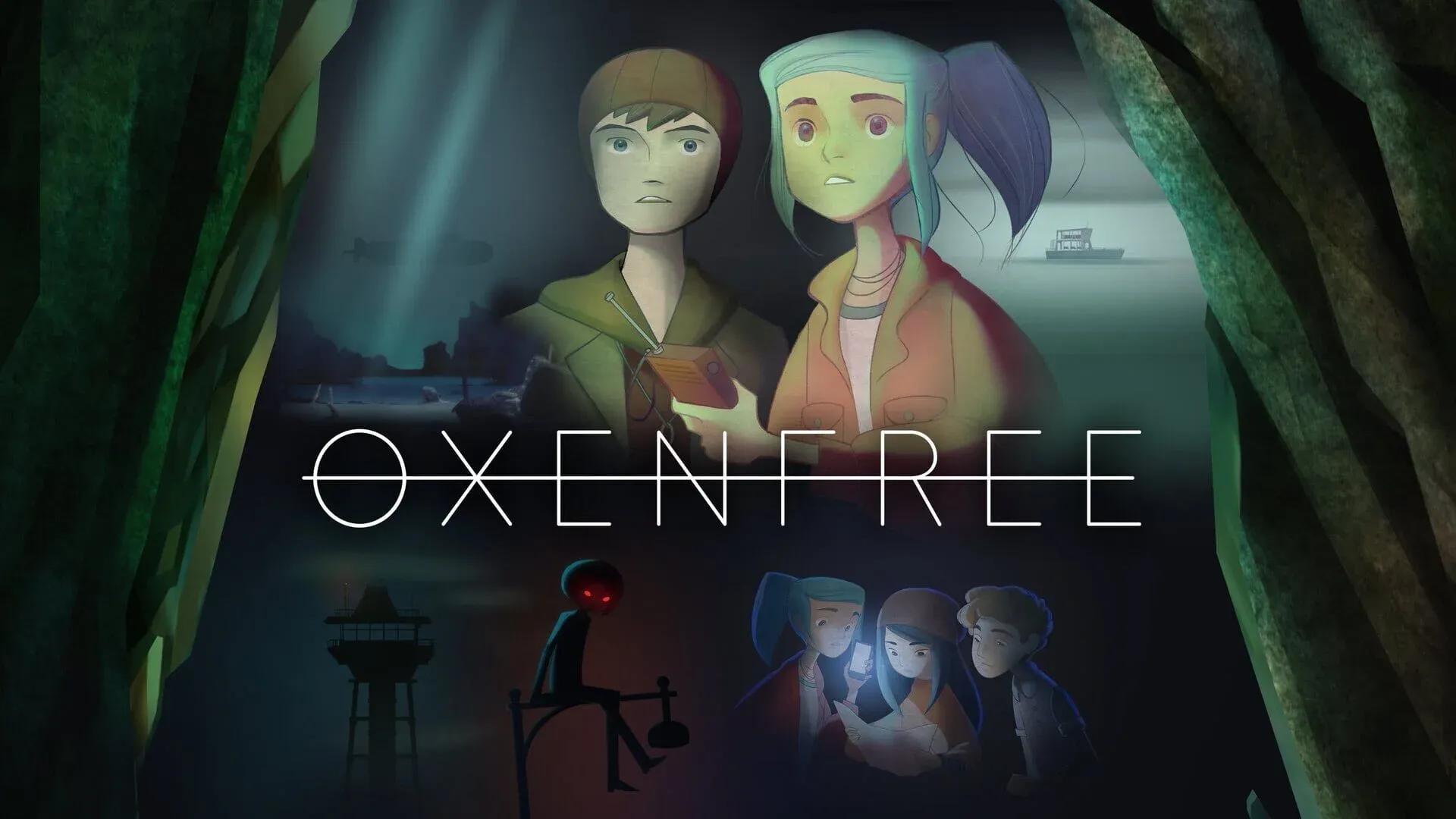
Oxenfree is a supernatural adventure game developed and published by Night School Studio, released on January 14, 2016. Set on Edwards Island, a decommissioned military outpost cut off from the outside world, the game follows Alex as she brings her stepbrother Jonas to a senior year overnight party. What starts as a rite-of-passage tradition unravels fast when the group accidentally tears open a ghostly rift using an old radio.
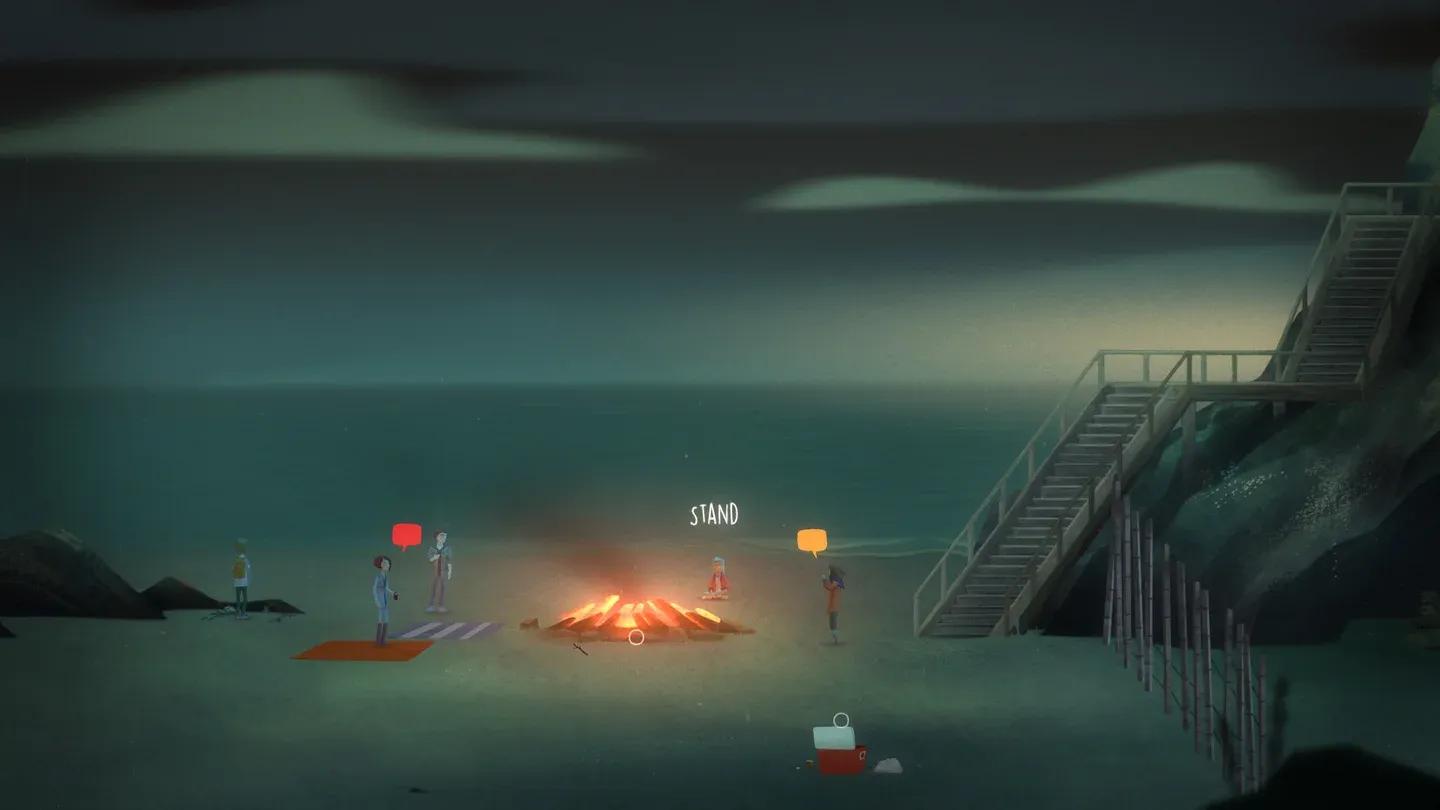
Drawing clear inspiration from 1980s cult films like Stand by Me and Poltergeist, Oxenfree plants itself firmly in that tradition of teenagers-in-over-their-heads horror. The tone never tips into cheap jump scares. Instead, Night School builds dread through atmosphere, fractured dialogue, and the creeping sense that the island itself is watching.
Oxenfree content image
Gameplay and mechanics
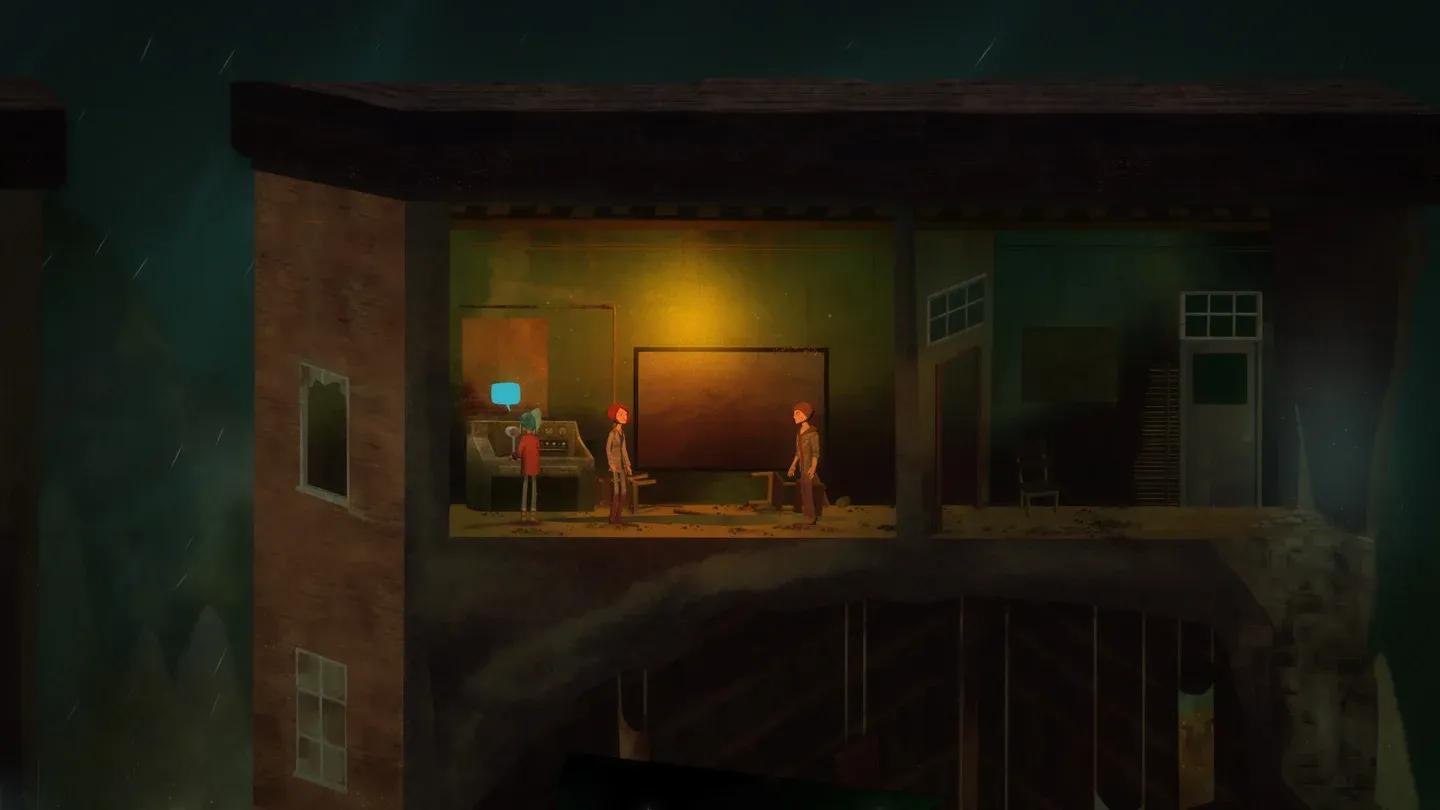
Oxenfree's core mechanics set it apart from standard point-and-click adventures:
Oxenfree content image
- Dialogue happens in real time, never pausing the world
- A handheld radio tunes into supernatural frequencies
- Player choices shape relationships and alter story outcomes
- Exploration is side-scrolling across a connected island map
- Multiple endings reward replays with different choices
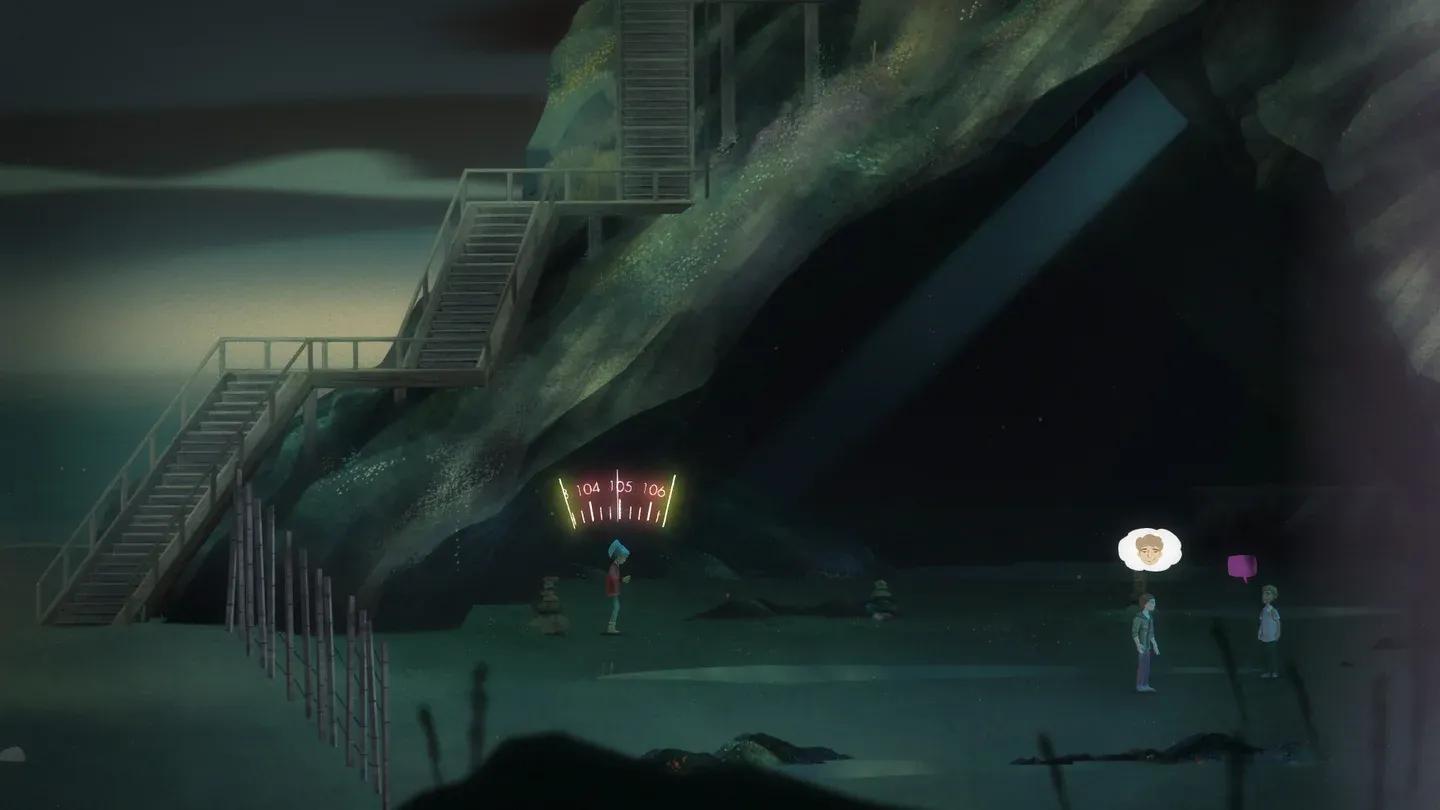
The radio mechanic is the game's sharpest idea. Tuning to specific frequencies on different parts of the island triggers paranormal events, unlocks story fragments, and occasionally does something you immediately wish it hadn't. It turns a simple prop into the center of everything.
Oxenfree content image
World and setting
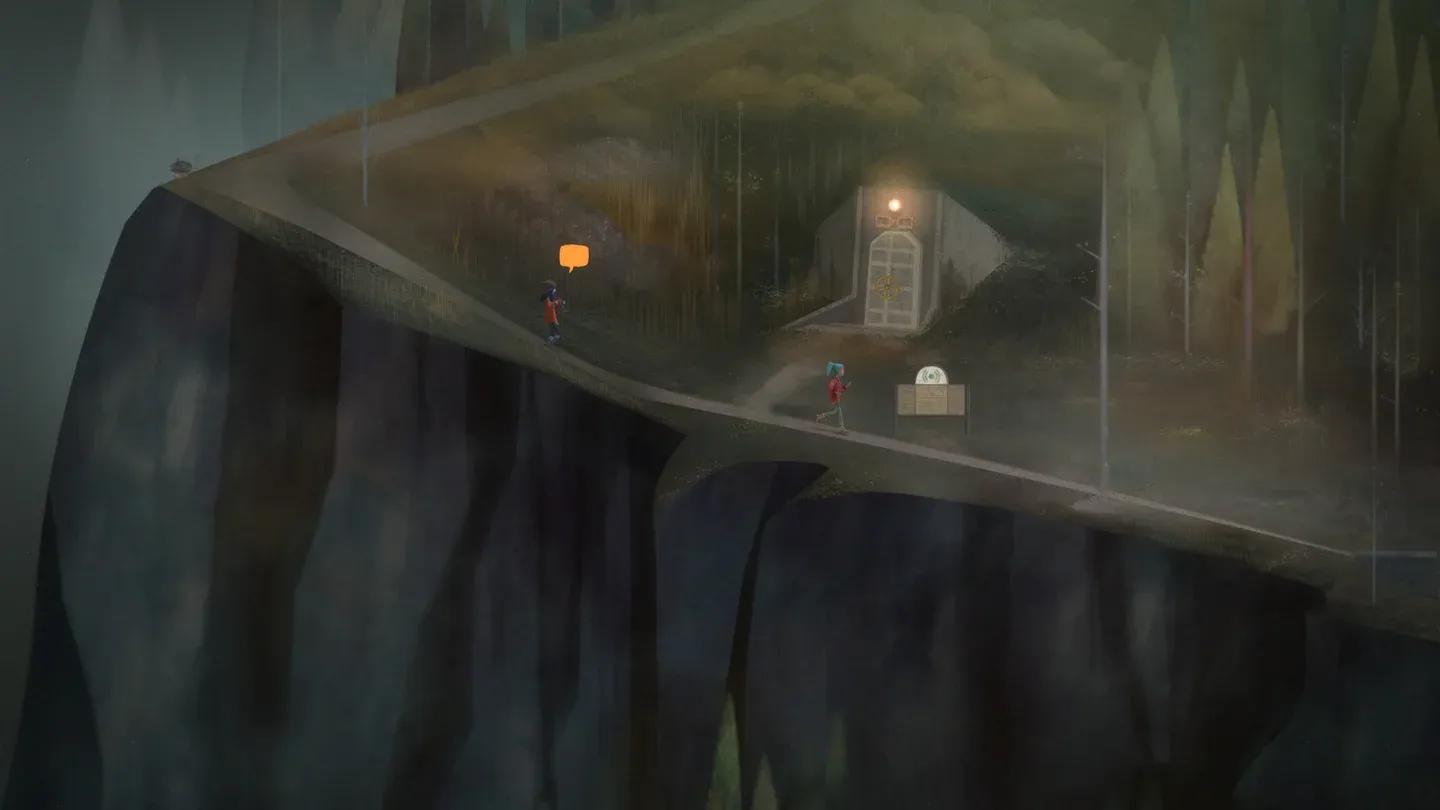
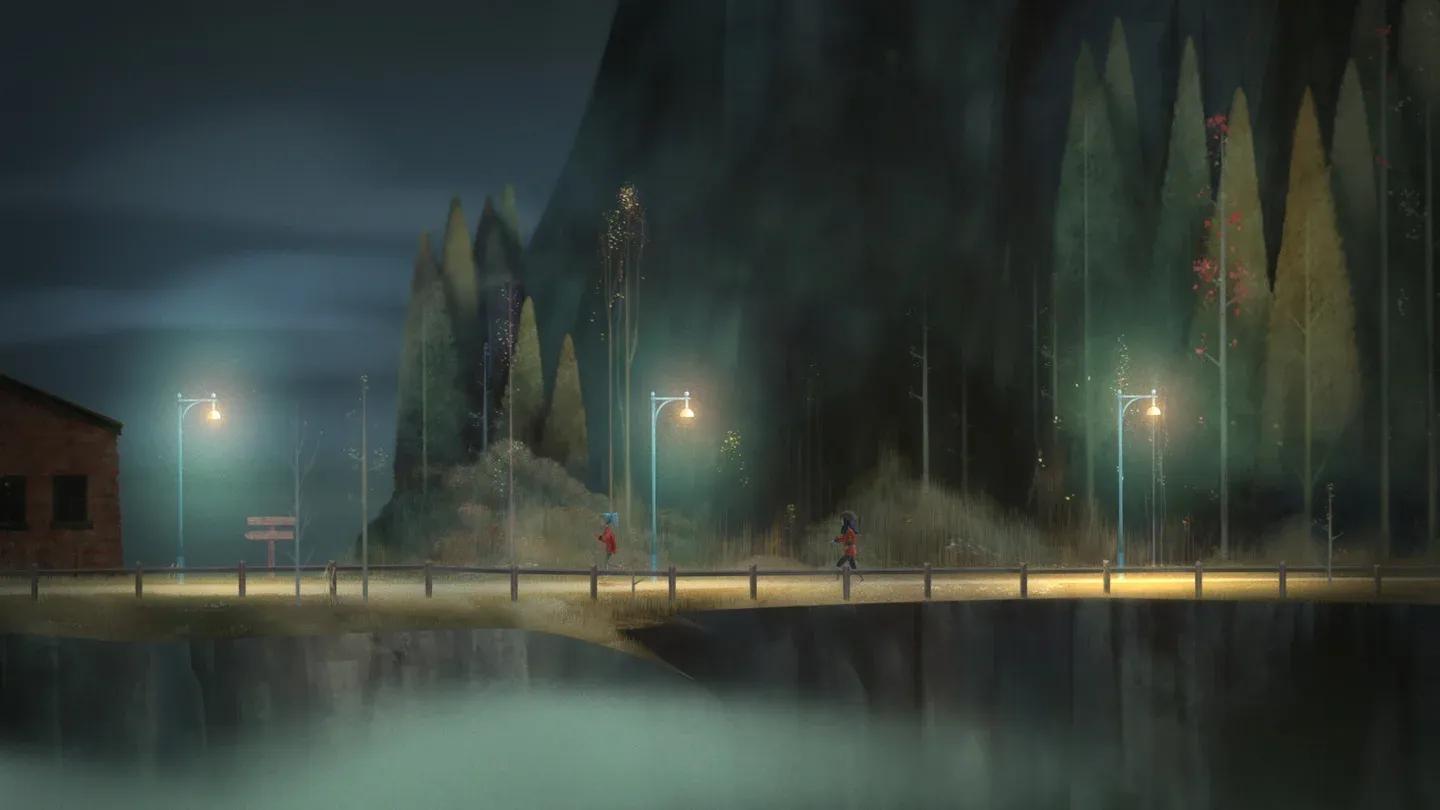
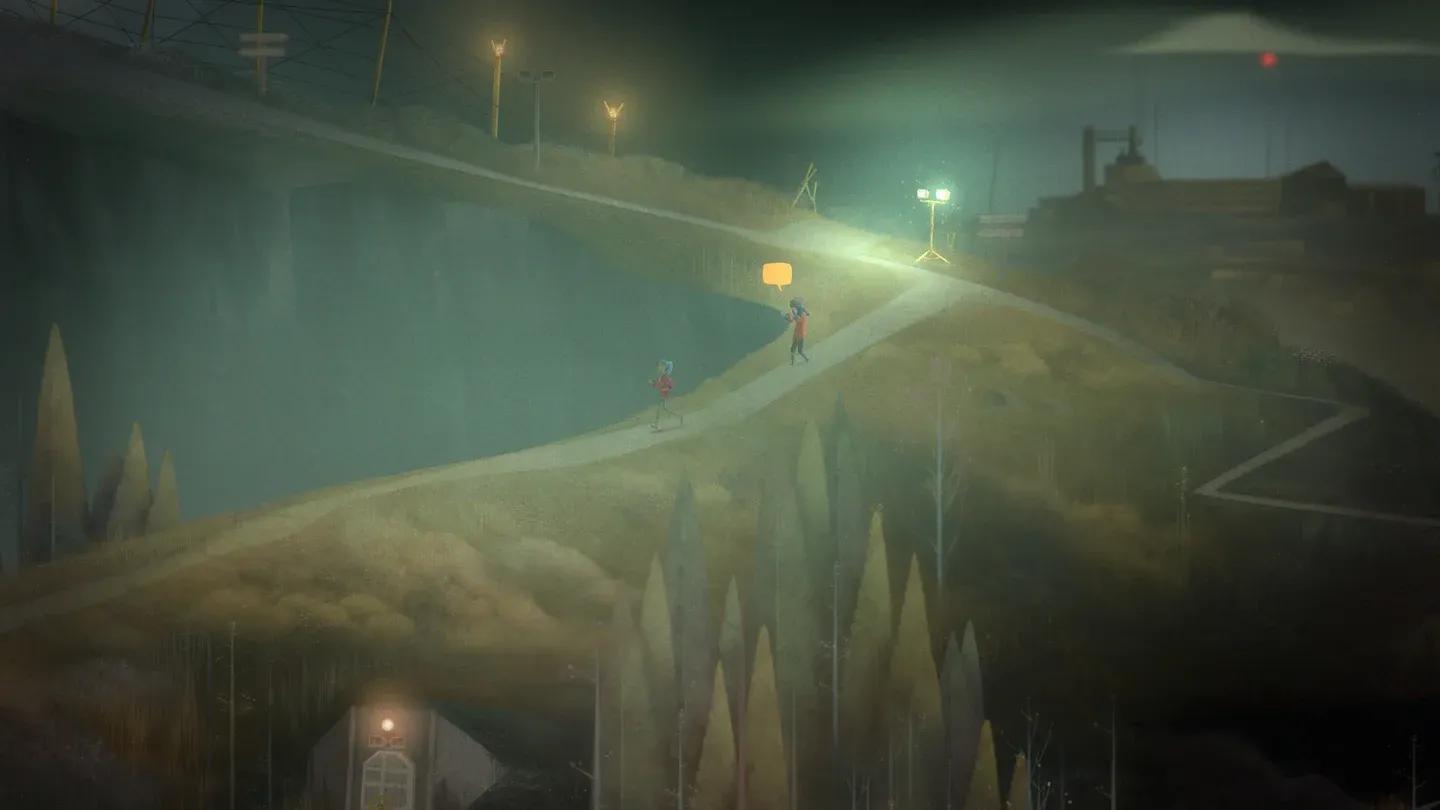
Edwards Island carries weight. The abandoned military infrastructure, the coastal cliffs, the dead radio towers, all of it feeds a setting that feels genuinely isolated. Night School layers the island's wartime history into the supernatural threat, so the ghost story has actual roots rather than floating free of context.
Oxenfree content image
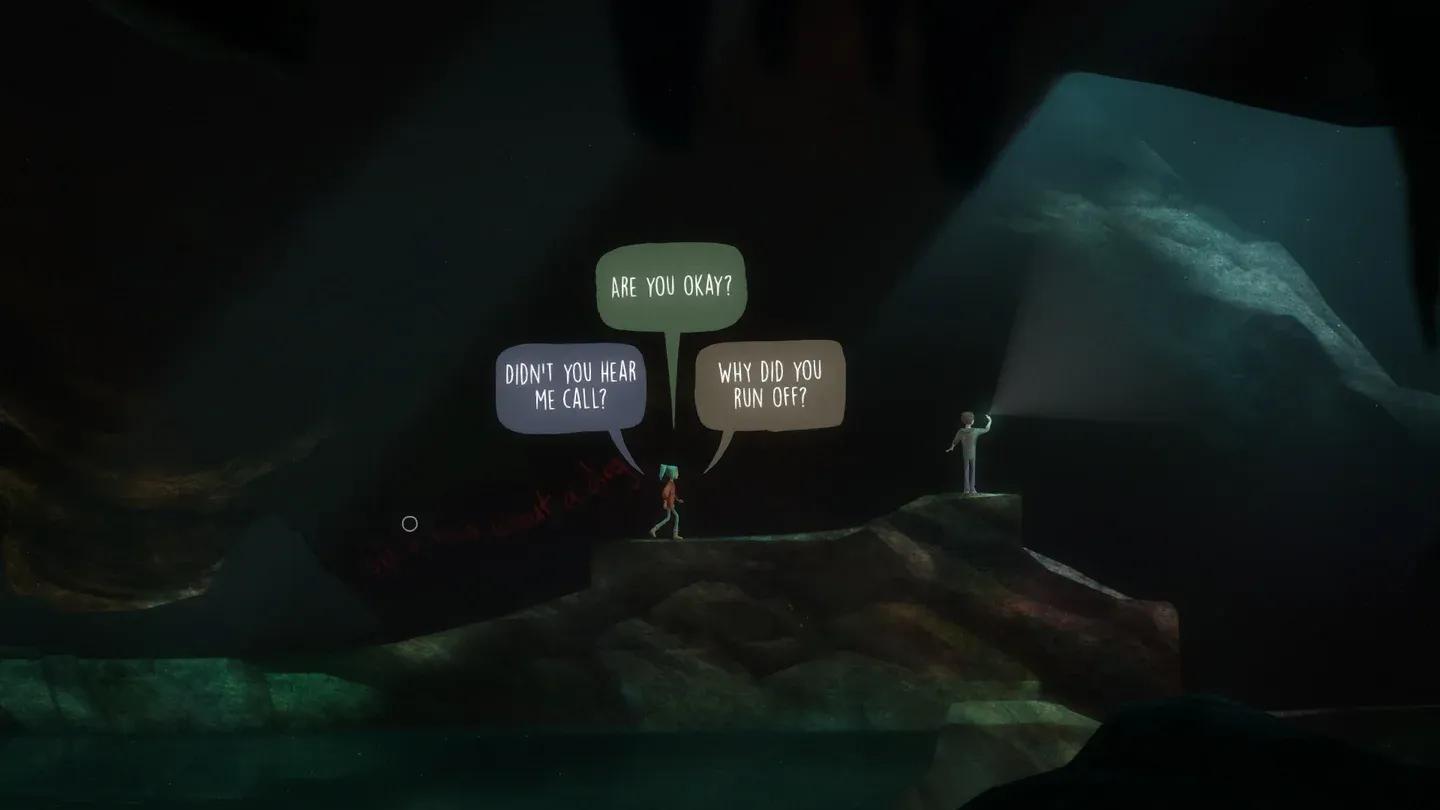
The side-scrolling presentation keeps characters small against sprawling backgrounds, which emphasizes how exposed and alone the group really is. Conversations play out while characters walk, which makes the dialogue feel naturalistic rather than theatrical. You're never standing still waiting for a cutscene.
Visual and audio design
The art style lands somewhere between painterly illustration and flat graphic design, with silhouetted characters moving against richly layered environments. Night shifts on the island use color with real purpose, shifting from warm bonfire oranges to cold, spectral blues as things deteriorate.
The soundtrack by scntfc is a significant part of why Oxenfree stays with players. Synth-heavy and quietly unsettling, it matches the game's teenage-horror register without overdoing it. The voice acting holds up across the cast, which matters a lot when dialogue is this constant.
Impact and replayability
Oxenfree holds a 4.57 out of 5 rating from nearly 4,900 PlayStation Store ratings, and its reputation has only grown since launch. Polygon named it one of the best games of the decade, a distinction that reflects how well the game's specific combination of supernatural adventure and character-driven storytelling has aged.
Multiple endings give the game genuine replay value, and the choices that shape those endings are rarely obvious in the moment. A New Game Plus mode adds an additional layer of mystery for players who want to understand exactly what happened on Edwards Island the first time through. For fans of narrative adventure games and dialogue-driven RPGs, Oxenfree remains one of the most confidently made examples of the genre.
| Requirement | Minimum | Recommended |
|---|---|---|
| Processor | Intel i3 2.0 GHz | Intel i5 2.5 GHz |
| Memory | 2 GB RAM | 4 GB RAM |
| Graphics | 1GB Shader Model 3.0 Compatible (DirectX 9.0c) | NVIDIA GeForce GTX 460 / Radeon HD 6750 (or higher) |
| DirectX | Version 9.0c | Version 11 |
| Network | - | Broadband Internet connection |
| Storage | 3 GB available space | 3 GB available space |