Overview
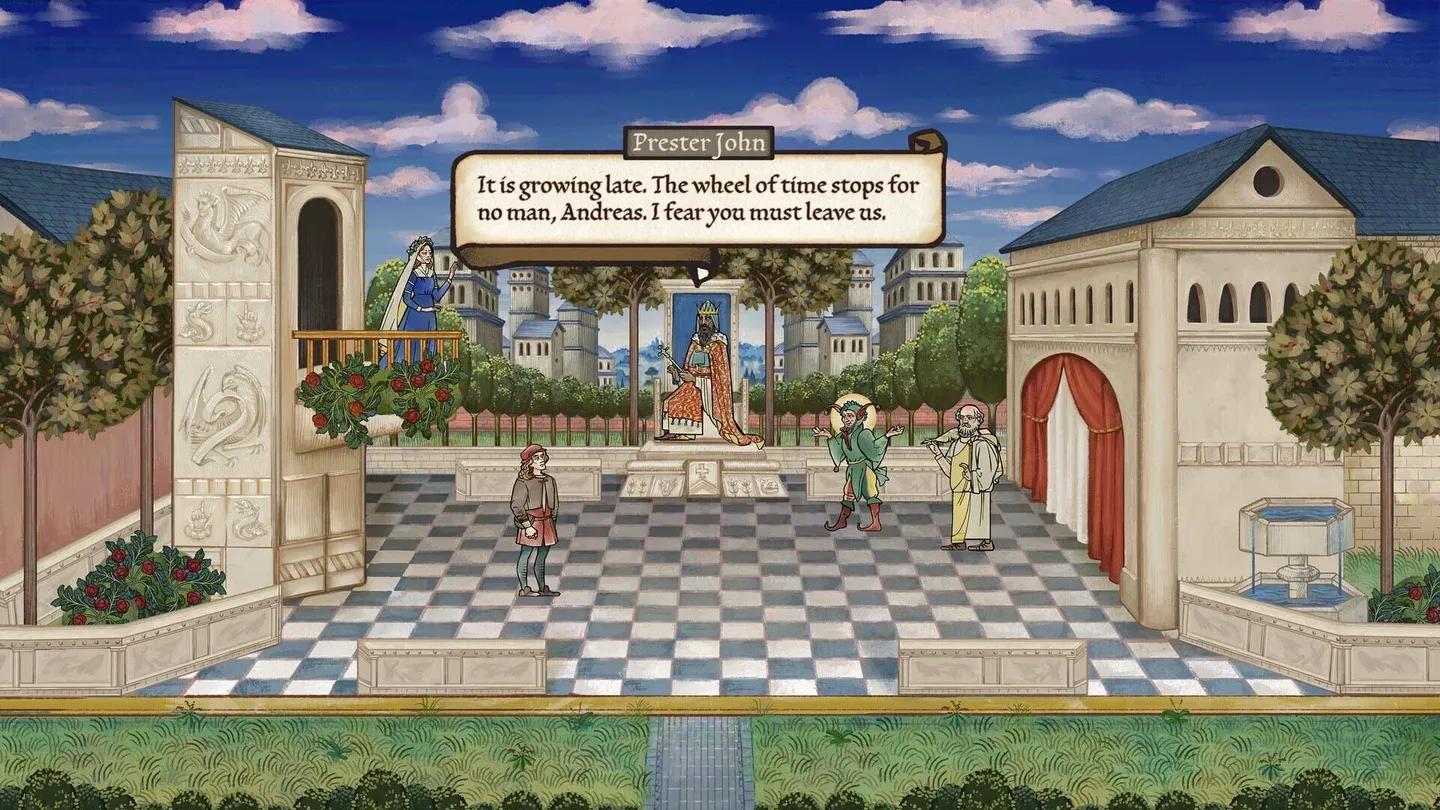
Pentiment is a narrative adventure RPG developed by Obsidian Entertainment and published by Xbox Game Studios, released in November 2022. Players take on the role of Andreas Maler, a journeyman artist working in the scriptorium of Kiersau Abbey during one of history's most turbulent centuries. When a series of murders begins tearing through the community, Andreas is pulled into an investigation that unfolds across 25 years of real story time, touching peasants, monks, nobles, and everyone in between.
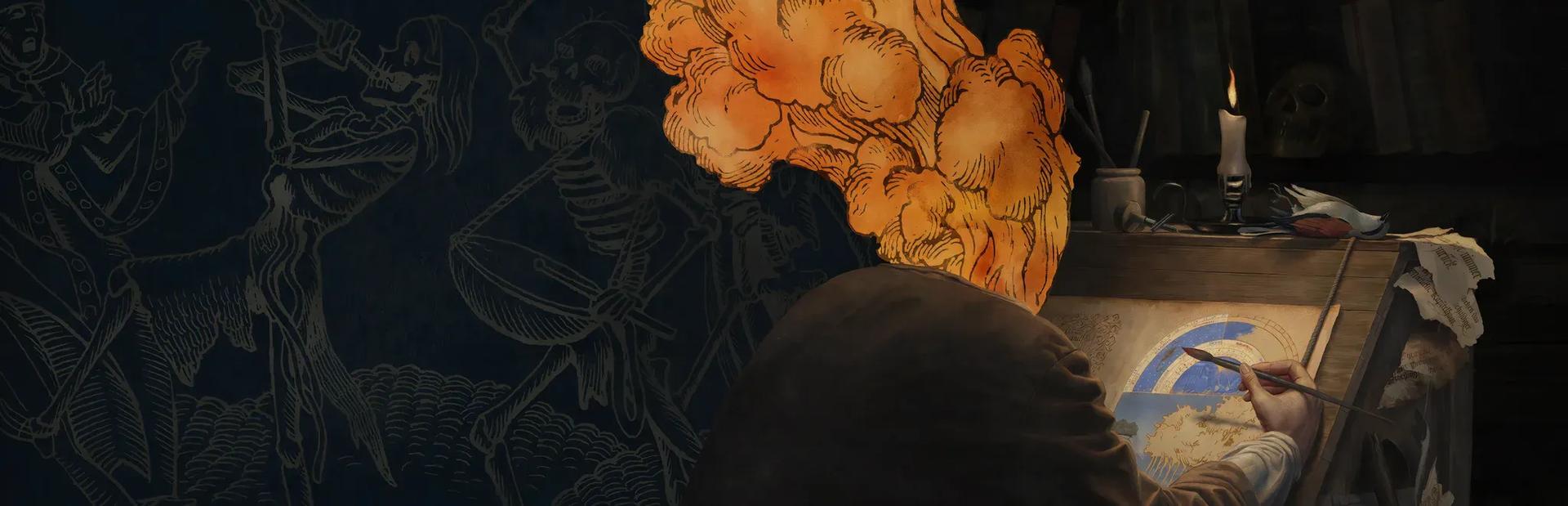
The game takes its name from a term in art restoration: a pentiment is a trace of an earlier composition that bleeds through a painting's surface over time. That concept runs through every layer of the design. Choices made in Act One resurface in Act Three with consequences that feel genuinely earned rather than mechanically telegraphed. This is not a game that resets between chapters.
Pentiment content image
World and setting: Bavaria on the edge of transformation
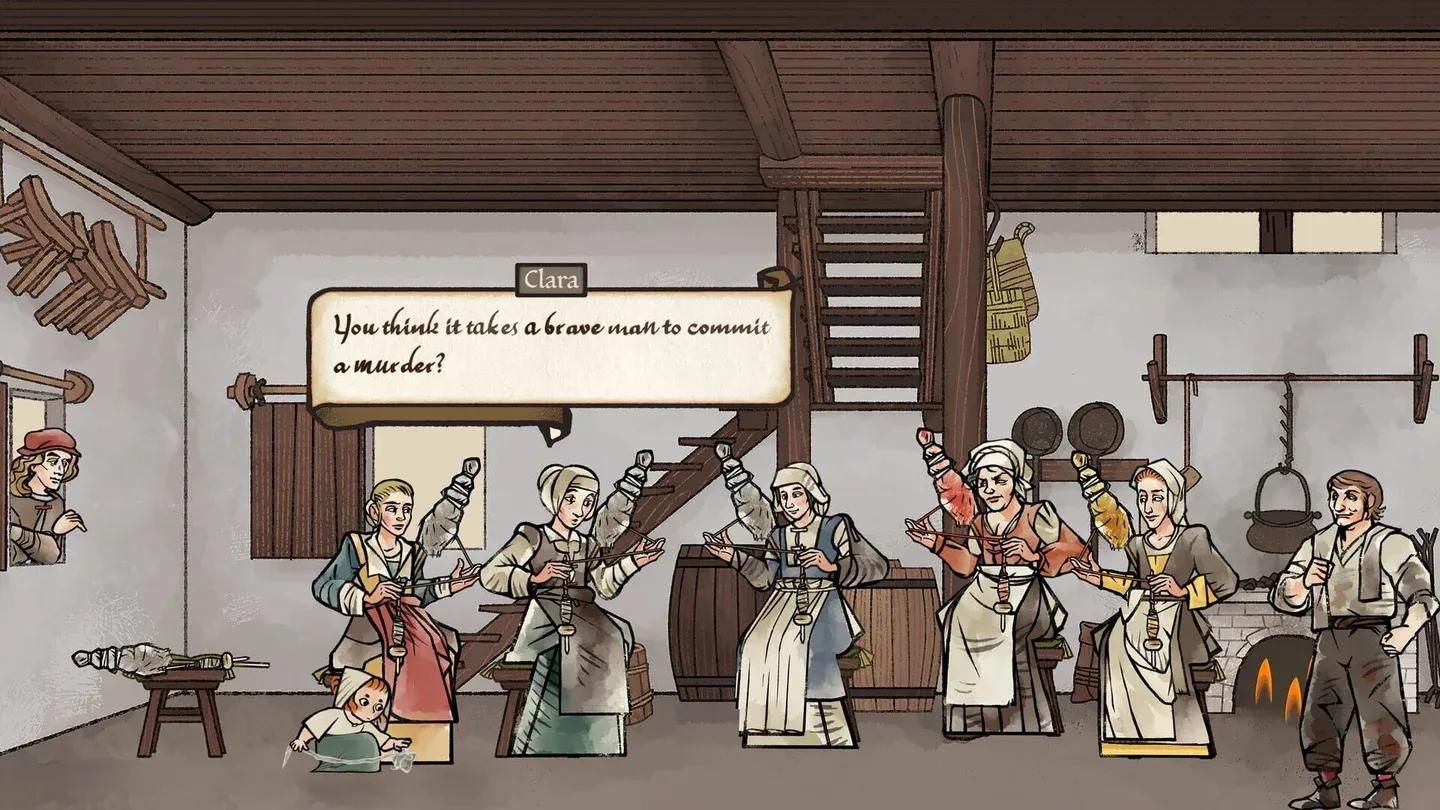
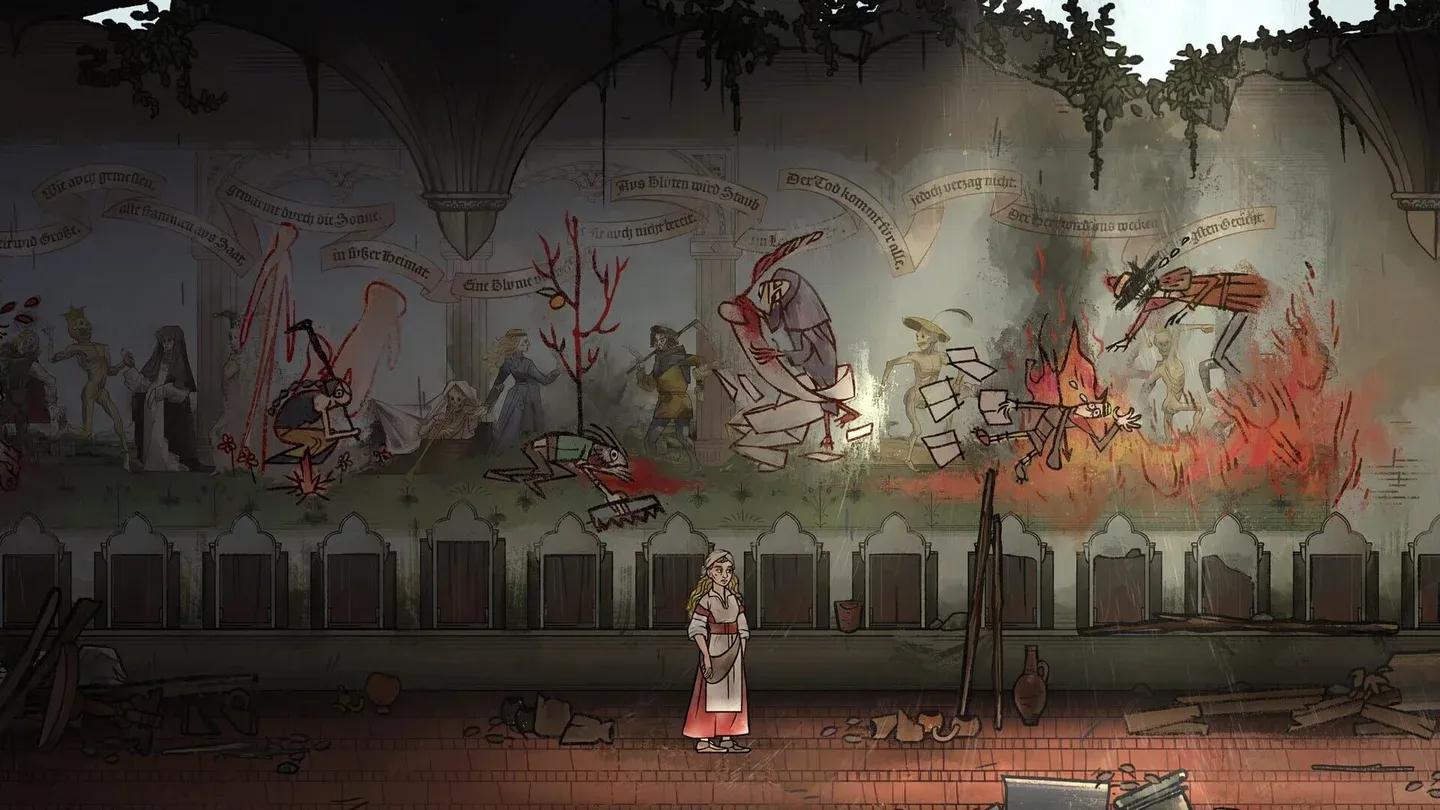
The 16th century is one of the most charged periods in Western history, and Pentiment plants itself right in the middle of it. Martin Luther's Reformation, the Peasants' War, the slow erosion of monastic power, the rise of the printing press over illuminated manuscripts: these are not background details but active forces shaping the lives of every character Andreas encounters. The town of Tassing and Kiersau Abbey feel like places with histories that predate the player's arrival and continue long after each act closes.
Pentiment content image
The writing commits to the period with unusual seriousness. Characters speak and think in ways that reflect their social station, their faith, and their education level. A monk and a peasant farmer do not sound like the same person with different hats on.
Visual and audio design: a living manuscript
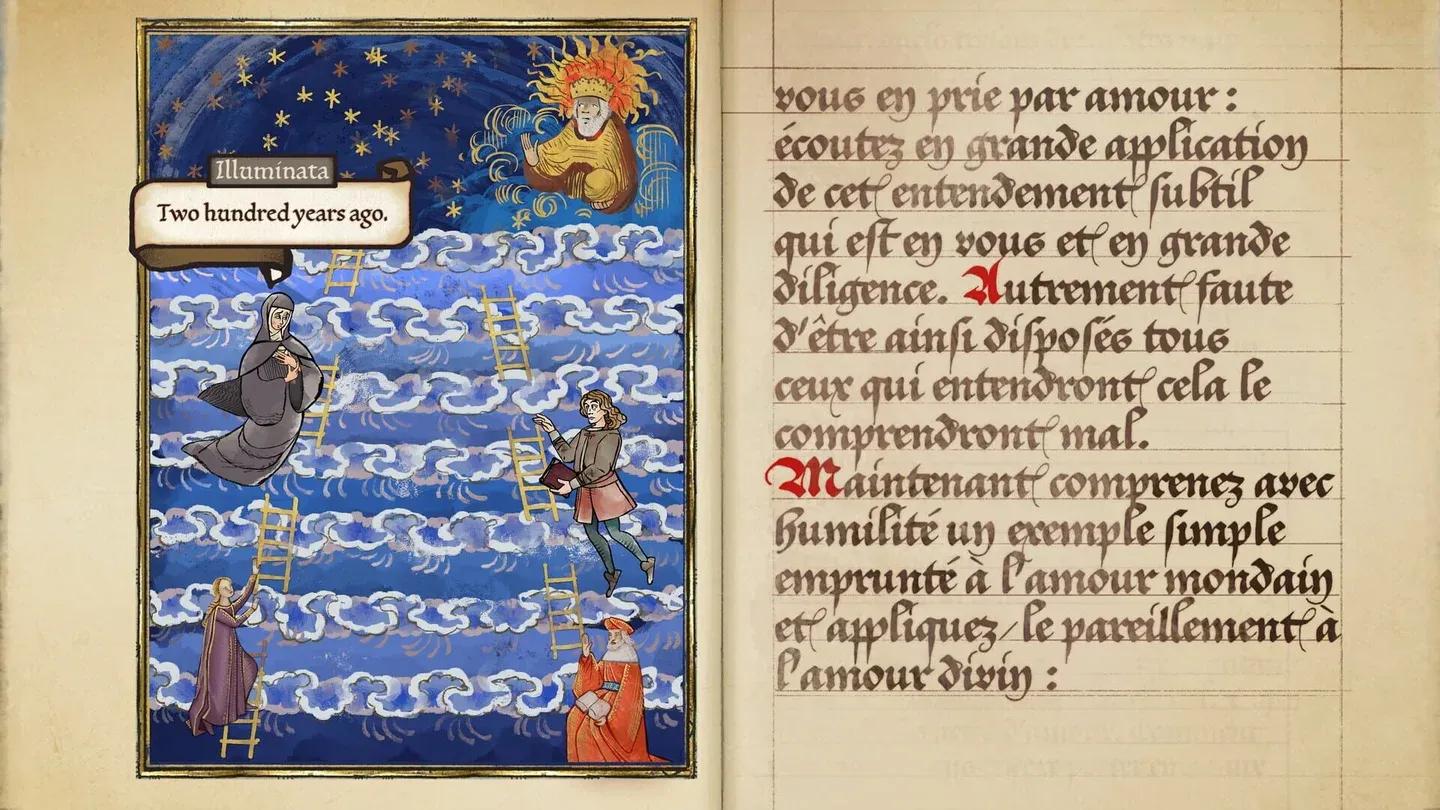
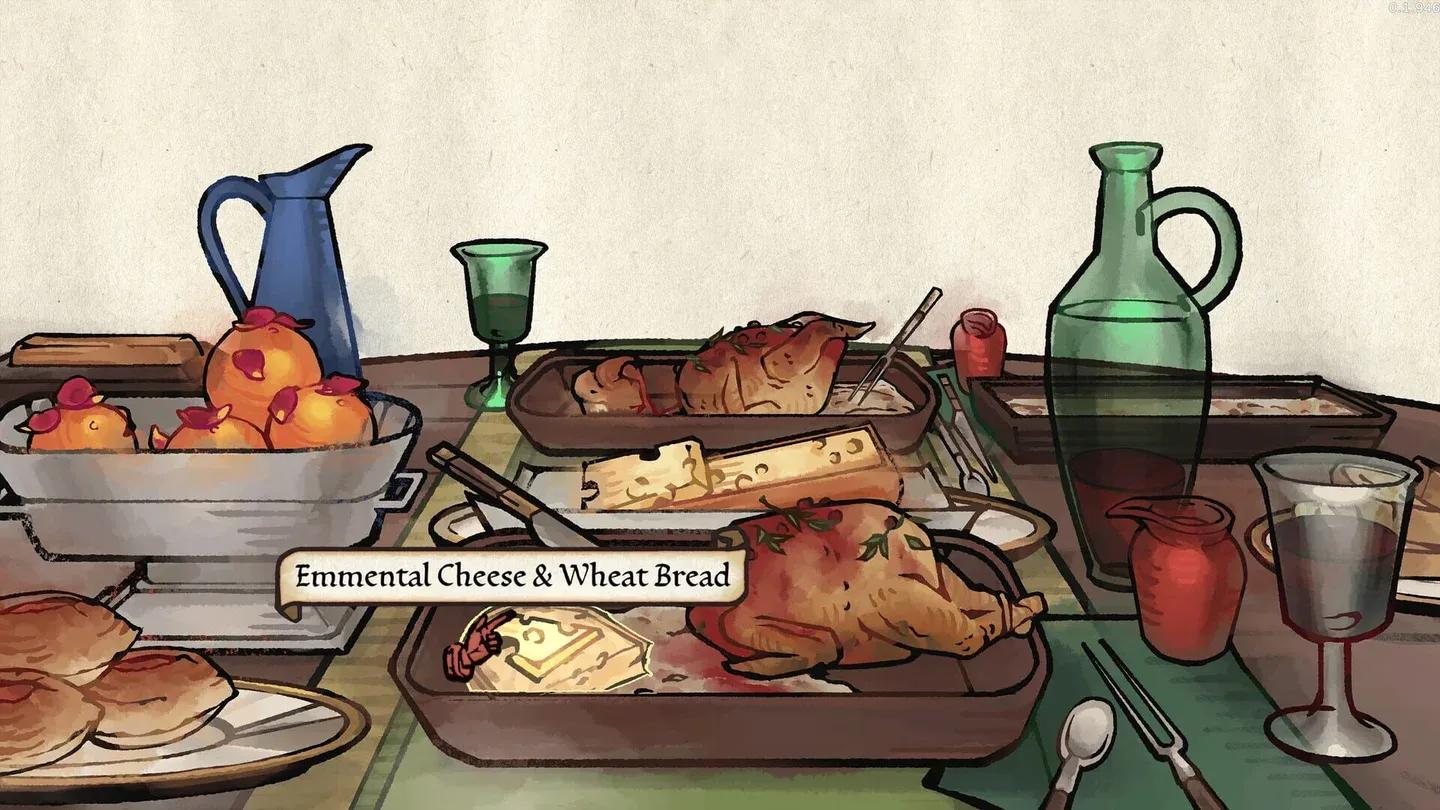
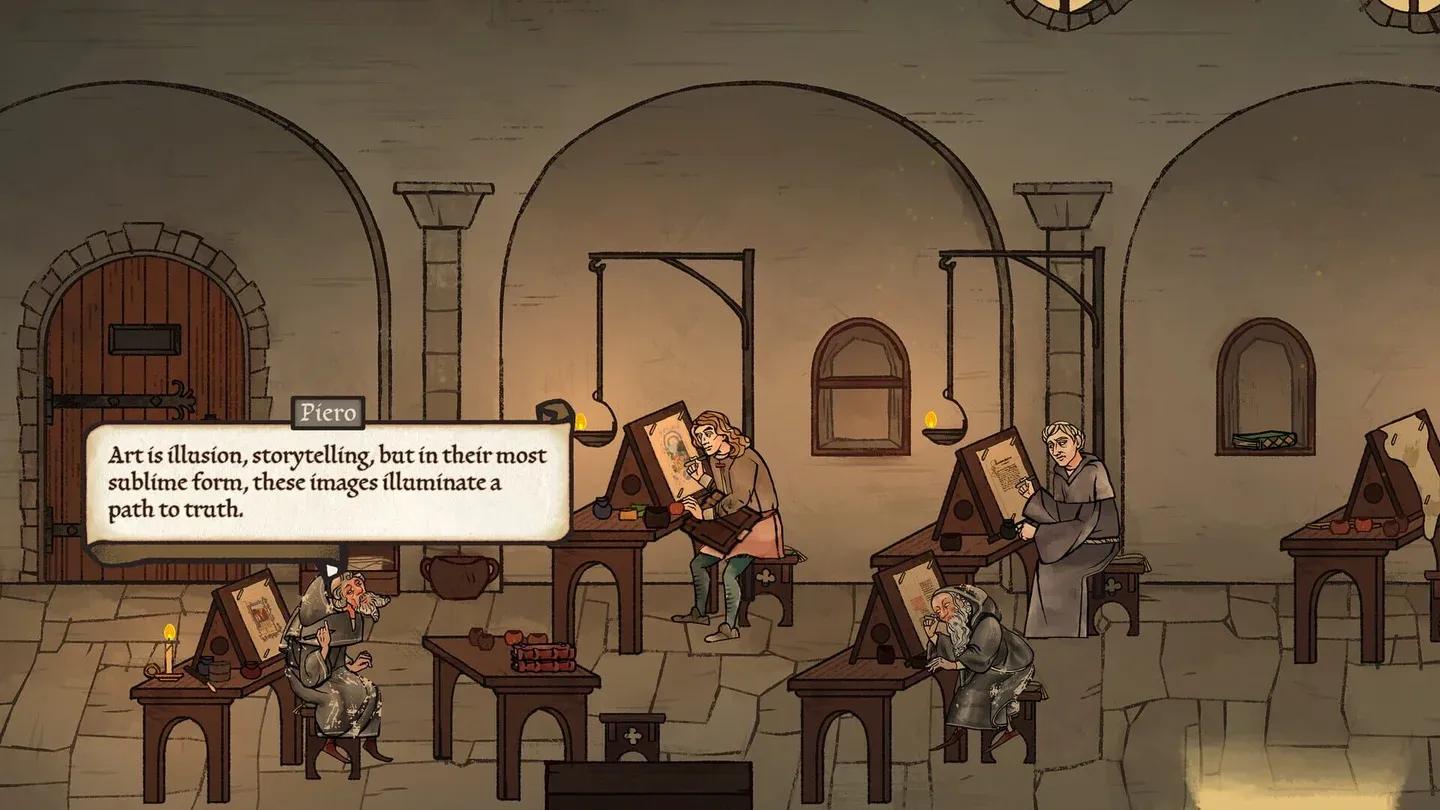
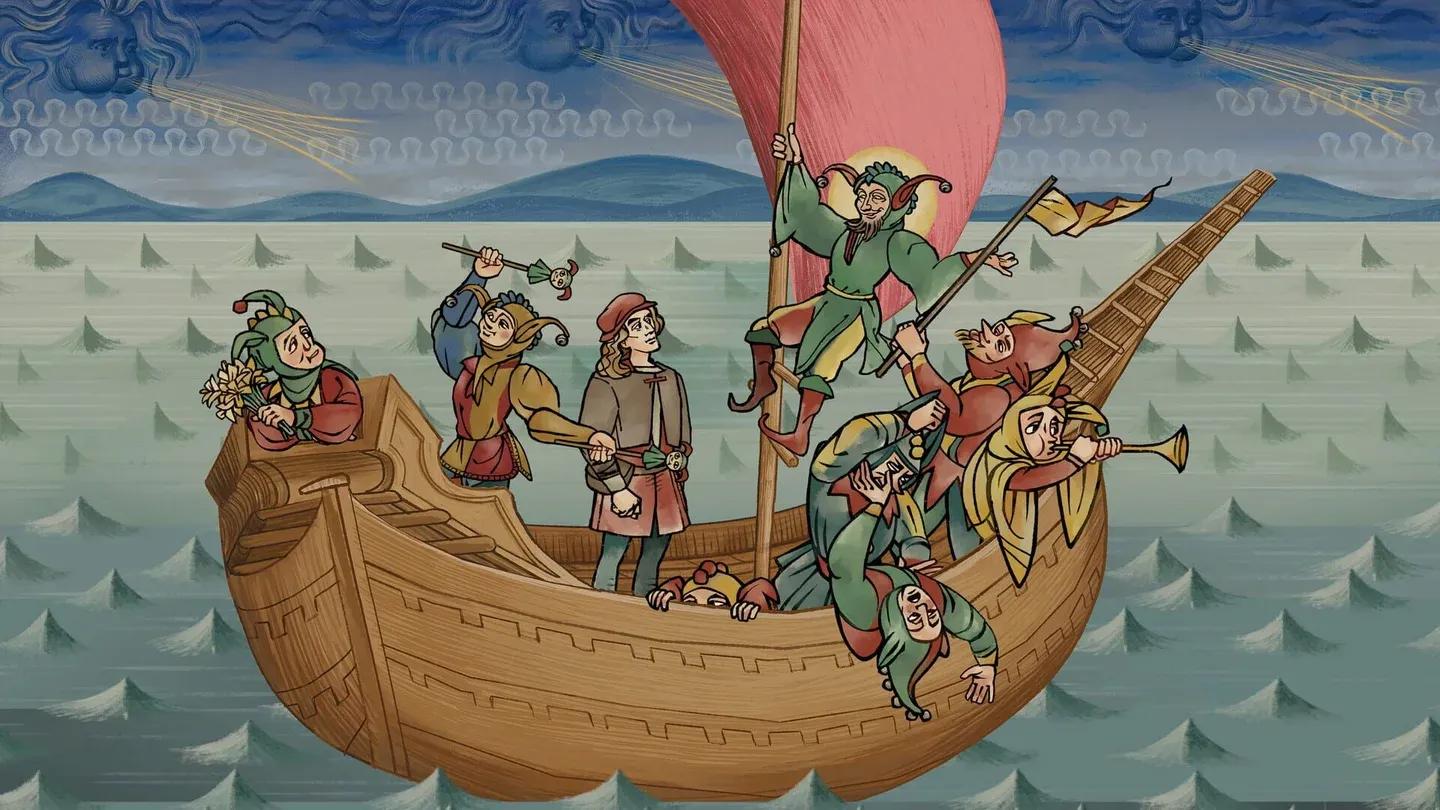
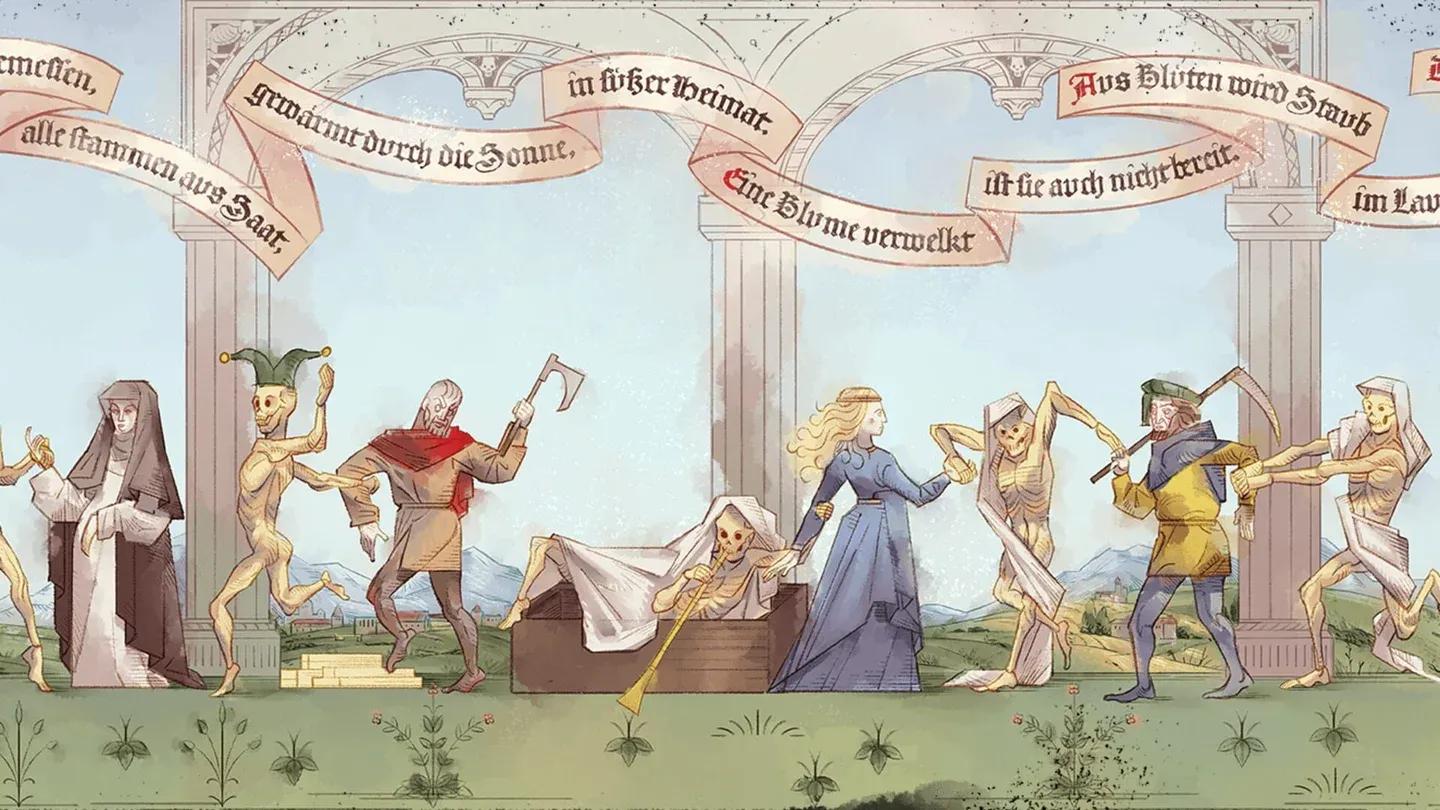
Pentiment's art direction is the first thing anyone notices, and it holds up under scrutiny. The entire game is rendered to resemble illuminated manuscripts and printed woodcuts from the period, with text appearing in period-appropriate typefaces that shift depending on who is speaking. A scholar's dialogue appears in a different script than a farmer's. Even the visual style of the world itself evolves across the game's three acts to reflect the transition from manuscript culture to print.
Key visual and design features include:
- Period-accurate typographic dialogue system
- Art style that shifts across all three acts
- Hand-drawn character portraits and environments
- Sound design rooted in period-appropriate instrumentation
- Text and visual tone that reflect each character's background
Pentiment content image
Is Pentiment a traditional RPG?
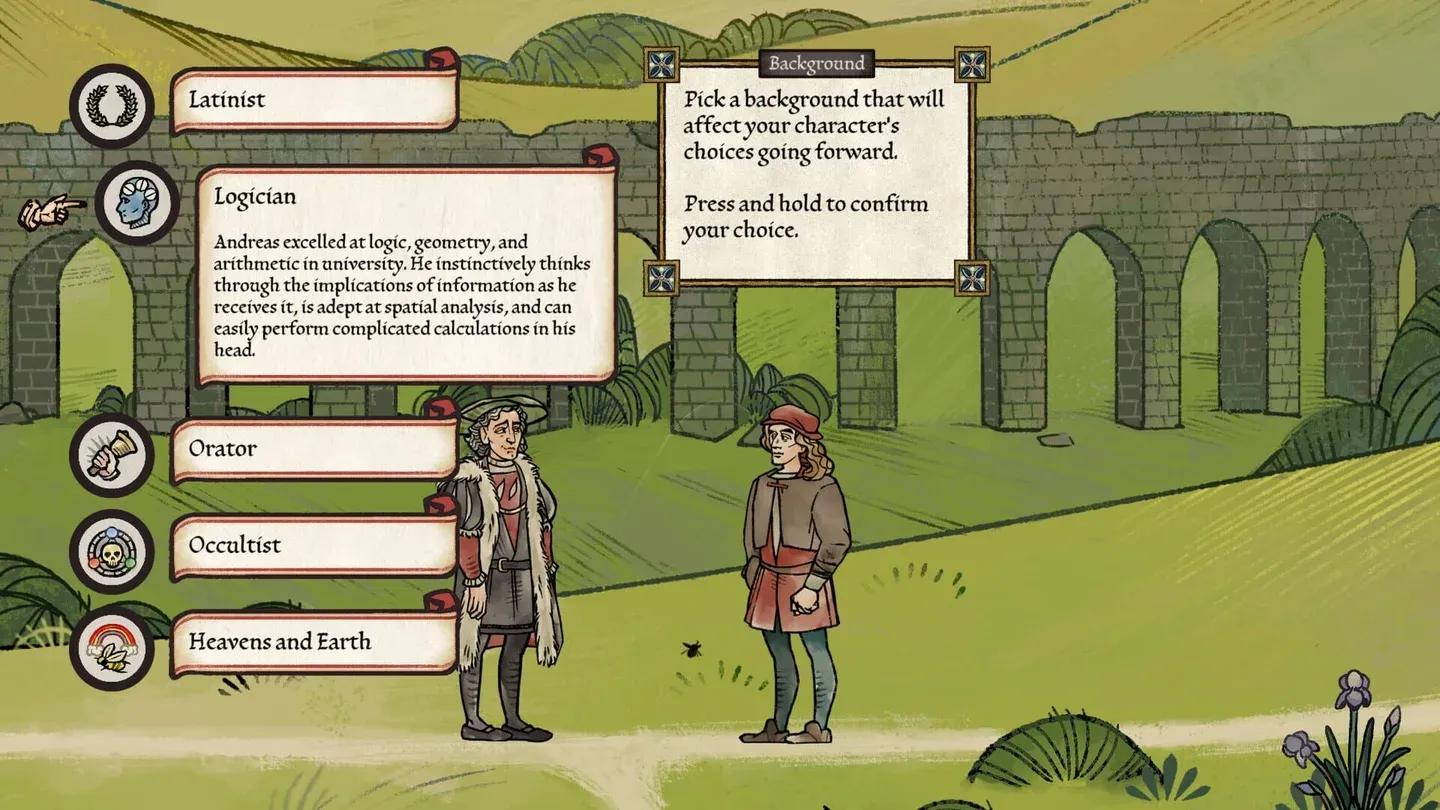
Not in the conventional sense. There are no combat systems, no loot loops, and no skill trees in the action-RPG mold. What Pentiment offers instead is a pure choice-and-consequence structure where the RPG elements live entirely in dialogue, investigation, and the background Andreas brings to conversations. Players choose his academic history at the start, and those choices determine which clues he can interpret and which characters open up to him.
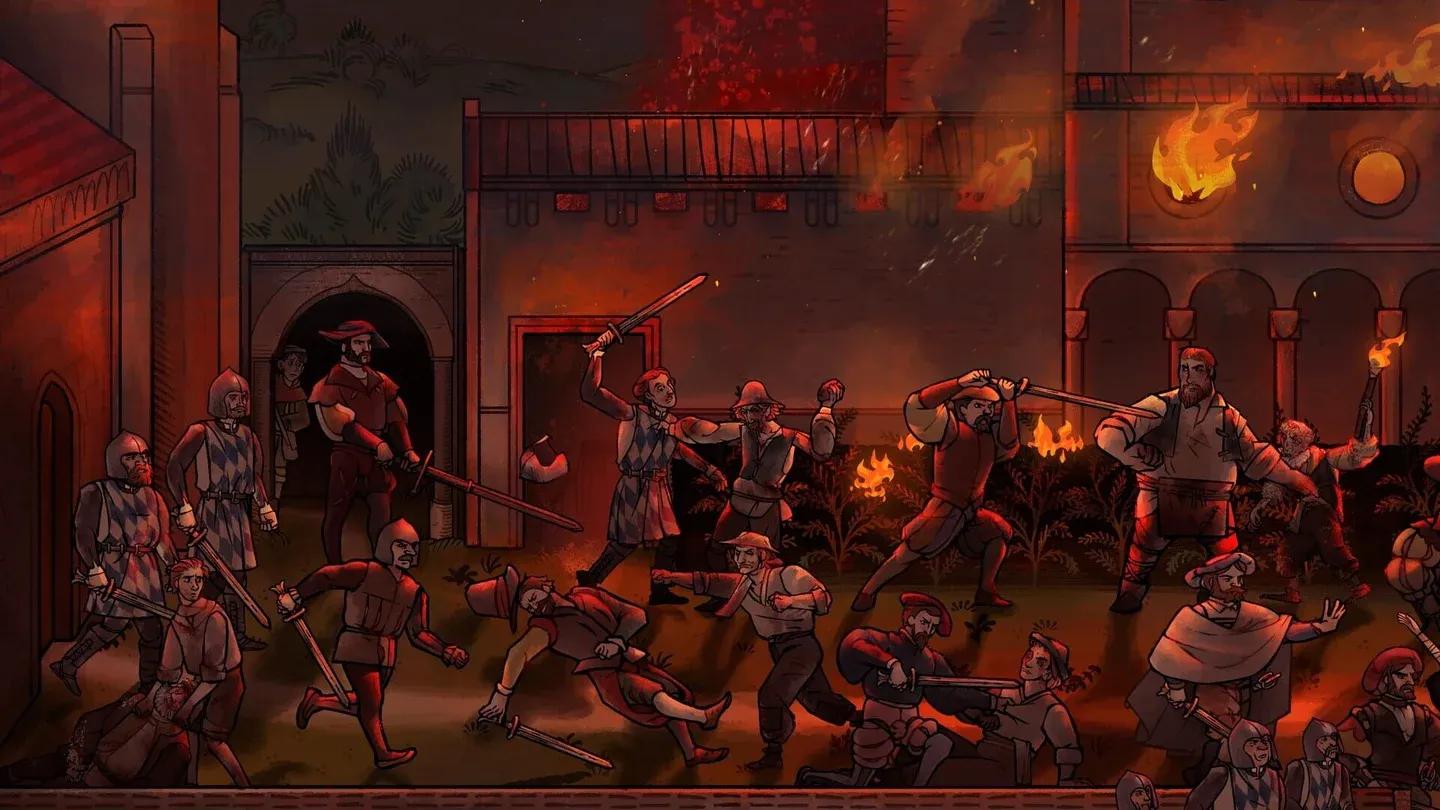
The murder mystery at the center of the story has no single correct answer the game is waiting for you to find. The community's fate shifts based on who Andreas accuses, and those shifts ripple forward through decades of in-game time. Characters age, die, have children, and remember what Andreas did. That permanence is what separates Pentiment from most narrative games in the genre.
Pentiment content image
Impact and legacy
Pentiment arrived on Xbox, PC via Steam, PlayStation, and Nintendo Switch, making it one of the more accessible Obsidian titles in terms of platform reach. The game drew significant critical attention at launch for its commitment to historical authenticity and its refusal to soften the moral weight of its choices. For players who want a narrative RPG that treats its subject matter and its audience with equal seriousness, it remains one of the clearest examples of what the genre can do when it steps away from combat entirely.