
Advertisement

Overview
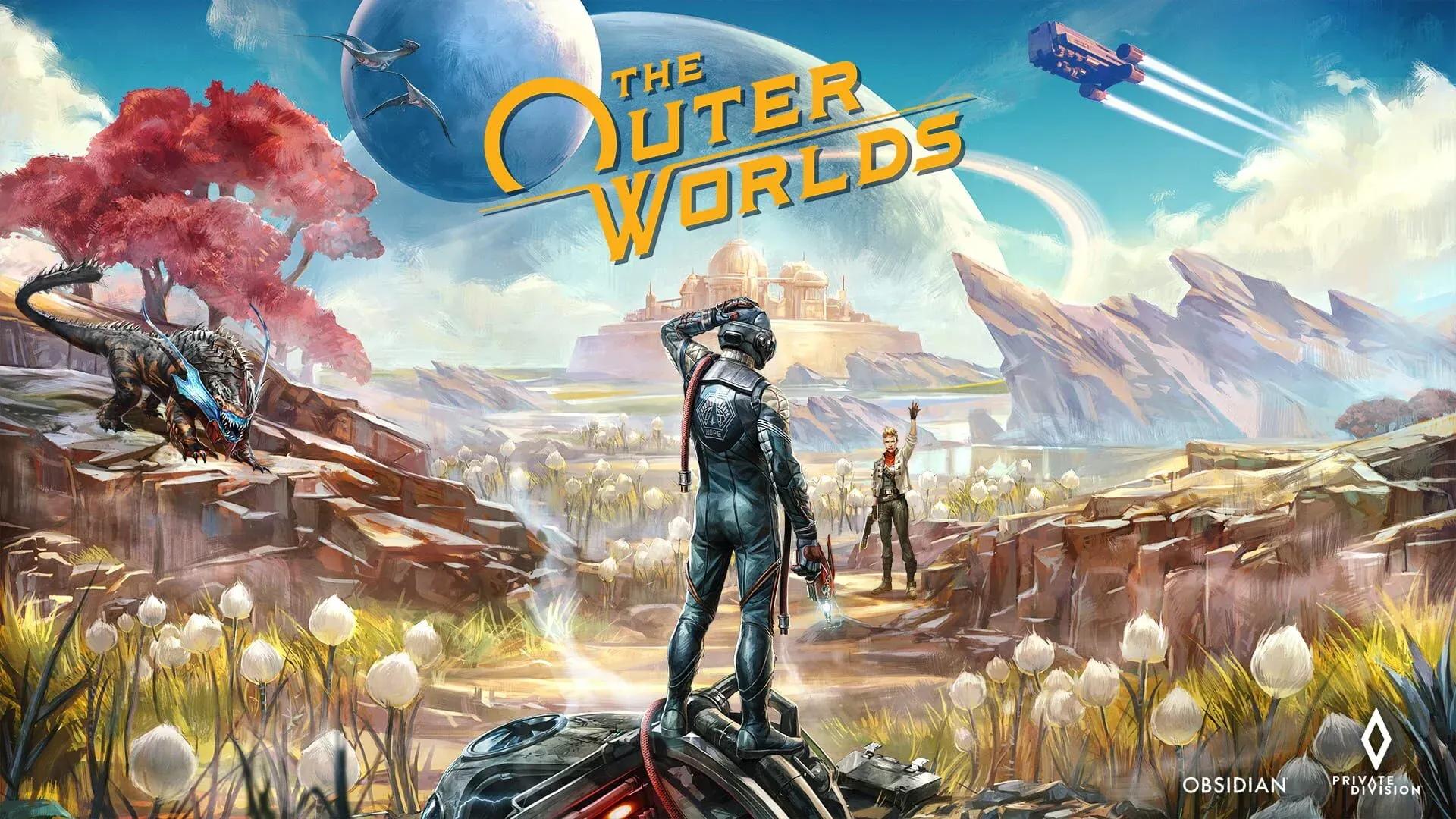
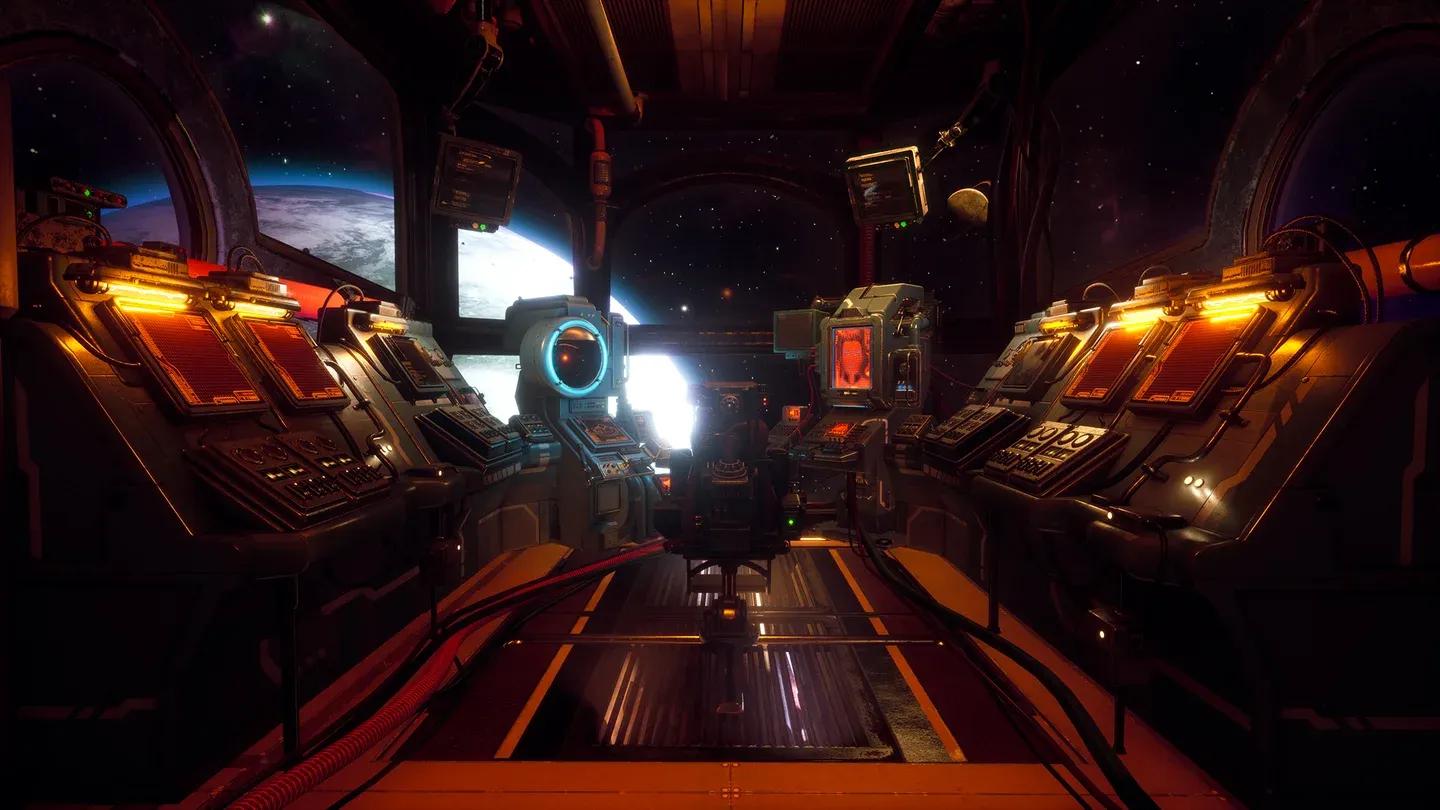
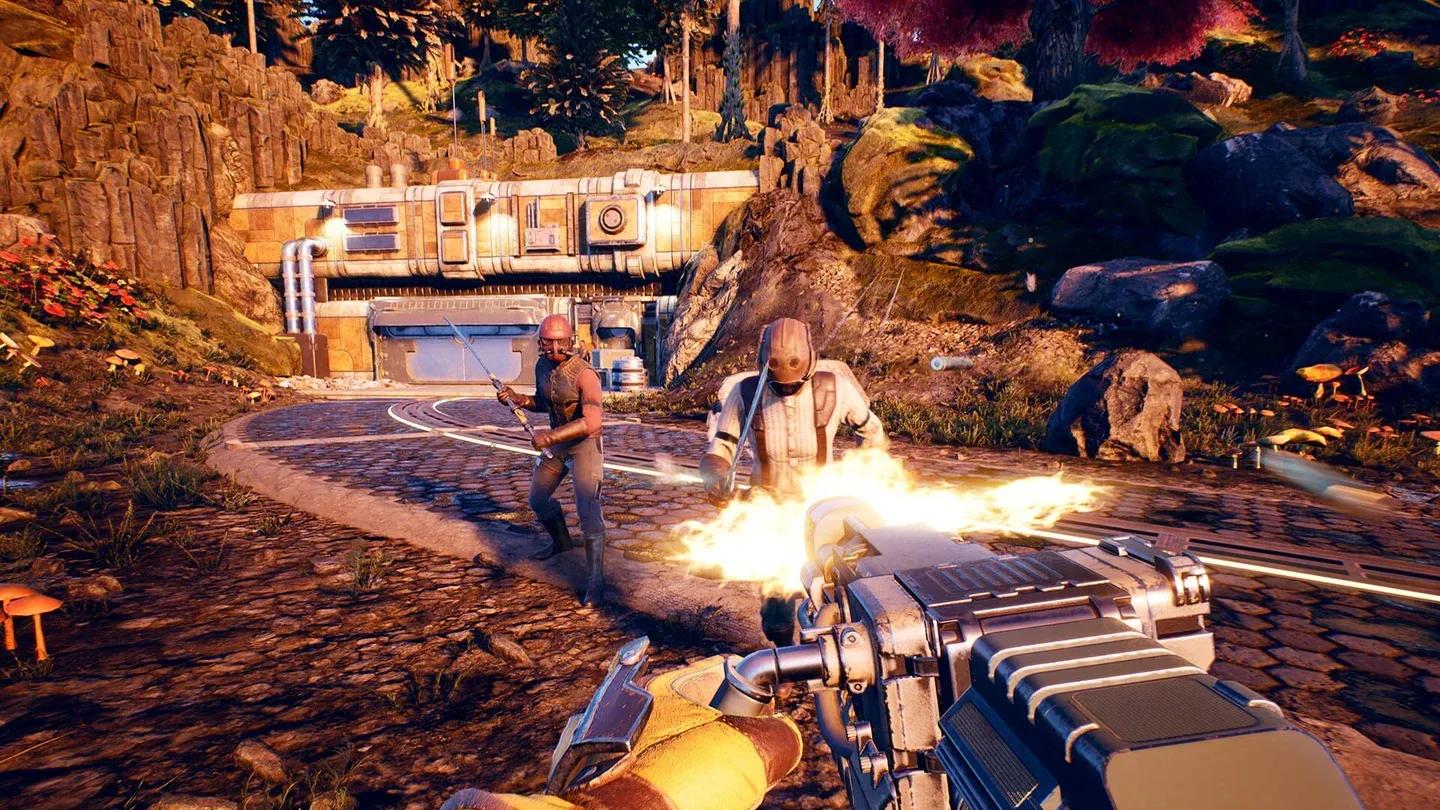
The Outer Worlds is a single-player first-person sci-fi RPG from Obsidian Entertainment, published by Private Division. The setup is classic Obsidian: you wake up decades late on a colonist ship, stranded at the edge of the galaxy, and immediately find yourself tangled in a conspiracy that could unravel the entire Halcyon colony. Every faction wants something from you, and the corporate board that controls Halcyon wants you gone.
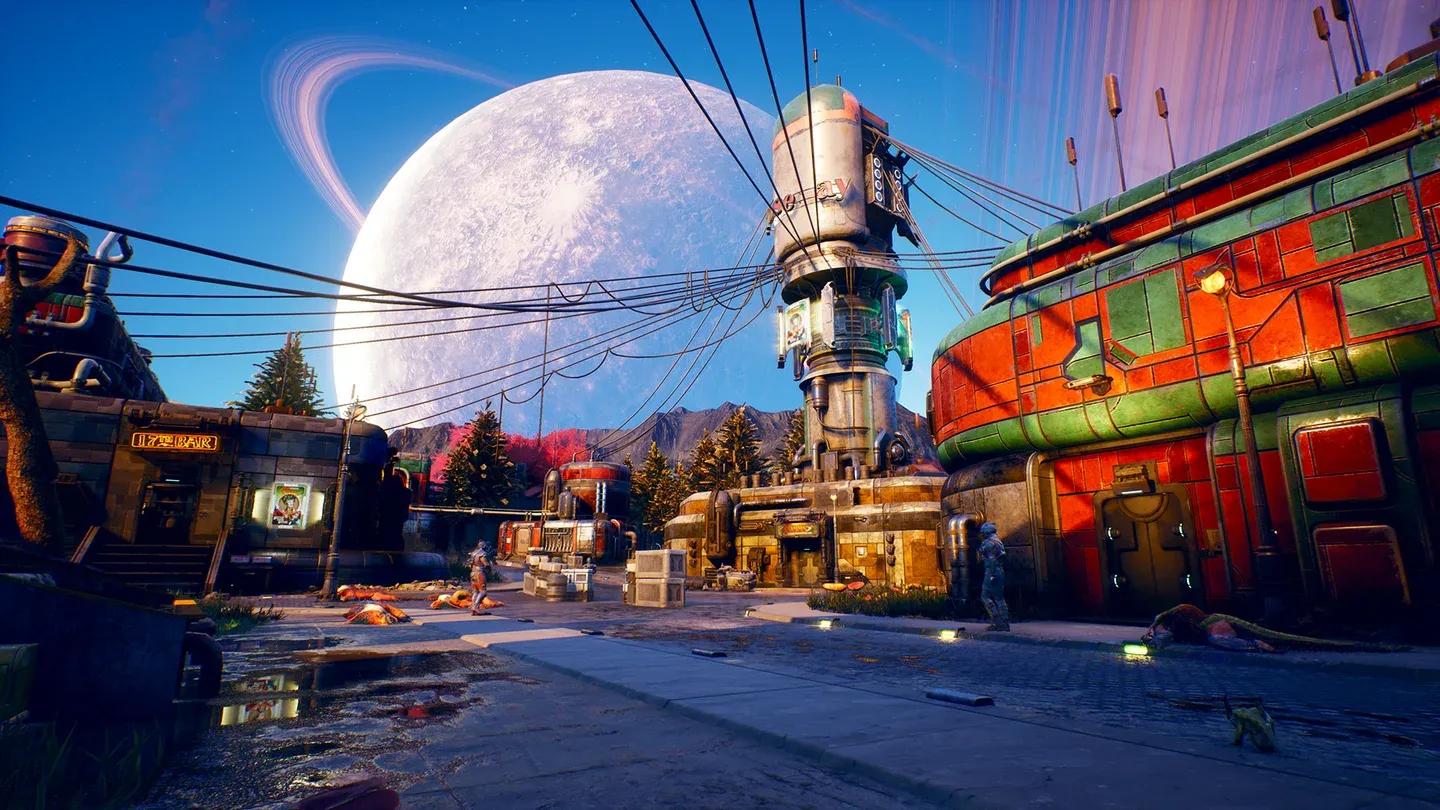
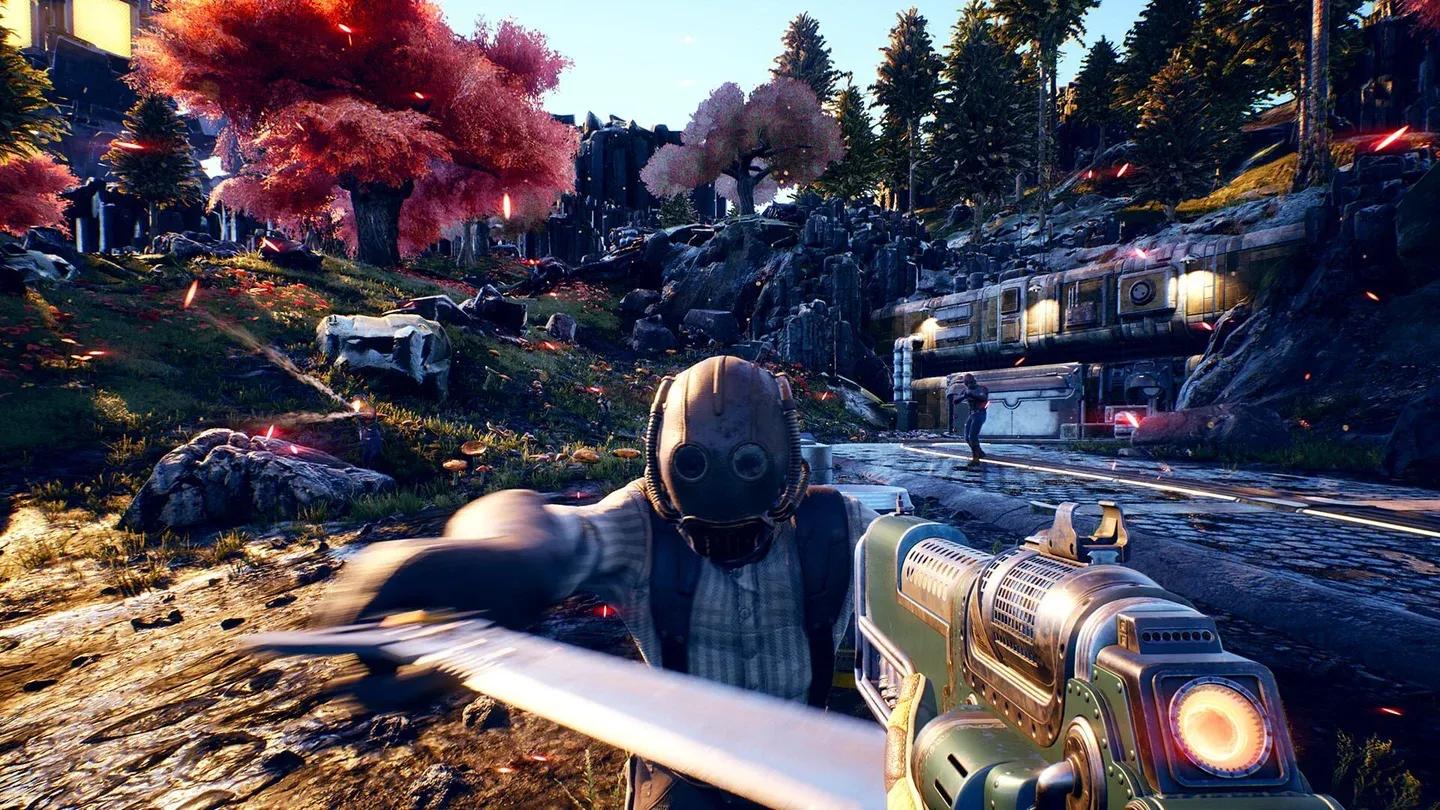
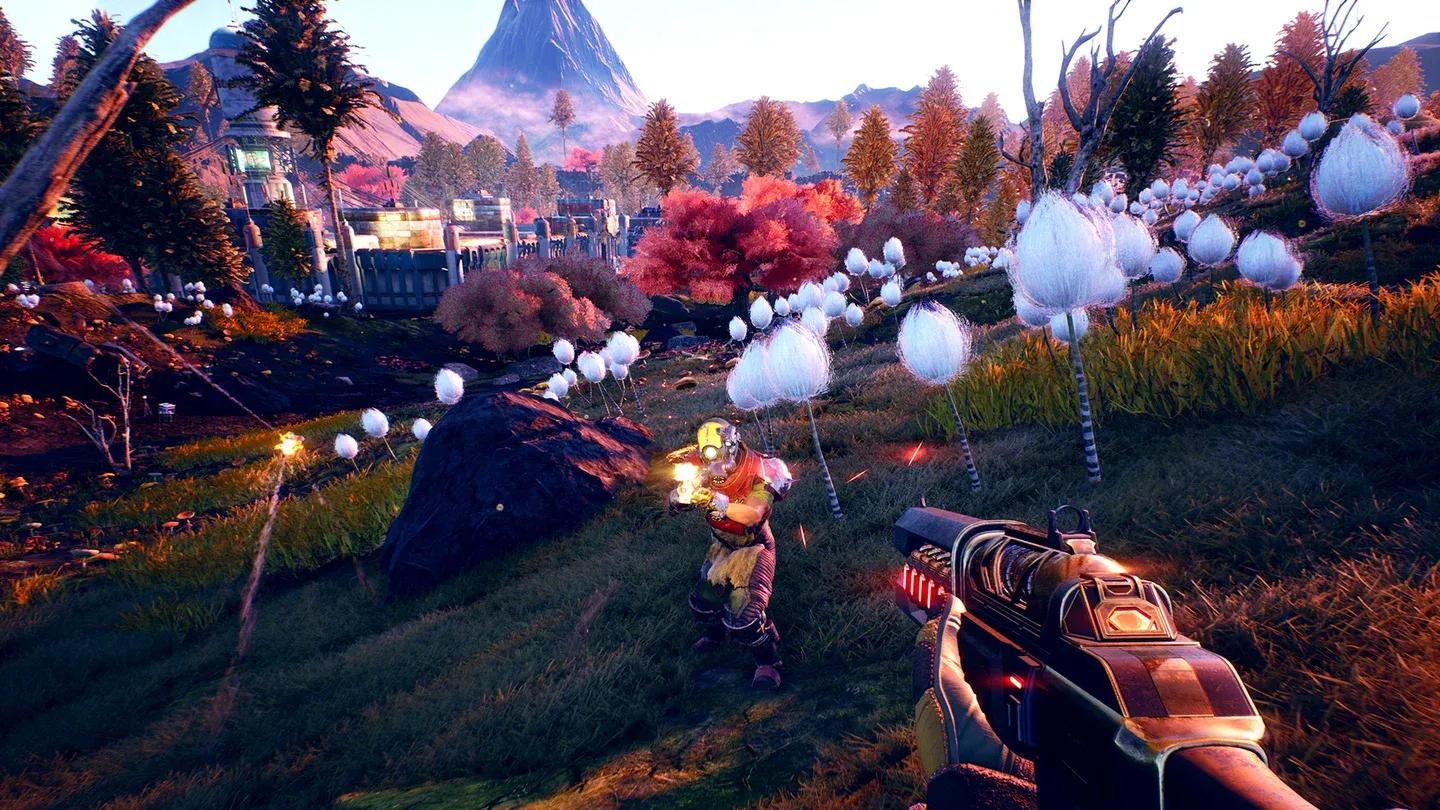
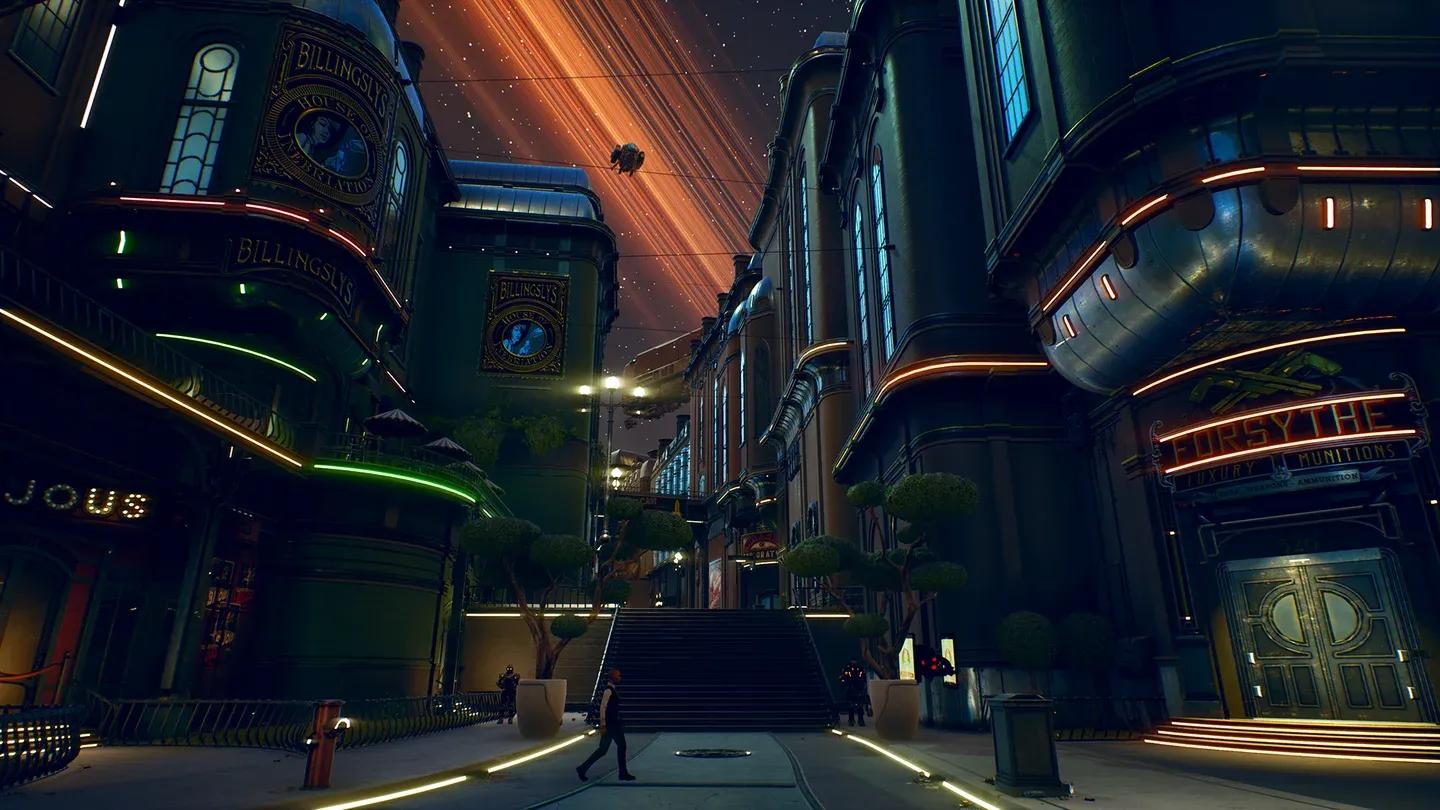
Halcyon's world-building leans hard into corporate satire. Every settlement, space station, and wilderness zone tells a story about what happens when profit motive runs unchecked across two terraformed planets. The alien wildlife that survived the incomplete terraforming process adds genuine danger to exploration, and the writing throughout is sharp enough to make even side quests feel worth reading.
The Outer Worlds content image
Gameplay and mechanics
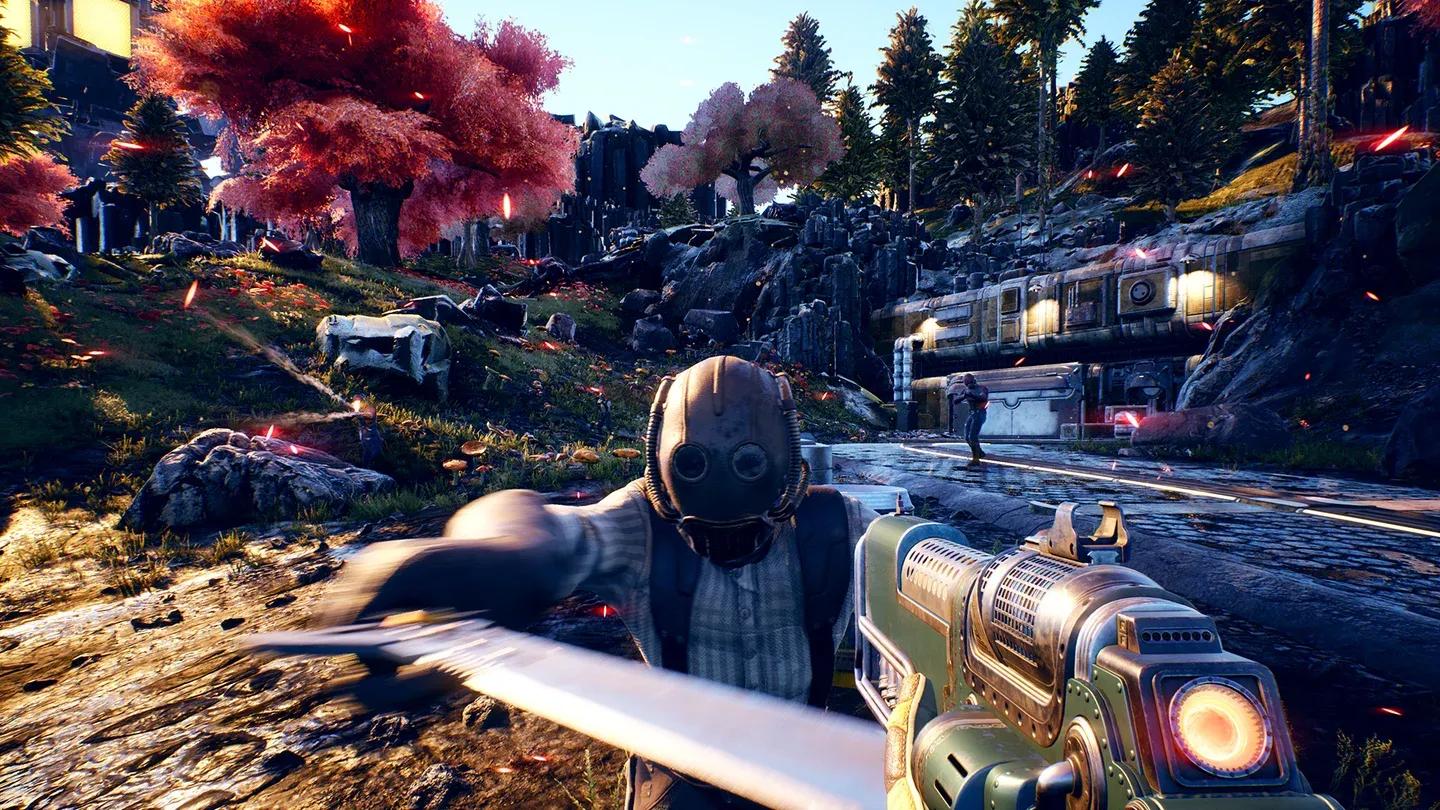
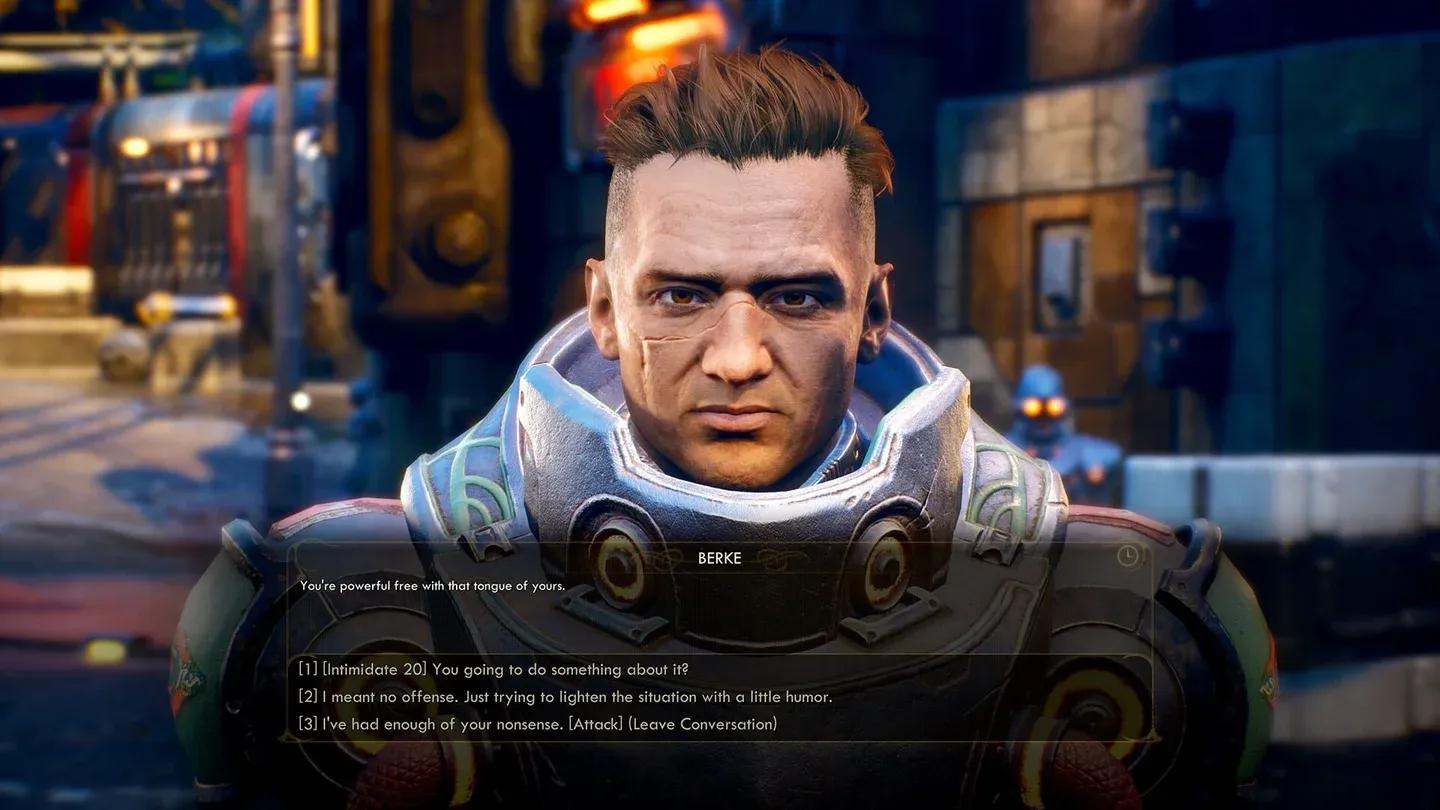
The Outer Worlds plays like a first-person RPG with shooter mechanics layered over a deep character-building system. Combat uses a Tactical Time Dilation ability that slows time, letting you target specific enemy body parts for tactical advantages. Outside of combat, your stats and skills open dialogue options, stealth routes, and engineering solutions that can bypass entire encounters.
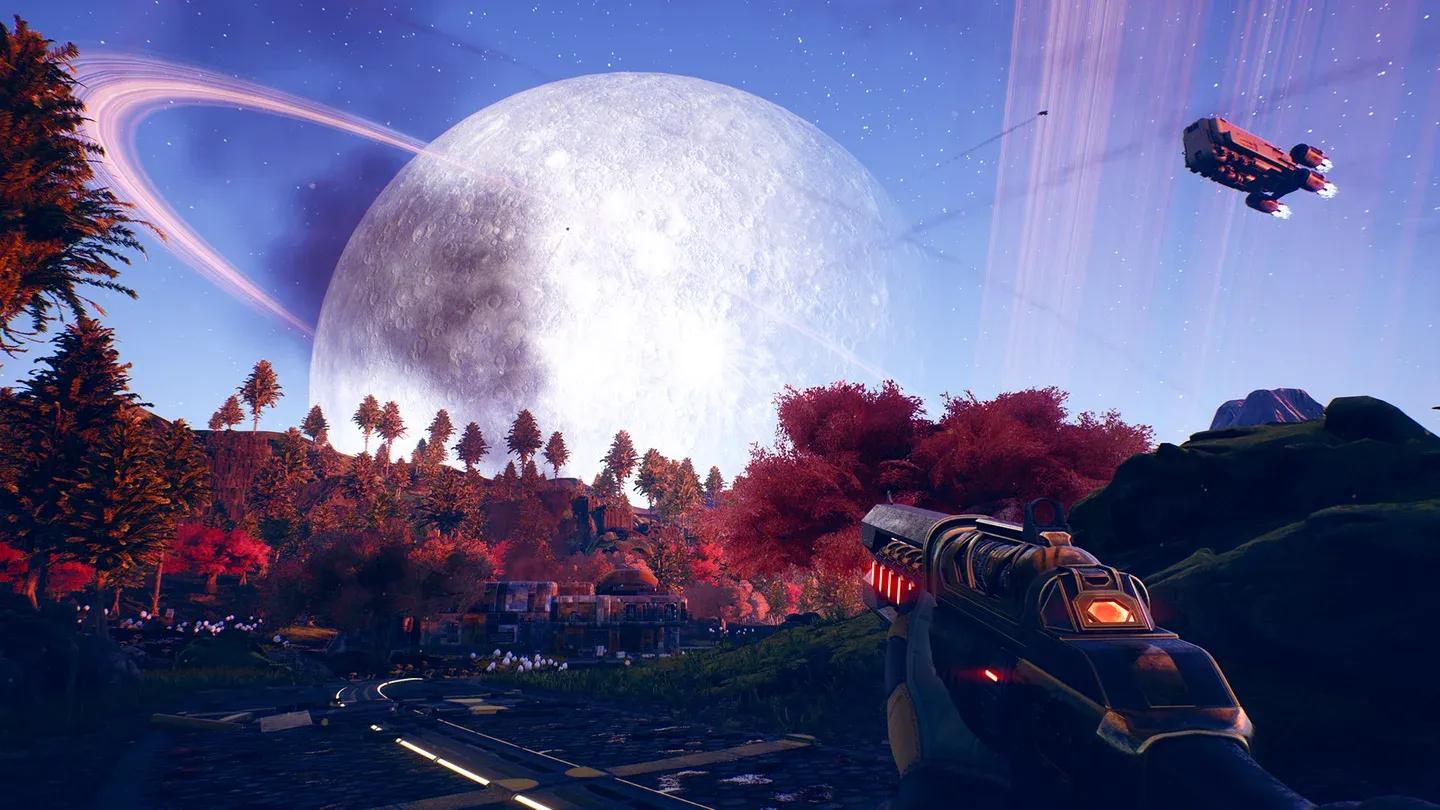
The Outer Worlds content image
Key mechanics at a glance:
- Tactical Time Dilation for slowed-time targeting
- Dialogue skill checks using stats like Persuade, Intimidate, and Lie
- Companion abilities that activate in combat
- Weapon modding and science weapons with unusual effects
- Multiple endings shaped by faction allegiances
What makes the flaw system different?
The flaw system is The Outer Worlds' most distinctive mechanical contribution to the RPG genre. The game tracks your repeated failures during play. Get mauled by Raptidons enough times and you'll receive an offer: accept the Raptiphobia flaw, take a permanent debuff against those creatures, and earn an extra character perk immediately in exchange. Every flaw is optional. You can decline every single one and play a clean, uncompromised character. But accepting them builds a genuinely personalized protagonist whose weaknesses reflect actual playtime rather than arbitrary choices at character creation.
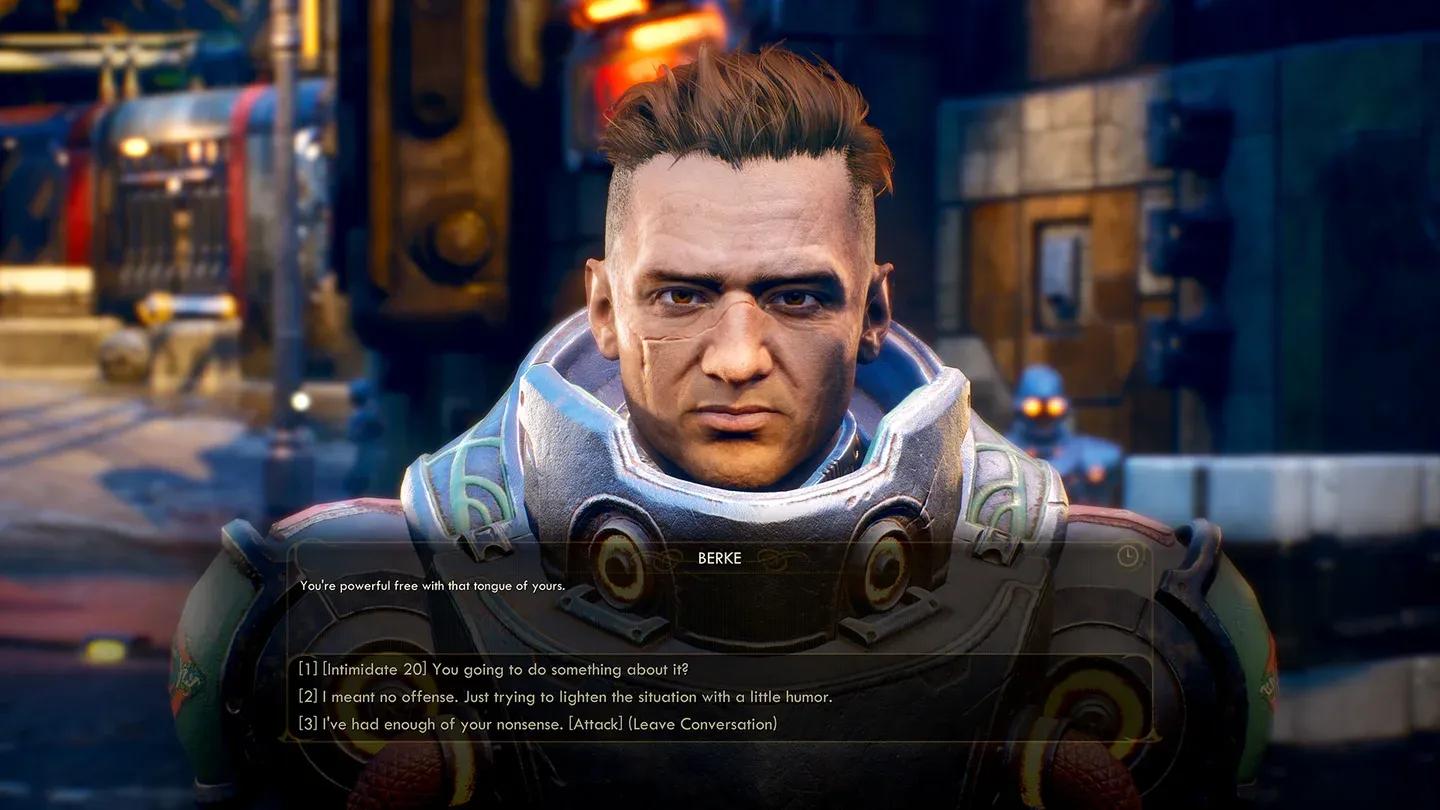
The Outer Worlds content image
Companions and player-driven story
Companion characters in The Outer Worlds aren't just combat support. Each crew member comes with their own questline, personal motivations, and a distinct worldview that sometimes conflicts with yours. Parvati's arc stands out as some of the best companion writing in any RPG from its era. You can help companions pursue their goals, redirect them toward your agenda, or ignore their storylines entirely. Your choices ripple through the ending scenarios for each character.
The Outer Worlds content image
The broader narrative branches in ways that affect which factions survive, which leaders stay in power, and how Halcyon looks when the credits roll. Multiple playthroughs surface genuinely different story paths rather than cosmetic variations.
Content and replayability
The base game runs roughly 25 to 40 hours depending on how thoroughly you explore, and two DLC expansions, Peril on Gorgon and Murder on Eridanos, extend the runtime with self-contained murder-mystery style storylines. The game is available on Windows, Xbox, PlayStation, Nintendo Switch, Steam, and the Epic Games Store, making it one of the more accessible RPGs in terms of platform reach.
Different character builds change which solutions are available at almost every major decision point. A high-Persuade talker, a stealth-focused hacker, and a guns-blazing brawler play through the same story with meaningfully different options. That replayability, combined with the branching faction outcomes, gives The Outer Worlds staying power well beyond a single run.
System Requirements
| Requirement | Minimum | Recommended |
|---|---|---|
| OS | - | Windows 10 64bit |
| Processor | Intel Core i3-3225 or AMD Phenom II X6 1100T | Intel Core i7-7700K or Ryzen 5 1600 |
| Memory | 4 GB RAM | 8 GB RAM |
| Graphics | Nvidia GTX 650 Ti or AMD HD 7850 | GeForce GTX 1060 6GB or Radeon RX 470 |