Overview
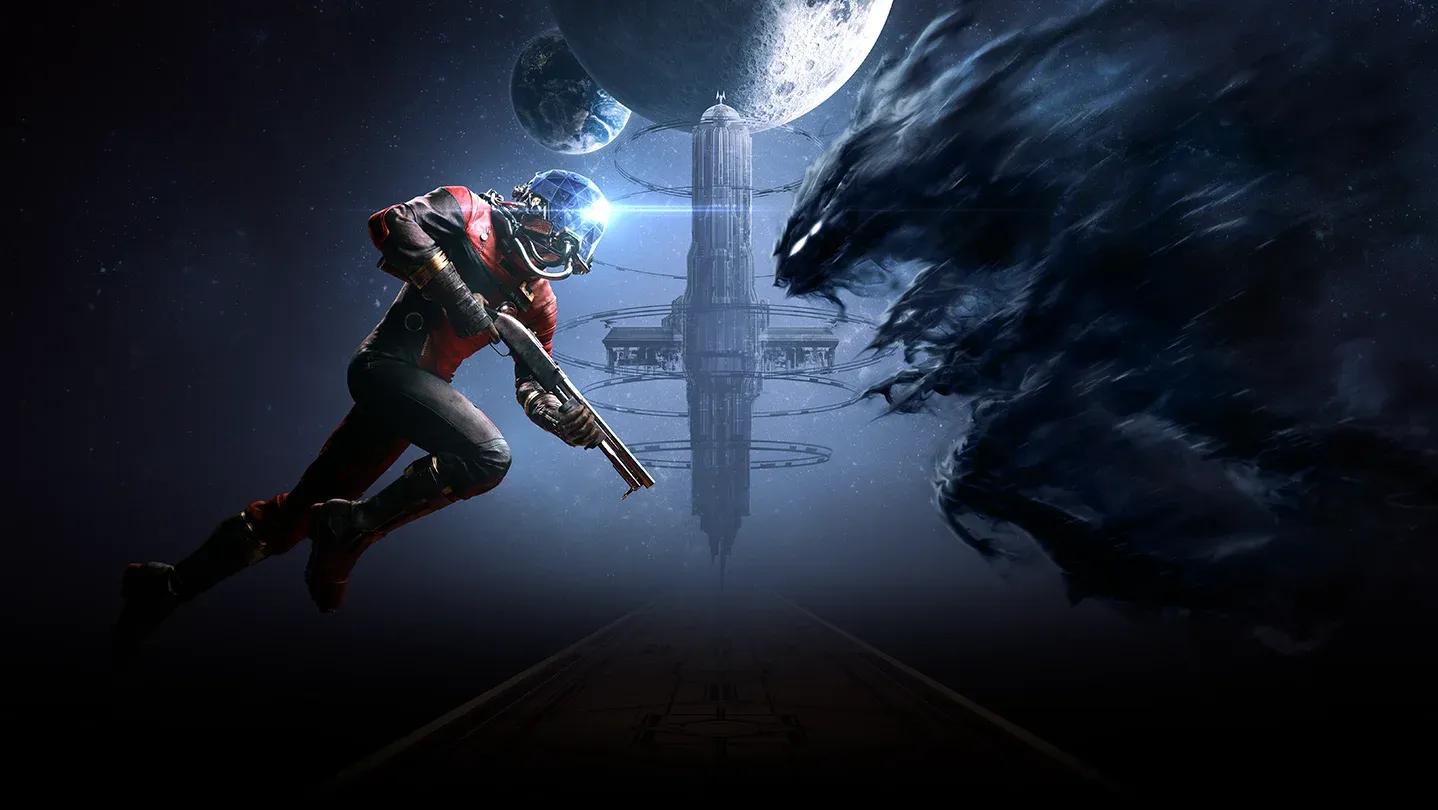
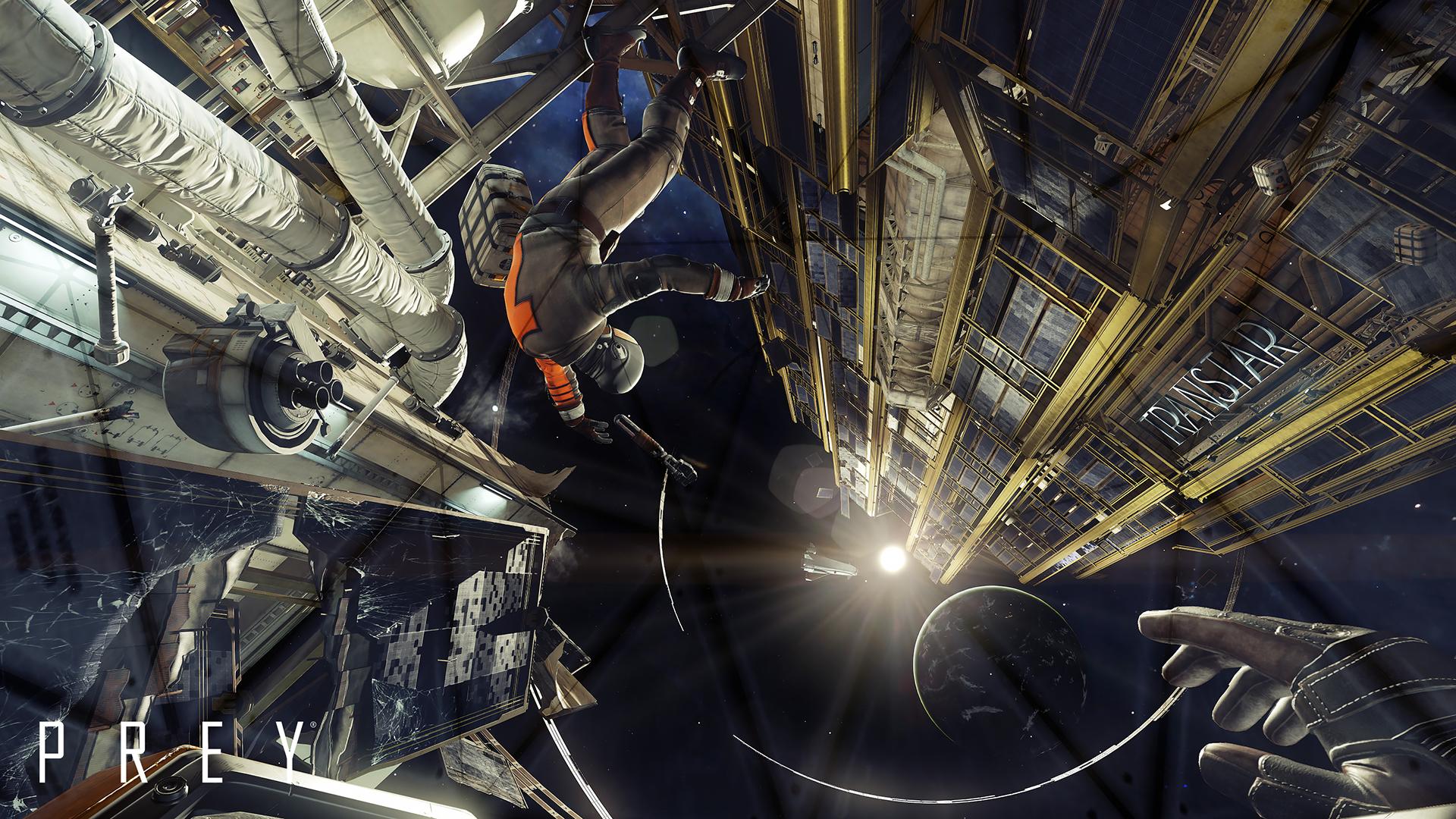
Prey drops you into the boots of Morgan Yu, a scientist who wakes up on Talos I with no memory of the past three years and an alien infestation eating through the crew. Developed by Arkane Studios and released on May 4, 2017, the game takes place in an alternate 2032 where the Space Race never slowed down and a corporation called TranStar has been running unsanctioned experiments on alien organisms called the Typhon. The setup sounds familiar, but the execution is something else.
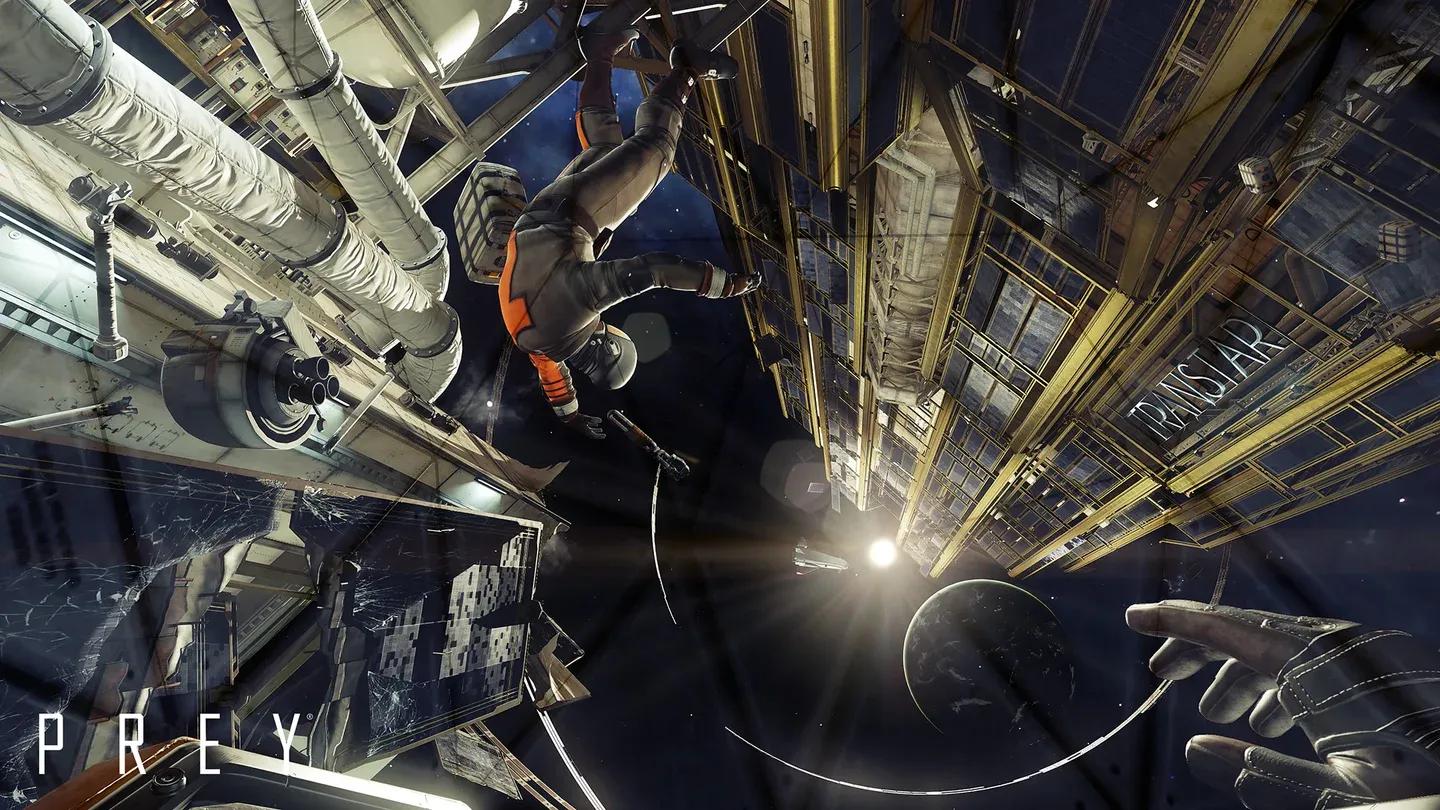
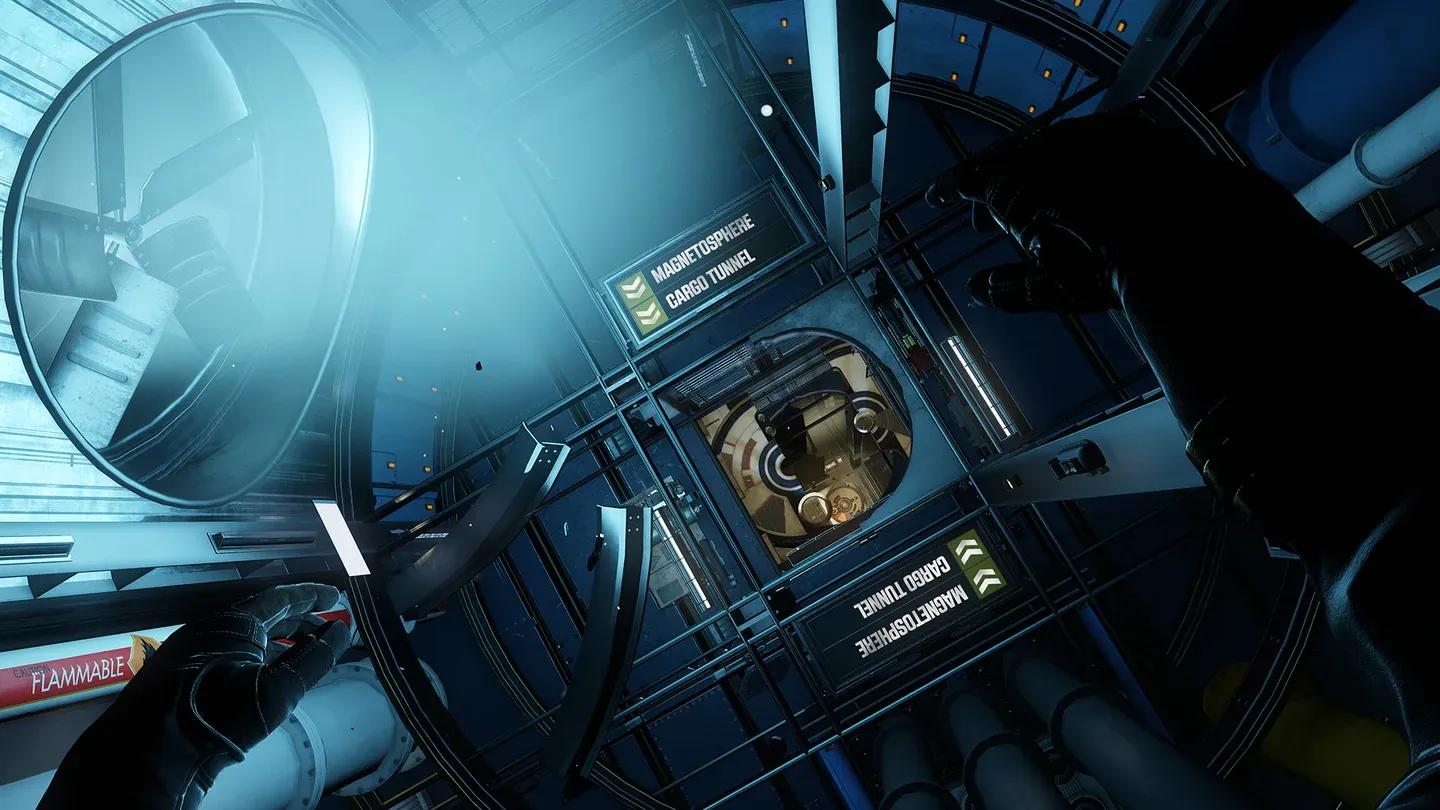
Talos I is not a corridor shooter. The station is a single connected environment you move through freely, unlocking new areas as your abilities expand. Every room tells a story through environmental detail, and the game never holds your hand long enough to feel like it doubts you. That restraint is what separates Prey from most games that call themselves immersive sims.
Gameplay and mechanics
The core loop in Prey is built around scavenging, crafting, and ability progression. Morgan can develop both human skills and Typhon neuromods, which are essentially alien-derived upgrades that grant powers like telepathy, mimicry, and kinetic blasts. Leaning into Typhon abilities has consequences, though: the station's Operators will start treating you as a threat.
Key mechanics at a glance:
- Neuromods for human and Typhon skill trees
- GLOO Cannon for environmental traversal and combat
- Recycler Charges to break down objects into crafting materials
- Psychoscope for scanning and identifying enemies
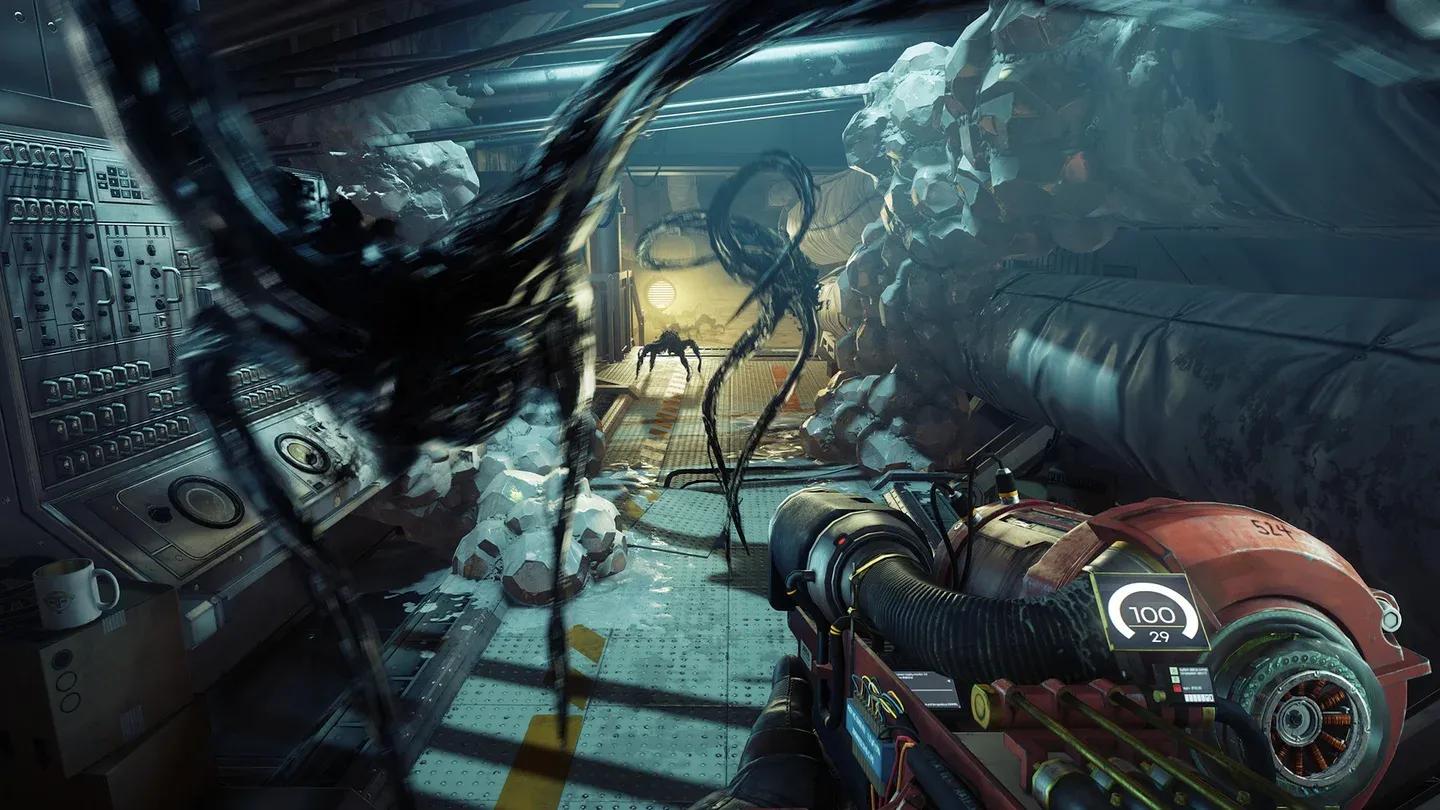
- Mimics that disguise themselves as everyday objects
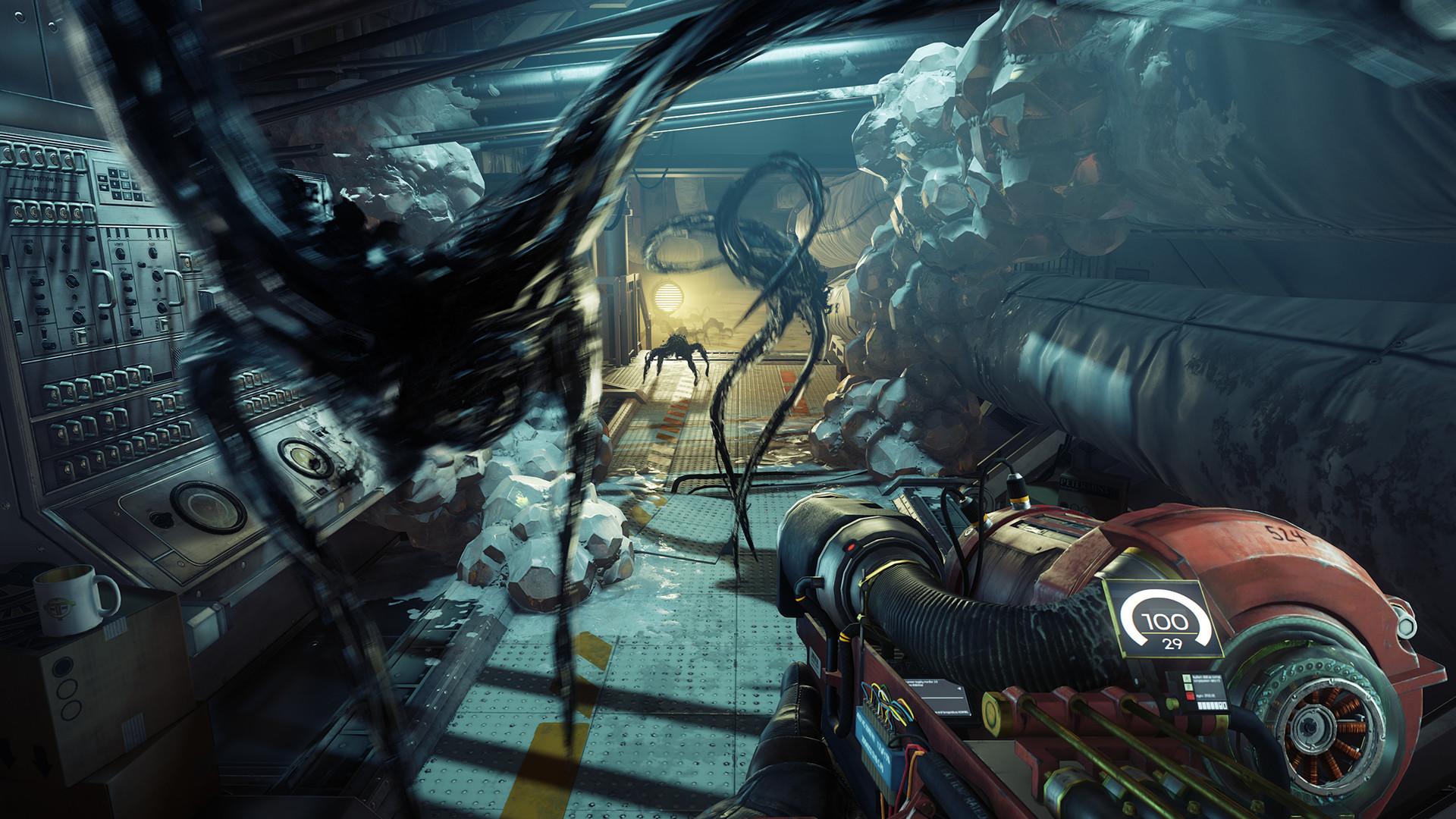
The GLOO Cannon alone is one of the most creative tools in any first-person game. It fires a fast-hardening foam you can use to freeze enemies, seal gas leaks, or build improvised staircases up walls. Most encounters have four or five viable solutions depending on what you've picked up and what abilities you've invested in.
What kind of game is Prey, exactly?
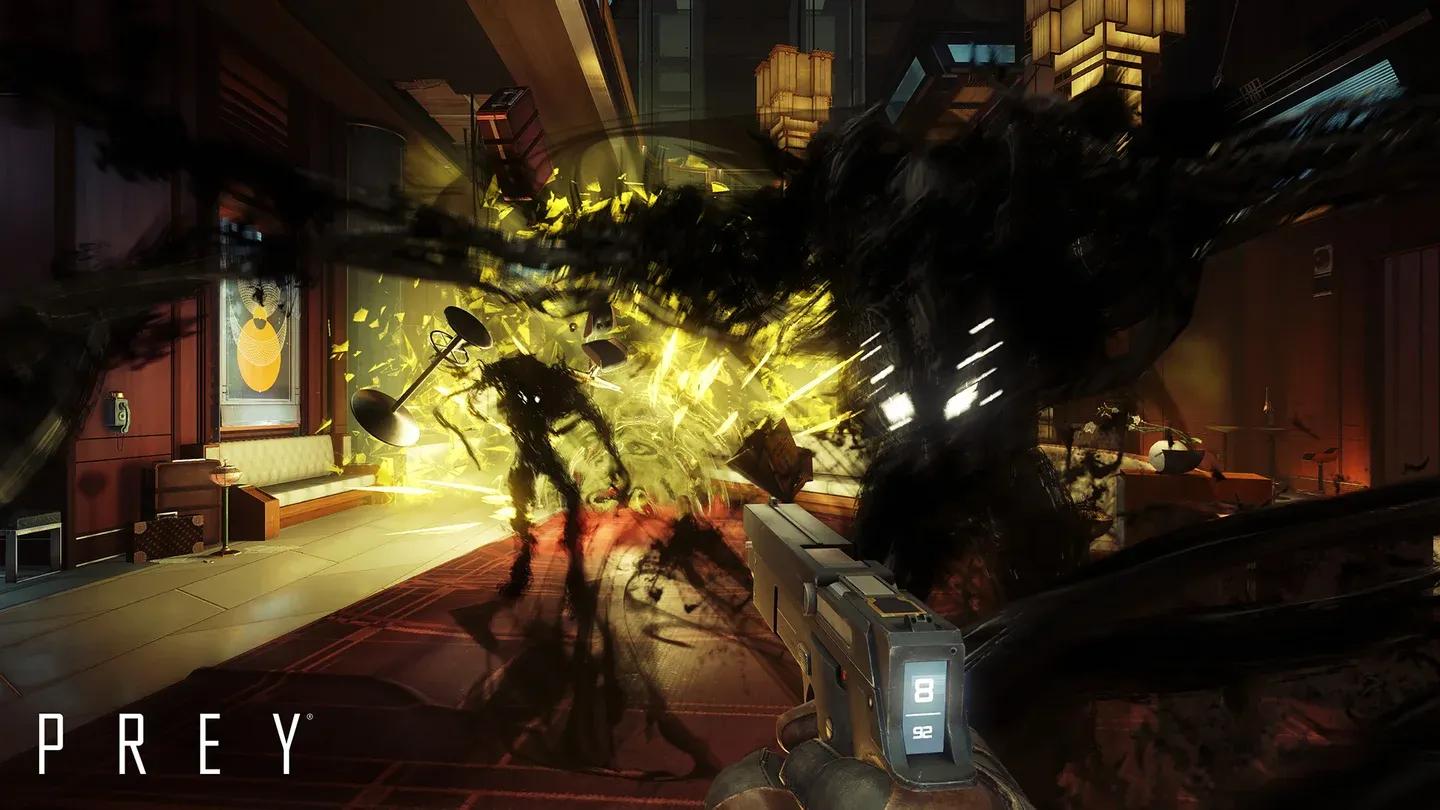
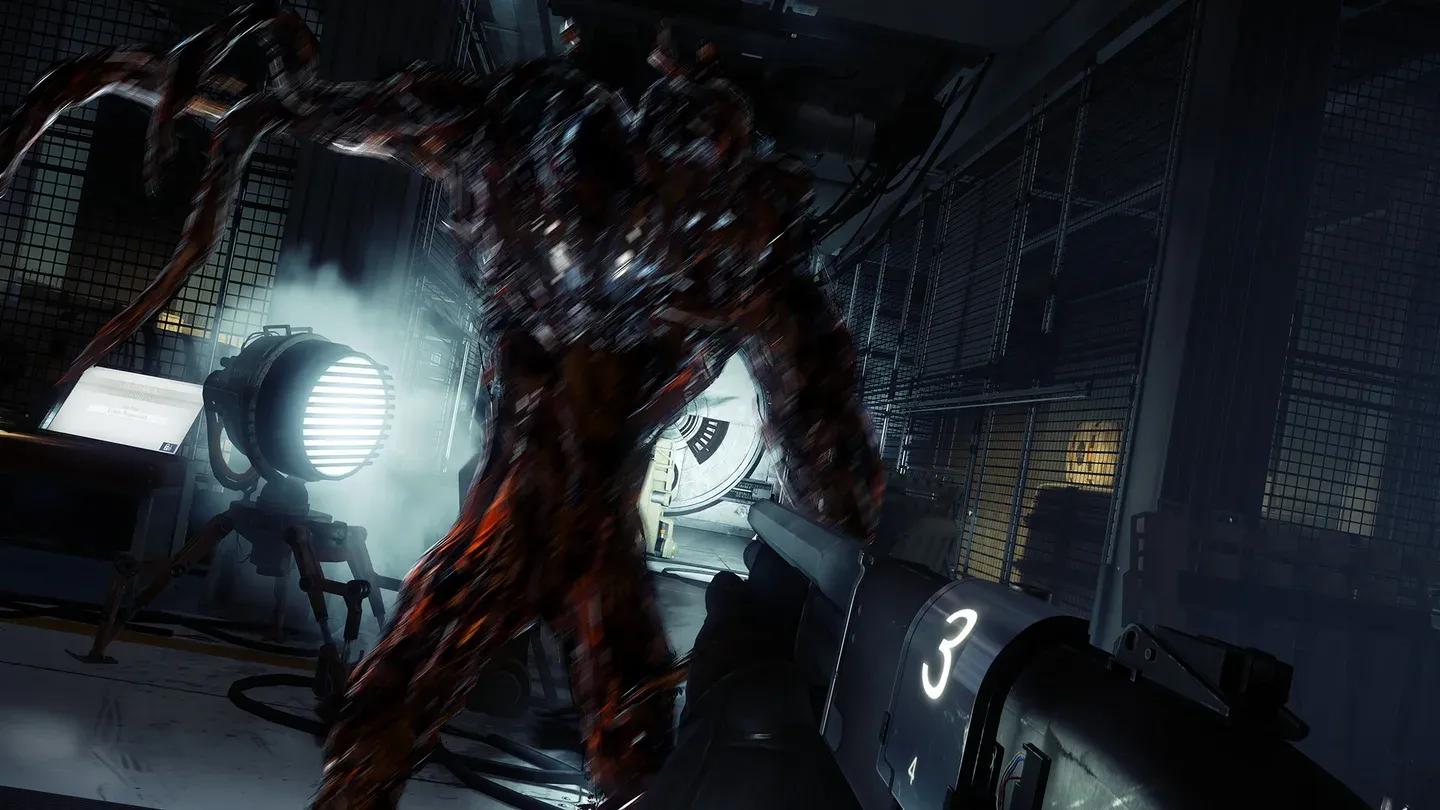
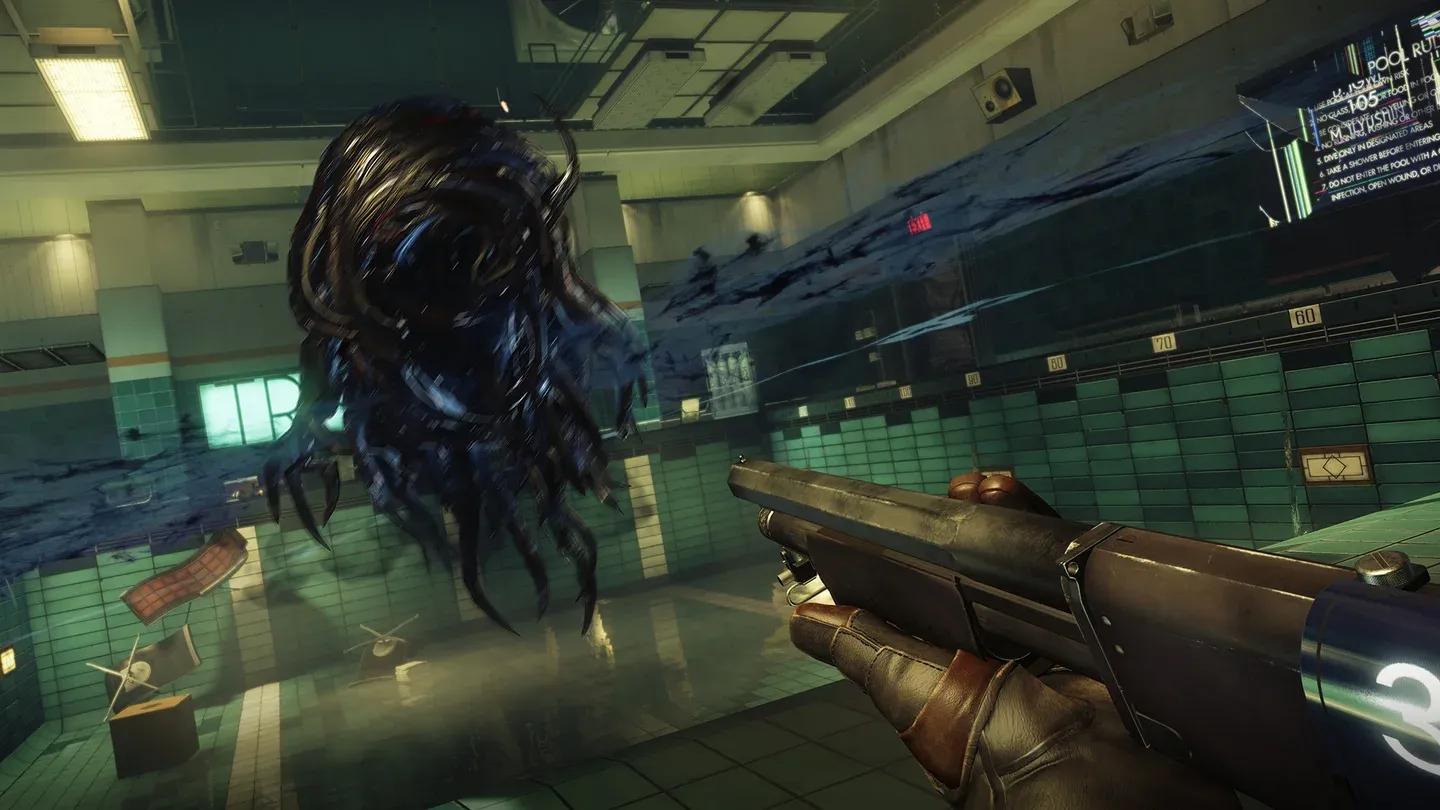
Prey is an immersive sim in the tradition of System Shock and Deus Ex, meaning it prioritizes player agency over scripted spectacle. The Typhon enemies range from small, fast Mimics that hide as coffee cups and office chairs to enormous Nightmare creatures that spawn in response to your Typhon ability usage. Combat is rarely the cleanest option, and running, hiding, or recycling enemies into crafting materials is just as valid as fighting.
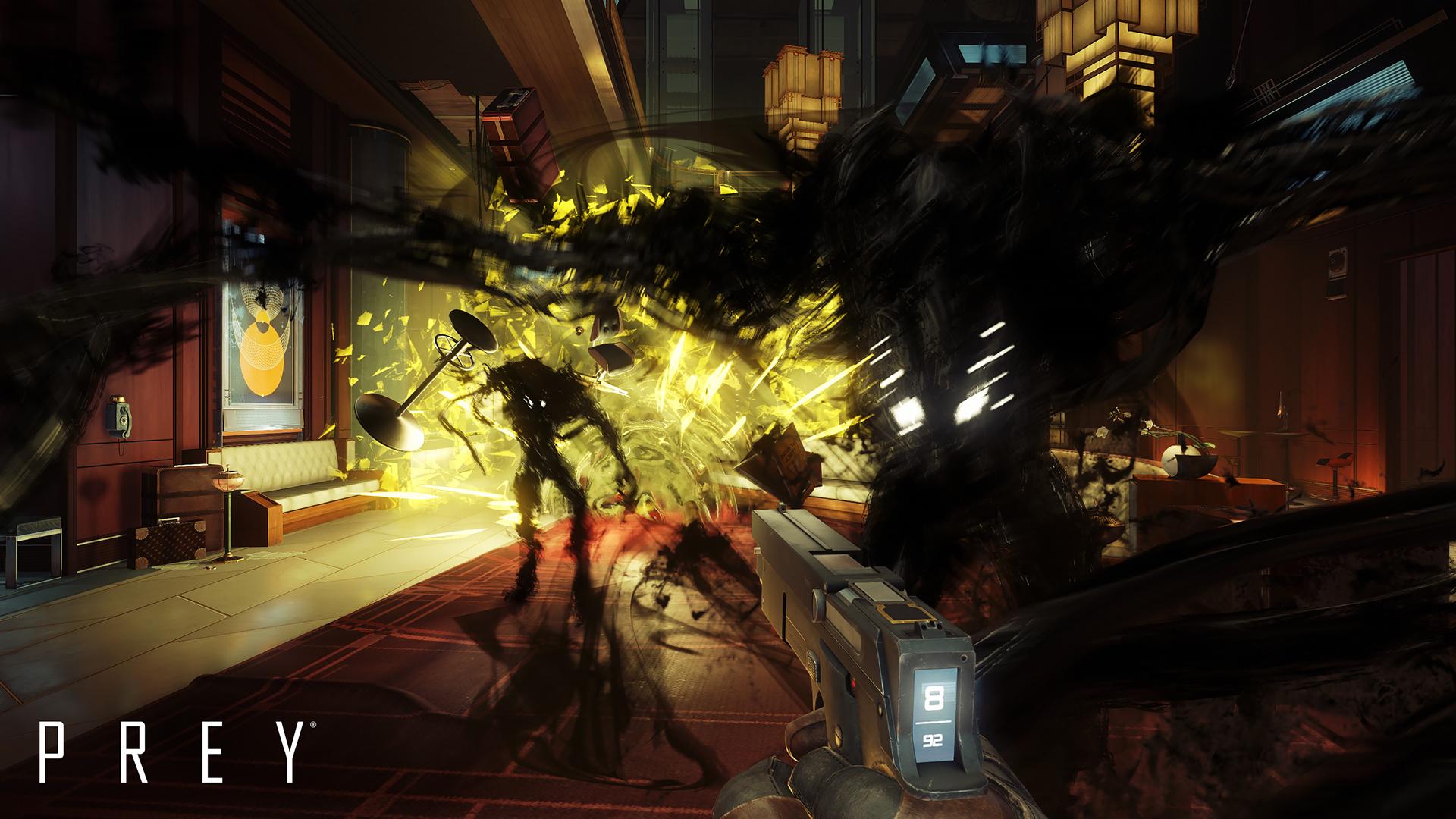
The RPG systems go deep without becoming overwhelming. Skill trees branch into engineering, science, security, and alien powers, and your choices shape not just Morgan's capabilities but how NPCs and station systems respond to you. A playthrough focused entirely on human abilities plays noticeably differently from one that goes all-in on Typhon powers.
World and setting
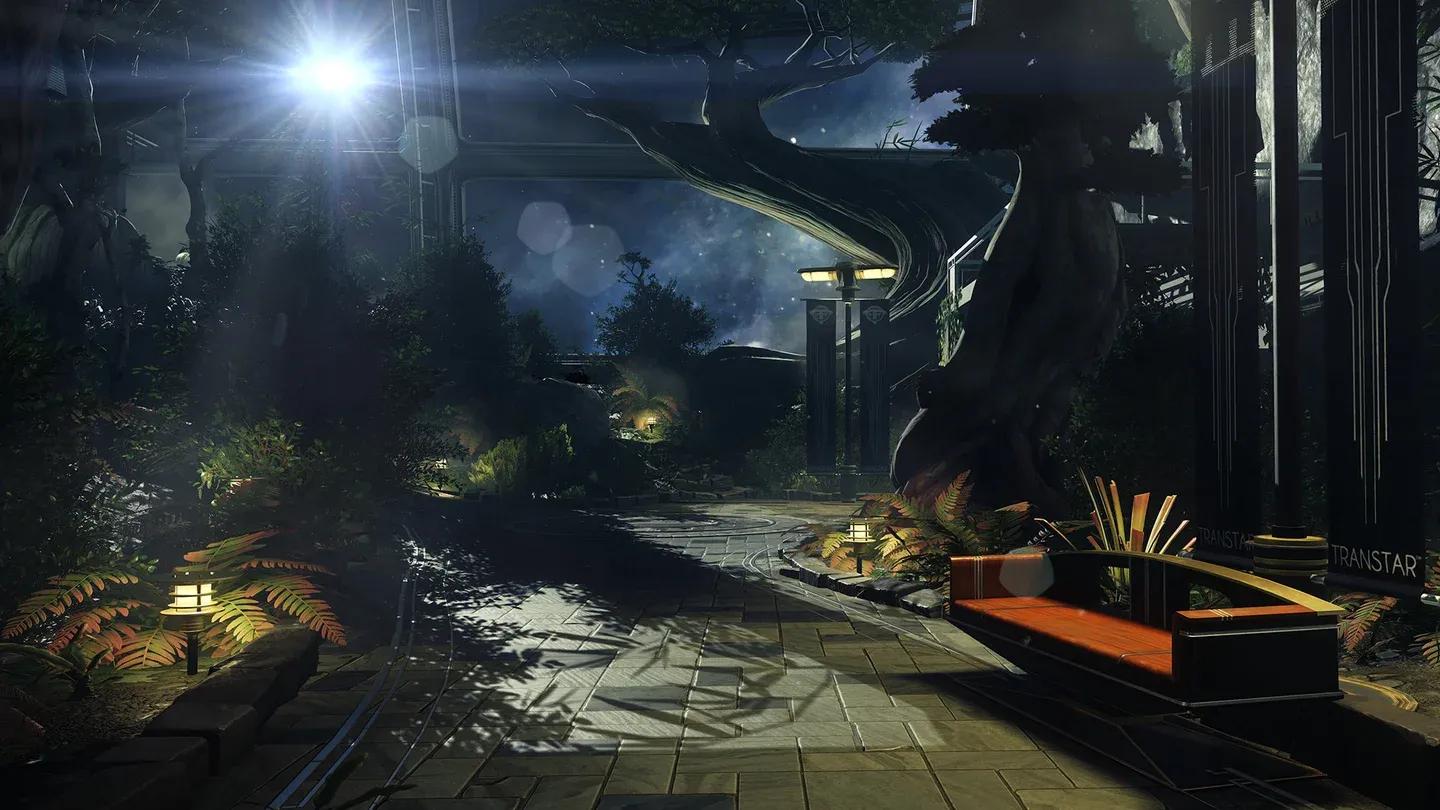
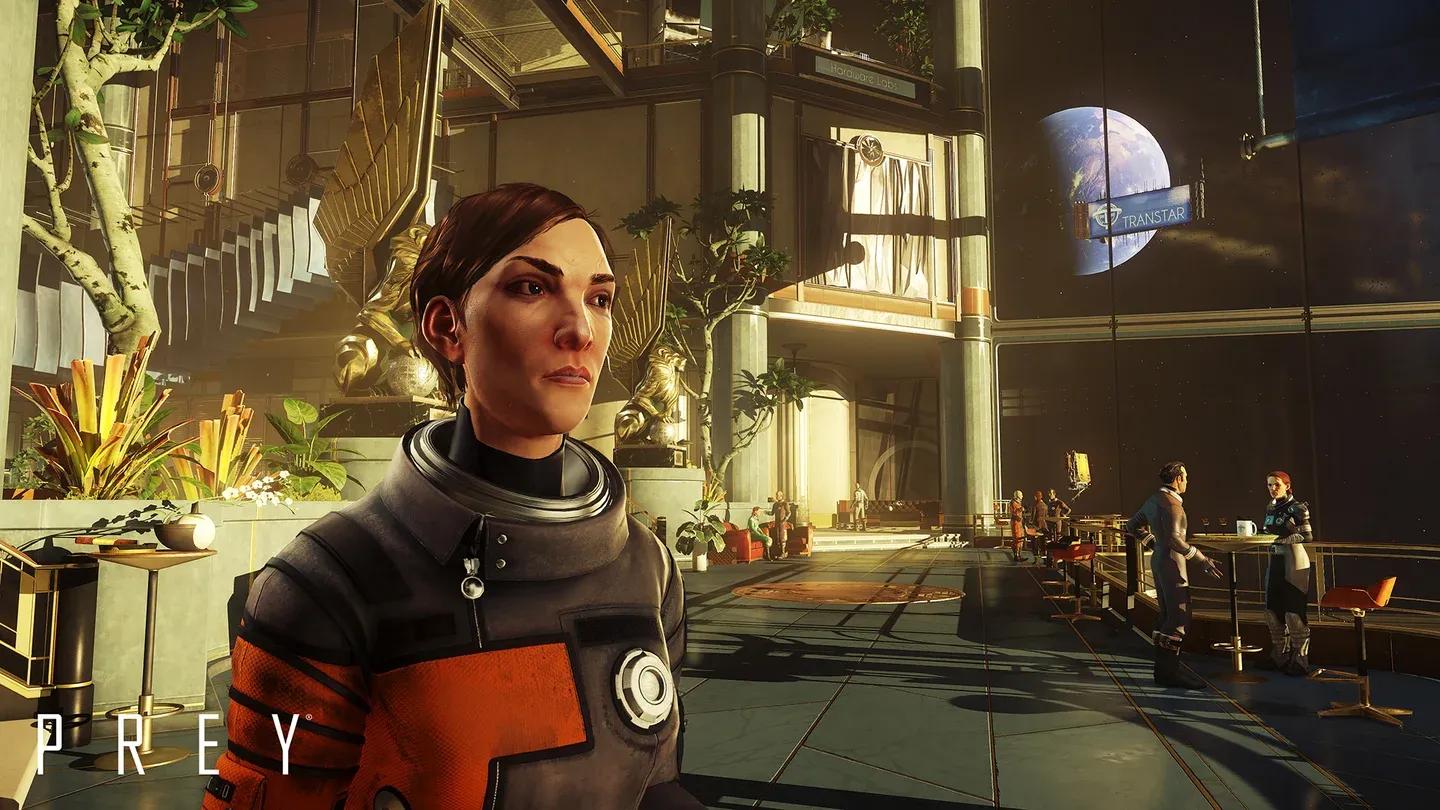
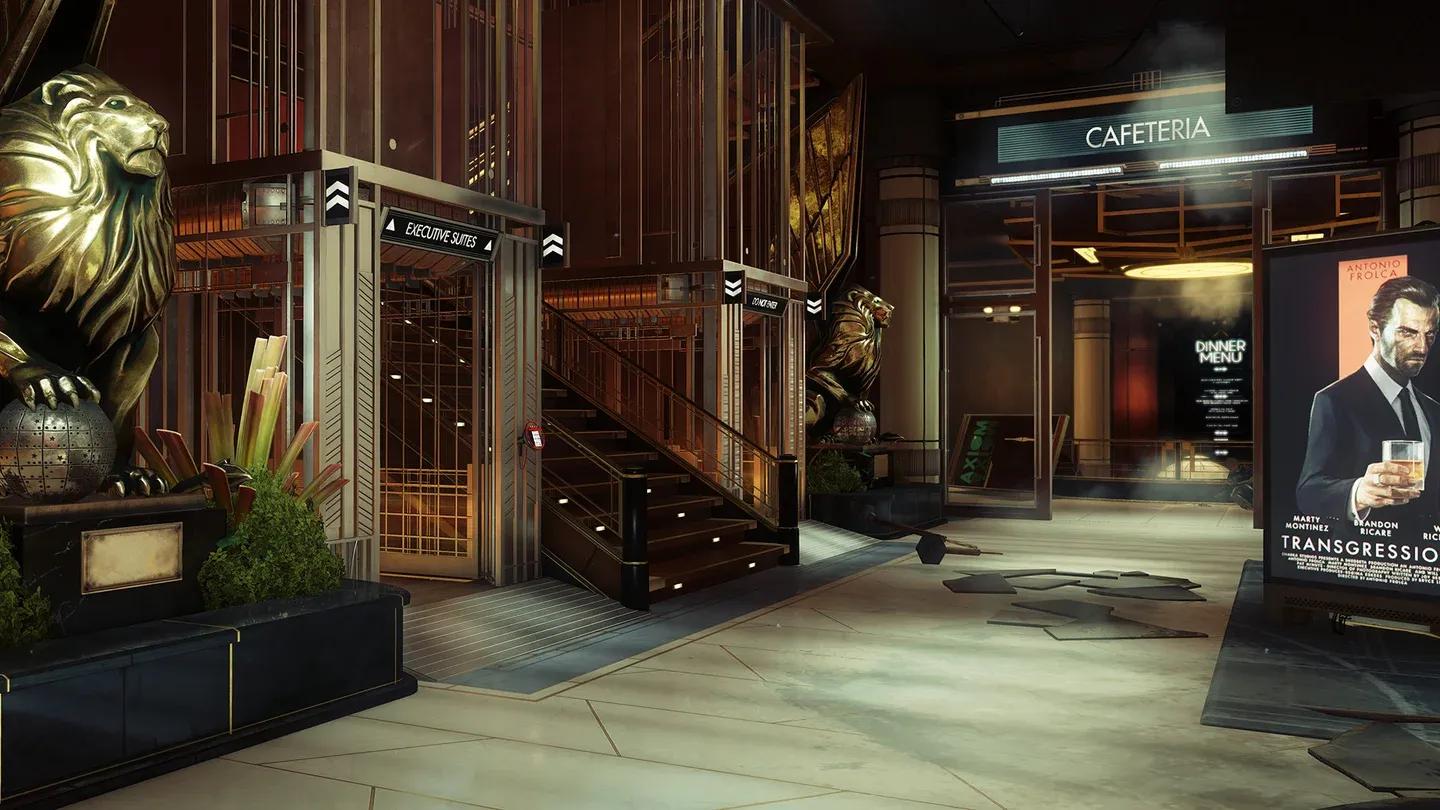
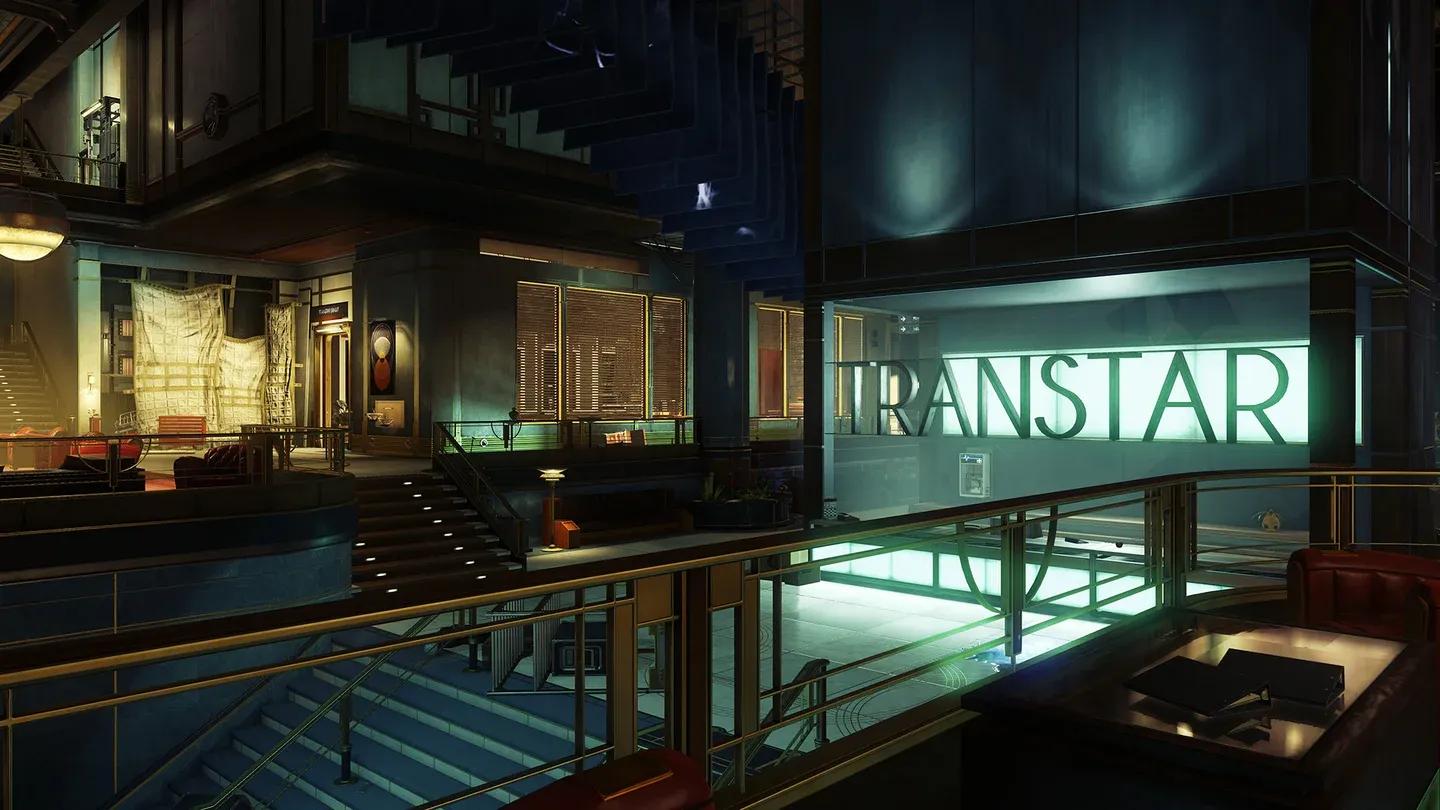
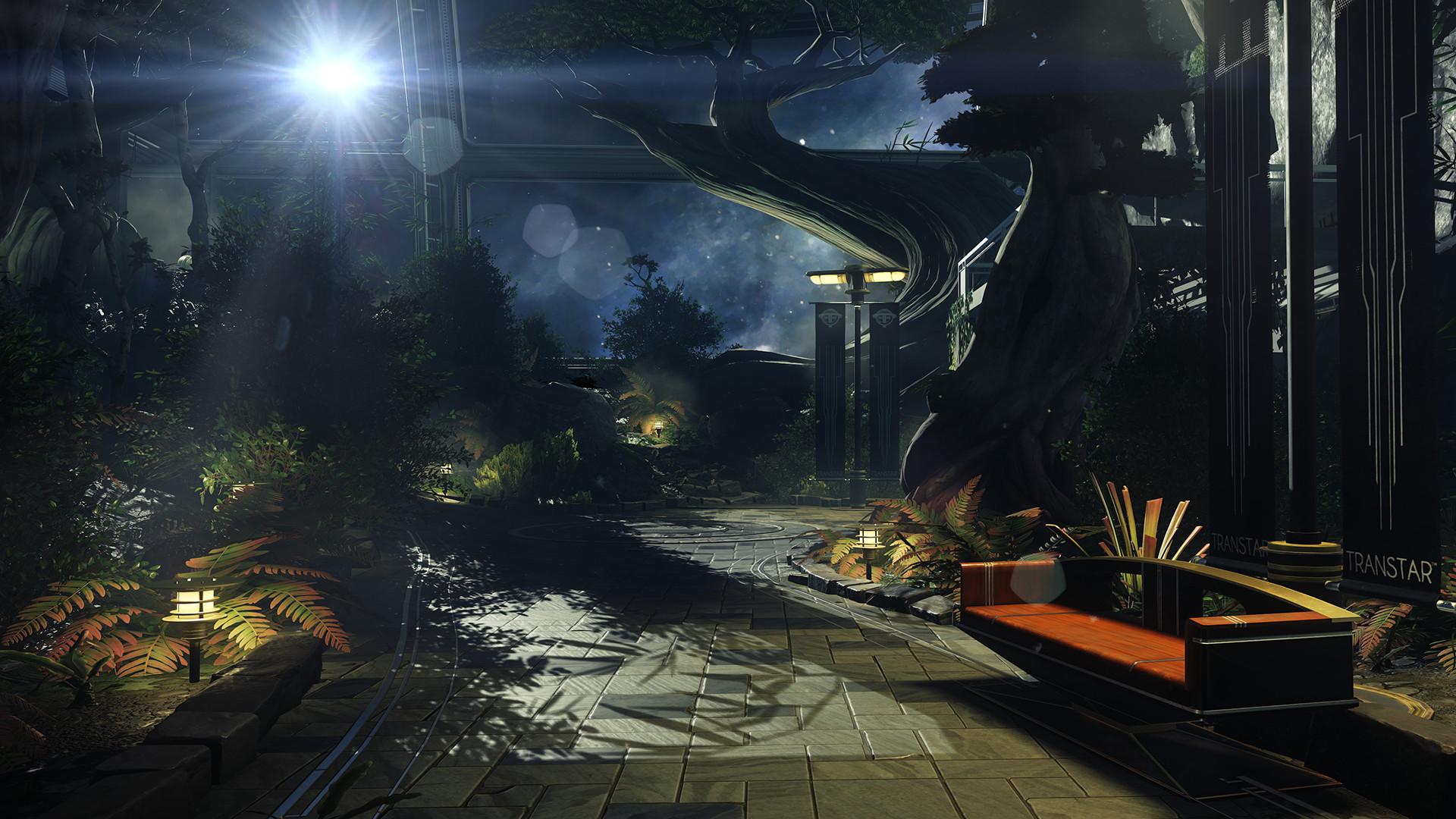
Talos I is designed as a real place. The station has a working day and night cycle, an internal economy, an employee hierarchy, and hundreds of readable emails, notes, and audio logs that reconstruct what life was like before everything went wrong. Arkane's environmental storytelling is operating at full capacity here. Dead crew members have names, histories, and relationships you piece together over the course of the game.
The alternate history framing adds texture without overwhelming the narrative. A Kennedy assassination that failed, a Space Race that accelerated, a corporation that got too far ahead of any regulatory oversight. It explains the retro-futurist art direction, which mixes 1960s optimism with cold corporate brutalism in a way that makes Talos I feel unlike any other game environment.
Content and replayability
A first playthrough of Prey runs roughly 20 to 30 hours depending on how thoroughly you explore. The Mooncrash DLC adds a roguelike survival mode set on a separate lunar base with randomized layouts and multiple playable characters, extending the game significantly with a structure that rewards repeat runs.
Multiple endings tied to your choices and the moral weight of decisions made throughout the station give the main campaign genuine replay value. The game holds up on repeat playthroughs because knowing where things are changes how you approach them, not what the game shows you. Prey rewards mastery in a way that few action RPGs from its era do, and that quality has kept it in regular conversation among fans of the immersive sim genre years after its release.
System Requirements
| Requirement | Minimum | Recommended |
|---|---|---|
| Processor | Intel i5-2400, AMD FX-8320 | Intel i7-2600K, AMD FX-8350 |
| Memory | 8 GB RAM | 16 GB RAM |
| Graphics | GTX 660 2GB, AMD Radeon 7850 2GB | GTX 970 4GB, AMD R9 290 4GB |