
Advertisement

Overview
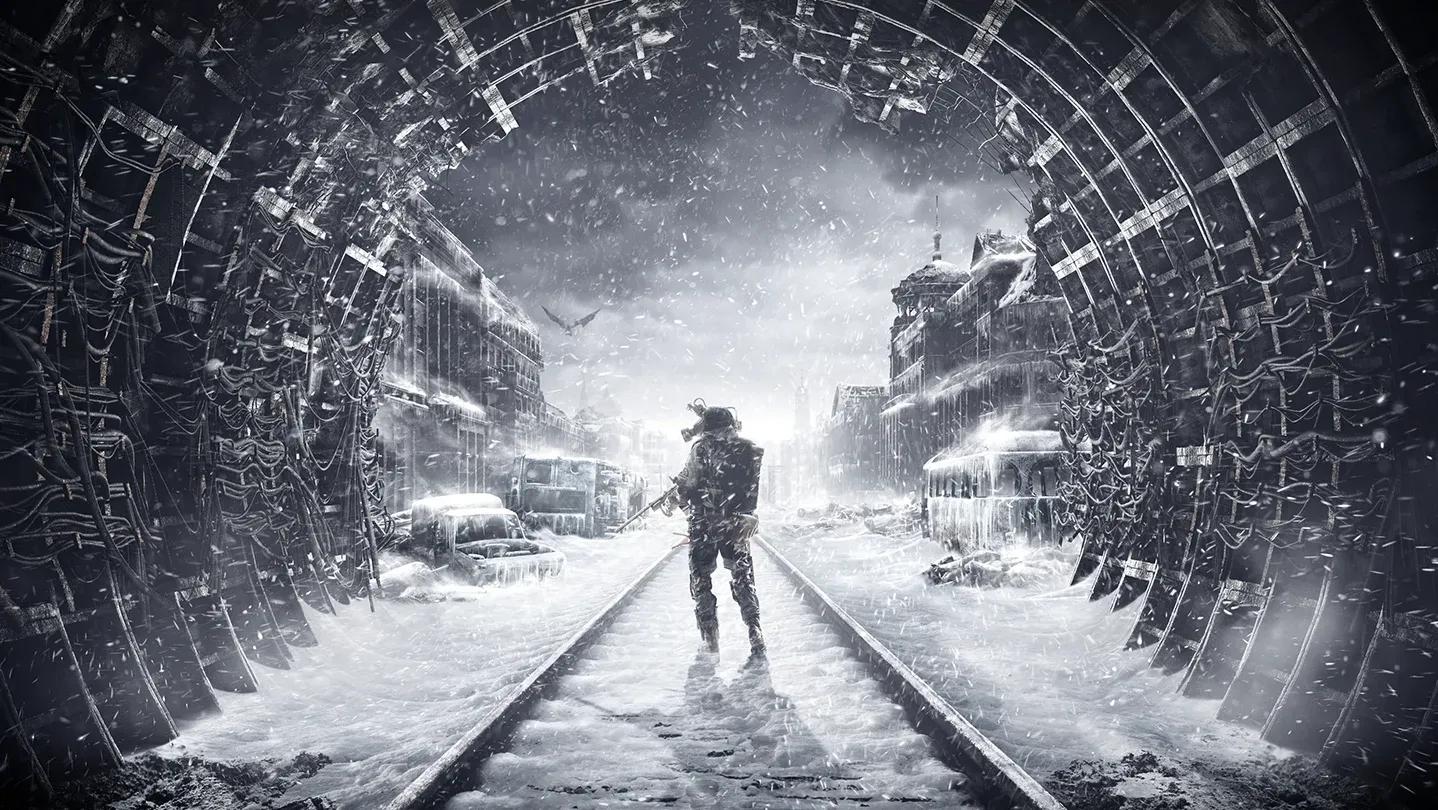
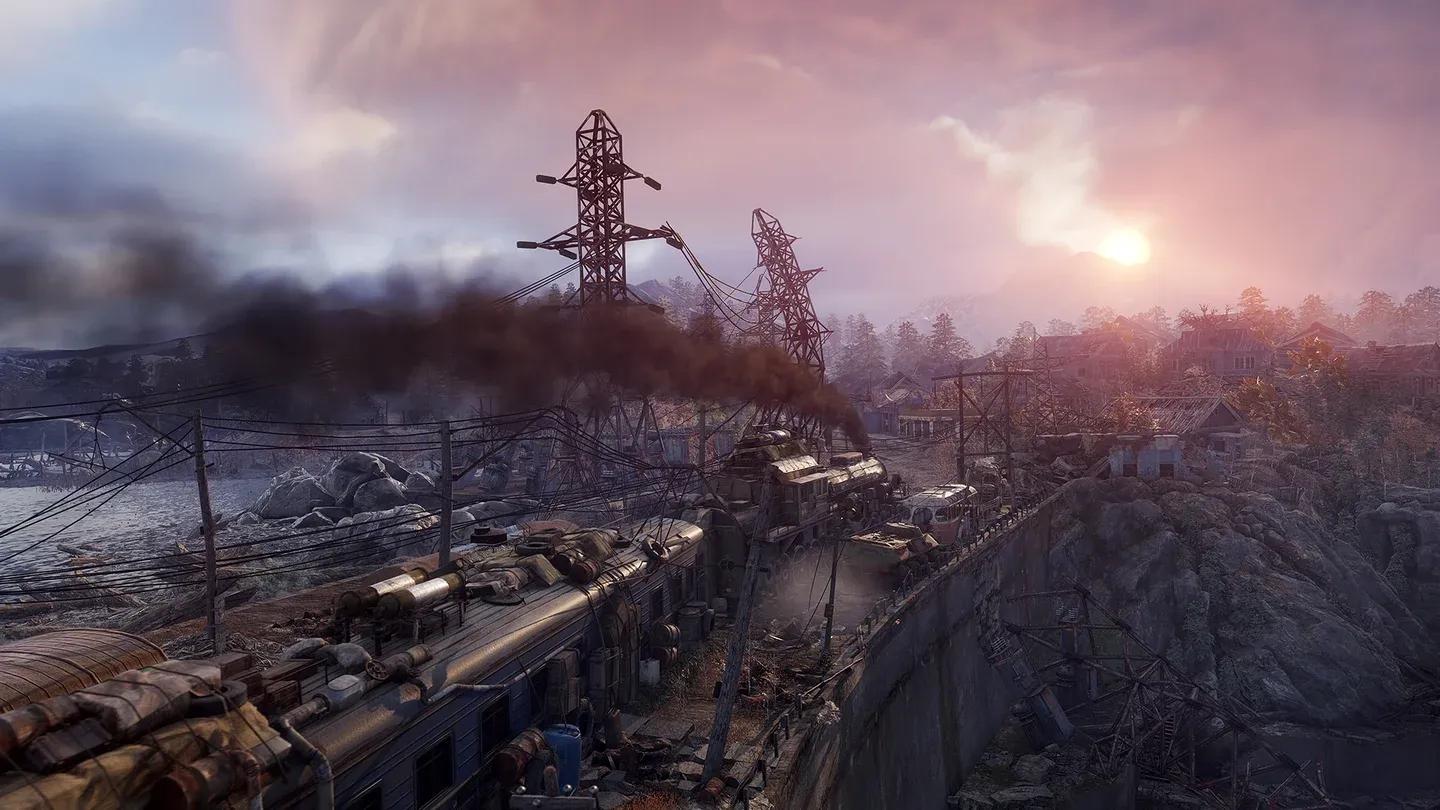
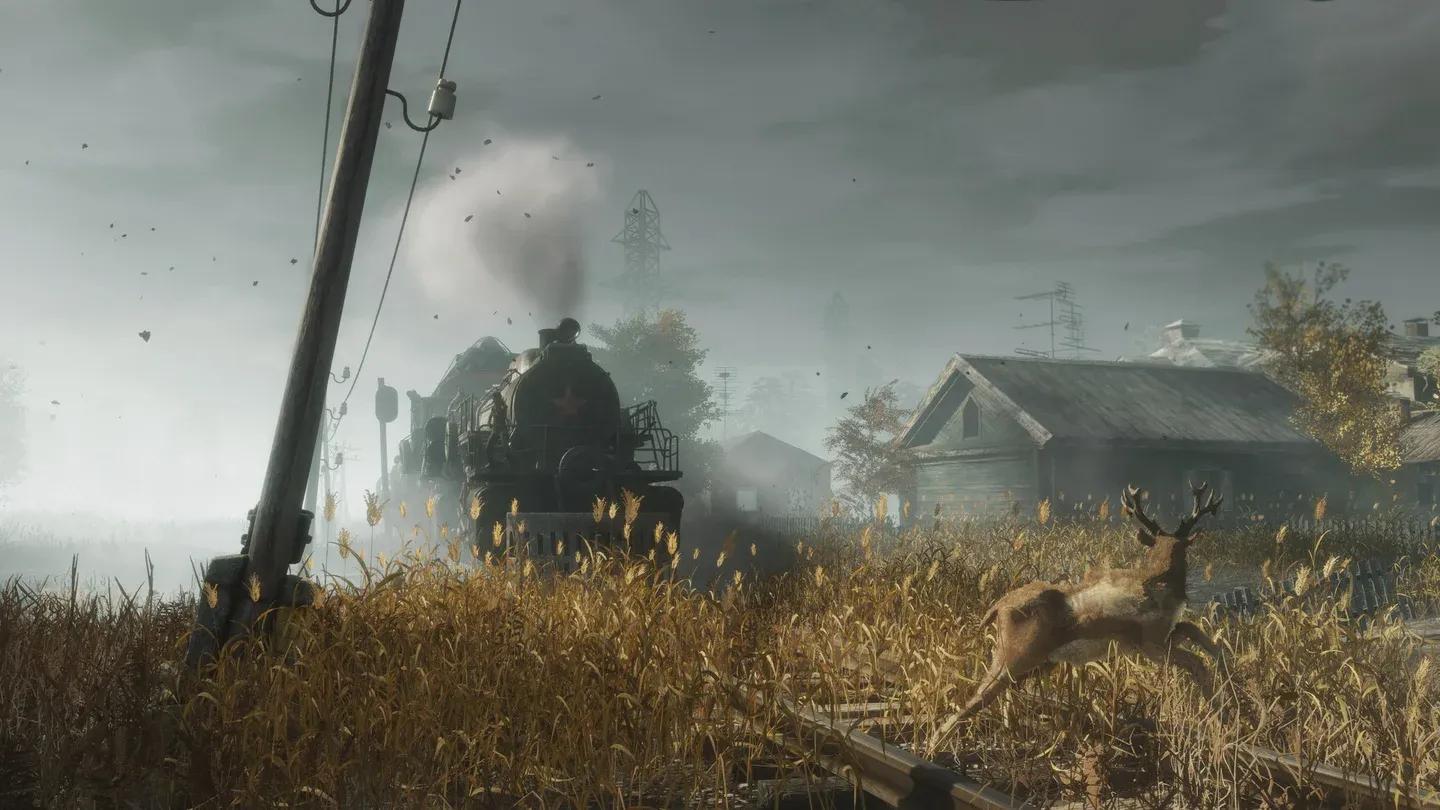
Metro Exodus is a first-person shooter developed by 4A Games and published by Deep Silver, set in the aftermath of a nuclear war that has left Russia in ruins. Players follow Artyom, a Spartan Ranger who abandons the Moscow Metro in 2036 and leads a crew aboard the steam locomotive Aurora on a year-long journey east. The story spans four distinct seasons, spring through nuclear winter, each mapped to a different region of the country with its own environment, threats, and tone.
The game draws from Dmitry Glukhovsky's Metro novel series, and that literary foundation shows. The narrative has weight. Characters on the Aurora feel like actual people with histories, not quest dispensers, and the choices Artyom makes, mostly through actions rather than dialogue menus, shape the ending he reaches.
Metro Exodus content image
Gameplay and mechanics
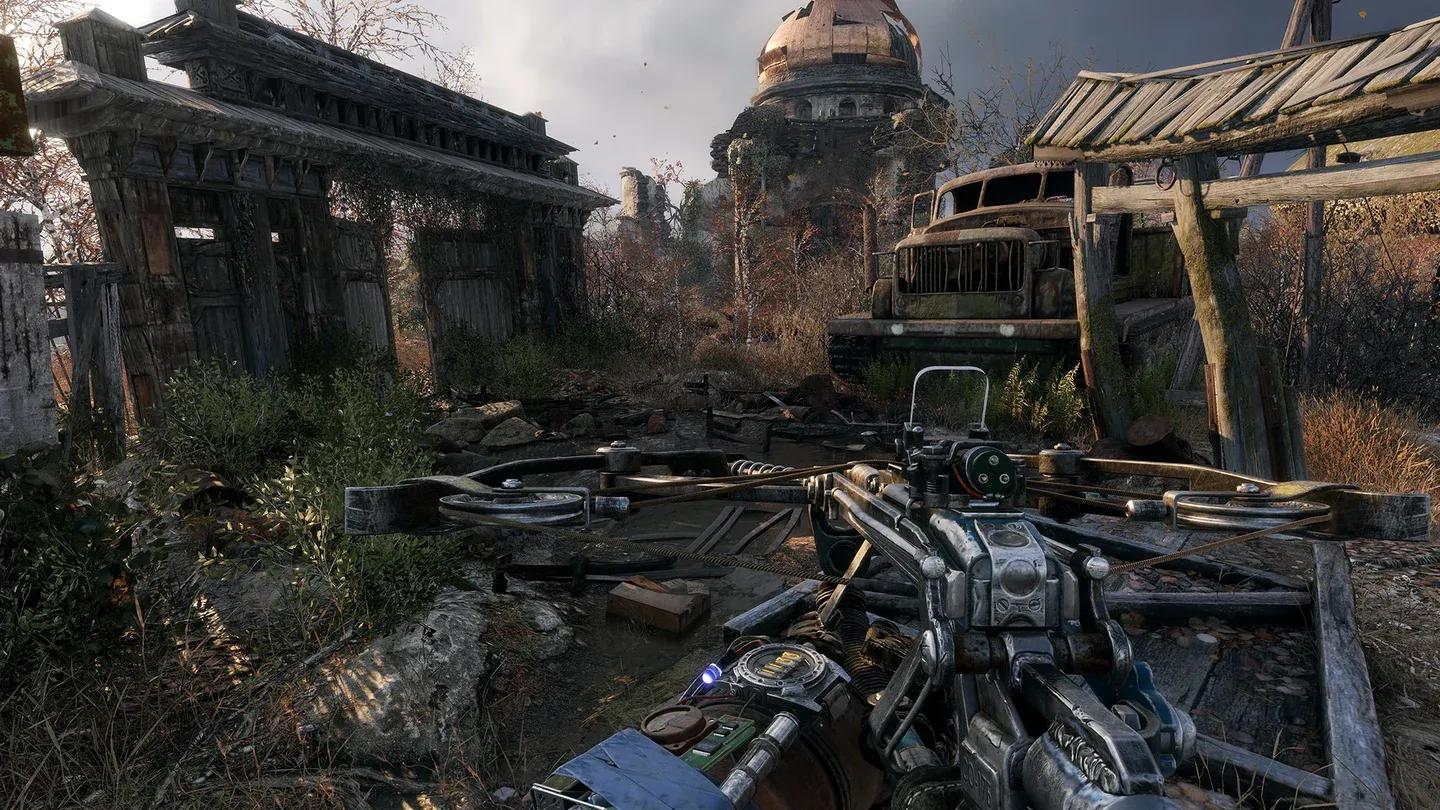
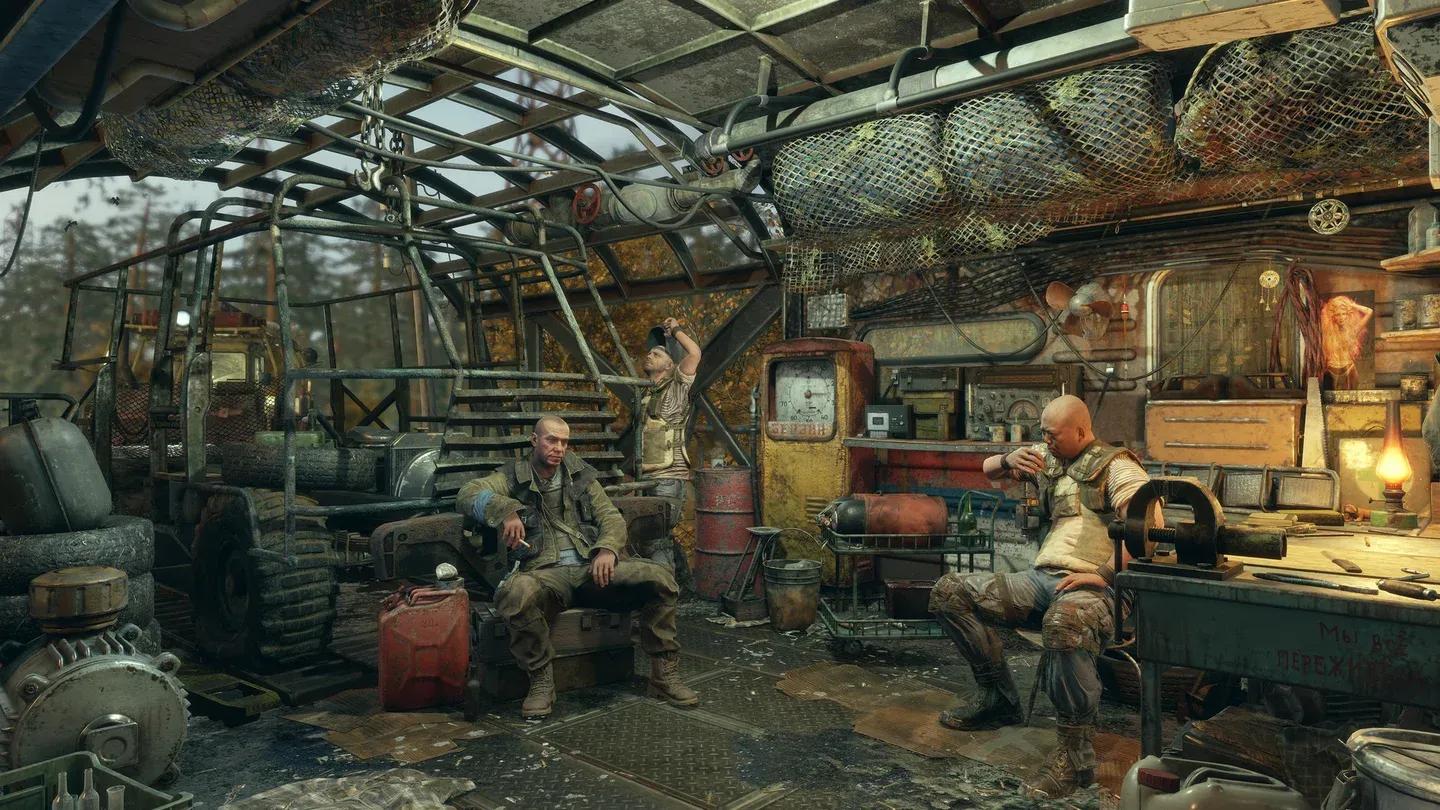
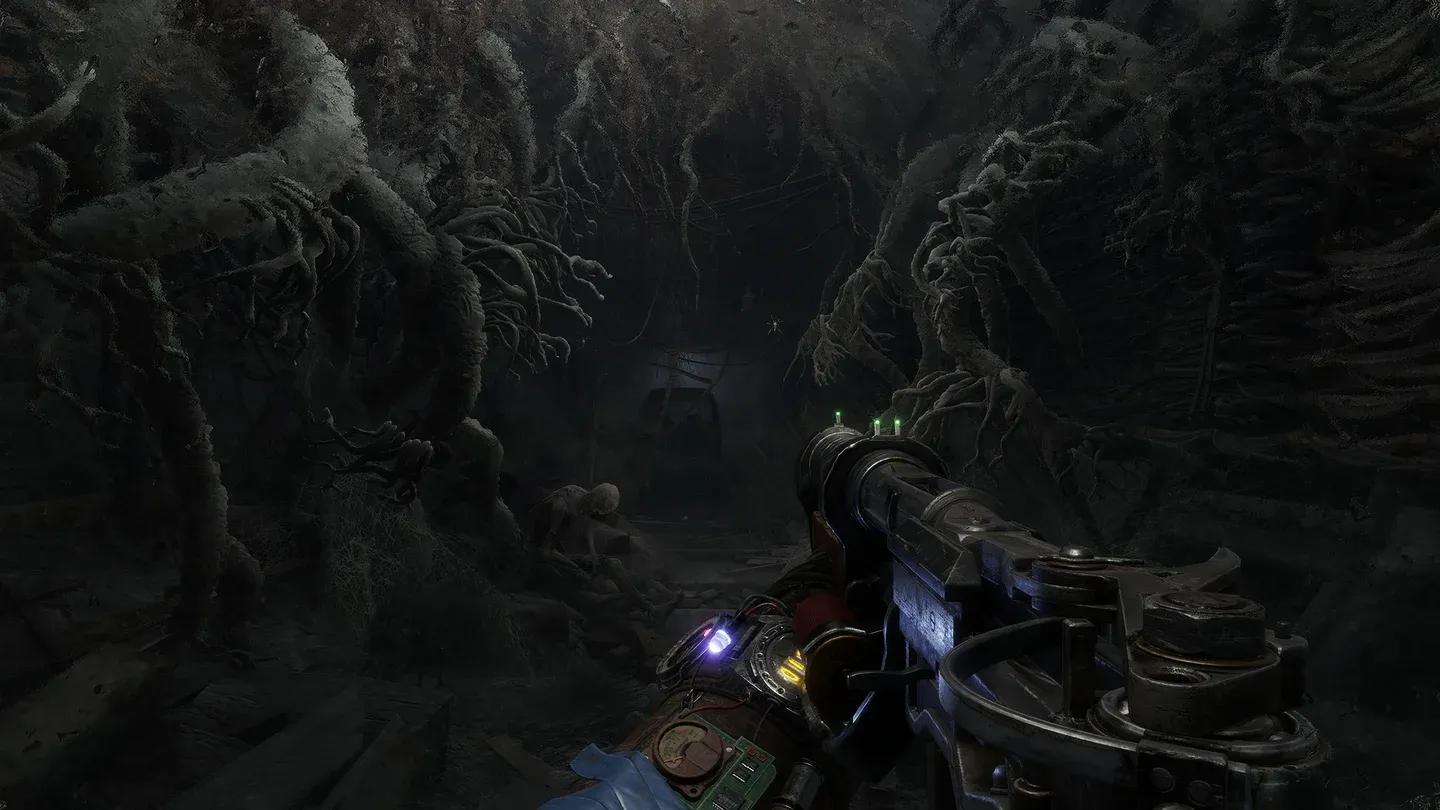
Metro Exodus builds its combat around resource scarcity and improvisation. Ammunition is never plentiful, gas mask filters degrade in toxic zones, and weapons deteriorate without regular maintenance. The crafting system is field-focused: Artyom can upgrade and repair gear at any workbench or using a backpack in the field, which keeps the loop tactile rather than menu-heavy.
Metro Exodus content image
Key mechanics that define the experience:
- Stealth takedowns and distraction tools
- Weapon customization with scavenged parts
- Gas mask management in irradiated zones
- Moral system driven by player behavior
- Day/night cycle that affects enemy patrol patterns
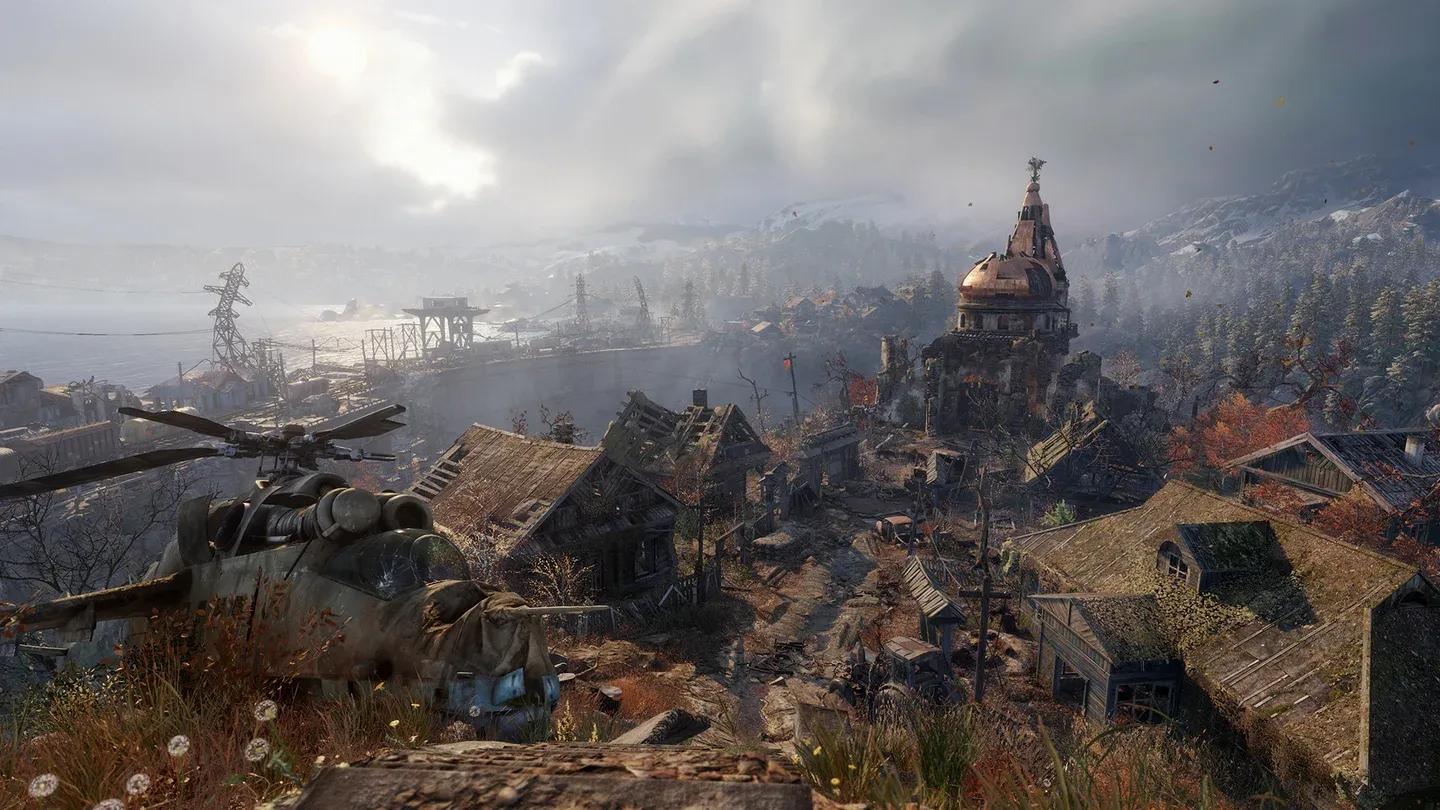
The non-linear level design is a significant departure from the earlier Metro games. Chapters like the Volga and Caspian offer large open areas to explore freely, while others, such as the Taiga, lean toward more directed, story-focused pacing. Neither approach overstays its welcome.
Metro Exodus content image
World and setting
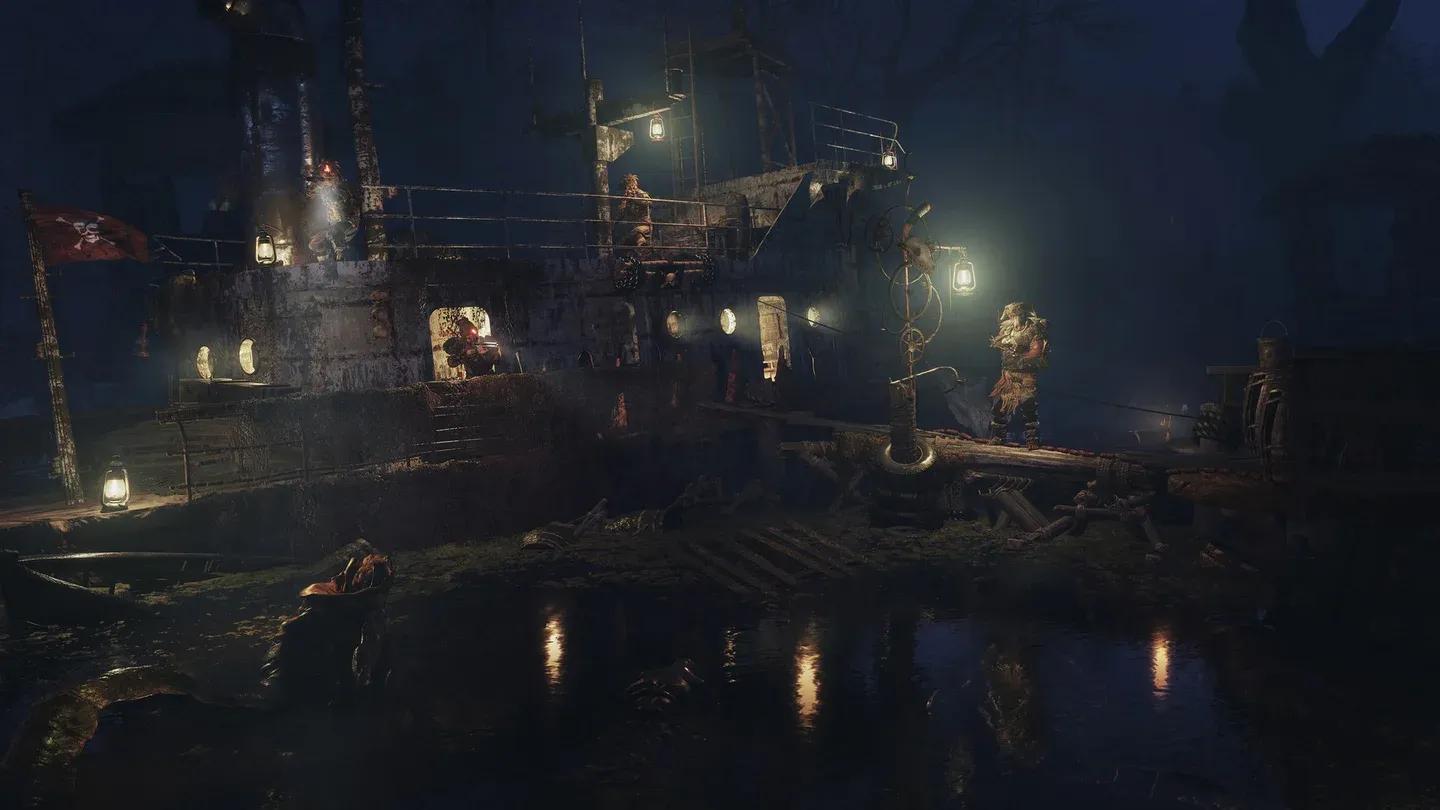
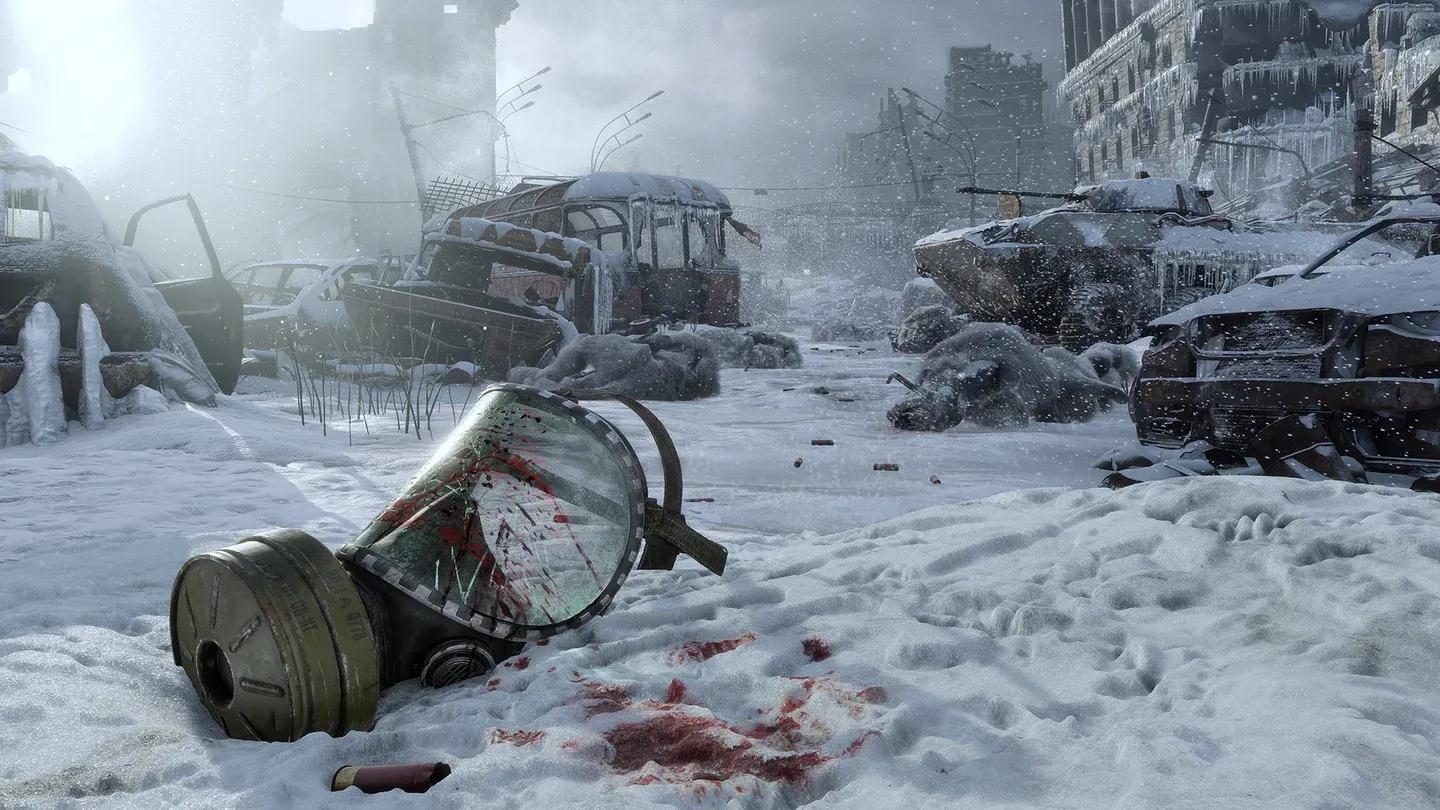
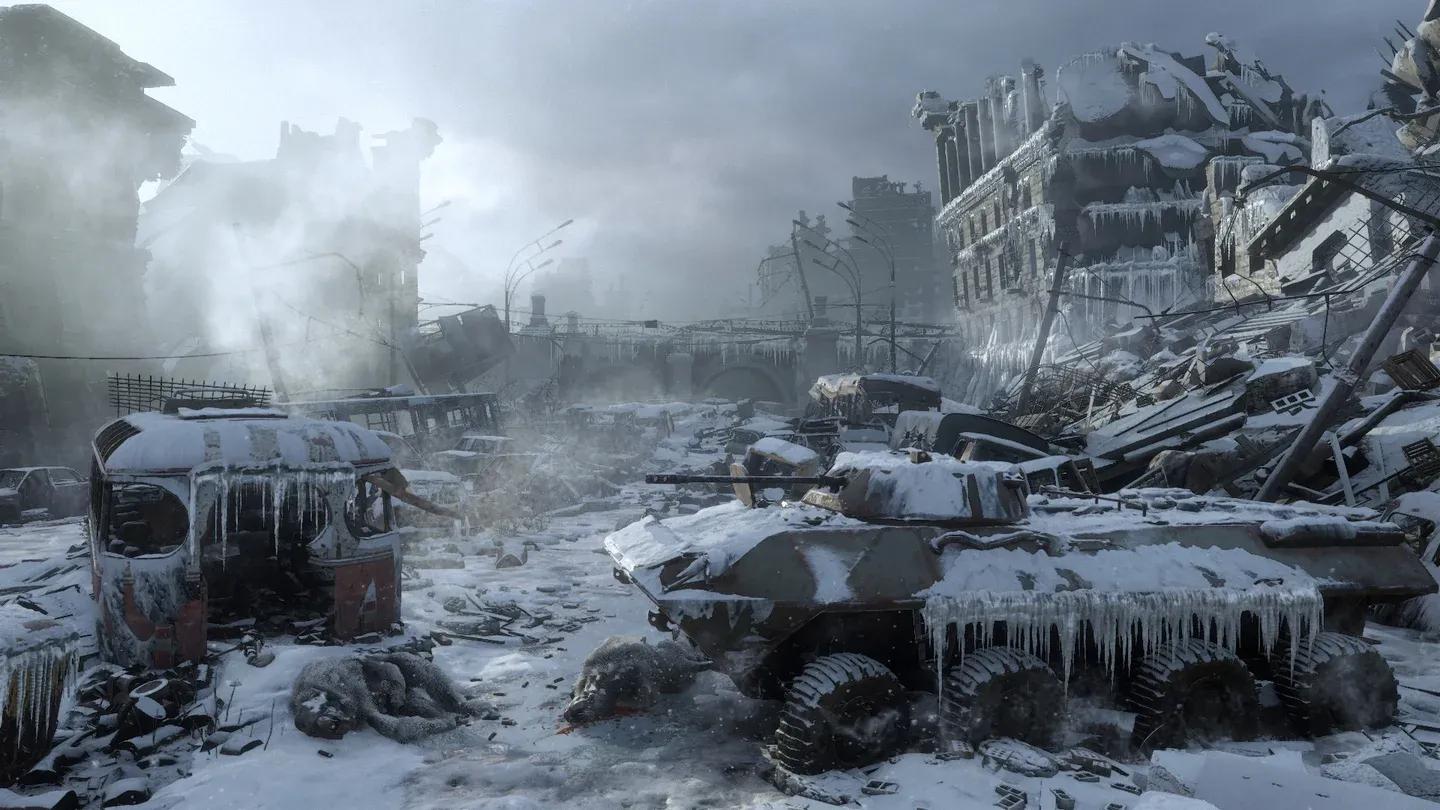
Post-apocalyptic Russia is the game's strongest asset. Each region has a distinct visual identity: frozen rivers and flooded towns in the Volga, sun-bleached desert and slavers in the Caspian, dense forest and cultists in the Taiga, and industrial desolation in the Dead City. The environments feel like places that existed before the war, not just levels built around combat encounters.
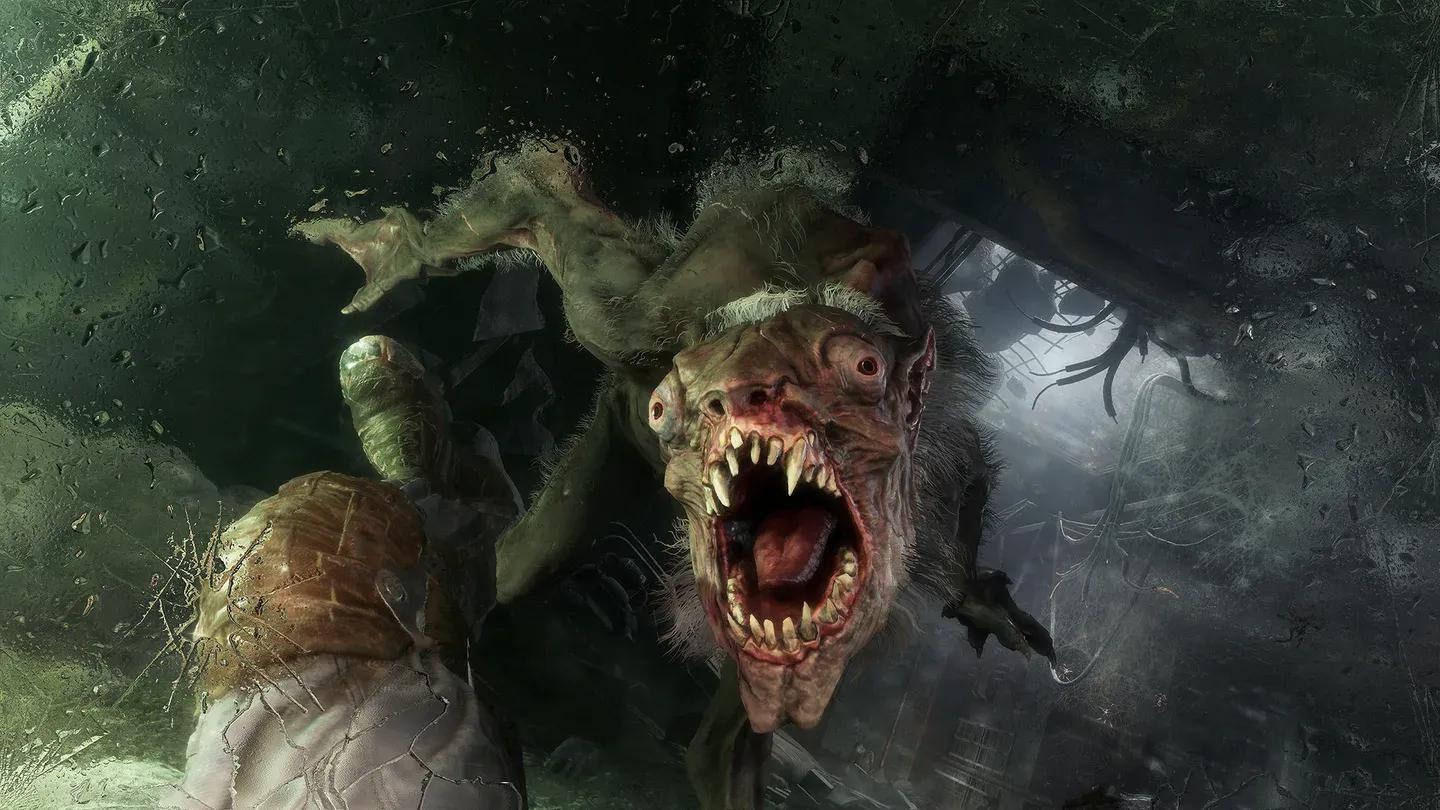
Mutant wildlife and human factions populate each zone differently. The Caspian bandits operate with crude vehicles and overwhelming numbers. The forest children of the Taiga are feral and fast. These distinctions make exploration feel genuinely unpredictable rather than a loop of identical enemy types.
Visual and audio design
The 4A Engine handles Metro Exodus well across platforms, with the PC version supporting ray tracing that meaningfully changes how underground and interior spaces read visually. Lighting is the game's most consistent technical strength, whether it's a flashlight cutting through a dark tunnel or sunlight filtering through irradiated haze.
The audio design matches the visual quality. The Russian-language voice track is worth selecting over the English dub for atmosphere alone. Ambient sounds in each region, wind across the Caspian, creaking ice on the Volga, actually communicate danger and distance in ways that the HUD does not always bother to.
Metro Exodus content image
System Requirements
| Requirement | Minimum | Recommended |
|---|---|---|
| OS | - | Windows 10 |
| Processor | Intel Core i5-4440 or equivalent | Intel Core i7-4770k or equivalent |
| Memory | 8 GB RAM | 8 GB RAM |
| Graphics | GeForce GTX 670 / GeForce GTX 1050 / AMD Radeon HD 7870 | GeForce GTX 1070 / GeForce RTX 2060 / AMD RX VEGA 56 |
| DirectX | Version 11 | Version 12 |
| Storage | 59 GB available space | 59 GB available space |
Content and replayability
The base game runs roughly 15 to 20 hours depending on exploration depth. Two story DLC chapters, The Two Colonels and Sam's Story, extend the experience meaningfully. The Two Colonels is a tightly linear throwback to the original Metro tunnel atmosphere, while Sam's Story opens up a new sandbox region with its own protagonist. Both are included in the Metro Exodus Complete Edition, which represents the most complete version of the game available. With multiple endings tied to player behavior throughout the campaign, a second playthrough reveals how many small decisions carry more consequence than they first appeared.