Advertisement


Overview
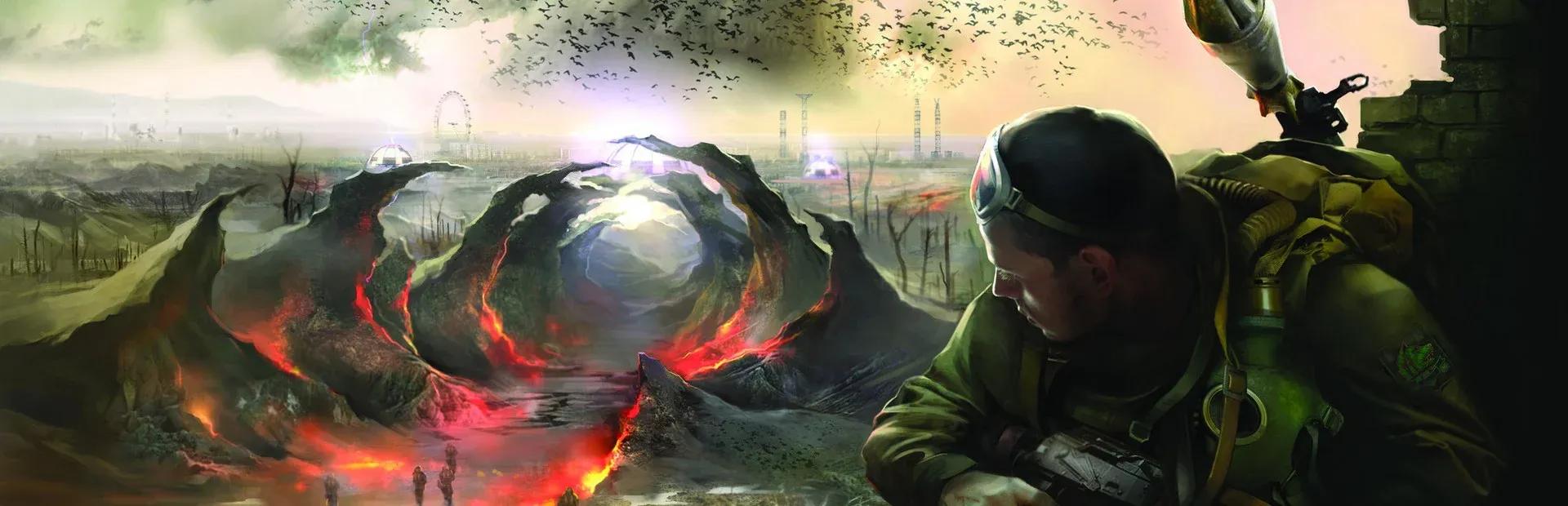
S.T.A.L.K.E.R.: Clear Sky, developed by GSC Game World and released in 2008, is a prequel to Shadow of Chernobyl that repositions the player not as the mysterious Strelok, but as a stalker who crosses paths with Strelok's squad and witnesses the events that shaped the original game's central mystery. The setting is 2011, five years after the Second Disaster that dwarfed the 1986 Chernobyl catastrophe, and the Zone is in a state of violent flux. Frequent blowouts tear anomaly fields apart and open new routes into previously unreachable locations, making the world feel genuinely unstable rather than static.
The narrative structure is one of Clear Sky's most interesting choices. Rather than playing the legend, you're watching him from the outside. Strelok and his squad move through the Zone on their third and most successful run toward the center, and piecing together what they're doing and why gives the story a different texture than most shooters manage. The Zone itself carries the weight of the setting, with pitch-black nights, radiation-soaked corridors, and monsters lurking in the fog giving every excursion a genuine sense of risk.
Gameplay and mechanics
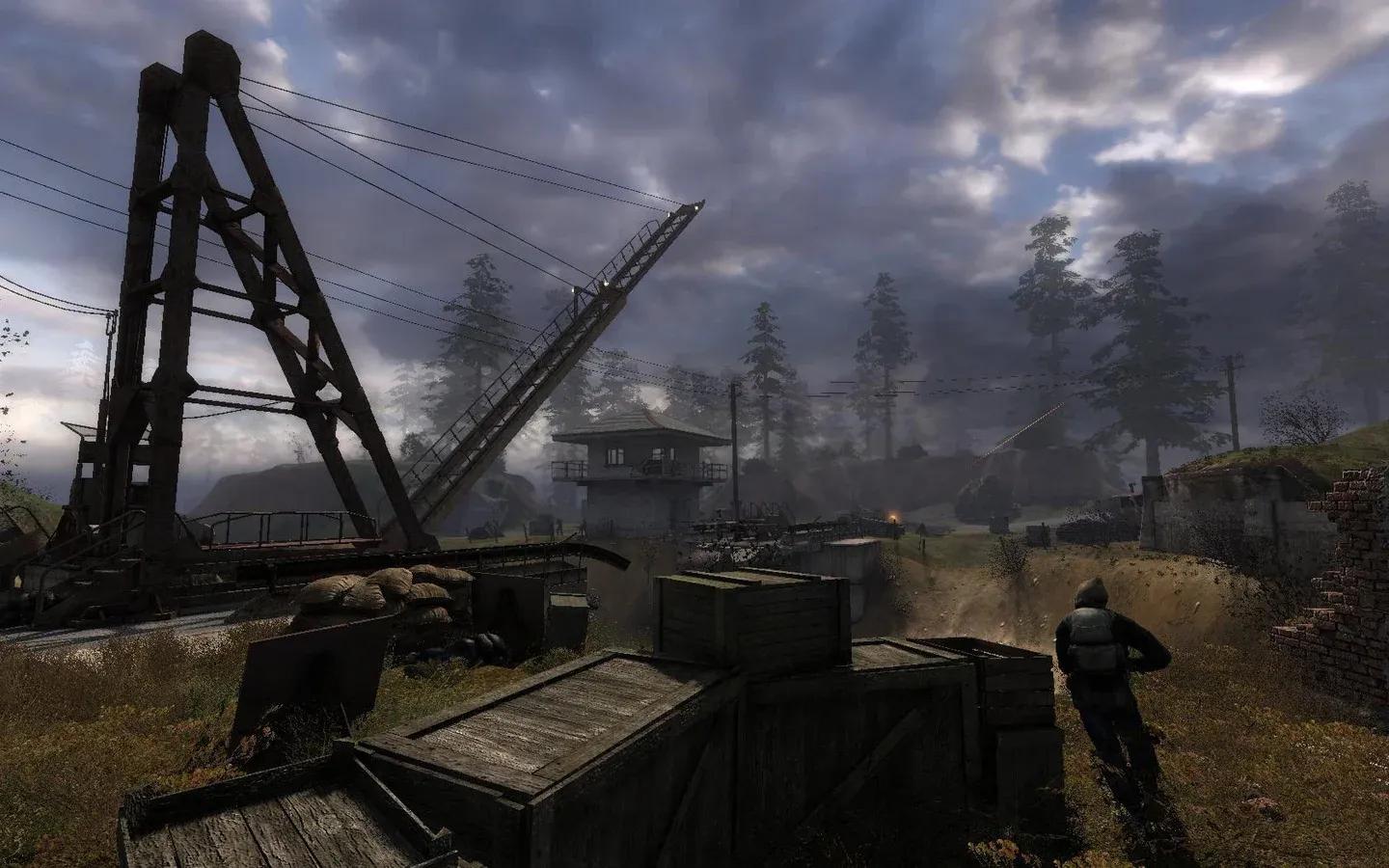
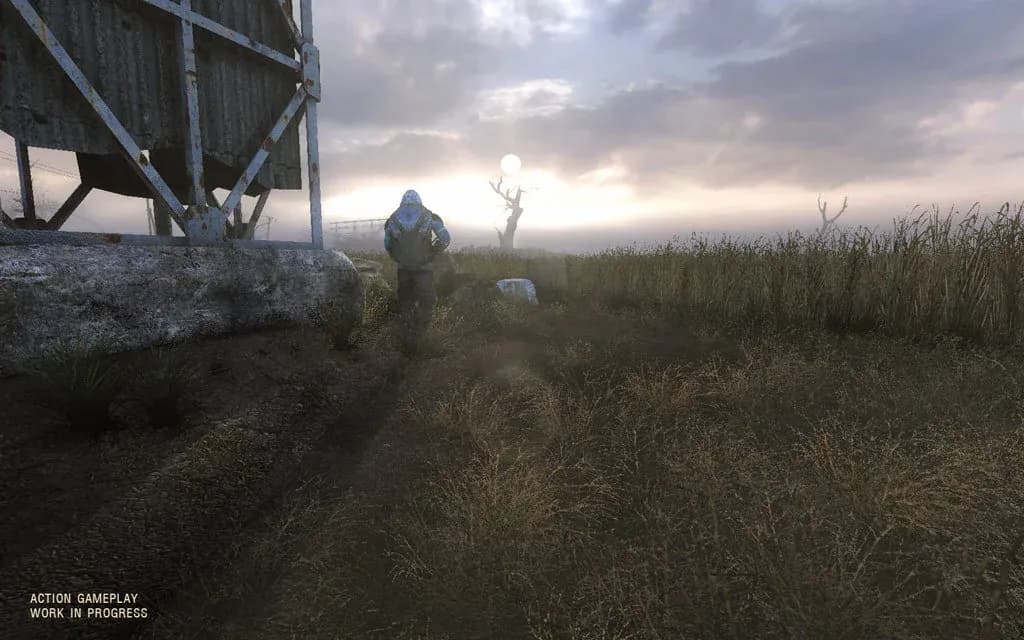
Clear Sky builds on the foundation of Shadow of Chernobyl while introducing a more structured faction system that sits at the core of the experience. Players can align with any of the major stalker factions fighting over new territories opened by the blowouts, and faction standing affects available missions, gear, and alliances throughout the game.
S.T.A.L.K.E.R.: Clear Sky content image
Key gameplay mechanics include:
- Faction warfare with territory control
- Artifact hunting across shifting anomaly fields
- Weapon and armor upgrade systems
- Blowout survival requiring real-time shelter decisions
- Radiation and health management
The upgrade system for weapons and armor received significant expansion compared to the original game, letting players customize loadouts with a depth that makes scavenging feel purposeful. Finding a better rifle matters less when you can turn a battered AK into something genuinely dangerous.
S.T.A.L.K.E.R.: Clear Sky content image
What makes the Zone feel alive?
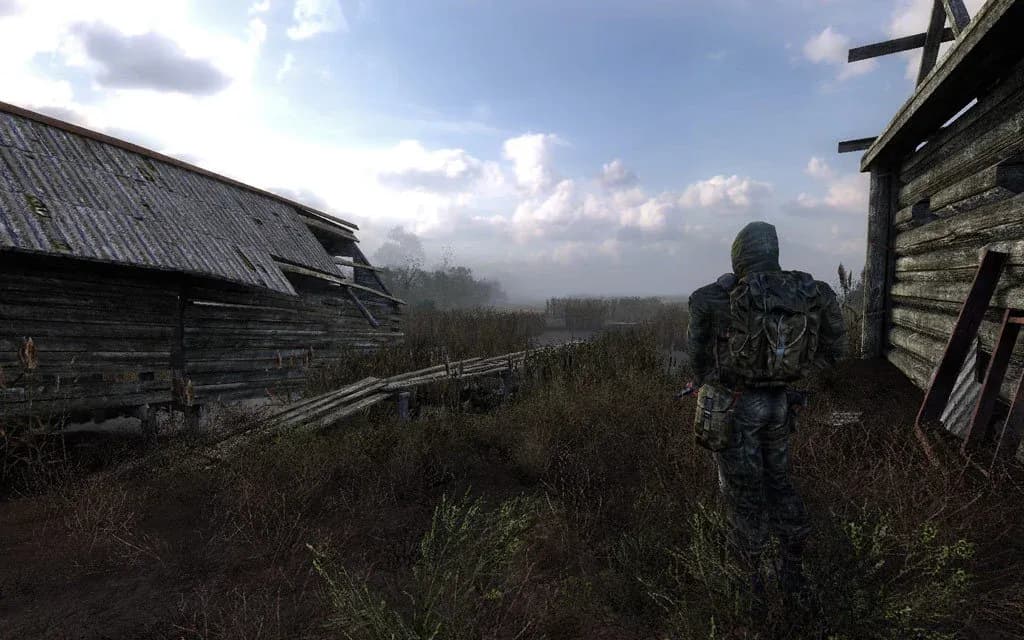
The Zone's dynamic ecosystem is what separates the S.T.A.L.K.E.R. series from standard open-world shooters, and Clear Sky leans into that fully. Anomaly fields shift after blowouts, meaning routes that were safe on the last run can become death traps. Artifacts, which grant useful stat bonuses but emit radiation, spawn in these anomaly clusters and require players to weigh risk against reward every time they venture into one.
Monsters operate on their own schedules, migrating across the map and occasionally clashing with stalker groups without any player involvement. Walking into the aftermath of a firefight between bandits and a pack of pseudodogs, with bodies scattered and loot still warm, is the kind of emergent storytelling the game produces without scripting a single moment of it.
S.T.A.L.K.E.R.: Clear Sky content image
World and setting
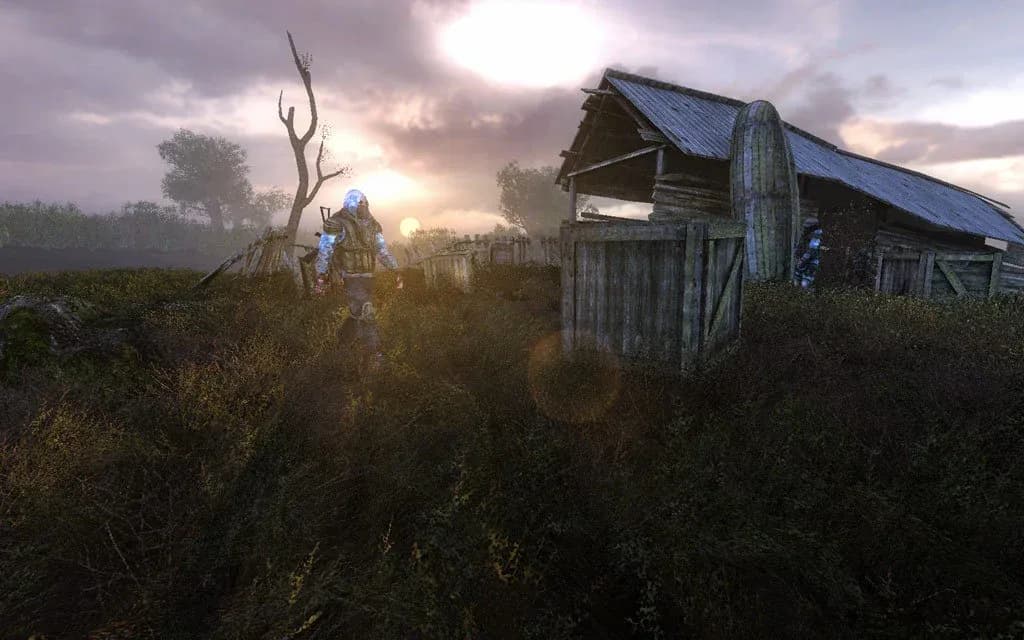
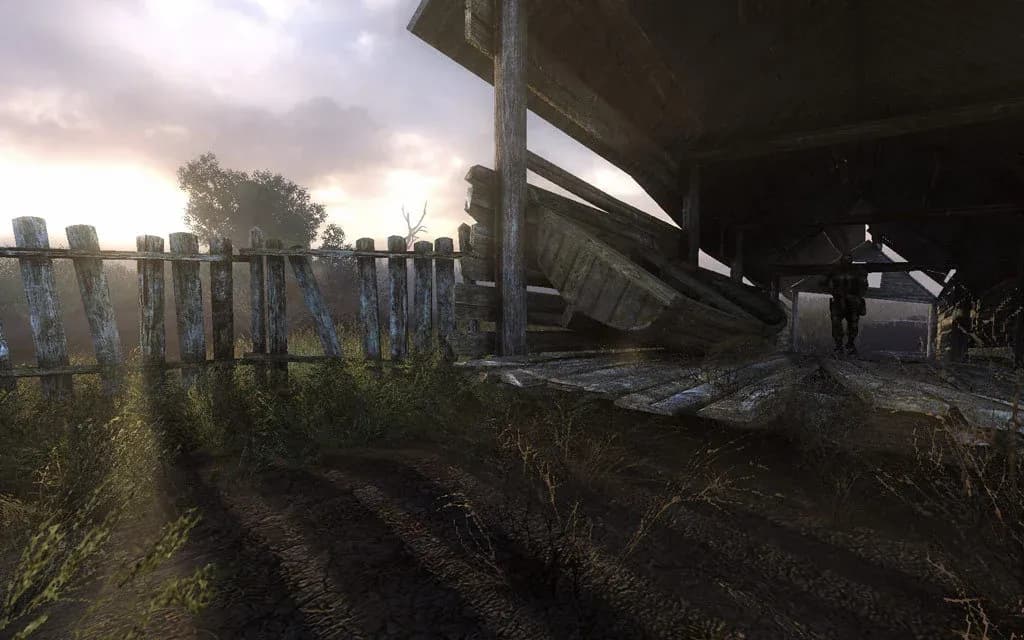
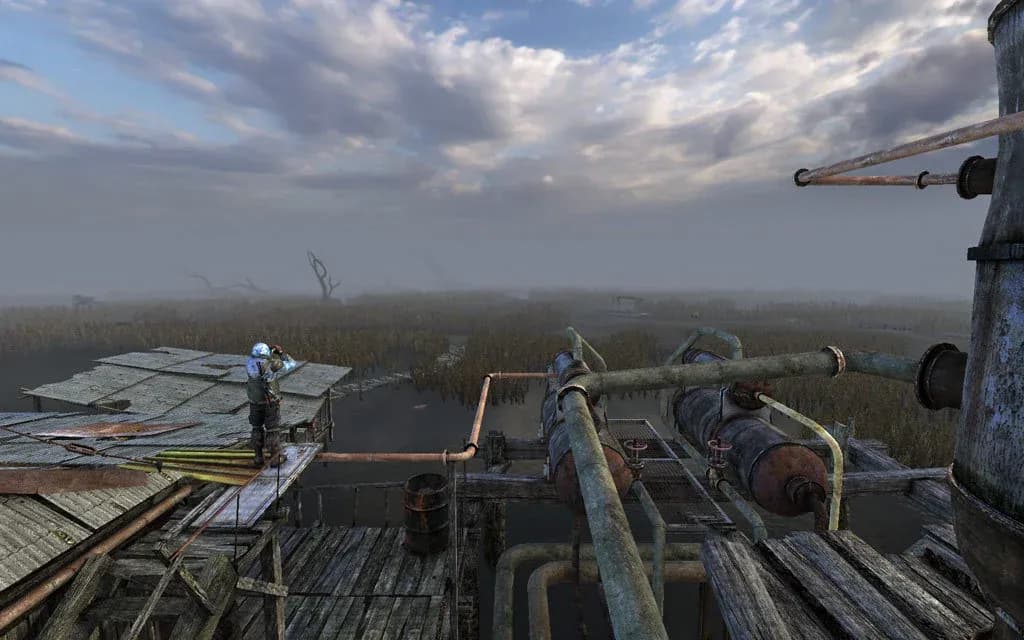
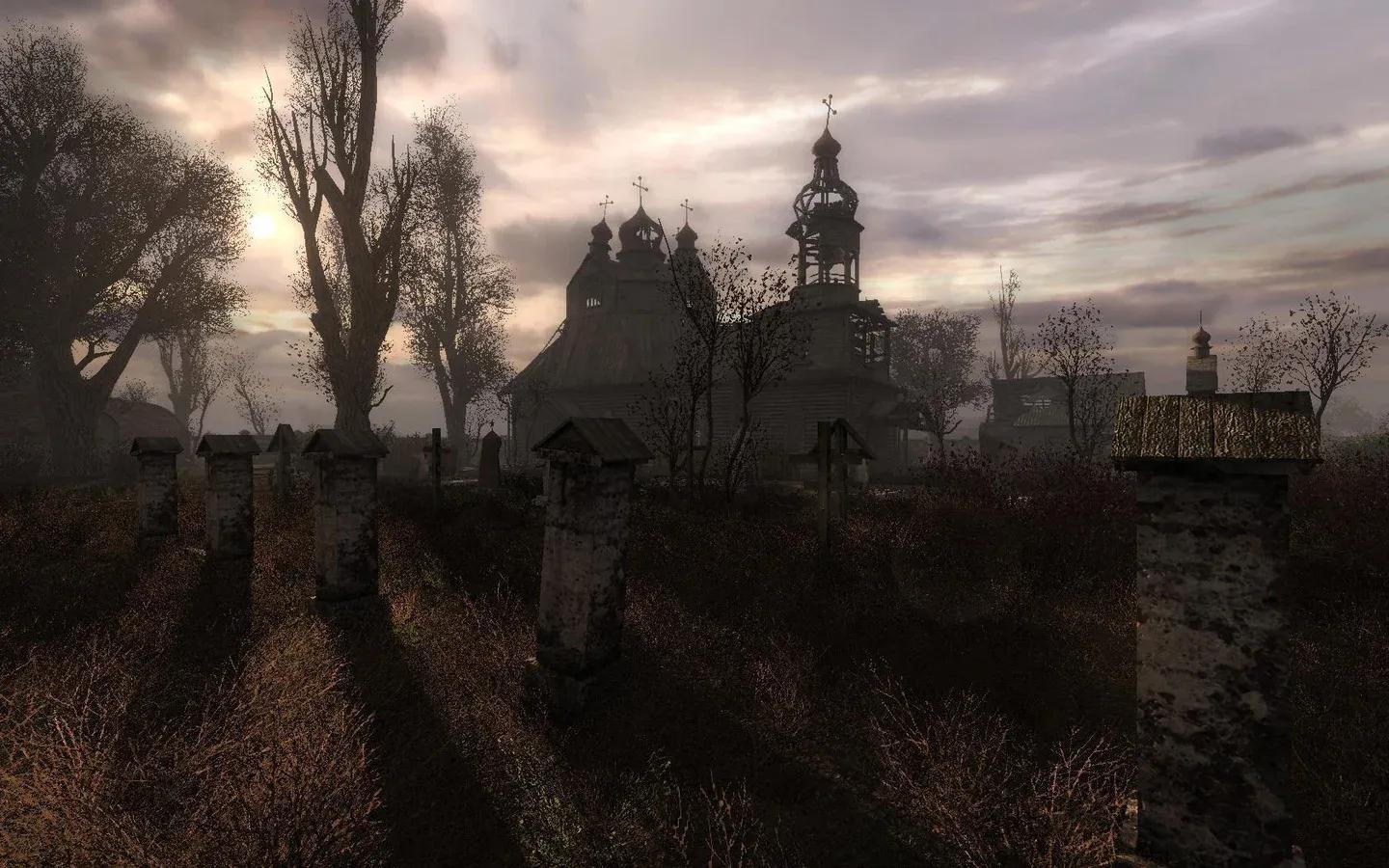
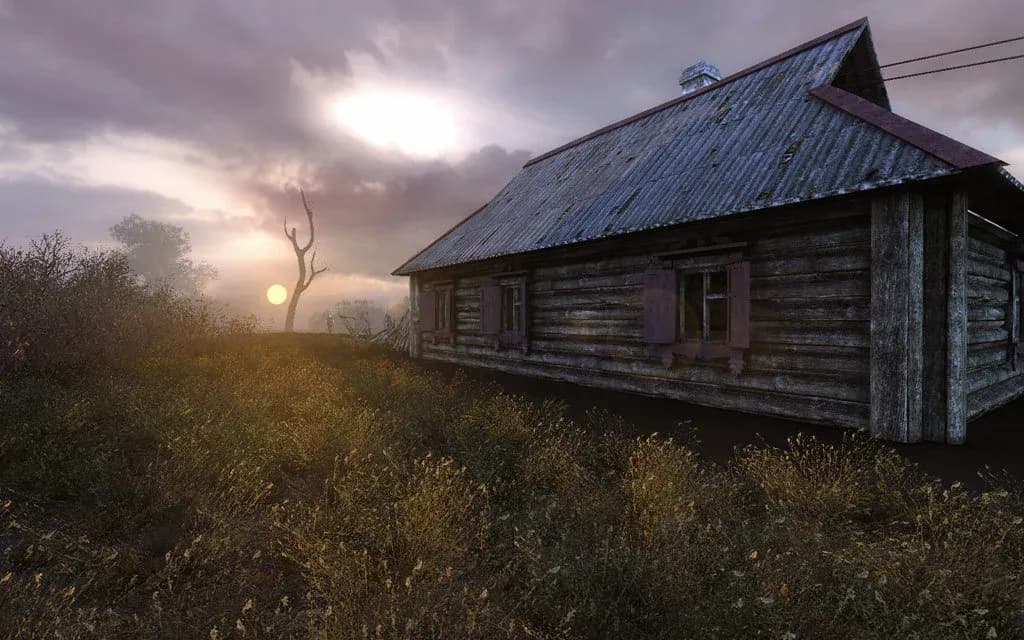
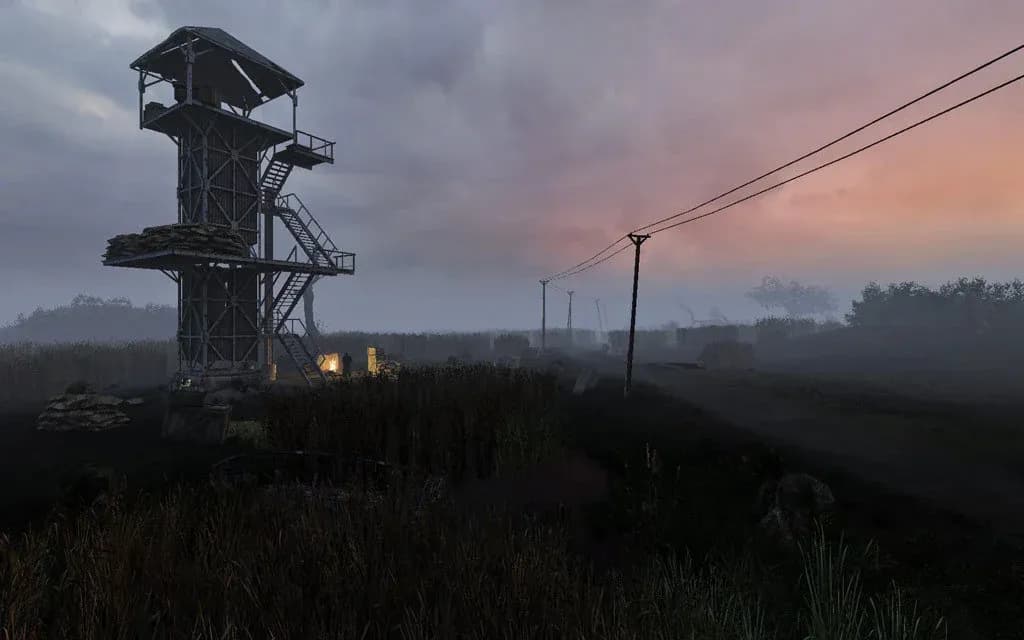
Clear Sky introduces several locations not seen in Shadow of Chernobyl, including the Swamps, which serve as the game's opening area and establish the bleak, waterlogged atmosphere the Zone does so well. The art direction leans hard into decay and overgrowth, with Soviet-era infrastructure reclaimed by nature and corrupted by radiation into something that feels genuinely alien.
The audio design reinforces the isolation. Distant gunfire, the low hum of anomalies, and the warning sirens that signal an incoming blowout all communicate information while building dread. The Zone never feels safe, and the sound design is a large part of why.
S.T.A.L.K.E.R.: Clear Sky content image