Advertisement

Overview
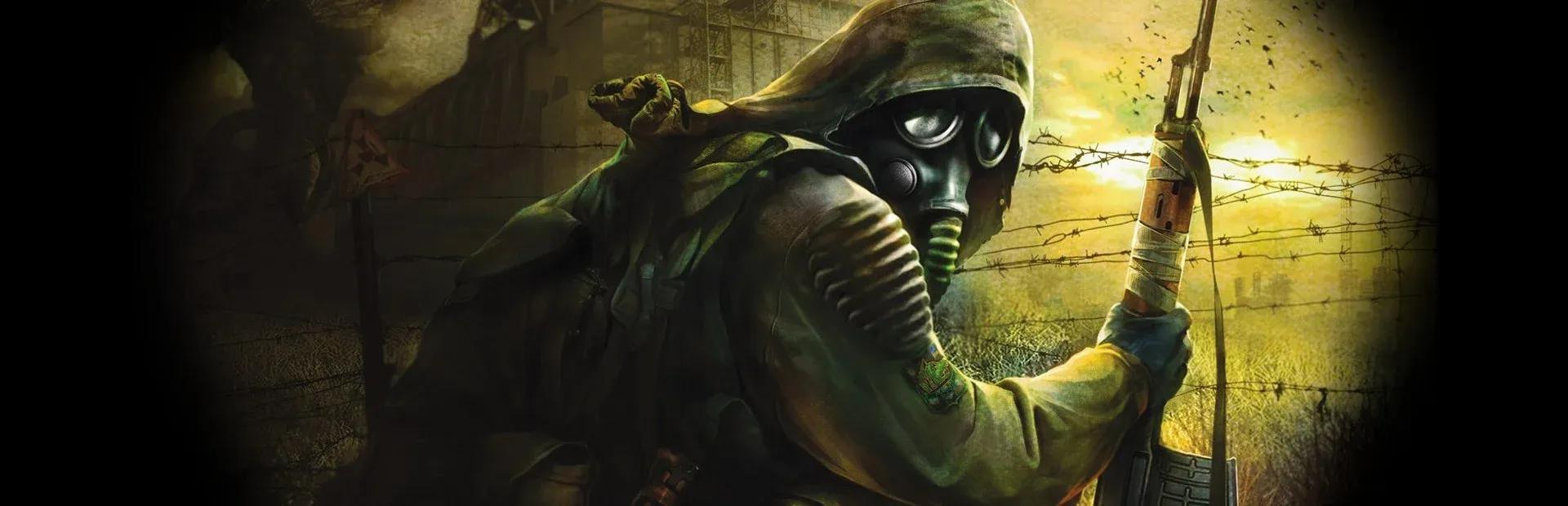
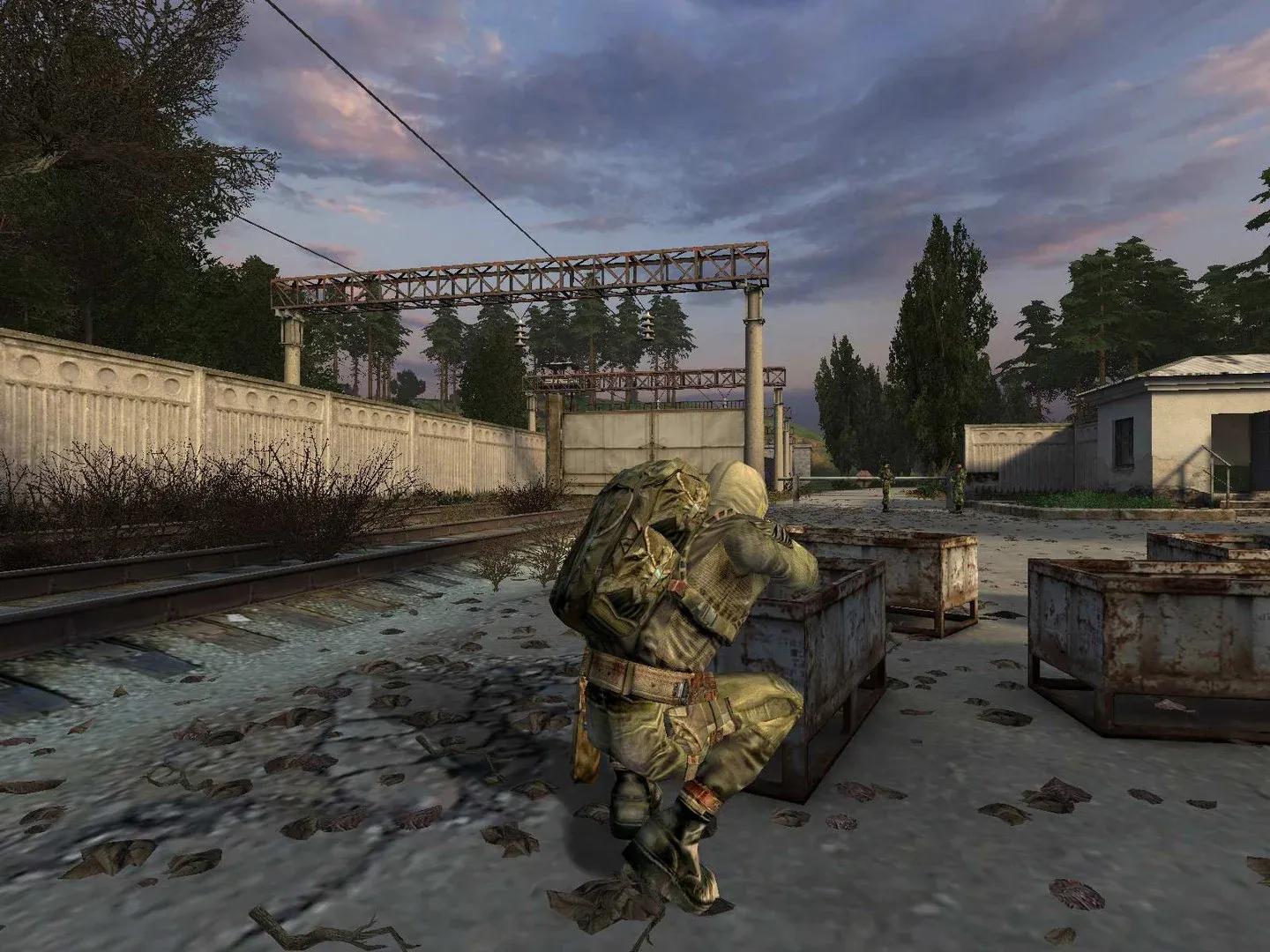
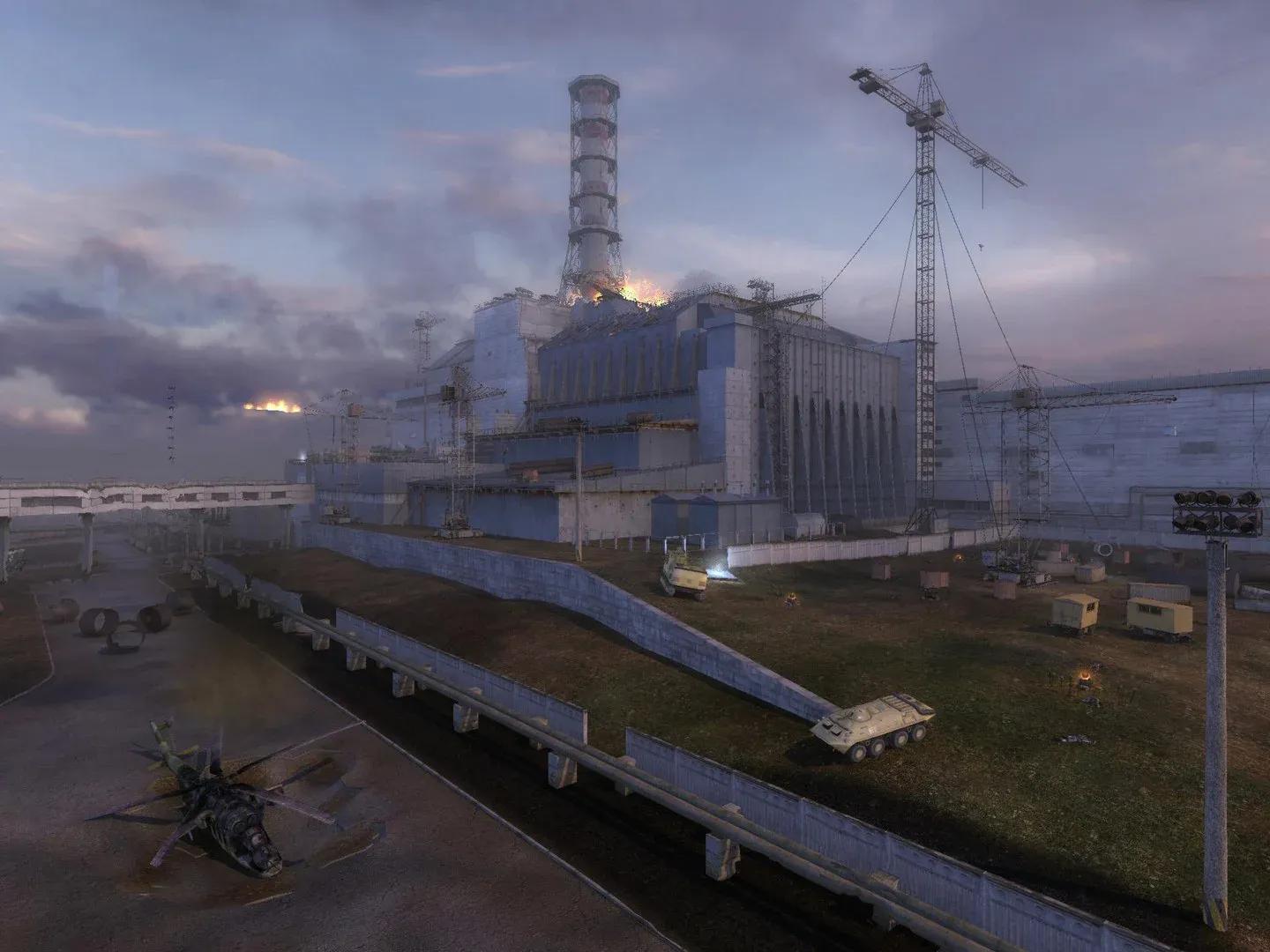
S.T.A.L.K.E.R.: Shadow of Chernobyl is a first-person survival shooter with deep RPG roots, set in a fictional version of the Chernobyl Exclusion Zone following a second catastrophic accident in 2006. Developed by GSC Game World and released in March 2007, the game blends action, horror, and scavenging into something that still feels distinct nearly two decades later. You play as an amnesiac stalker known only as The Marked One, piecing together your identity while navigating one of the most hostile environments in gaming.
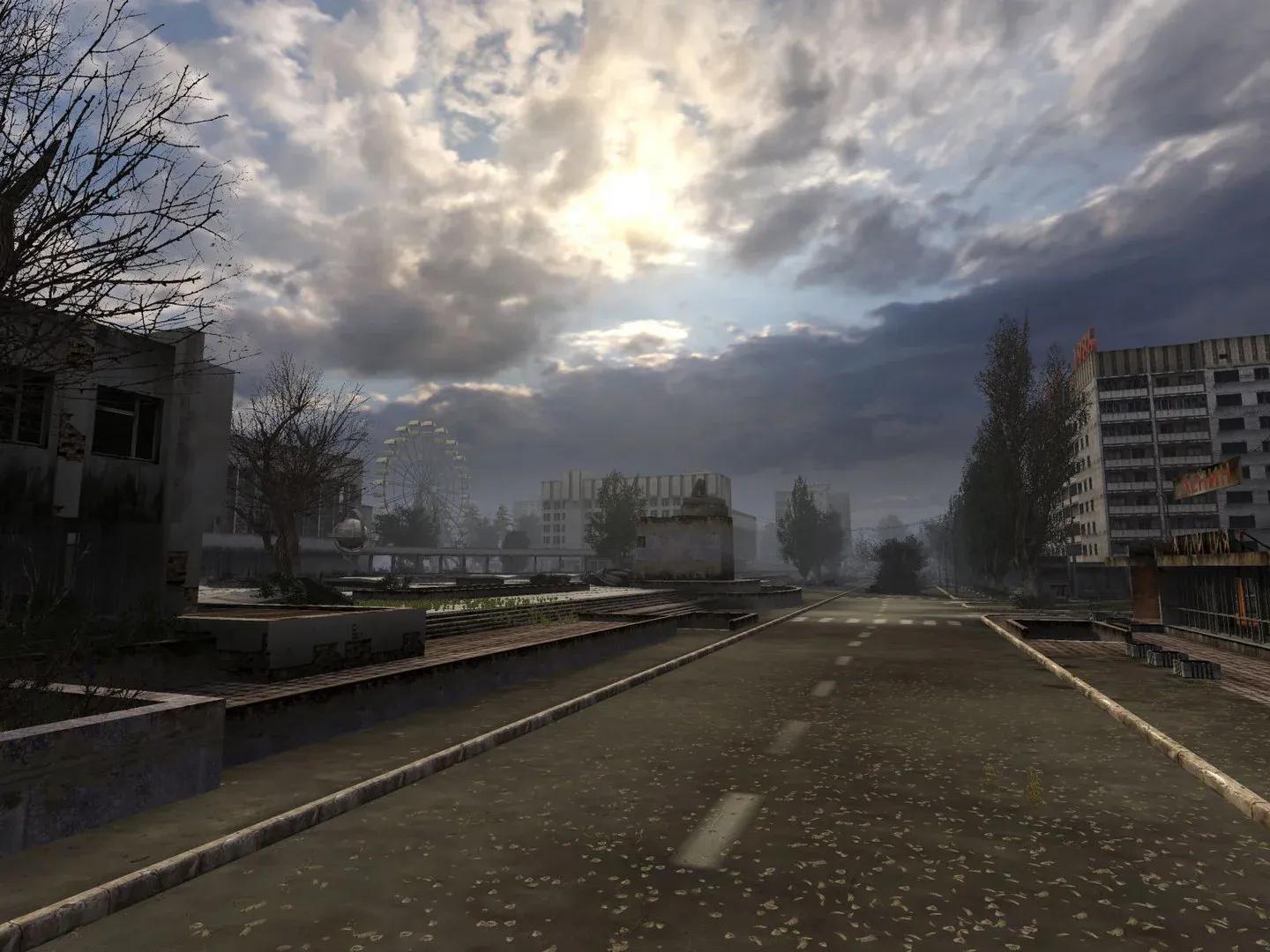
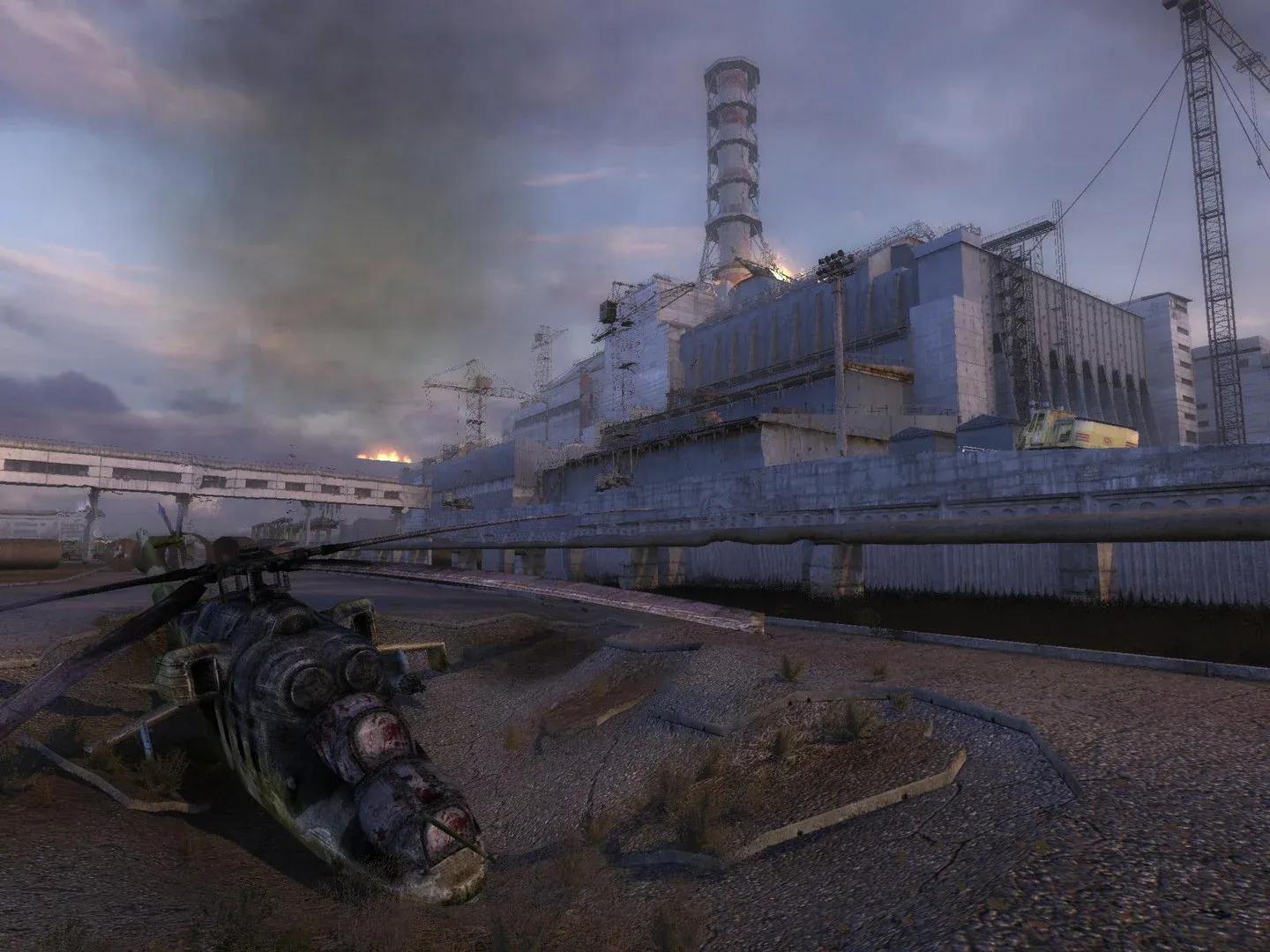
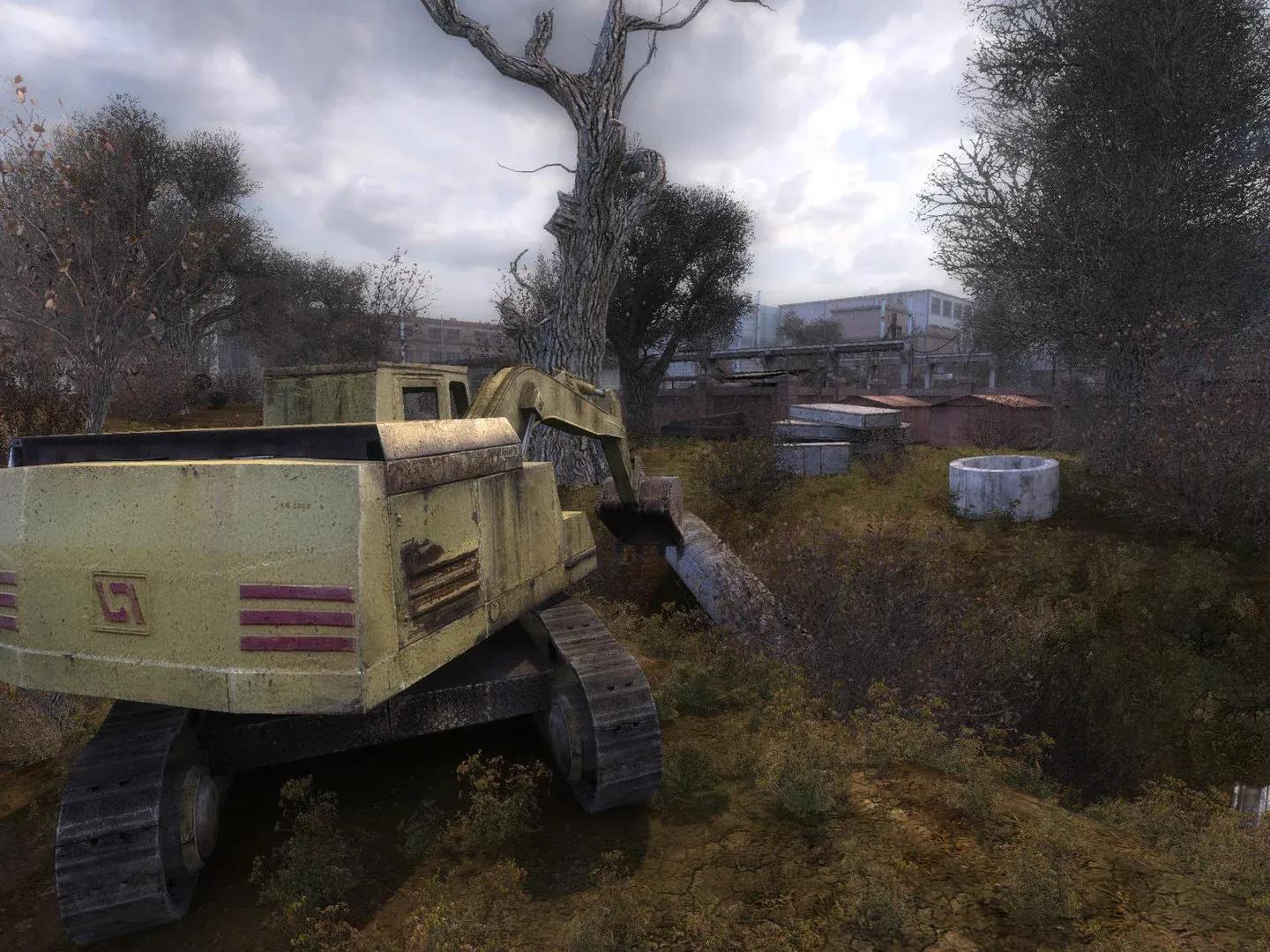
The Zone itself is the game's defining achievement. Drawn directly from real locations like Pripyat and the Chornobyl Nuclear Power Plant, the environments carry an authenticity that no amount of pure fiction could manufacture. Abandoned apartment blocks, rusted machinery, and dead forests all recreate the haunting stillness of the actual exclusion zone, grounded in a sci-fi premise that makes the familiar deeply unsettling.
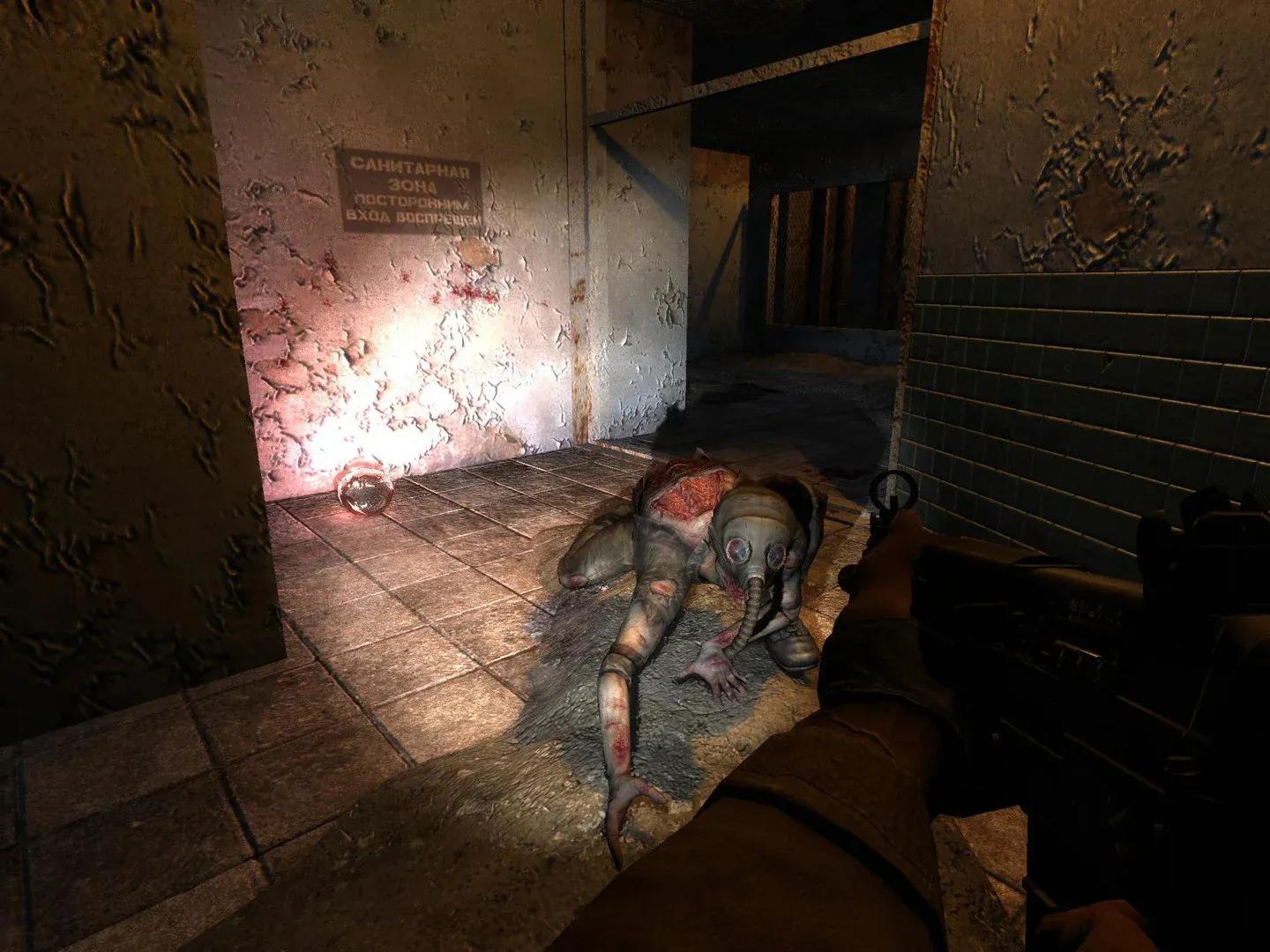
Progression is built around looting, trading, and faction navigation. Stalkers, bandits, military units, and mysterious groups all operate with their own agendas, and the game's A-Life AI system lets NPCs live out routines independent of the player. Enemies eat, sleep, patrol, and react to gunfire from other fights happening nearby. In 2007, that kind of systemic simulation was rare.
S.T.A.L.K.E.R.: Shadow of Chernobyl content image
Gameplay and mechanics
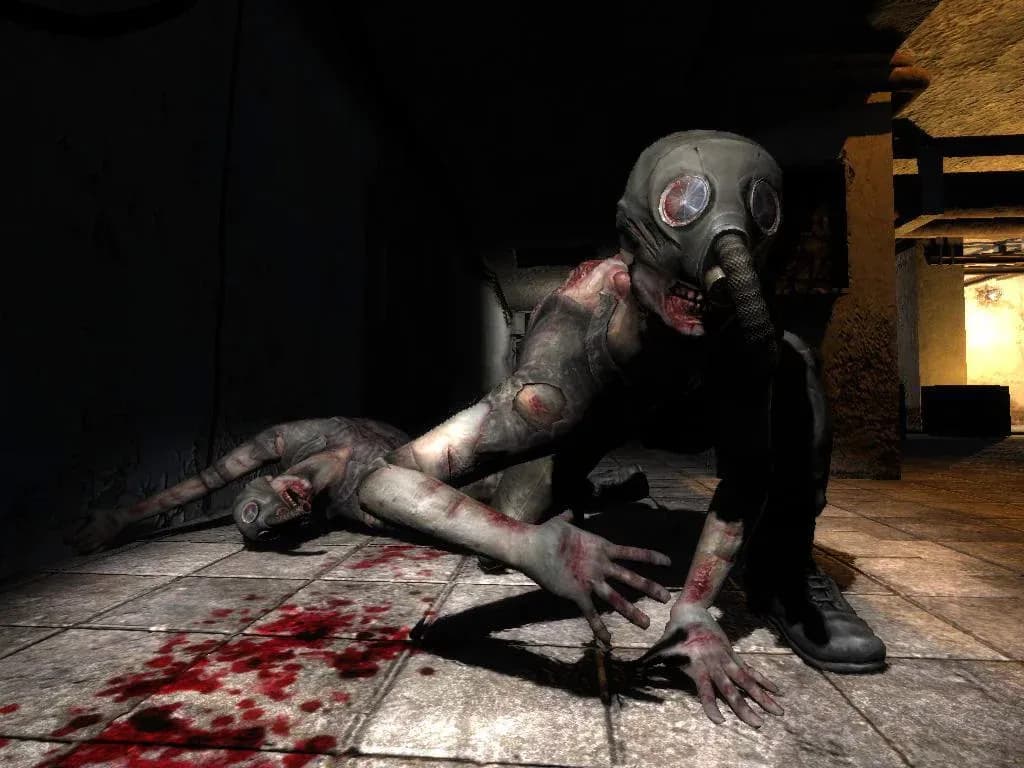
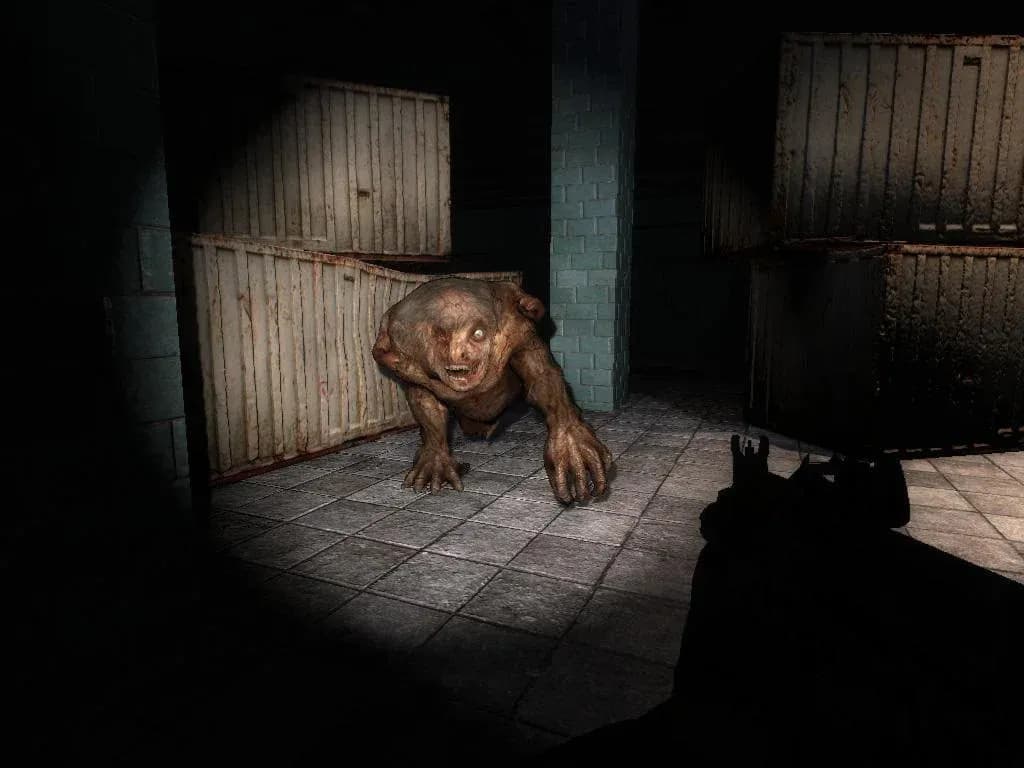
The core loop revolves around survival under constant pressure. Ammunition is scarce, weapons degrade, radiation accumulates, and anomalies can kill without warning. Key mechanics include:
S.T.A.L.K.E.R.: Shadow of Chernobyl content image
- Artifact hunting inside anomaly fields
- Weapon degradation and repair
- Faction reputation tracking
- Radiation management via anti-rad items
- Dynamic day-night cycles affecting enemy behavior
S.T.A.L.K.E.R.: Shadow of Chernobyl content image
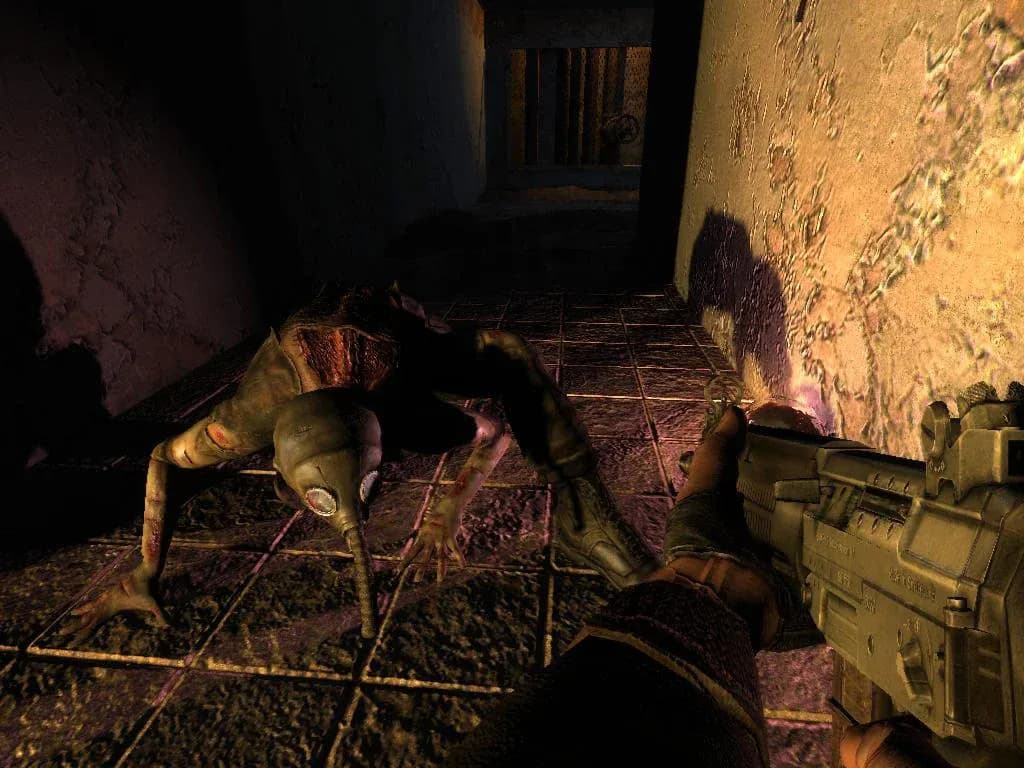
Combat leans into realism. Enemies don't absorb punishment like action game fodder. A few well-placed shots drop most opponents, but the same applies to you. Cover and careful positioning matter far more than reflexes, and the game rarely telegraphs danger before it arrives.
World and setting
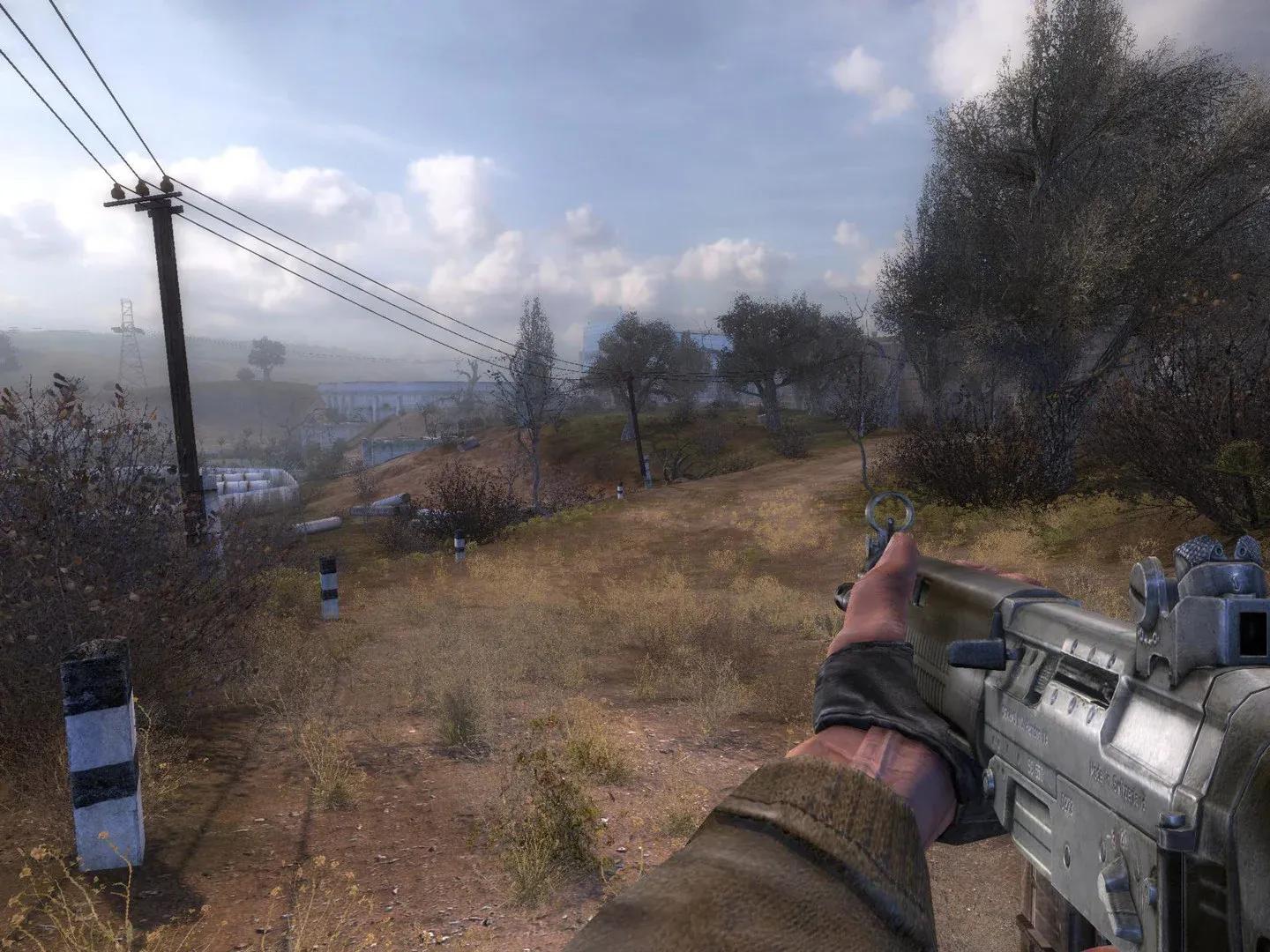
What separates Shadow of Chernobyl from other open-world shooters is how the Zone functions as a character in its own right. The atmosphere of desolation is deliberate and relentless. Fog rolls through empty fields at night, distant gunfire hints at skirmishes you never witness, and the ambient sound design keeps tension constant even during quiet stretches.
The non-linear story branches across multiple endings, with the path to each determined by choices and discoveries made throughout the campaign. Most players miss entire questlines on a first run, which keeps the game worth revisiting long after the credits roll.
S.T.A.L.K.E.R.: Shadow of Chernobyl content image
Impact and legacy
Shadow of Chernobyl established the template for an entire subgenre of Eastern European survival shooters. Its influence runs directly through Clear Sky, Call of Pripyat, and the massive modding community that has kept the game alive and expanding well past its original release. Mods like Anomaly and GAMMA have introduced hundreds of hours of new content built on the original engine, and the community around them remains active.
The game's reputation as a punishing but rewarding open-world survival RPG has only grown over time. It rewards patience and curiosity in equal measure, and the Zone's atmosphere is something that sticks with players long after they've put the game down.